
What is the ideal amount of space around a kitchen island? The ideal amount of space around a kitchen island is generally between 36 and 48 inches (91-122 cm) on all sides for comfortable movement and workflow, though this can vary depending on the specific kitchen layout and intended use of the island.
A kitchen island is more than just a surface for prepping food; it’s often the heart of the home, a gathering spot, a dining area, and a central hub for daily activities. However, the dream of a magnificent kitchen island can quickly turn into a nightmare of cramped spaces and awkward navigation if proper planning isn’t done. The key to a functional and beautiful kitchen lies in the kitchen island placement and ensuring adequate kitchen island clearance. Let’s dive into the expert tips for determining how much room you need.
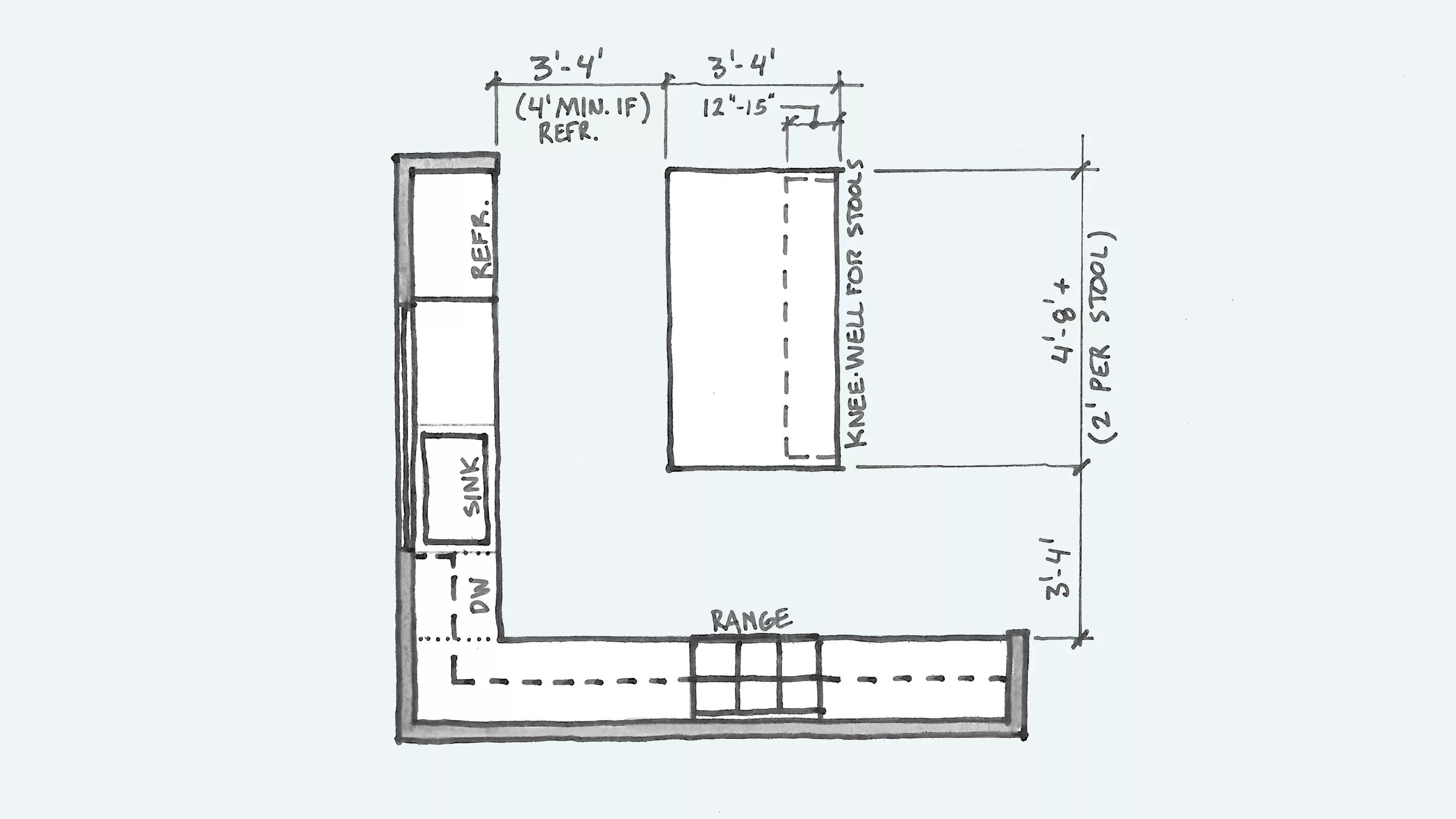
Image Source: www.boardandvellum.com
Deciphering Essential Kitchen Island Spacing
Getting the kitchen island spacing right is crucial for a well-functioning kitchen. It impacts everything from how you move between appliances to how comfortably people can sit and chat. Think of it as creating pathways, or kitchen island walkways, that allow for seamless transitions and efficient work.
The Work Triangle and Island Integration
While the traditional kitchen work triangle (sink, stove, refrigerator) remains a foundational concept in kitchen layout best practices, a kitchen island can redefine this triangle. The island can become one of the key points in the triangle, often housing the sink or cooktop, or simply serving as a critical thoroughfare. When planning your island’s location, consider how it interacts with these primary work zones.
Key Considerations for Island Placement:
- Workflow: Ensure there are no bottlenecks when moving between the refrigerator, sink, and stove, especially with the island in place.
- Appliance Doors: Allow enough space for refrigerator doors, oven doors, and dishwasher drawers to open fully without obstruction.
- Traffic Flow: Consider how people will move through the kitchen, especially if it’s a high-traffic area or connects to other rooms.
Standard Kitchen Island Dimensions and Their Impact
Before you can determine the necessary clearance, it’s helpful to have an idea of standard kitchen island dimensions. While custom islands can be made to fit any space, knowing typical sizes provides a good starting point.
Table: Common Kitchen Island Dimensions
| Type of Island | Typical Length (inches/cm) | Typical Width (inches/cm) | Typical Height (inches/cm) |
|---|---|---|---|
| Small | 36-48 / 91-122 | 24-36 / 61-91 | 36 / 91 |
| Medium | 48-72 / 122-183 | 36-48 / 91-122 | 36 / 91 |
| Large | 72+ / 183+ | 48+ / 122+ | 36 / 91 |
| Galley Island | 72+ / 183+ | 36-48 / 91-122 | 36 / 91 |
These standard kitchen island dimensions are just guidelines. Your kitchen island size should be proportionate to your kitchen’s overall square footage and the layout. A massive island in a small kitchen will feel overwhelming, while a tiny island in a large space can look lost.
Fathoming the Minimum Kitchen Island Clearance
The most critical aspect of planning around a kitchen island is the kitchen island clearance. This refers to the open space surrounding the island, allowing for movement, cooking, and interaction.
The Magic Number: 36 Inches (91 cm)
The absolute minimum kitchen island clearance recommended is 36 inches (91 cm). This measurement applies to the space between the island and any adjacent cabinets, appliances, or walls.
- Why 36 inches? This allows one person to comfortably walk behind someone working at the island or in the adjacent counter space. It’s the bare minimum for basic movement.
- When is 36 inches acceptable? This is typically only suitable for very small kitchens or in areas where primary traffic flow is not concentrated. For instance, if the island is placed against a wall with minimal appliance use on that side, 36 inches might suffice.
The Sweet Spot: 42-48 Inches (107-122 cm)
For optimal functionality and comfort, aim for 42 to 48 inches (107-122 cm) of kitchen island clearance on most sides. This range is considered the gold standard for kitchen layout best practices.
- Why 42-48 inches? This space allows two people to pass each other comfortably behind the island, or for one person to work at the island while another accesses a nearby appliance (like opening a dishwasher or oven). It accommodates more dynamic kitchen use.
- Where is this ideal? This clearance is highly recommended between the island and:
- Primary working countertops (sink, stove).
- Major appliances (refrigerator, oven).
- High-traffic pathways.
Generous Clearance: 60 Inches (152 cm) and Beyond
In larger kitchens, you can afford to have even more space, often 60 inches (152 cm) or more.
- Benefits of More Space: This creates a more open, airy feel and allows for multiple people to work in the kitchen simultaneously without feeling crowded. It also accommodates very deep appliance doors (like side-by-side refrigerators) or heavy foot traffic.
- Consideration: While more space is generally better, excessive clearance can make the kitchen feel too spread out, potentially impacting the efficiency of the kitchen work triangle.
Interpreting Kitchen Island Walkway Needs
The kitchen island walkway is essentially the clear path around your island. Planning these walkways correctly ensures your kitchen flows well and is safe to use.
The Main Walkway
This is the primary path for moving through the kitchen, often between the island and the main counter/appliance wall.
- Minimum: 36 inches (91 cm)
- Recommended: 42-48 inches (107-122 cm)
- Ideal for high traffic: 48-60 inches (122-152 cm)
Secondary Walkways
These are pathways on other sides of the island, perhaps leading to a dining area or pantry.
- Minimum: 36 inches (91 cm)
- Recommended: 36-42 inches (91-107 cm)
Appliance Clearance Within Walkways
A crucial aspect of kitchen island spacing is ensuring that appliance doors and drawers can open fully without hitting the island.
- Refrigerator: Allow at least 36 inches (91 cm) for the door to swing open, more if it’s a French door or side-by-side model.
- Dishwasher: A minimum of 48 inches (122 cm) is needed from the island to the dishwasher if the dishwasher door will be open when someone needs to pass. This ensures both can be operated simultaneously.
- Oven/Range: If your island has a cooktop, ensure adequate landing space on either side. If there’s an oven, ensure the door opens without obstructing a walkway.
Comprehending Kitchen Island Overhang Requirements
The kitchen island overhang is the portion of the countertop that extends beyond the base of the island. This is particularly important if you plan to have seating at your island.
Seating Clearance: Kitchen Island Seating Clearance
Providing adequate kitchen island seating clearance is vital for comfort and usability.
- Knee Space: For comfortable seating, you need sufficient knee space. This means the cabinets or base of the island should be set back from the seating edge.
- Minimum Knee Space: Aim for at least 15 inches (38 cm) of knee space for comfortable seating.
- Table vs. Island: This is similar to dining table seating, where chairs tuck under.
Overhang Depth
The depth of the overhang influences how comfortably people can sit.
- Standard Seating Overhang: For comfortable seating with stools, an overhang of 10-12 inches (25-30 cm) is generally recommended. This allows ample legroom.
- Countertop Material: Thicker countertops might require a slightly deeper overhang for structural support, but always check with your fabricator.
- No Seating Overhang: If the island is purely for prep or dining at a separate table, you might not need a significant overhang, or perhaps just enough to tuck stools away when not in use (e.g., 6-8 inches).
Clearance Around Seating Areas
Beyond the overhang itself, you need kitchen island seating clearance for people to get in and out of their seats.
- Minimum Clearance Behind Seated Guests: Allow at least 36 inches (91 cm) between the edge of the island (where people are seated) and any opposing wall, cabinet, or island.
- Ideal Clearance: 48 inches (122 cm) is even better, especially if there’s a walkway behind the seating area. This prevents people from being bumped as others pass by.
Factors Influencing Your Kitchen Island Spacing Decisions
While we’ve discussed general guidelines, several factors can influence your specific kitchen island spacing needs.
Kitchen Size and Shape
- Small Kitchens: In smaller kitchens, you might need to compromise on clearance. Prioritize a minimum of 36 inches (91 cm) in the main walkways. Consider a smaller, narrower island or a rolling cart that can be moved.
- Large Kitchens: Larger kitchens offer more flexibility. You can accommodate larger islands and generous clearance, creating distinct zones for cooking, prep, and gathering.
- Galley Kitchens: In galley kitchens, an island often acts as a divider. Ensure ample clearance on both sides (at least 36 inches, preferably 42-48 inches) for comfortable movement.
Island Functionality
- Prep Island: If your island is primarily for food preparation, ensure ample counter space and good access to the sink and trash.
- Seating Island: If you plan to seat people at the island, prioritize kitchen island seating clearance and adequate kitchen island overhang.
- Appliance Island: If your island houses a cooktop, sink, or dishwasher, ensure proper clearances around these appliances for safe and efficient use.
Traffic Patterns
- High Traffic Areas: If your kitchen is a main thoroughfare to other parts of the house, you’ll need wider kitchen island walkways to accommodate this constant flow.
- Low Traffic Areas: If the island is in a more secluded part of the kitchen, slightly less clearance might be acceptable, but never go below the functional minimums.
Appliance Requirements
As mentioned earlier, the types of appliances you have will dictate some of your spacing needs.
- Double Ovens: Require substantial landing space and clearance.
- Side-by-Side Refrigerators: Have doors that swing wider than standard refrigerators.
- Drawer-style Appliances: Need clearance for their full opening.
Visualizing Your Kitchen Island Layout
It’s one thing to read about measurements, and another to see them in practice. Here are some tips for visualizing your planned kitchen island placement and kitchen island clearance.
Use Painter’s Tape
Lay down painter’s tape on your kitchen floor to mark out the proposed kitchen island size and its surrounding clearance. Walk around it, open imaginary cabinet doors, and simulate cooking tasks. This is an invaluable tool for realistically assessing the space.
Mock it Up
If possible, use cardboard boxes or furniture to create a temporary mock-up of your island. This provides a more tangible representation of the volume the island will occupy and the space around it.
Consider the 3D View
Many kitchen design software programs allow you to create 3D models of your kitchen. This can help you visualize the flow and identify potential issues with kitchen island spacing.
Common Pitfalls to Avoid
Even with the best intentions, planning around a kitchen island can lead to mistakes. Here are common pitfalls to steer clear of:
Forgetting Appliance Door Swings
This is a big one. Not accounting for refrigerator, oven, or dishwasher doors opening is a recipe for frustration. Always measure for the full swing of these appliances.
Insufficient Seating Clearance
If you want people to actually enjoy sitting at your island, don’t skimp on kitchen island seating clearance or kitchen island overhang. Cramped knees are no fun.
Overcrowding the Space
Trying to fit too large an island into a small kitchen is a common mistake. It’s better to have a smaller, functional island than a large, impractical one. Remember standard kitchen island dimensions are just a starting point.
Ignoring Traffic Flow
A kitchen island should enhance, not impede, movement through the kitchen. Think about how people will naturally walk and work.
Sample Kitchen Island Clearance Scenarios
Let’s look at a few hypothetical scenarios to illustrate the application of these principles.
Scenario 1: Small Kitchen with Seating
- Kitchen Dimensions: 10ft x 12ft
- Island Goal: A 3ft x 6ft island with seating for two.
- Placement: Island centered, perpendicular to the main counter wall.
- Clearance:
- Between island and main counter wall (with sink/cooktop): 42 inches (107 cm) – allows comfortable passage.
- Between island seating overhang and back wall: 48 inches (122 cm) – ensures easy access to seats.
- On the other sides (leading to dining/living areas): 36 inches (91 cm) – minimum for basic movement.
- Overhang: 12 inches (30 cm) for seating.
Scenario 2: Large Open-Plan Kitchen
- Kitchen Dimensions: 15ft x 20ft
- Island Goal: A large island (4ft x 8ft) with seating for four and prep space.
- Placement: Centered in the kitchen, creating defined zones.
- Clearance:
- Between island and primary appliance wall (refrigerator, oven): 48 inches (122 cm) – ample space for multiple cooks and appliance use.
- Between island seating overhang and dining table: 60 inches (152 cm) – creates a spacious feel and easy movement.
- On other sides: 48 inches (122 cm) – contributes to the open, airy feel.
- Overhang: 10-12 inches (25-30 cm) for seating.
Scenario 3: Galley Kitchen
- Kitchen Dimensions: 8ft x 15ft
- Island Goal: A narrower, functional island (3ft x 5ft) for prep.
- Placement: Centered between the two parallel counter walls.
- Clearance:
- Between island and each counter wall: 42 inches (107 cm) – essential for navigating a narrow space.
- Overhang: None, or a very shallow overhang (6 inches) for tucking in stools if desired.
Conclusion: Prioritizing Functionality for Your Dream Kitchen
The most crucial takeaway when planning your kitchen island is that kitchen island clearance and thoughtful kitchen island placement are paramount. They directly impact the usability, safety, and enjoyment of your kitchen. Don’t be tempted to enlarge your island at the expense of essential walkways. By carefully considering kitchen island spacing, kitchen island walkways, kitchen island overhang, and kitchen island seating clearance, you can create a kitchen that is not only beautiful but also highly functional, adhering to sound kitchen layout best practices. Remember, the kitchen island size should be dictated by the space and its intended use, not just a desire for a grand centerpiece.
Frequently Asked Questions (FAQ)
Q1: What is the minimum recommended clearance around a kitchen island?
A1: The absolute minimum recommended clearance around a kitchen island is 36 inches (91 cm) on all sides.
Q2: What is the ideal clearance for a kitchen island?
A2: For optimal functionality and comfort, an ideal clearance of 42 to 48 inches (107-122 cm) is recommended on most sides.
Q3: How much space do I need for kitchen island seating clearance?
A3: For comfortable seating, you need at least 15 inches (38 cm) of knee space under the overhang. Additionally, allow at least 36 inches (91 cm), ideally 48 inches (122 cm), of clearance between the edge of the island where people are seated and any opposing wall, cabinet, or island.
Q4: Can I have less than 36 inches of clearance if my kitchen is small?
A4: While it’s tempting, it’s strongly advised not to go below 36 inches (91 cm) in primary walkways. Doing so creates significant usability and safety issues. In very small kitchens, consider a smaller island, a rolling cart, or a peninsula instead.
Q5: How much kitchen island overhang do I need for seating?
A5: For comfortable seating with stools, an overhang of 10-12 inches (25-30 cm) is generally recommended.
Q6: Does the type of appliance affect the clearance needed?
A6: Yes. You need to ensure appliance doors (refrigerator, oven, dishwasher) and drawers can open fully without obstruction. This often requires more clearance than a simple walkway, especially for wider appliance doors.
Q7: What is the difference between kitchen island clearance and kitchen island walkway?
A7: Kitchen island clearance refers to the total open space surrounding the island. Kitchen island walkway specifically refers to the pathways within that clearance that people use to move around the island and the kitchen.
Q8: Is there a standard kitchen island size?
A8: Standard kitchen island dimensions vary, but common sizes range from 3ft x 6ft for smaller islands to 4ft x 8ft or larger for more substantial ones. However, the kitchen island size should always be determined by your kitchen’s layout and needs.
Q9: How does a kitchen island affect the kitchen work triangle?
A9: A kitchen island can become a key point in the kitchen work triangle, often incorporating the sink or cooktop, or serving as a vital thoroughfare that connects the main work zones.
Q10: What are some common kitchen layout best practices related to islands?
A10: Key best practices include ensuring adequate kitchen island clearance, planning logical kitchen island placement to optimize workflow, providing sufficient kitchen island seating clearance if seating is included, and ensuring the kitchen island size is proportionate to the overall kitchen space.