
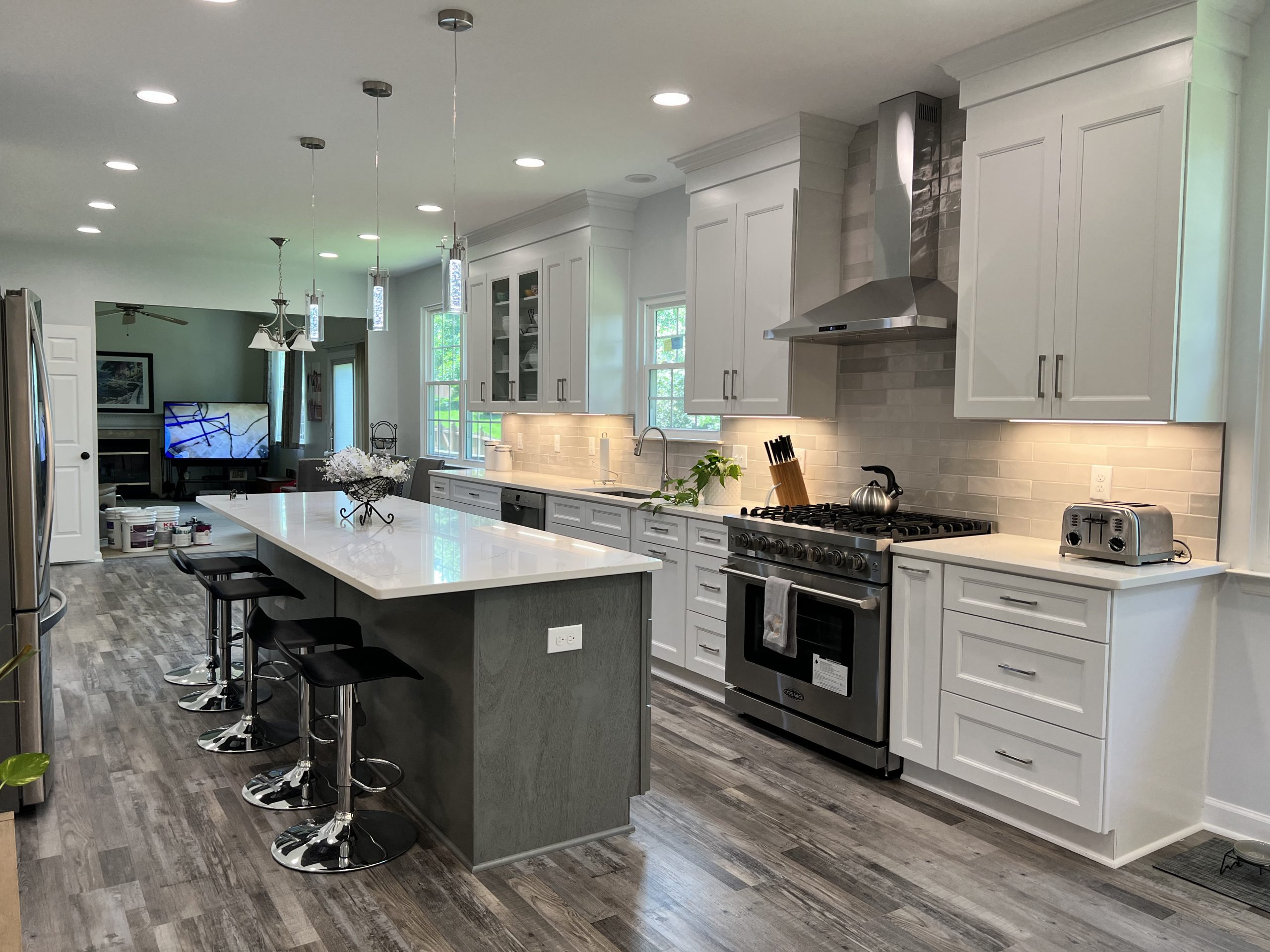
Image Source: virginiakitchenandbath.com
Uncover Real Costs: How Much To Add A Kitchen Island Project.
Adding a kitchen island can change your home. People often ask, “How much does it cost to add a kitchen island?” The kitchen island installation cost changes a lot. It can be from $500 to over $20,000. The average kitchen island price often sits between $3,000 and $10,000. The cost to add island to kitchen depends on many things. These include the island’s size, what it is made of, and if you add plumbing or power. Do-it-yourself (DIY) projects cost less for materials, but professional work adds labor costs.
Grasping the Basic Costs
Knowing the basic costs helps you plan. Many things make the price go up or down. These include how big the island is, the type of materials, what features you want, and how much labor costs in your area.
What Influences the Price?
Many factors decide the final price of your kitchen island.
* Size and Shape: Bigger islands or those with special shapes cost more. They need more materials and more work to build.
* Materials Used: Countertops can be cheap laminate or costly marble. Cabinet materials also range widely. High-end materials raise the price.
* Features: Do you want just a simple counter? Or do you want a sink, a dishwasher, a cooktop, or a wine fridge? Each added feature needs more work and parts.
* Labor Costs: Who builds and installs it matters. A skilled carpenter or a team of pros costs more than doing it yourself. Prices for labor change by region.
* Plumbing and Electrical Work: If you add a sink or power outlets, you need plumbers and electricians. This is a big part of the kitchen island electrical work cost and kitchen island with sink plumbing cost.
* Permits: Some projects need permits from your city. This adds a small fee but is vital for safety and rules.
Average Kitchen Island Price Ranges
The table below shows common price ranges. These are estimates. Your exact price may be different.
| Island Type/Feature | Low End ($) | Average ($) | High End ($) | Notes |
|---|---|---|---|---|
| Freestanding/Movable | 100 | 700 | 2,000 | Simple, pre-made, no installation |
| Basic Built-in | 2,000 | 5,000 | 8,000 | Simple design, basic materials, some labor |
| Custom/Mid-Range | 5,000 | 12,000 | 20,000 | Tailored size, better materials, features |
| High-End/Luxury | 20,000 | 30,000 | 50,000+ | Large, premium materials, all features, complex |
| Added Features | ||||
| Sink with Plumbing | 1,000 | 3,000 | 5,000+ | Labor, pipes, drain, faucet |
| Electrical Outlets/Lights | 500 | 1,500 | 3,000 | Wiring, outlets, switches, light fixtures |
| Cooktop/Range Hood | 1,500 | 4,000 | 10,000+ | Appliance cost + installation, venting |
| Seating Area | 0 | 500 | 2,000 | Overhang support, special design elements |
Diving Deeper: Cost Factors Revealed
To get a real sense of the cost, we must look at each part. From the type of island to the specific work involved, every choice adds up.
Kitchen Island Type and Design
The kind of island you choose is a big cost driver.
Movable or Freestanding Islands
These islands are the least costly. They are not fixed to the floor. You can move them around. They often come pre-made from stores.
* DIY kitchen island material cost: For a simple cart or butcher block, it can be as low as $100. If you build one from scratch, materials like wood, casters, and a basic top might be $200-$1,000.
* No installation: Since they are not fixed, there is no kitchen island installation cost for labor. You just buy it and place it.
* Limited features: These usually do not have sinks or power outlets.
Built-in Kitchen Island Expense
A built-in island is fixed in place. It becomes a part of your kitchen layout. This often means cabinets, a countertop, and a sturdy base.
* More stable: They offer more counter space and storage.
* Higher cost: The built-in kitchen island expense is higher than movable types. This is because they need proper installation. They often use cabinets, which adds to the price.
* Material choice: You pick materials for the base and top. This changes the cost a lot.
* Basic to complex: A simple built-in might just be a cabinet box with a counter. A complex one might have many features.
Custom Kitchen Island Cost
A custom kitchen island is made just for you. It fits your space perfectly. You pick every detail.
* Highest price: This is usually the most expensive choice. The custom kitchen island cost can be very high. This is due to special designs, unique materials, and skilled labor.
* Unique fit: It can be any size or shape. It can fit odd spaces or match your kitchen exactly.
* Special features: You can add specific storage, appliances, or design elements.
* Architect or designer fees: You might pay extra for a designer to create the plans.
Kitchen Island with Seating Cost
Many people want an island where they can eat. Adding seating needs careful planning.
* Countertop overhang: You need space for knees. This means the countertop must hang over the base. This can mean a larger countertop.
* Support: A large overhang needs strong support. This might be corbels, legs, or a steel frame. These supports add to the kitchen island with seating cost.
* Comfort: You need enough legroom for comfort. This affects the island’s depth.
* Bar stools/chairs: Don’t forget the cost of the stools or chairs themselves.
Materials and Finishes
The materials you choose for your island’s top and base greatly affect the price.
Countertops
- Laminate: ( $20-$60 per square foot) Very affordable. Many colors and patterns. Not as durable as stone.
- Butcher Block: ($40-$100 per square foot) Natural wood. Warm feel. Needs oiling to stay nice. Can be sanded.
- Solid Surface (e.g., Corian): ($50-$120 per square foot) Seamless look. Easy to repair. Many colors.
- Granite: ($40-$200 per square foot) Natural stone. Very durable. Needs sealing. Unique patterns.
- Quartz: ($50-$200 per square foot) Engineered stone. Non-porous (no sealing needed). Consistent look.
- Marble: ($75-$250+ per square foot) Classic look. Porous (stains easily). Soft (can scratch). Very high-end.
- Concrete: ($60-$150 per square foot) Modern look. Custom made. Heavy. Can crack.
Cabinetry and Base
- Stock Cabinets: ($50-$300 per linear foot) Ready-made. Come in standard sizes. Most affordable for the base.
- Semi-Custom Cabinets: ($100-$600 per linear foot) Some choices in size, finish, and style. Better fit than stock.
- Custom Cabinets: ($300-$1,200+ per linear foot) Made to order. Perfect fit. Any style or finish. Highest cost.
- Open Shelving/Legs: Sometimes a base is just legs or open shelves. This can be cheaper than full cabinets.
Siding and Trim
The outside of the island (the “siding”) can be simple drywall or fancy wood panels.
* Drywall/Paint: Most basic and cheap. Smooth finish.
* Wood Panels: ($5-$50 per square foot) Can match existing cabinets. Adds warmth.
* Stone Veneer/Tile: ($10-$60 per square foot) Adds texture and style. More labor to install.
Professional Labor and Installation
The kitchen island installation cost covers the work done by skilled people. This is a large part of the total cost.
Who Does the Work?
- General Contractor: Manages the whole project. Hires plumbers, electricians, carpenters. Good for complex jobs. Adds a fee (10-20% of project cost).
- Cabinet Installer/Carpenter: Builds and installs the island base and countertop.
- Plumber: Connects water lines and drain lines if you add a sink. This is a key part of the kitchen island with sink plumbing cost.
- Electrician: Installs outlets, switches, and lighting. This makes up the kitchen island electrical work cost.
- Flooring Specialist: May be needed if you change the floor under the island.
Labor Rates
Labor rates vary a lot by region and by the skill of the worker.
* Carpenters: $40-$100+ per hour.
* Plumbers: $75-$150+ per hour.
* Electricians: $65-$120+ per hour.
A simple island install without utilities might take a carpenter 1-2 days. An island with a sink and power might take a week with multiple trades.
Plumbing and Electrical Needs
These are two of the most costly additions to a kitchen island. They involve skilled trades and can mean breaking into walls and floors.
Kitchen Island with Sink Plumbing Cost
Adding a sink means bringing water in and taking wastewater out.
* Water Supply Lines: Hot and cold water pipes must run to the island.
* Drain Lines: A pipe to carry dirty water away. This must go to your main drain.
* Vent Pipe: All drains need a vent for proper flow. This can be complex. It might need to go up through the roof or connect to an existing vent.
* Faucets and Drains: The cost of the fixtures themselves.
* Disposal/Dishwasher: If you add these, they need power and drain connections too.
The cost can be $1,000 to $5,000 or more. It depends on how far the island is from existing pipes and how complex the venting is. If the floor needs to be dug up (slab foundation), it will be much higher.
Kitchen Island Electrical Work Cost
Power to your island is super useful for appliances and charging phones.
* Outlets: Code often requires outlets on islands. They are needed for safety and convenience.
* Lighting: Pendant lights above the island add style and function.
* Appliance Hook-ups: If you put a microwave, dishwasher, or cooktop in the island, they need dedicated power lines.
* New Circuits: You might need new circuit breakers in your main electrical panel.
* Wiring: Wires must run from your main panel to the island. This can mean cutting into walls, ceilings, or floors.
The kitchen island electrical work cost can be $500 to $3,000 or more. This depends on how many outlets, lights, and appliances you add. It also depends on how hard it is to run the new wiring.
Demolition and Prep Work
Sometimes, you need to clear the way for your new island.
* Removing Old Features: If you had an old peninsula or a large table, it might need to go.
* Flooring Repair: If you cut out old flooring or need to extend new flooring, this adds cost.
* Wall Patching: If you move or remove walls to open up the space, you will need drywall repair and painting.
* Moving Existing Utilities: If an existing pipe or wire is in the way, it must be moved. This is a hidden cost that can be quite high.
Permits and Inspections
For most fixed islands, especially ones with plumbing or electrical work, you will need permits.
* Safety: Permits ensure the work meets local building codes. This keeps your home safe.
* Resale Value: Proper permits protect you when you sell your home.
* Cost: Permit fees are usually a few hundred dollars.
* Time: Getting permits and passing inspections takes time. Plan for this in your schedule. Your contractor can help with this.
Budgeting for Your Kitchen Island Remodel
Having a clear kitchen island remodel budget is key. It helps you control costs and avoid surprises.
Setting a Realistic Budget
- List Your Wants: Write down everything you want in your island.
- Prioritize: Decide what is a “must-have” and what is a “nice-to-have.”
- Research Costs: Look up prices for materials and labor in your area. Use online tools and talk to local pros.
- Add a Buffer: Always add 10-20% extra to your budget. This “contingency fund” covers unexpected issues. For example, if you find old pipes that need replacing when you open up the floor.
Getting Multiple Quotes
Do not just get one price. Talk to at least three different contractors.
* Compare Details: Make sure each quote includes the same work and materials.
* Ask Questions: If something is unclear, ask.
* Check References: Talk to past clients of the contractors.
* Verify Licenses and Insurance: Make sure they are proper and insured.
Navigating DIY vs. Professional Installation
Deciding whether to do it yourself or hire pros is a big choice. It affects the cost to add island to kitchen a lot.
DIY Kitchen Island Material Cost
If you are handy, you can save a lot on labor. You only pay for the materials.
* Pros of DIY:
* Lower upfront cost: You save on labor fees.
* Control: You choose every detail and work at your own pace.
* Pride: You feel good about building something yourself.
* Cons of DIY:
* Time: Building an island takes a lot of time.
* Skill Needed: You need skills in carpentry, measuring, and maybe even basic wiring or plumbing. Mistakes cost money to fix.
* Tools: You might need to buy or rent special tools.
* No Warranty: If something goes wrong, you fix it yourself.
* Permits: Even DIY projects need permits if they involve utilities. You still need to follow codes.
The DIY kitchen island material cost for a simple island might be $200-$2,000. This is just for wood, a basic countertop, and hardware. If you add a sink or power, you might still need pros for those parts. This is true unless you are a licensed electrician or plumber.
Professional Installation
Hiring pros costs more but offers many benefits.
* Pros of Professional Installation:
* Expertise: Pros know how to do the job right and safely.
* Speed: They work faster than most DIYers.
* Quality: The finish is usually better.
* Warranty: Most pros offer a warranty on their work.
* Permits Handled: They often handle permits and inspections for you.
* Complex Jobs: They can manage plumbing, electrical, and structural changes.
* Cons of Professional Installation:
* Higher Cost: This is the main drawback. Labor is a large part of the kitchen island installation cost.
* Less Control: You rely on their schedule and choices.
For a complex project, or if you are not very handy, hiring pros is usually worth the extra expense.
Value and ROI of Adding a Kitchen Island
Adding a kitchen island can be a smart move for your home. It often boosts the value of your property.
* More Counter Space: Islands give you more room to cook and prepare food.
* Extra Storage: Cabinets and shelves in the island add storage.
* Social Hub: Islands are great places for family and friends to gather. People can sit and talk while you cook.
* Better Flow: A well-placed island can improve how you move around your kitchen.
* Modern Appeal: Islands make a kitchen look more modern and complete.
Many real estate experts say a kitchen remodel, including adding an island, offers a good return on investment (ROI). It makes your home more appealing to buyers. It can help your home sell faster and for a higher price.
Factors That Elevate the Price
While we talked about factors, some choices really push the cost higher.
- Premium Materials: Choosing high-end marble, exotic wood, or custom metalwork for your island will greatly raise the price.
- Complex Designs: Islands with curves, multiple levels, special cut-outs, or built-in waste bins are harder to build. This means more labor and higher custom kitchen island cost.
- High-End Appliances: Adding a built-in wine fridge, a special microwave drawer, or a commercial-grade cooktop will boost the price a lot. These need specific cut-outs and dedicated power.
- Far Distance from Existing Utilities: If your island is far from current water pipes or electrical panels, running new lines is complex and expensive. This greatly affects kitchen island with sink plumbing cost and kitchen island electrical work cost.
- Structural Changes: Sometimes, adding an island means moving a wall or changing a load-bearing structure. This needs an engineer and adds major costs. This usually isn’t just “adding an island” but a larger kitchen remodel.
Smart Ways to Save Money
Even with high costs, you can still save money on your island project.
- Choose Simple Designs: A rectangular island is cheaper than a curved one. A basic base is less costly than custom cabinetry.
- Use More Affordable Materials: Laminate or butcher block countertops cost less than granite or quartz. Stock cabinets are much cheaper than custom ones.
- Keep Plumbing and Electrical Simple: If possible, place your island where it’s easy to connect to existing pipes and wires. Or, skip the sink and cooktop entirely. This greatly reduces the kitchen island with sink plumbing cost and kitchen island electrical work cost.
- DIY What You Can Safely: If you are skilled, you can do demolition, painting, or even assemble stock cabinets yourself. But leave major utility work to pros. This cuts down on the overall kitchen island installation cost.
- Look for Sales: Watch for sales on cabinets, countertops, or appliances.
- Re-use Materials: Can you use reclaimed wood for a top? Or a vintage dresser as a base?
- Consider a Movable Island: If you just need extra space, a freestanding island is a very low-cost option. This also means almost no kitchen island remodel budget needed for labor.
Frequently Asked Questions (FAQ)
How long does it take to install a kitchen island?
A simple, pre-made island can be placed in minutes. A basic built-in island might take 1-2 days for a carpenter. If you add plumbing, electrical work, and require permits, the whole project can take 1-4 weeks from start to finish. This includes planning, getting permits, the work itself, and inspections.
Can any kitchen have an island?
No, not every kitchen is right for an island. You need enough space around the island. Aim for at least 36-48 inches of clear space on all sides. This allows people to walk around and open appliance doors. If your kitchen is small, a peninsula or a mobile cart might be a better fit.
Is a kitchen island a good investment?
Yes, in most cases, adding a kitchen island is a good investment. It adds function, storage, and visual appeal to your home. It often boosts your home’s value and makes it more attractive to buyers. It improves how you use your kitchen every day.
What size kitchen island is best?
The best size depends on your kitchen’s size and what you want to use the island for.
* Minimum Size: A usable island should be at least 4 feet long and 2 feet deep.
* For Seating: If you want seating, you need at least 15 inches of overhang for legroom. Each person needs about 24 inches of width at the counter.
* Walkway Space: Remember to leave at least 36 inches of clear space around all sides for walking. 42-48 inches is even better, especially in high-traffic areas.
* Golden Triangle: Make sure the island does not block the path between your sink, fridge, and stove.