
The average kitchen renovation cost can range from $15,000 to $50,000 or more, depending on the size and finishes. For a bathroom remodel cost breakdown, expect to pay between $5,000 and $30,000, with luxury options going much higher. These costs change based on many things, like how big the room is, the materials you pick, and who does the work. This guide will help you see what goes into these projects and what to expect for your own home.
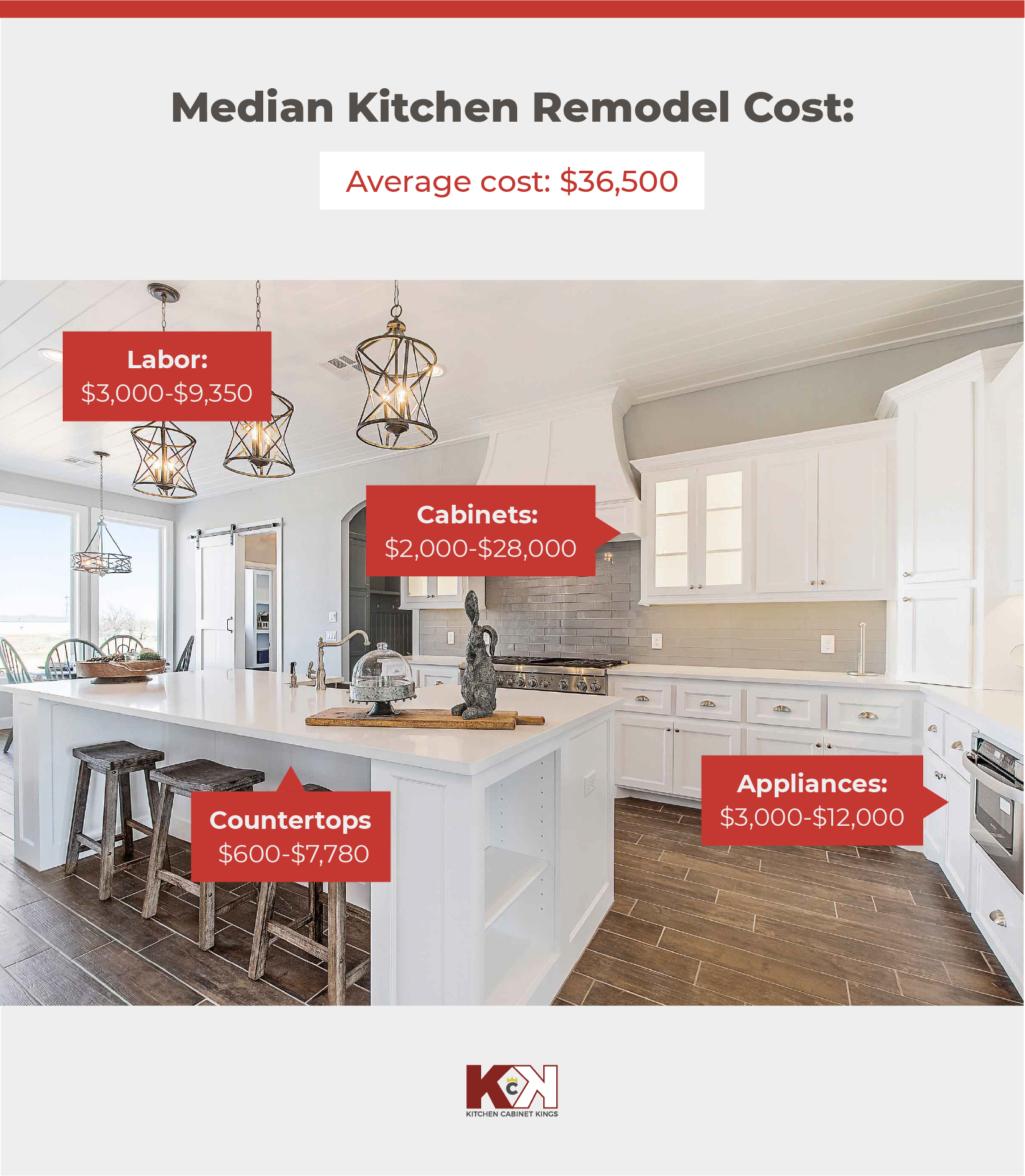
Image Source: cdn.kitchencabinetkings.com
The Initial Investment: What Drives Renovation Costs?
Renovating your kitchen or bathroom is a big job. Many things affect the final price. Knowing these factors helps you plan your budget better.
Scope of Work
The first step is to decide what you want to change. Are you just painting, or are you tearing down walls?
- Small Updates: This means new paint, new light fixtures, or perhaps just changing out a faucet. This is the cheapest option.
- Minor Renovation: This might include new cabinets or countertops. You keep the same layout.
- Major Renovation: This involves changing the layout. You might move walls, sinks, or showers. This costs a lot more. It needs new plumbing and wiring.
- Luxury Remodel: This uses the best materials and custom designs. It often means major structural changes. This is the most expensive option.
The more you change, the more it will cost.
Materials
The materials you choose make a big difference in price. Think about cabinets, countertops, tiles, and fixtures.
- Budget-Friendly: Laminate countertops, stock cabinets, ceramic tiles. These save you money.
- Mid-Range: Granite or quartz countertops, semi-custom cabinets, porcelain tiles. These offer good value and looks.
- High-End: Marble countertops, custom cabinets, natural stone tiles, designer fixtures. These look amazing but cost much more.
Always pick materials that fit your style and your wallet.
Labor Costs Kitchen and Bath
Skilled workers are needed for any big renovation. This includes plumbers, electricians, carpenters, and tilers. Labor costs can be a large part of your total budget.
- Contractor Fees: A general contractor manages the whole job. They charge a fee for this. This fee is often 10% to 20% of the total project cost.
- Skilled Trades: Each worker charges for their time and skill. Plumbers and electricians are often more expensive per hour. This is because their work is complex and needs special licenses.
- Regional Differences: Labor costs change based on where you live. Big cities often have higher labor costs than smaller towns.
Make sure to get detailed quotes from all workers. Ask about their hourly rates and any flat fees.
Location
Where you live greatly affects renovation costs.
- Cost of Living: Areas with a higher cost of living usually have higher prices for materials and labor.
- Permits: Some cities have strict building rules. You might need special permits for your work. These permits cost money. They also add time to your project.
- Access: If your home is hard to get to, or if the work space is small, labor costs might go up. This is because it takes more effort to move materials and tools.
Research local costs before you start planning.
Kitchen Renovation Costs: A Detailed Look
The kitchen is often called the heart of the home. Renovating it can add much value. But it can also be very costly.
Average Kitchen Renovation Cost
A typical kitchen renovation in the US costs around $25,000 to $35,000. This covers a mid-range remodel. For a small kitchen, it might be $15,000. For a large, high-end kitchen, it can easily go over $50,000, even reaching $75,000 or more.
Here is a general breakdown of costs for a mid-range kitchen remodel:
| Item | Percentage of Total Cost | Estimated Cost Range (Mid-Range) |
|---|---|---|
| Cabinets & Hardware | 25-35% | $6,250 – $12,250 |
| Installation Labor | 15-20% | $3,750 – $7,000 |
| Appliances | 10-20% | $2,500 – $7,000 |
| Countertops | 10-15% | $2,500 – $5,250 |
| Flooring | 5-10% | $1,250 – $3,500 |
| Plumbing & Electrical | 5-10% | $1,250 – $3,500 |
| Lighting | 3-5% | $750 – $1,750 |
| Backsplash | 2-4% | $500 – $1,400 |
| Painting & Drywall | 1-3% | $250 – $1,050 |
| Other (Permits, Contingency) | 5-10% | $1,250 – $3,500 |
| Total Estimated Cost | 100% | $25,000 – $35,000 |
These numbers are averages. Your actual costs will depend on your choices.
Cost Per Square Foot Kitchen Remodel
Many people want to know the cost per square foot kitchen remodel. This can be a useful way to estimate. It typically ranges from $100 to $250 per square foot for a mid-range remodel. For a high-end kitchen, it can go up to $400 or more per square foot.
- A small kitchen (70-100 sq ft) might cost $10,000 to $25,000.
- A medium kitchen (100-200 sq ft) might cost $20,000 to $50,000.
- A large kitchen (200+ sq ft) might cost $30,000 to $70,000 or more.
Remember, this is just a guide. The exact price per square foot depends on the quality of materials and the complexity of the work. Moving walls or changing plumbing lines will increase this cost a lot.
Budgeting for Your Kitchen Dream
Let’s look at the main parts of a kitchen remodel. Each part has its own cost range.
Cabinets
Cabinets are a big part of the kitchen’s look and cost. Kitchen cabinet installation cost is also a major factor.
- Stock Cabinets: These are ready-made. They come in standard sizes and styles. They are the cheapest option, often $100 to $300 per linear foot.
- Semi-Custom Cabinets: These offer more choices in size, style, and finish. They fit your space better. Expect to pay $300 to $700 per linear foot.
- Custom Cabinets: These are built just for your kitchen. They fit perfectly and offer unique designs. They are the most expensive, from $700 to $1,200+ per linear foot.
- Refacing Cabinets: If your cabinet boxes are good, you can just replace the doors and drawer fronts. This saves money. It costs about half of new cabinets.
Kitchen cabinet installation cost can add 15% to 25% of the cabinet price. This is for professional installers.
Countertops
Countertops are key for both looks and use.
- Laminate: This is the cheapest choice. It costs $10 to $40 per square foot. It is easy to clean.
- Butcher Block: Wood counters look warm. They cost $40 to $100 per square foot. They need regular oiling.
- Solid Surface: These are man-made. They are seamless and come in many colors. They cost $40 to $100 per square foot.
- Granite: A popular natural stone. It is durable. It costs $45 to $200 per square foot.
- Quartz: An engineered stone. It is very strong and easy to care for. It costs $50 to $150 per square foot.
- Marble: A beautiful, high-end stone. It costs $75 to $250 per square foot. It needs more care.
Installation costs for countertops vary. Stone counters cost more to install due to weight.
Appliances
Appliances can be a large part of your budget. Prices vary widely based on brand and features.
- Basic Set (fridge, stove, dishwasher, microwave): $2,500 – $5,000
- Mid-Range Set: $5,000 – $10,000
- High-End/Professional Grade: $10,000 – $30,000+
Look for sales and package deals. This can save you money.
Flooring
Kitchen flooring needs to be tough and easy to clean.
- Vinyl/Laminate: $2 – $7 per square foot. Very budget-friendly.
- Ceramic/Porcelain Tile: $3 – $15 per square foot. Durable and comes in many styles.
- Hardwood: $5 – $15 per square foot. Classic look, but can scratch easily.
- Engineered Wood: $4 – $10 per square foot. More resistant to moisture than solid wood.
Installation adds to these costs, usually $2-$8 per square foot.
Backsplash
A backsplash protects your walls and adds style.
- Ceramic Tile: $2 – $15 per square foot (materials).
- Subway Tile: $2 – $8 per square foot.
- Glass Tile: $10 – $40 per square foot.
- Natural Stone Tile: $15 – $50 per square foot.
Installation can add $10-$25 per square foot.
Lighting
Good lighting is important in a kitchen.
- Recessed Lights: $100 – $300 per fixture (installed).
- Pendant Lights: $50 – $500+ each.
- Under-Cabinet Lighting: $15 – $30 per linear foot.
Budget Kitchen Remodel Ideas
You do not need to spend a fortune to improve your kitchen. Here are some smart ways to save:
- Paint Cabinets: If your cabinets are in good shape, paint them. This gives them a fresh, new look for much less than replacing them.
- New Hardware: Change out pulls and knobs on cabinets. This is a small detail that makes a big impact.
- Laminate Countertops: These are very affordable. They come in many styles that look like stone.
- DIY Minor Tasks: If you are handy, you can do things like painting, demo, or simple fixture replacement. This saves on labor.
- Open Shelving: Instead of upper cabinets, use open shelves. This can save money and make the kitchen feel bigger.
- Keep the Layout: Do not move sinks, stoves, or walls. This avoids costly plumbing and electrical work.
- Shop Sales: Buy appliances during holiday sales. Look for floor models or scratch-and-dent deals.
Plumbing and Electrical Renovation Costs in the Kitchen
These are crucial but often hidden costs. Plumbing and electrical renovation costs can add a lot, especially if you change your layout.
- Plumbing: Moving a sink or dishwasher needs new water lines and drains. This can cost $500 to $2,500 or more per fixture moved. If you need to upgrade pipes, it adds even more.
- Electrical: Adding outlets, new lighting, or moving appliance hookups needs an electrician. This can cost $300 to $2,000 or more. Older homes may need a full electrical panel upgrade, which is a major expense ($2,000 – $6,000).
Always use licensed professionals for these jobs. Safety is paramount.
Bathroom Renovation Costs: A Comprehensive Guide
Bathrooms are smaller than kitchens but can still be expensive to renovate. They involve many trades like plumbing, tiling, and electrical work.
Bathroom Remodel Cost Breakdown
A typical bathroom remodel can range from $5,000 for a small, basic refresh to $20,000 or more for a mid-range upgrade. A large, luxury bathroom can easily exceed $30,000.
Here’s a general cost breakdown for a mid-range bathroom remodel:
| Item | Percentage of Total Cost | Estimated Cost Range (Mid-Range) |
|---|---|---|
| Fixtures (Toilet, Sink, Tub/Shower) | 20-30% | $3,000 – $9,000 |
| Installation Labor | 20-25% | $3,000 – $7,500 |
| Tiles (Floor & Wall) | 15-20% | $2,250 – $6,000 |
| Vanity & Countertop | 10-15% | $1,500 – $4,500 |
| Plumbing & Electrical | 5-10% | $750 – $3,000 |
| Lighting & Exhaust Fan | 3-5% | $450 – $1,500 |
| Other (Mirror, Accessories) | 2-3% | $300 – $900 |
| Total Estimated Cost | 100% | $15,000 – $30,000 |
As with kitchens, these are averages. Your choices will make your cost higher or lower.
Fixture by Fixture: What to Expect
Let’s look at the costs for common bathroom fixtures and elements. Bathroom fixture replacement cost varies greatly by style and quality.
Vanity and Sink
The vanity includes the cabinet and countertop for your sink.
- Pedestal Sink: $100 – $500. A simple, space-saving option.
- Stock Vanity (with top): $200 – $1,000. Basic cabinet with an integrated sink or pre-cut top.
- Semi-Custom Vanity: $800 – $2,500. More style and size options.
- Custom Vanity: $1,500 – $5,000+. Built to your exact needs.
Installation adds $100-$300 for a simple vanity, more for complex ones.
Toilet
Toilets come in many styles and with different features.
- Standard Two-Piece: $100 – $300. The most common type.
- One-Piece: $250 – $600. Easier to clean, more modern look.
- Wall-Mounted/Smart Toilet: $500 – $2,000+. High-end options with extra features.
Installation is usually $100-$200 if no plumbing changes are needed.
Shower/Bathtub
This is often the most expensive part of a bathroom remodel.
- Basic Bathtub (Acrylic/Fiberglass): $200 – $800.
- Clawfoot/Freestanding Tub: $600 – $3,000+. A luxury look.
- Prefabricated Shower Stall: $300 – $1,500. An all-in-one unit.
- Custom Tiled Shower: $1,000 – $5,000+. This includes the shower pan, tile, and enclosure. A much higher quality look.
- Walk-in Shower: Often costs more due to custom glass enclosures and tiling, from $2,000 to $8,000+.
Bathroom fixture replacement cost for a full tub or shower can be significant due to demolition and installation.
Flooring
Bathroom floors need to stand up to water.
- Vinyl/Linoleum: $1 – $5 per square foot. Cheapest and water-resistant.
- Ceramic/Porcelain Tile: $2 – $15 per square foot. Very common, durable, water-resistant.
- Natural Stone Tile: $5 – $30 per square foot. Looks luxurious but needs sealing.
- Luxury Vinyl Plank (LVP): $3 – $7 per square foot. Looks like wood but handles water well.
Installation costs $3-$10 per square foot.
Tiles (Walls and Shower)
Tiles add beauty and protect walls from water.
- Basic Ceramic Tile: $1 – $7 per square foot. Good for walls and general areas.
- Subway Tile: $2 – $8 per square foot. A classic, popular choice.
- Porcelain Tile: $3 – $15 per square foot. Stronger than ceramic, good for floors and walls.
- Glass Tile: $10 – $40 per square foot. Adds sparkle.
- Natural Stone (Marble, Travertine): $10 – $50 per square foot. High-end look.
Installation can be $5-$20 per square foot, more for complex patterns.
Lighting
Good lighting is important for tasks like shaving or makeup.
- Vanity Lights: $50 – $300 per fixture.
- Recessed Lights: $75 – $200 per fixture (installed).
- Exhaust Fan: $100 – $400 (not including ductwork). Important for preventing mold.
Luxury Bathroom Renovation Price
A luxury bathroom renovation price can start at $30,000 and go well over $100,000. These projects include:
- High-End Materials: Marble, exotic wood, designer fixtures.
- Custom Features: Steam showers, heated floors, smart mirrors, built-in sound systems.
- Extensive Plumbing/Electrical: Moving all fixtures, adding jet tubs, multiple shower heads.
- Custom Cabinetry: Built to fit the exact space and design.
- Professional Design: Hiring an interior designer adds to the cost but ensures a cohesive look.
Such renovations aim for a spa-like feel. They focus on comfort, high-quality finishes, and advanced technology.
Plumbing and Electrical Renovation Costs in the Bathroom
Like kitchens, bathrooms rely heavily on good plumbing and electrical systems. Plumbing and electrical renovation costs are critical.
- Plumbing: Moving a toilet, sink, or shower means moving water lines and drain pipes. This can cost $500 to $3,000 per fixture moved. If you need to fix old pipes or add a new water heater, costs go up.
- Electrical: Adding new outlets, light fixtures, or a heated floor needs an electrician. This can cost $300 to $1,500. Upgrading your electrical panel if it’s old might be necessary ($2,000 – $6,000). Always use a licensed electrician. This keeps your home safe.
Key Factors Influencing Your Budget
Beyond the basics, other things can change your final bill.
DIY vs. Professional Help
Doing some work yourself can save money.
- DIY Potential: Painting, demolition (carefully!), simple tiling, or installing basic fixtures.
- Professional Necessity: Plumbing, electrical, major structural changes, custom tile work. These jobs need skilled pros. Doing them wrong can be dangerous or costly to fix.
Balance what you can do with what needs a pro.
Structural Changes
Moving walls or changing floor plans adds significant costs.
- Load-Bearing Walls: If you move a wall that supports the house, you need an engineer. This adds complexity and cost, often $2,000 – $10,000 or more.
- New Footings/Foundations: If you add an extension, this is a major construction project.
- Demolition: Tearing things out costs money, especially if hazardous materials like asbestos are found.
Try to work within your current layout if budget is tight.
Permits
Most major renovations need permits from your local city or county.
- Cost: Permits can range from a few hundred dollars to over a thousand.
- Importance: They ensure your work meets safety codes. Without them, you could face fines. You might have trouble selling your home later.
- Process: Getting permits takes time. It involves inspections at different stages. Factor this into your timeline.
Your contractor should help with permits.
Making Smart Choices: Boosting Your Home Value
Renovating is not just about looks. It can also make your home worth more.
Home Renovation ROI Bathroom
A bathroom remodel often offers one of the best returns on investment (ROI). Home renovation ROI bathroom projects can recoup a large portion of their cost when you sell your home.
- Mid-Range Bathroom Remodel: You might get back 60% to 70% of your cost. For example, a $20,000 remodel could add $12,000 to $14,000 to your home’s value.
- Upscale Bathroom Remodel: The ROI might be slightly lower, around 50% to 60%. This is because the high cost of luxury items appeals to a smaller group of buyers.
Buyers often look at bathrooms closely. A fresh, modern bathroom makes a good impression.
Kitchen ROI
Kitchen renovations also offer good ROI, though sometimes slightly less than bathrooms. A mid-range kitchen remodel might recoup 50% to 70% of its cost. High-end kitchens can have lower ROI, similar to luxury bathrooms. Buyers love updated kitchens. They see them as a central gathering spot.
When thinking about ROI, consider the overall value of your home. Do not overspend for your neighborhood.
Saving Money Without Cutting Corners
You can save money without making your renovation look cheap.
Smart Material Choices
- Look-Alike Materials: Choose porcelain tiles that look like marble or wood. They are cheaper and often easier to care for.
- Standard Sizes: Stick to standard sizes for cabinets, doors, and windows. Custom sizes cost more.
- Buy in Bulk: If you need a lot of tile or flooring, buying a full pallet can sometimes save money.
- Sales and Discounts: Keep an eye out for sales. Buy materials when they are on offer.
Keeping the Layout
This is one of the biggest money savers.
- Avoid Moving Plumbing: Do not move toilets, sinks, or showers. This avoids expensive plumbing work.
- Avoid Moving Electrical: Keep outlets and light switches where they are. This avoids costly wiring changes.
- No Wall Changes: Do not move or remove walls. This saves on demolition, structural work, and drywall.
DIY Small Tasks
If you are able, do these simple jobs:
- Demolition: Carefully remove old cabinets, tiles, or fixtures. This saves labor costs.
- Painting: Painting walls and trim is a good DIY project.
- Cleanup: Haul away debris yourself if you have a truck.
- Assembly: Assemble flat-pack cabinets yourself.
Only do what you are truly comfortable with. Do not risk safety or damage to your home.
Off-Season Work
Consider renovating during the “off-season.”
- Slower Times: Contractors are often less busy in late fall or winter. They might offer better rates.
- Availability: You might find it easier to book your preferred contractor.
Summer and spring are often the busiest times for renovations.
Navigating the Renovation Process
A good plan leads to a smoother renovation.
Planning is Key
- Set a Clear Budget: Know exactly how much you can spend. Add a 10% to 20% buffer for unexpected costs.
- Detailed Vision: Know what you want. Look at pictures, make mood boards.
- Draw a Layout: Plan where everything will go.
- Material Samples: Get samples of tiles, paint, and countertops. See them in your home’s light.
A clear plan helps contractors give accurate quotes.
Getting Quotes
Always get at least three detailed quotes from different contractors.
- Compare Line by Line: Make sure each quote includes the same work and materials.
- Check References: Talk to past clients. Look at their previous work.
- Verify Licenses and Insurance: Ensure the contractor is licensed and insured. This protects you if something goes wrong.
- Ask Questions: Do not be afraid to ask about anything you do not understand.
A good contractor will be happy to answer your questions.
Contingency Fund
This is very important. Always set aside extra money for unexpected issues.
- Hidden Problems: When you open walls, you might find old water damage, mold, or bad wiring.
- Material Delays: Sometimes materials are back-ordered or arrive damaged.
- Scope Creep: You might decide to add something extra during the project.
A 10% to 20% contingency fund is standard. It prevents budget stress.
Frequently Asked Questions (FAQ)
Q1: How long does a kitchen or bathroom renovation usually take?
A: A kitchen renovation can take 4-8 weeks for mid-range projects, and longer for custom, high-end jobs. A bathroom renovation typically takes 2-4 weeks. This timeline does not include planning or ordering materials.
Q2: Is it cheaper to renovate or build an addition?
A: Renovating within your existing space is almost always cheaper than building an addition. Additions involve new foundations, roofing, and exterior walls, which are very expensive.
Q3: Can I live in my house during a kitchen or bathroom renovation?
A: Yes, you can usually stay in your home. However, it will be messy and noisy. You might be without a functional kitchen or bathroom for a period. Plan for a temporary setup (e.g., microwave cooking, using another bathroom).
Q4: What’s the best way to choose a contractor?
A: Get referrals from friends or family. Check online reviews. Ask for proof of license and insurance. Get multiple detailed bids. Choose a contractor you feel comfortable communicating with.
Q5: Will my home insurance cover renovation damage?
A: Your existing home insurance usually covers certain types of damage during a renovation, but it depends on your policy. Ensure your contractor has liability insurance. This protects you if they cause damage or injury. Always check with your insurance provider before starting.