
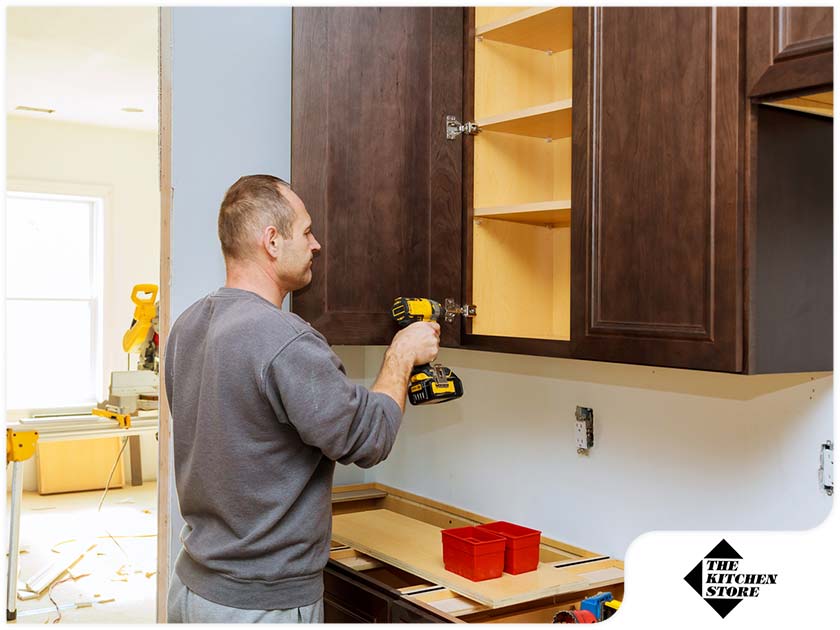
Image Source: www.thekitchenstore.net
Know How Much Weight Can Kitchen Cabinets Hold Safely
How much weight can kitchen cabinets hold safely? Most wall-mounted kitchen cabinets can hold between 150 to 600 pounds. This depends on many things. Base cabinets, which sit on the floor, can hold much more. They often support 600 pounds or more. The weight your cabinets can hold changes greatly. It depends on how they are made. It also depends on the materials used. How they are put in place also matters a lot. Knowing these limits helps keep your kitchen safe. It also makes your cabinets last longer.
Kitchen cabinets are key parts of any home. They hold our dishes, food, and cooking tools. But how much stuff can they truly hold? Every cabinet has a limit. Pushing past this limit can cause problems. It can lead to broken shelves. It might even cause cabinets to fall off the wall. This guide will help you learn about kitchen cabinet weight capacity. We will look at what makes cabinets strong. We will also share how to load them safely.
Grasping Cabinet Strength Basics
Knowing how cabinets are made helps you see their strength. Several things work together. They decide how much weight a cabinet can hold. It’s not just one thing. It’s a mix of parts.
Materials Used in Cabinet Making
The stuff cabinets are made from matters a lot. Different materials have different strengths.
- Solid Wood: This is very strong. Woods like maple, oak, or cherry are tough. They can hold a lot of weight. Solid wood cabinets are often the best choice for heavy items. They stand up well to stress.
- Plywood: Plywood is made of thin wood layers. These layers are glued together. Each layer faces a different way. This makes plywood very strong. It resists bending and cracking. Plywood is a good choice for kitchen cabinet construction weight. It is stronger than particle board or MDF.
- Medium-Density Fiberboard (MDF): MDF is made from wood fibers. These fibers are pressed together with glue. MDF is smooth. It is good for painted cabinets. But MDF is not as strong as plywood or solid wood. It can sag under heavy weight. It also does not like water.
- Particle Board: This is the least strong choice. It is made from wood chips. These chips are glued together. Particle board is cheap. But it breaks easily. It can sag a lot. It also swells if it gets wet. It is not good for heavy kitchen items.
Your cabinet’s core material sets its basic strength. Stronger materials mean more kitchen cabinet weight capacity.
Ways Cabinets Are Built
How a cabinet is put together also matters. The way joints are made affects strength.
- Framed Cabinets: These have a face frame. This is a solid wood frame on the front. It makes the cabinet box much stronger. The frame adds support. It helps spread out the weight. This boosts the cabinet shelving strength.
- Frameless Cabinets: These do not have a face frame. They rely on the box itself for strength. They use thicker materials for the box. This makes them look sleek. But their overall strength might be a bit less than framed ones. This is especially true for wall cabinet load limits.
- Dovetail Joints: These joints look like puzzle pieces. They are very strong. They are often used for drawer boxes. They make the drawers last a long time. They stop drawers from falling apart.
- Doweled or Screwed Joints: These are common. Dowels are wooden pegs. Screws are metal fasteners. They can be strong. But they depend on how many are used. They also depend on their placement. Good quality screws and enough of them are key.
Better construction means a stronger cabinet. It means higher maximum weight kitchen cupboards can hold.
How Cabinets Are Put In
The way cabinets are installed is very important. Even the strongest cabinet can fail. This happens if it is not put in correctly.
- Studs: Cabinets must be screwed into wall studs. Studs are the strong wooden beams inside your walls. They give solid support. Screwing into drywall alone is not safe. Drywall cannot hold much weight.
- Anchors: For places without studs, special anchors are needed. These are heavy-duty anchors. They spread the weight over a larger wall area. Toggle bolts are one type. They provide a strong hold. But always use studs first if you can.
- Number of Screws: More screws mean more holding power. Use enough screws to secure the cabinet. Follow the maker’s guide.
- Leveling: Cabinets must be level. If they are not level, weight is not spread out evenly. This can put stress on certain spots. It can make them weaker over time.
- Professionals: A pro installer knows how to do it right. They ensure cabinets are secure. This adds to the kitchen cabinet weight capacity. It keeps your home safe.
A good installation is vital. It is part of the overall safety of your cabinets.
Cabinet Hardware’s Role
The small parts on your cabinets also matter. These are cabinet hardware weight limits.
- Hinges: Hinges let doors open and close. Strong hinges hold the doors firmly. They also help keep the cabinet box stable.
- Drawer Slides: These let drawers pull out smoothly. Heavy-duty slides can hold more weight. They are vital for base cabinet weight support. They prevent drawers from sticking or breaking.
- Shelf Pins/Clips: These hold your shelves up. Metal pins are stronger than plastic ones. More pins per shelf are also better. They spread the load. This affects how much weight can kitchen shelves hold.
- Mounting Brackets: For wall cabinets, these brackets might be used. They must be strong. They must be rated for the weight they will hold.
Always use good quality hardware. It helps your cabinets last. It also helps them carry their load safely.
Wall Cabinet Load Limits: Keeping Things Up
Wall cabinets hang on your kitchen walls. They must be strong to hold items. They also need to stay up safely. Most wall cabinets can hold 150 to 600 pounds. This wide range comes from all the factors discussed earlier.
Average Wall Cabinet Limits
- Standard Wall Cabinets: A typical 30-inch wide wall cabinet can hold about 150-200 pounds. This is if it’s well-built and correctly installed.
- Larger Wall Cabinets: Wider or taller wall cabinets might hold more. But they also need stronger support. A 36-inch wide cabinet could hold up to 300 pounds. Again, this is with good construction and installation.
- Plywood vs. Particle Board: A plywood wall cabinet will hold more than a particle board one. Plywood handles the pull of gravity better.
- Shelf Limits: Each shelf inside a wall cabinet also has a limit. A single shelf might hold 15-50 pounds. This depends on its material and thickness. It also depends on the shelf pins. This is key for how much weight can kitchen shelves hold.
Risks of Overloading Wall Cabinets
Overloading wall cabinets is very risky.
- Sagging Shelves: The first sign might be shelves bending in the middle. This means they are carrying too much.
- Loose Hardware: Screws holding hinges or shelf pins might loosen. Doors might not close right.
- Cabinet Falling: The worst case is the cabinet pulling away from the wall. This can cause major damage. It is also very dangerous. It can hurt people. It can break items.
To keep wall cabinets safe, do not overload them. Distribute weight well.
Base Cabinet Weight Support: Holding the Heavy Stuff
Base cabinets sit on the floor. They support the countertop. They can hold much more weight than wall cabinets. This is because the floor supports their entire weight.
Typical Base Cabinet Capacity
- High Capacity: Base cabinets can often hold 600 pounds or more. Some can hold over 1000 pounds. This makes them ideal for heavy items.
- Countertop Weight: Remember, base cabinets also hold the countertop. A granite or quartz countertop is very heavy. This weight counts towards the total load.
- Drawer Capacity: Drawers in base cabinets often hold 50-100 pounds each. This depends on the drawer slides used. Heavy-duty slides boost this capacity. This is part of base cabinet weight support.
Ideal Storage for Base Cabinets
Base cabinets are perfect for heavy items.
- Pots and Pans: Cast iron pans are very heavy. Store them in lower cabinets.
- Small Appliances: Mixers, blenders, and food processors are heavy. Put them in base cabinets.
- Canned Goods: Cases of canned food add up fast. Store them low down.
- Dishware: Stacks of plates and bowls can be heavy. Place them in base cabinets.
Always put the heaviest items on the lowest shelves or in the lowest drawers. This keeps the weight low. It makes the cabinet more stable.
Pantry Cabinet Weight Capacity: Storing Bulk Safely
Pantry cabinets are often tall. They are designed to store lots of food. They can be very wide or narrow. Their weight capacity varies.
How Much a Pantry Can Hold
- Floor Supported: Many pantry cabinets are floor-to-ceiling units. Like base cabinets, the floor takes most of the weight. This means they can hold a lot.
- Shelf Design: Pantry shelves are often wider. They might need extra support. A strong pantry cabinet can hold many hundreds of pounds. This is if the shelves are sturdy.
- Adjustable Shelves: If shelves are adjustable, their support pins are key. Metal pins are better than plastic for pantry cabinet weight capacity.
Organizing for Optimal Pantry Use
- Heaviest Items Low: Store canned goods, bottled drinks, and root vegetables on the lowest shelves. This keeps the center of gravity low.
- Lighter Items Higher: Cereals, snacks, and lighter boxed goods can go on upper shelves.
- Even Distribution: Try to spread the weight out. Do not stack all heavy items in one spot on a shelf.
- Shelf Reinforcement: If you plan to store many heavy items, check the shelf thickness. Add extra supports if needed.
A well-organized pantry uses its space wisely. It also stays within safe limits.
Safely Loading Kitchen Cabinets: Best Practices
Knowing limits is one thing. Loading your cabinets the right way is another. Safely loading kitchen cabinets is key. It protects your cabinets. It also keeps your kitchen safe.
Distribute Weight Evenly
- Spread the Load: Do not put all heavy items in one corner. Distribute them across the entire shelf.
- Balance: If you have heavy items on one side, put something of similar weight on the other. This prevents twisting or uneven stress.
- Shelf by Shelf: Consider each shelf’s limit. Do not just think about the whole cabinet.
Place Heavy Items Down Low
- Base Cabinets First: Always use base cabinets for your heaviest items. This includes cast iron pots, large stacks of plates, and appliances.
- Lower Shelves in Wall Cabinets: If you must store heavy items in wall cabinets, use the lowest shelf. The lower the weight, the less strain on the mounting. This reduces the risk of wall cabinet load limits being exceeded.
- Pantry Lower Levels: For pantry cabinets, the same rule applies. Heaviest items should be on the bottom shelves.
Avoid Over-Stuffing
- Give Space: Do not cram items into cabinets. This puts extra pressure on shelves and doors.
- Easy Access: You should be able to get items out easily. If you struggle, the cabinet is too full.
- Clearance: Leave a little space above items. This prevents items from hitting the top of the cabinet when you close the door.
Use Proper Storage Aids
- Shelf Dividers: These help keep items neat. They also prevent items from shifting.
- Bins and Baskets: Use these for smaller items. They keep things organized. They also help distribute the weight of many small items.
- Pot Racks: If you have a separate pot rack, use it. This frees up cabinet space. It also reduces the load on your cabinet shelves.
By following these tips, you help your maximum weight kitchen cupboards last longer. You also ensure safety.
Cabinet Shelving Strength: A Closer Look
The shelves inside your cabinets are vital. Their strength directly affects how much weight can kitchen shelves hold.
Factors in Shelf Strength
- Material:
- Solid Wood: Very strong. Less likely to sag.
- Plywood: Strong and stable. A good choice.
- MDF: Can sag over time with heavy loads.
- Particle Board: Very prone to sagging. Not ideal for heavy items.
- Thickness: Thicker shelves are stronger. A 3/4-inch thick shelf is much stronger than a 1/2-inch thick one.
- Depth and Width: Wider and deeper shelves need more support. A long, thin shelf will sag more easily than a short, wide one of the same material.
- Support:
- Shelf Pins: Metal pins are stronger. Use at least four per shelf for stability.
- Cleats: Some shelves rest on wooden strips (cleats) glued to the cabinet sides. This is very strong.
- Center Supports: For very wide shelves, a middle support can prevent sagging. This could be a vertical divider.
Signs of Weak Shelves
- Bowing/Sagging: The most common sign. The shelf dips in the middle.
- Cracks: Small cracks might appear, especially near the edges or where pins sit.
- Loose Pins: Shelf pins might pop out or feel loose.
- Difficulty Moving Items: Items might not sit flat or might slide to the middle.
If you see these signs, lighten the load. Consider upgrading your shelves.
Recognizing Overloaded Cabinets: Warning Signs
Your cabinets often tell you if they are carrying too much. Pay attention to these signs. They mean you need to lighten the load or fix something.
- Doors That Don’t Close Properly: If doors are crooked or don’t shut tight, it might be due to stress. The cabinet box itself might be twisting. This is a common sign of exceeding maximum weight kitchen cupboards.
- Sagging Shelves or Drawer Bottoms: This is a clear sign. The shelf material is giving way under the weight.
- Cracks in Cabinet Walls or Joints: Look for cracks, especially where panels meet or at screw points. This shows the cabinet structure is under strain.
- Loose or Popping Screws: If screws holding the cabinet to the wall are coming loose, it’s very serious. Get help right away. This is a major sign of too much wall cabinet load limits being tested.
- Unusual Noises: Creaking or groaning sounds when opening a door or drawer can mean stress.
- Drawers Sticking or Not Gliding Smoothly: Overloaded drawers can cause slides to bend or break. This impacts base cabinet weight support.
- Visible Gaps: Gaps appearing between the cabinet and the wall or between cabinet boxes indicate shifting.
If you notice any of these, act fast. Take items out. Check the cabinet. Get professional advice if needed.
Boosting Cabinet Weight Capacity: Making Them Stronger
Sometimes, you need more strength from your cabinets. Here are ways to improve their kitchen cabinet weight capacity.
Reinforce Shelves
- Thicker Material: Replace existing shelves with thicker, stronger material. Use 3/4-inch plywood or solid wood. This greatly improves cabinet shelving strength.
- Add Shelf Pins: Use more shelf pins. Instead of four, use six or eight per shelf. This spreads the load better.
- Install Cleats: Add wooden cleats (strips of wood) along the sides under the shelves. These provide full-length support. They are very strong.
- Center Support: For very wide shelves, add a vertical support in the middle. This can be a small wooden divider.
Strengthen Cabinet Boxes
- Add Corner Braces: For base cabinets, add corner braces inside the cabinet. These reinforce the joints.
- Back Panel Reinforcement: If your cabinet has a thin back panel, add a thicker one. Screw it into studs for extra support. This helps wall cabinet load limits.
- Additional Blocking: For wall cabinets, add extra wood blocking inside the wall. This gives more places to screw the cabinet into.
Upgrade Hardware
- Heavy-Duty Drawer Slides: Replace old slides with those rated for higher weight. This boosts base cabinet weight support.
- Stronger Hinges: If hinges are old or flimsy, swap them for new, robust ones.
- Metal Shelf Pins: Change plastic shelf pins to metal ones. They are far stronger.
Professional Assistance
- Expert Assessment: If you are unsure, have a professional inspect your cabinets. They can spot weak points.
- Reinforcement Installation: A pro can install reinforcements safely and correctly.
- Re-Anchoring: If a wall cabinet feels loose, a pro can re-anchor it properly to studs.
By taking these steps, you can make your cabinets much stronger. This allows for more maximum weight kitchen cupboards can safely hold.
Cabinet Longevity: Caring for Your Kitchen Storage
Caring for your cabinets helps them last longer. It also keeps them strong and safe.
Regular Checks
- Look for Wear: Every few months, check your cabinets. Look for sagging shelves. Check for loose screws. See if doors or drawers stick.
- Test Firmness: Gently push on wall cabinets. They should feel very solid. No wobbling.
- Check Contents: Review what you store. Is it too much? Is it heavy?
Prompt Repairs
- Tighten Screws: If screws are loose, tighten them at once. Do not wait.
- Replace Damaged Parts: If a shelf sags or a hinge breaks, replace it. Do not use damaged parts.
- Address Water Damage: Water can weaken cabinet materials. Clean up spills right away. Fix any leaks fast.
Clean Gently
- Use Mild Cleaners: Harsh cleaners can damage cabinet finishes. Use gentle soap and water.
- Wipe Dry: Always dry cabinets after cleaning. This stops water damage.
Good care means your cabinets will keep holding your items safely for years. This maintains your kitchen cabinet weight capacity.
Key Factors for Cabinet Safety: A Summary
Knowing how much weight can kitchen cabinets hold means thinking about many things.
- Age of Cabinets: Older cabinets might be weaker. Materials can degrade. Joints can loosen.
- Type of Items Stored: Heavy items like cast iron, appliances, and canned goods add up fast. Lighter items are less of a concern.
- Purpose-Built Storage: Use cabinets for their intended purpose. Do not store very heavy tools in kitchen cabinets.
- Manufacturer’s Guidelines: If you have the original papers, check the maker’s weight limits. These are the best guides.
- When in Doubt, Ask a Pro: If you have any safety concerns, get expert help. It’s better to be safe than sorry.
Your kitchen cabinets work hard. They hold countless items. By knowing their limits and caring for them, you ensure a safe and organized kitchen. You make sure your how much weight can kitchen shelves hold safely. You also help all your cabinets perform at their best. From wall cabinet load limits to base cabinet weight support, every part counts. Safe loading and good care extend the life of your kitchen.
Frequently Asked Questions (FAQ)
How much weight can a standard kitchen shelf hold?
A typical kitchen shelf, depending on its material and thickness, can safely hold between 15 to 50 pounds. Thicker plywood or solid wood shelves can hold more. Particle board shelves hold less.
Can I put a microwave in an upper kitchen cabinet?
It depends on the cabinet’s strength and how it is installed. Many newer cabinets are built to hold the weight of a microwave. Check the cabinet’s specifications or consult a professional. Make sure it is securely anchored to wall studs.
What are the best materials for strong kitchen cabinets?
Solid wood and plywood are the strongest materials for kitchen cabinets. They offer the best kitchen cabinet weight capacity. They resist sagging and damage better than MDF or particle board.
How can I tell if my kitchen cabinet is overloaded?
Signs include sagging shelves, doors that don’t close right, visible cracks in the cabinet frame, or loose screws. Drawers might also stick or not glide smoothly.
Is it safe to store heavy appliances in upper cabinets?
It is not recommended to store very heavy appliances in upper cabinets. Upper cabinets have wall cabinet load limits. Heavy appliances like stand mixers or slow cookers are best stored in base cabinets or on sturdy countertops.
How much weight can kitchen shelves hold before breaking?
Shelves can often hold more than their safe limit before breaking. But they will sag and show signs of strain. Do not wait for a shelf to break. Lighten the load if you see any signs of stress.
How do I reinforce sagging kitchen shelves?
You can reinforce sagging shelves by replacing them with thicker, stronger material like 3/4-inch plywood. You can also add more shelf pins, use wooden cleats under the shelf, or add a center support for wide shelves.
Do older cabinets hold less weight than new ones?
Often, yes. Over time, wood can dry out, joints can weaken, and hardware can wear down. Older cabinets might have a lower kitchen cabinet weight capacity than new, well-built ones. Always check older cabinets for signs of weakness.