
Image Source: www.kitchenaid.com
How to Clean a KitchenAid Dishwasher Filter Step-by-Step
How often should you clean a KitchenAid dishwasher filter? You should clean your KitchenAid dishwasher filter every 1-3 months, or more often if you notice the dishwasher is not cleaning dishes well, is not draining properly, or if you frequently wash heavily soiled items.
A clean dishwasher filter is crucial for maintaining your KitchenAid dishwasher’s performance and longevity. Neglecting this simple maintenance task can lead to a variety of issues, from poorly cleaned dishes to more serious problems like a KitchenAid dishwasher not draining. This comprehensive guide will walk you through the process of cleaning your KitchenAid dishwasher filter, ensuring optimal KitchenAid dishwasher troubleshooting and effective dishwashing filter maintenance. We’ll cover everything from locating the filter to removing stubborn grime, making this the best way to clean dishwasher filter for anyone seeking to prolong their appliance’s life and efficiency.
Why Filter Cleaning Matters for Your KitchenAid Dishwasher
Your dishwasher’s filter is the unsung hero of its operation. It acts as a barrier, catching food particles, grease, and other debris before they can clog the spray arms, pump, or drain. When this filter becomes clogged, several problems can arise:
- Reduced Cleaning Performance: Food particles trapped in the filter can be recirculated, redepositing onto your dishes. This means less-than-clean plates, glasses, and cutlery.
- Odor Issues: Trapped food waste can begin to decompose, leading to unpleasant smells emanating from your dishwasher.
- Drainage Problems: A severely blocked filter will impede the flow of water, causing your KitchenAid dishwasher not to drain properly. This can leave standing water at the bottom of the tub.
- Pump Damage: Forcing water through a clogged filter puts extra strain on the dishwasher pump, potentially leading to premature wear and costly repairs. Cleaning a KitchenAid dishwasher pump filter is vital to prevent this.
- Internal Blockages: Over time, debris can bypass a clogged filter and accumulate in other parts of the dishwasher, such as the wash arms or the drain hose, causing more complex issues.
Regularly removing food particles from dishwasher filter is a proactive approach to maintaining KitchenAid dishwasher health and preventing these common problems.
Locating Your KitchenAid Dishwasher Filter
The exact location of your KitchenAid dishwasher filter can vary slightly depending on the model. However, it’s almost always found at the bottom of the dishwasher tub, beneath the lower spray arm.
Here’s how to find it:
- Open the Dishwasher Door: Pull the door fully open to access the interior.
- Remove the Lower Rack: Slide out the bottom dish rack. This usually involves lifting it slightly off its rollers and pulling it straight out. This gives you clear access to the tub floor.
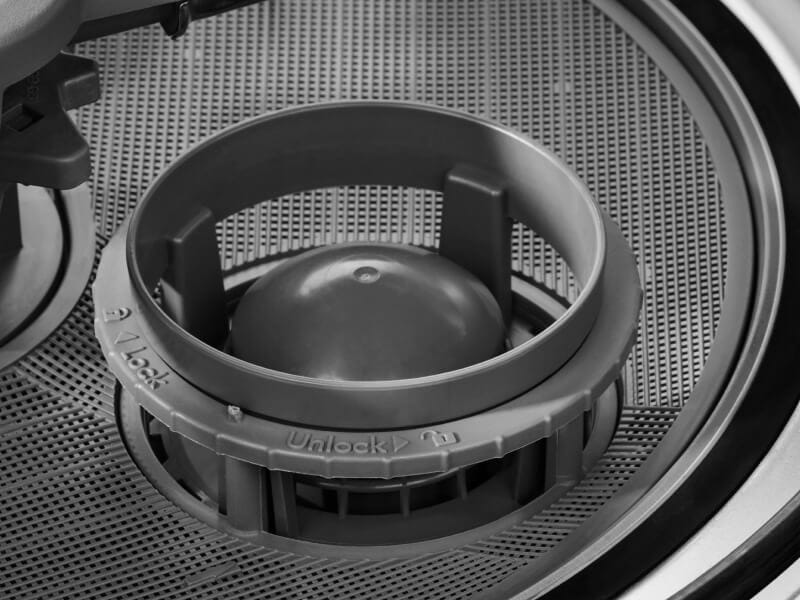
- Identify the Filter Assembly: Look for a cylindrical or cup-shaped component, often made of plastic with a mesh or perforated surface, situated in the center of the tub floor, directly below where the lower spray arm is mounted. It might be a single unit or a two-part system consisting of a coarse outer filter and a fine inner filter.
If you’re unsure about your specific model, consult your KitchenAid dishwasher’s user manual. You can usually find a digital version on the KitchenAid website by searching for your model number.
Step-by-Step Guide to Cleaning Your KitchenAid Dishwasher Filter
Once you’ve located the filter, follow these steps for thorough KitchenAid dishwasher debris removal:
Step 1: Removing the Filter Assembly
Most KitchenAid dishwasher filters are designed for easy removal.
- Twist and Lift: The filter assembly typically twists counter-clockwise to unlock. Once loose, it should lift straight out of its housing.
- Tip: Pay attention to the direction you’re twisting. Some filters have arrows indicating the unlock direction.
- Separate Components (if applicable): If your filter is a two-part system, gently separate the fine filter from the coarse outer filter. They often snap or twist apart.
Step 2: Rinsing and Removing Loose Debris
This is the initial KitchenAid dishwasher debris removal step.
- Under Running Water: Take the filter assembly (and its parts) to your kitchen sink.
- Rinse Thoroughly: Rinse both parts under warm running water. Use your fingers or a soft brush to gently dislodge any visible food particles, grease, or debris.
- For Coarse Filter: Hold it under the water and let the water flow through the mesh, pushing debris out.
- For Fine Filter: Hold it at an angle and rinse, ensuring water flows through all the small openings.
Step 3: Scrubbing for a Deeper Clean
For more stubborn grime and grease, a gentle scrub is necessary.
- Use a Soft Brush: A soft-bristled brush (like an old toothbrush or a vegetable brush) is ideal. Avoid abrasive scrubbers like steel wool, as they can damage the filter material.
- Mild Dish Soap: Apply a small amount of mild dish soap to the brush.
- Gentle Scrubbing: Gently scrub all surfaces of the filter, paying close attention to any caked-on food or greasy buildup. Ensure you get into all the nooks and crannies.
- This is particularly important for removing food particles from dishwasher filter that might be stuck in the mesh.
- Rinse Again: After scrubbing, rinse the filter parts thoroughly under warm running water to remove all soap residue and loosened debris.
Step 4: Dealing with Stubborn Buildup (Optional but Recommended)
If rinsing and scrubbing aren’t enough, consider these methods:
- Vinegar Soak: For mineral deposits or tough grease, soak the filter parts in a solution of equal parts white vinegar and warm water for about 30 minutes. Vinegar is a natural degreaser and descaler. After soaking, scrub gently again and rinse thoroughly.
- Baking Soda Paste: For very stubborn spots, you can create a paste of baking soda and water. Apply it to the affected areas, let it sit for a few minutes, then gently scrub and rinse.
Step 5: Cleaning the Filter Housing
While the filter is out, it’s a good opportunity to clean the area where it sits.
- Wipe Down: Use a damp cloth or sponge to wipe out the filter housing at the bottom of the dishwasher tub.
- Check for Debris: Ensure no food particles or debris are left behind in the housing itself. This area can sometimes accumulate larger food scraps.
Step 6: Reassembling and Reinstalling the Filter
Proper reassembly is key to ensuring the filter works effectively.
- Reassemble (if separated): If you have a two-part filter, snap or twist the fine filter back into the coarse outer filter. Ensure it’s securely fitted.
- Place Back in Housing: Align the filter assembly with its housing in the dishwasher tub.
- Twist to Lock: Push the filter down gently and twist it clockwise until it locks into place. You should feel or hear a click, or it should feel snug and secure.
- Crucial: Make sure the filter is locked correctly. An improperly seated filter can lead to debris entering the pump system.
Step 7: Replacing the Lower Rack
- Slide Back: Carefully slide the lower dish rack back into its position in the dishwasher.
How Often Should You Clean Your KitchenAid Dishwasher Filter?
As mentioned earlier, the frequency of cleaning depends on your usage. A good rule of thumb is:
- Every 1-3 Months: For typical household use.
- Monthly: If you have a large family, run the dishwasher daily, or frequently wash heavily soiled items (e.g., pots and pans with baked-on food).
- When You Notice Issues: If you observe any of the problems mentioned earlier (poor cleaning, odors, KitchenAid dishwasher not draining), it’s time to check and clean the filter immediately.
Consistent dishwasher filter maintenance is the easiest way to prevent most common dishwasher issues.
Common KitchenAid Dishwasher Troubleshooting Related to the Filter
A dirty filter is often the culprit behind common dishwasher woes. If you’re experiencing any of these, checking and cleaning your filter should be your first step in KitchenAid dishwasher troubleshooting:
KitchenAid Dishwasher Not Draining
This is a classic symptom of a clogged filter. When food particles and debris block the filter, they also obstruct the flow of water out of the tub. Cleaning a KitchenAid dishwasher pump filter is essential in resolving this.
Troubleshooting Steps:
- Clean the Filter: Follow all the steps outlined above.
- Check the Drain Hose: If cleaning the filter doesn’t solve the problem, the issue might be further down the line. Ensure the drain hose isn’t kinked or blocked. You might need to disconnect it and check for blockages.
- Inspect the Drain Pump: If the hose is clear, the drain pump itself might be clogged or malfunctioning. This is a more complex repair that might require a service technician.
Dishes Not Getting Clean
If your dishes are coming out with food residue, a dirty filter is a prime suspect.
Troubleshooting Steps:
- Clean the Filter: Ensure all food particles are removed.
- Check Spray Arms: Make sure the spray arms aren’t clogged with debris and can rotate freely.
- Proper Loading: Ensure you’re not overcrowding the dishwasher, which can block water flow.
- Water Temperature: Verify your hot water supply is adequate.
Unpleasant Odors
Trapped food particles decaying in the filter are a common source of bad smells.
Troubleshooting Steps:
- Clean the Filter: Thoroughly clean the filter and housing.
- Run a Cleaning Cycle: After cleaning the filter, run an empty hot cycle with a dishwasher cleaner or a cup of white vinegar in the detergent dispenser to freshen the interior.
Tips for Effective Dishwasher Filter Cleaning
- Be Gentle: While you want to remove all debris, avoid rough handling that could damage the filter mesh or plastic components.
- Regularity is Key: Don’t wait for a problem to occur. Make filter cleaning a part of your routine maintenance.
- Use the Right Tools: A soft brush is your best friend here.
- Consult Your Manual: For model-specific instructions, always refer to your KitchenAid dishwasher’s user manual.
Table: Cleaning Frequency and Potential Issues
| Cleaning Frequency | Potential Issues if Not Cleaned |
|---|---|
| Every 1-3 Months | Poor wash performance, lingering odors, minor drainage slowdowns. |
| Monthly (Heavy Use) | Significant food debris on dishes, standing water after cycle, strong unpleasant odors, potential pump strain. |
| As Needed (Issues) | Immediate resolution of KitchenAid dishwasher not draining or poor cleaning. |
Frequently Asked Questions (FAQ) About KitchenAid Dishwasher Filters
Q1: Can I run my KitchenAid dishwasher without the filter?
A1: No, you should never run your KitchenAid dishwasher without the filter. The filter is essential for protecting the pump and internal components from food debris. Running it without a filter can cause significant damage and lead to costly repairs.
Q2: My KitchenAid dishwasher filter looks like it’s made of plastic mesh. Is that normal?
A2: Yes, the filter is typically made of durable plastic with a fine mesh. This mesh is designed to catch even small food particles while allowing water to pass through.
Q3: What if I can’t remove the filter?
A3: If the filter is stuck, don’t force it. Double-check your dishwasher manual for specific removal instructions for your model. Sometimes, a bit of wiggling or a different twisting angle is needed. If it still won’t budge, contact KitchenAid customer support or a qualified appliance repair technician.
Q4: Can I use bleach to clean the filter?
A4: It’s generally not recommended to use bleach on your dishwasher filter. Bleach can degrade some plastic and mesh materials over time. Mild dish soap and white vinegar are safer and effective cleaning agents.
Q5: How do I know if my filter needs cleaning beyond the regular schedule?
A5: You’ll know your filter needs attention if you notice any of these signs:
* Dishes are not coming out clean.
* There’s standing water at the bottom of the tub after a cycle.
* Your dishwasher is making unusual noises.
* A musty or foul odor is coming from the dishwasher.
* The wash cycle seems to take longer than usual.
By regularly cleaning your KitchenAid dishwasher filter, you are investing in the efficiency, longevity, and overall performance of your appliance. It’s a simple task that prevents a cascade of potential problems, ensuring your KitchenAid dishwasher continues to deliver sparkling clean dishes for years to come. Mastering removing food particles from dishwasher filter is a key skill for any homeowner with a KitchenAid dishwasher.