
What is the best way to cool an outdoor kitchen? The best approach combines several methods, like adding shade, boosting airflow, and using misting or evaporative cooling. Can I really make my outdoor kitchen comfortable in summer? Yes, absolutely! With the right tools and planning, your outdoor kitchen can stay cool and pleasant even on hot days. How do outdoor kitchen cooling solutions work?** They work by blocking sunlight, moving air, or using water to remove heat from the air, making your cooking and dining space much more enjoyable.
Outdoor kitchens offer a fantastic way to enjoy cooking and entertaining outdoors. But the summer sun and cooking heat can turn your dream kitchen into a sauna. This makes using it uncomfortable, especially when you want to relax and cook. No one likes sweating over a hot grill. Making your outdoor kitchen a cool, enjoyable spot is key to using it all year round. We will explore many ways to help your outdoor kitchen beat the heat. We will look at smart designs and helpful gadgets. This guide offers top-notch advice for creating comfortable heat reduction open-air kitchens. It helps you enjoy your backyard kitchen more, no matter how hot it gets.
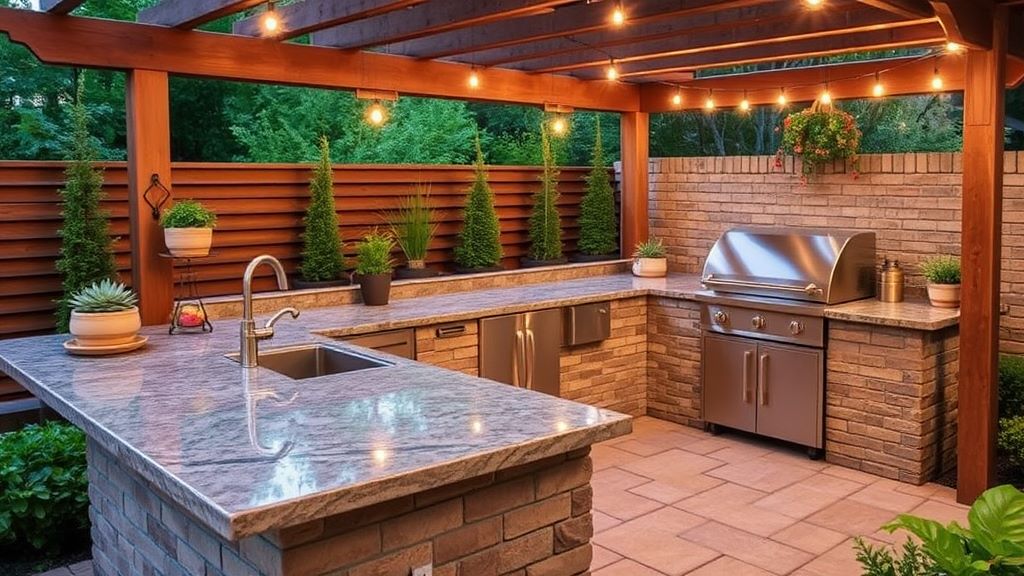
Image Source: gwsmasonry.com
The Challenge of Heat in Outdoor Kitchens
Open-air kitchens face unique heat problems. They get heat from two main sources. First, the sun shines directly on them. This heats up surfaces and the air. Second, cooking appliances like grills and ovens make their own heat. This adds to the already warm air. When these two heat sources combine, your outdoor kitchen can become very hot. This makes it hard to cook or relax. High temperatures can spoil your fun. They can also make food spoil faster. Finding good outdoor kitchen cooling solutions is a must for comfort and safety.
Pillars of Cooling: A Complete Plan
To make your outdoor kitchen cool, we use three main ideas. Each one tackles heat in a different way.
1. Shade: This blocks the sun’s rays. It stops heat before it even reaches your space.
2. Airflow: This moves hot air away and brings in cooler air. It makes the area feel breezy and fresh.
3. Evaporation/Misting: This uses water to cool the air. As water turns into vapor, it takes heat with it.
Combining these methods gives you the best results. It turns a hot space into a cool outdoor haven.
Creating Comfort with Shade Structures
Shade is your first line of defense against heat. It stops the sun’s harsh rays from hitting your kitchen. Good shade helps with heat reduction open-air kitchens a lot. It keeps surfaces from getting too hot. It also makes the air feel cooler.
Permanent Shade Structures
These structures are built to last. They offer steady shade and can become a main part of your outdoor design.
Pergola Design for Kitchen Shade
Pergolas are popular for outdoor kitchens. They have an open roof with beams. You can add covers to these beams for more shade.
* Materials:
* Wood: Wood pergolas look warm and natural. Cedar and redwood are good choices. They resist rot and bugs.
* Metal: Aluminum or steel pergolas are strong and need little care. They can have a sleek, modern look.
* Roof Options:
* Louvered Roofs: These have slats that you can open or close. You control how much sun or shade you get. They are great for changing weather.
* Retractable Covers: These fabric covers pull back when you want sun. You can extend them for full shade. They give you flexibility.
* Solid Roofs: A solid roof provides full shade and rain protection. It turns your pergola into a true outdoor room. It can be made of polycarbonate or insulated panels.
* Shade Sails: These fabric sails stretch over your pergola. They block UV rays and add a modern touch.
* Integrating Plants: Growing vines on your pergola adds beauty and more shade. Plants like wisteria or grapevines create a living roof. They also help cool the air naturally.
Gazebos and Pavilions
Gazebos and pavilions offer full roof coverage. They give excellent shade and shelter from rain.
* Benefits: They create a defined outdoor room. They are very sturdy. They can include lighting and fans easily.
* Types: Gazebos often have octagonal or round shapes with open sides. Pavilions are usually rectangular with a solid roof and posts.
Fixed Awnings
Awnings attach to your house or a separate structure. They extend over your outdoor kitchen area.
* Benefits: Awnings are a simple way to add shade. They can be very effective. They come in many colors and styles.
* Materials: Fabric awnings are common. They are often made of strong, fade-resistant acrylic. Metal awnings offer long-term durability.
Temporary and Flexible Shade Options
These options give you shade when you need it. You can move them or put them away easily.
- Large Patio Umbrellas:
- Cantilevered Umbrellas: These have a side post. This means the pole is not in your way. They can cover large areas. You can often tilt or rotate them.
- Market Umbrellas: These have a central pole. They are good for smaller spaces or tables. They come in many sizes.
- Shade Sails: These are fabric sheets stretched between anchor points. They create very modern and artistic shade.
- Different Shapes: They come in triangles, squares, or rectangles. You can overlap them for more shade.
- UV Protection: Most shade sails block a high percentage of harmful UV rays.
- Portable Canopies: These are frame structures with fabric tops. You can set them up quickly for parties. They are easy to take down and store.
Here is a table to compare different shade structures:
| Shade Structure Type | Benefits | Considerations | Ideal Use Case |
|---|---|---|---|
| Pergola | Stylish, customizable, supports vines | Partial shade unless covered, needs design | Integrated backyard kitchen design |
| Gazebo/Pavilion | Excellent shade, strong, defined space | Larger footprint, more permanent | Dedicated outdoor dining/cooking zone |
| Fixed Awning | Simple, effective, attached to house | Less flexible, may need professional install | Small to medium outdoor kitchens near home |
| Patio Umbrella | Flexible, portable, various sizes | Needs a base, may not cover large areas | Casual cooking, quick shade for specific spots |
| Shade Sail | Modern look, good UV block, versatile | Needs anchor points, may not block all rain | Contemporary outdoor kitchens, unique design |
| Portable Canopy | Easy setup, temporary, good for events | Less durable, not for permanent use | Event-based outdoor cooking, temporary shade |
Improving Airflow for a Cooler Space
Moving air helps a lot to cool down an area. It sweeps away hot, still air. This makes the space feel much cooler. Good outdoor kitchen airflow improvement is vital for comfort. It makes backyard kitchen comfort tips truly work.
Outdoor Kitchen Ventilation Fans
Fans do more than just move air. They can also create a breeze that helps sweat evaporate from your skin, making you feel cooler.
- Types:
- Ceiling Fans: If your outdoor kitchen has a roof or pergola, an outdoor-rated ceiling fan is great. They push air down, creating a wide cool zone.
- Wall-Mounted Fans: These attach to a wall or post. They are good for directing airflow to specific spots.
- Pedestal Fans: These are portable and can be moved where needed. They offer flexible cooling.
- Placement and Effectiveness: Place fans where they can move air across the cooking and dining areas. For ceiling fans, center them over the main activity zone. Wall-mounted fans work best across from each other to create cross-breezes.
- Industrial vs. Residential Fans: Industrial-style fans are stronger. They move more air. They are good for very large or hot spaces. Residential fans are quieter and often more stylish for smaller home kitchens. Outdoor kitchen ventilation fans are a must-have for summer comfort.
Strategic Landscaping for Airflow
Nature can help cool your kitchen too. Smart plant choices can create shade and direct breezes.
- Trees for Natural Shade and Airflow: Deciduous trees lose leaves in winter. They provide shade in summer when you need it most. In winter, they let sun through. Plant them so they shade your kitchen during the hottest part of the day. Their leaves also cool the air around them.
- Shrubs and Hedges (Avoiding Blockage): Low shrubs can define spaces. But avoid tall, dense hedges too close to your kitchen. They can block air movement. Choose plants that allow air to flow through freely.
Open Design Principles
The design of your outdoor kitchen itself affects airflow.
- Ensuring Natural Cross-Breeze: When planning your kitchen, think about wind direction. Position open sides to catch prevailing breezes. Avoid building solid walls that trap hot air.
- Avoiding Walls that Block Air: Keep walls low or use permeable materials like decorative screens. This allows air to move freely through the space. An open layout is key for good outdoor kitchen airflow improvement.
Leveraging Evaporation for Cooling
Evaporation is a powerful way to cool air. When water changes from liquid to gas, it takes heat with it. This process makes the air cooler. This is why evaporative coolers for patios and patio misting systems are so effective.
Patio Misting Systems
Misting systems spray a very fine mist of water into the air. This mist evaporates almost instantly. As it evaporates, it cools the surrounding air.
- How They Work: Tiny nozzles release water droplets. These droplets are so small they disappear into the air fast. The heat in the air provides the energy for this change. This lowers the air temperature.
- Types:
- Low-Pressure Systems: These connect directly to a garden hose. They produce a coarser mist. They are affordable and easy to install. They might make surfaces slightly damp.
- Mid-Pressure Systems: These use a small pump to increase water pressure. They create a finer mist than low-pressure systems. They cool more effectively with less wetting.
- High-Pressure Systems: These use powerful pumps to create very high pressure. They produce an ultra-fine “flash evaporation” mist. This mist evaporates almost instantly. It offers the most cooling with minimal wetness. These are the best patio misting systems for serious cooling.
- Installation Tips:
- Place nozzles strategically around the perimeter of your outdoor kitchen.
- Angle nozzles away from cooking surfaces to prevent water on grills.
- Use a filter to prevent clogs in the nozzles.
- Consider a timer for automatic operation.
- Benefits and Considerations (Humidity): Misting systems can drop temperatures by 10-20 degrees Fahrenheit. They are very effective in dry climates. In humid climates, they might make the air feel muggy if the mist doesn’t evaporate quickly. Choose high-pressure systems for humid areas to avoid excess moisture.
Evaporative Coolers for Patios (Swamp Coolers)
Evaporative coolers, also called swamp coolers, draw in hot air. They pass it over water-soaked pads. The water evaporates, cooling the air. Then, the cooler, moist air blows out.
- How They Differ from Misting Systems: Misting systems spray water directly into the air. Evaporative coolers cool air by drawing it through wet pads. Misters add humidity to the immediate space. Evaporative coolers add humidity to the air they push out.
- Best for Dry Climates: Evaporative coolers work best in dry climates. Low humidity allows for more evaporation. In humid areas, they become less effective. They can even make the air feel more humid and uncomfortable.
- Portable Outdoor Cooling Units vs. Fixed:
- Portable Units: These are on wheels. You can move them around as needed. They are easy to use. Just fill them with water and plug them in. Many are quite powerful.
- Fixed Units: These are installed permanently. They can be ducted to cool larger areas. They require professional installation.
- Maintenance: Evaporative coolers need regular cleaning of water reservoirs and pads. This stops mold growth and keeps them working well. Water quality can affect how often you need to clean them.
Here is a table comparing misting systems and evaporative coolers:
| Feature | Patio Misting Systems | Evaporative Coolers for Patios |
|---|---|---|
| How it Cools | Sprays fine water mist directly into air | Blows air over water-soaked pads |
| Best Climate | Very effective in dry climates, less in humid | Very effective in dry climates only |
| Humidity Added | Adds some humidity to the air | Adds more humidity to the air |
| Temperature Drop | Can drop 10-20°F or more | Can drop 15-25°F or more |
| Installation | DIY friendly to professional for high-end | Portable or fixed, some DIY, some professional |
| Water Usage | Moderate to high, depending on pressure | Moderate to high |
| Maintenance | Nozzle cleaning, pump check | Pad replacement, reservoir cleaning |
| Wetting Risk | Possible with low-pressure, minimal with high | None, as air is cooled before blowing |
Holistic Outdoor Kitchen Cooling Solutions
No single solution works perfectly for every outdoor kitchen. The best approach often mixes different methods. This creates a powerful cooling effect. By combining shade, airflow, and evaporation, you can build truly effective heat reduction open-air kitchens.
- Blending Shade, Airflow, and Misting:
- Hot & Humid Climate: Start with excellent shade, like a solid pergola or pavilion. Add powerful outdoor kitchen ventilation fans (ceiling or wall-mounted) to create a strong breeze. Use high-pressure patio misting systems sparingly, only when temperatures are highest, to avoid adding too much humidity.
- Hot & Dry Climate: Focus on heavy shade and high-pressure misting systems or evaporative coolers for patios. Fans will still help to move the cooled air around efficiently.
- Importance of Planning: Think about your climate, your kitchen layout, and how you use the space. Plan your cooling solutions from the start for the best results. Good planning makes backyard kitchen comfort tips actually work.
Advanced Tactics for Enhanced Comfort
Beyond the main cooling methods, smart choices in design and technology can further boost your comfort.
- Smart Home Integration: Connect your misting systems, fans, and retractable awnings to a smart home system. You can then control them with your phone or set them to turn on automatically based on temperature or time of day. This provides effortless outdoor kitchen cooling solutions.
- Insulated Roofing for Permanent Structures: If you have a solid roof on your pergola or pavilion, choose insulated panels. These panels block heat transfer better than simple metal or plastic sheets. This keeps the space below cooler.
- Cool Paving Materials: Dark paving materials absorb a lot of heat. They then radiate it back into your kitchen space. Choose lighter-colored paving stones, concrete, or permeable pavers. These reflect more sunlight and stay cooler.
- Lighting That Doesn’t Add Heat: Old incandescent bulbs produce a lot of heat. Switch to LED lighting. LEDs are energy-efficient and produce very little heat. This helps keep your outdoor kitchen comfortable in the evenings. These small outdoor kitchen comfort tips add up to big results.
Preserving Your Cooling Investments
Once you have your cooling systems in place, good care is important. Regular maintenance keeps everything working well and makes it last longer.
- Regular Cleaning of Fans and Misting Nozzles: Dust and dirt can build up on fan blades. This can reduce their efficiency. Clean them often. Misting nozzles can get clogged with mineral deposits from water. Use a cleaner or vinegar solution to clear them out.
- Checking Shade Structures for Wear: Inspect your pergolas, awnings, and umbrellas regularly. Look for loose bolts, frayed fabrics, or damaged parts. Fix small issues before they become big problems.
- Winterizing: If you live in a cold climate, prepare your systems for winter. Drain misting lines to prevent freezing and cracking. Store portable fans and umbrellas indoors. Cover permanent structures if needed.
Conclusion
Creating a cool and inviting outdoor kitchen means tackling the heat head-on. By using smart shade structures, boosting airflow with outdoor kitchen ventilation fans, and leveraging the power of evaporative cooling with patio misting systems or evaporative coolers for patios, you can transform your space. Remember that good pergola design for kitchen shade, along with other backyard kitchen comfort tips, can make a huge difference.
No matter your climate, there’s a solution, or likely a mix of solutions, waiting for you. Investing in these outdoor kitchen cooling solutions helps you enjoy your outdoor living area to the fullest, all year round. Embrace the comfort and make your open-air kitchen a true oasis, even on the hottest days.
Frequently Asked Questions (FAQ)
Q1: What are the most effective outdoor kitchen cooling solutions?
The most effective solutions often combine shade (like pergolas or awnings), strong airflow (with outdoor kitchen ventilation fans), and evaporative cooling (patio misting systems or evaporative coolers). Blending these methods gives the best results.
Q2: Can patio misting systems really lower the temperature significantly?
Yes, patio misting systems can lower temperatures by 10-20 degrees Fahrenheit. They work best in dry climates where the mist can evaporate quickly. High-pressure systems are more effective and cause less wetness.
Q3: Are evaporative coolers for patios better than misting systems?
It depends on your climate. Evaporative coolers work wonderfully in very dry climates, potentially lowering temperatures more than misters and adding less humidity to the immediate space. However, they are not effective in humid climates. Misting systems are more versatile but still perform best in lower humidity.
Q4: How much do outdoor kitchen ventilation fans help?
Outdoor kitchen ventilation fans help a lot. They create a breeze that moves hot, stagnant air away. This makes the space feel cooler and more comfortable by helping sweat evaporate from your skin. They are especially helpful when combined with other cooling methods.
Q5: Is pergola design for kitchen shade sufficient on its own?
A pergola provides good shade and is a great start. However, on its own, it may not be enough for extreme heat. A basic pergola offers partial shade. For full cooling, you often need to add a solid or retractable cover to the pergola. Also, combining it with fans or misting systems will make the space much more comfortable.