
Kitchen cuts are common. But you can avoid them. The best way to prevent cuts is to use sharp knives correctly. Also, make sure your cutting surface is steady. You can prevent almost all kitchen cuts by following simple safety rules. This guide will show you how. We will cover kitchen knife safety, safe chopping techniques, and more. It helps you keep your hands safe while cooking.
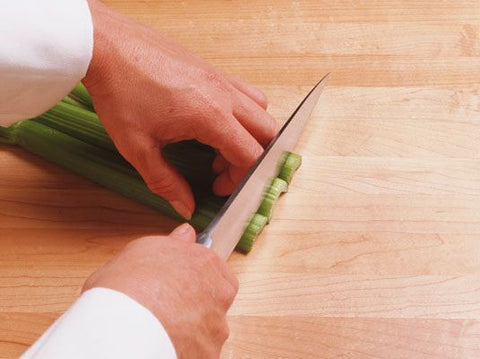
Image Source: cdn.shopify.com
Picking Safe Kitchen Tools
Using the right tools is the first step. Good tools help you stay safe. They make your cooking easier too.
Choosing the Right Knives
A sharp knife is a safe knife. This might sound strange. But dull knives need more force to cut. This extra force makes them slip easily. When a dull knife slips, it can cause a bad cut. A sharp knife cuts through food with less effort. It goes where you want it to go. This makes cutting much safer.
- Have a few good knives: You do not need many knives. A chef’s knife, a paring knife, and a serrated knife are a good start.
- Hold knives correctly: The handle should feel good in your hand. Your grip should be firm. It should not be too tight.
- Check the blade: Look for chips or cracks. Do not use damaged knives.
Safe Cutting Boards
Your cutting board is as important as your knife. A stable cutting board prevents slips. A slipping board can lead to serious cuts.
- Size matters: Use a board big enough for your food. There should be room to cut without food falling off.
- Material choices: Wood, bamboo, and plastic are common. Each has pros and cons.
- Wood/Bamboo: Good for knives. They can harbor germs if not cleaned well.
- Plastic: Easy to clean. Can get deep grooves that hold germs.
- Prevent slipping: This is key for cutting board stability.
- Place a damp cloth or paper towel under your board. This stops it from sliding.
- Some boards have rubber feet. These also help stop movement.
Getting Cut-Resistant Gloves
For extra protection, consider cut-resistant gloves. These gloves are not cut-proof. But they greatly reduce the risk of injury. They are good for new cooks. They are also helpful when doing tricky tasks. Think about slicing with a mandoline. Or when you are cutting tough foods.
- Material: Most are made from high-strength materials. Examples include Dyneema or Kevlar.
- Fit: Make sure they fit well. A glove that is too big can make tasks harder. It can even be a hazard.
- Care: Wash them as directed. Keep them clean for food safety.
Other Useful Gadgets
Some kitchen tools come with safety features. These can lower your risk of cuts.
- Mandoline slicers: These make thin, even slices. But they are very dangerous. Always use the food guard that comes with it. Never use your bare hands.
- Food holders: Some tools have spikes or prongs. They hold food in place for you. This keeps your fingers away from the blade.
- Julienne peelers: These peelers can create thin strips. Use them slowly and carefully. Point the blade away from your body.
Mastering Knife Skills
Learning how to use a knife well is very important. Good skills mean fewer accidents. They make you a faster cook too. This section focuses on proper knife handling and safe chopping techniques.
Grasping Proper Knife Handling
How you hold the knife affects everything. A good grip gives you control. It makes cutting easier and safer.
- The Pinch Grip: This is the best way to hold most chef’s knives.
- Pinch the blade with your thumb and forefinger. Do this just in front of the handle.
- Wrap your other fingers around the handle.
- This grip gives you more control over the blade. It makes the knife feel like an extension of your arm.
- The Handle Grip: This is more common for smaller knives. Or for tasks where less precision is needed.
- Wrap all fingers around the handle.
- Make sure your grip is firm. But not so tight that your hand gets tired.
- Blade direction: Always cut away from your body. Or cut into a stable surface. Never cut towards your hand or fingers.
Deciphering Safe Chopping Techniques
There are special ways to hold food. These ways keep your fingers safe from the blade. This is a key part of safe chopping techniques.
- The Claw Grip: This is the most important technique for safety.
- Curl your non-dominant hand into a claw shape.
- Place your knuckles against the side of the blade.
- Your fingertips are tucked under. They are safe from the knife.
- As you cut, slide your knuckles back along the blade. The blade acts as a guide.
- This protects your fingers. It stops them from being in the knife’s path.
- The Guiding Hand: Your non-cutting hand holds the food. It also guides the knife.
- Keep your fingers tucked back in the claw grip.
- Move the food slowly and carefully.
- Let the knife do the work. Do not force it.
- Slicing vs. Chopping:
- Slicing: Use a smooth, forward and down motion. Then pull the blade back. This motion uses the whole blade. It makes clean cuts. It is safer than just pushing down.
- Chopping: For chopping, raise the knife. Bring it down firmly. Make sure your guiding hand is in a safe position. The claw grip is a must here.
- Keep your eye on the cut: Pay attention to what you are doing. Do not look away.
- Slow down: Rushing causes mistakes. Take your time. Speed comes with practice.
Blade Safety Tips for Every Cut
Beyond technique, some general rules help. These are vital blade safety tips.
- Focus on the task: Do not get distracted. Put your phone away. Avoid talking loudly.
- One cut at a time: Do not try to cut too much at once. Cut in small, manageable pieces.
- Use the right knife for the job: A paring knife is for small tasks. A chef’s knife is for bigger jobs. Do not use a small knife for a large vegetable. Do not use a large knife for delicate work.
- Never try to catch a falling knife: Let it fall. You can replace a knife. You cannot replace fingers. Step back and let it hit the floor.
- Clean as you go, carefully: Wipe blades clean right away. Do it carefully, pointing the blade away from you. Do not let food dry on the blade. This makes cleaning harder and more dangerous.
Working with Tricky Foods
Some foods are harder to cut safely. They can roll. Or they can be very tough.
- Round foods: Onions, potatoes, tomatoes, and apples can roll. Cut a thin slice off one side first. This creates a flat, stable base. Then you can cut the rest safely.
- Hard squash: Winter squash like butternut or pumpkin are tough.
- Use a very sharp, sturdy knife. A chef’s knife is best.
- Start by cutting the squash in half. You can microwave it for a few minutes first. This softens the skin.
- Use a sturdy cutting board. Ensure cutting board stability.
- Hold the squash firmly with your claw grip.
- Small foods: Garlic cloves, small chilies. Use a paring knife. Or crush garlic first to flatten it. Then chop.
Keeping Knives Sharp and Safe
A sharp knife is key for safety. Dull knives are dangerous. Learning to sharpen them safely is important. This is part of sharpening kitchen knives safely.
The Value of a Sharp Knife
A sharp knife cuts cleanly. It slices through food with little effort. This means less force is needed from you. Less force means less chance of the knife slipping. It means less strain on your hand. And it means cleaner cuts for your food. This prevents jagged edges. It also keeps your food looking better.
Sharpening Kitchen Knives Safely
Knives get dull with use. They need regular sharpening. There are a few ways to do this.
- Using a Sharpening Steel (Honing Steel):
- A honing steel does not sharpen the knife. It realigns the tiny edge of the blade. This edge gets bent with use.
- How to use: Hold the steel upright on a stable surface. Hold the knife at a 20-degree angle to the steel. Slide the knife down and across the steel. Alternate sides. Do this 5-10 times per side.
- Safety Tip: Always point the blade away from your body. Keep your fingers clear.
- Using a Whetstone:
- A whetstone (or sharpening stone) actually sharpens the blade. It grinds away metal. This creates a new, sharp edge.
- How to use: Soak the stone first if it is a water stone. Place it on a damp cloth to keep it stable. Hold the knife at a consistent angle (usually 15-20 degrees). Push and pull the blade across the stone. Use gentle, even pressure. Work both sides of the blade.
- Safety Tip: Watch your fingers. Keep them away from the edge. Use slow, controlled movements. It takes practice to get good at this.
- Professional Sharpening:
- If you are not comfortable sharpening yourself, get it done professionally. Many kitchen stores or hardware stores offer this service.
- Why choose it: They have special tools and skills. They can restore a very dull or damaged blade.
Caring for Your Blades
Proper care keeps your knives sharp longer. It also protects you.
- Wash by hand: Do not put good knives in the dishwasher. Dishwashers can dull blades. They can also damage handles. Wash knives right after use with soap and water.
- Dry immediately: Water can cause rust. Dry your knives right away. Use a towel. Wipe the blade carefully, away from the sharp edge.
- Store them properly: This is vital for knife storage safety. Do not just throw knives in a drawer. They can hit each other and dull. They can also cut you when you reach in.
- Knife blocks: A classic way to store knives. They keep blades safe and organized.
- Magnetic strips: Mount on the wall. They save counter space. Make sure knives are placed firmly. They should not fall off easily.
- In-drawer trays: Keep blades separated and protected in a drawer.
- Blade guards: Plastic or felt guards cover individual blades. Good for storing knives in a drawer or for travel.
Setting Up a Safe Kitchen Space
Your kitchen setup matters. A messy or poorly lit kitchen increases risk. Good setup helps with food preparation safety.
Ensuring Cutting Board Stability
We talked about this earlier, but it is worth stressing. A wobbly cutting board is a huge danger.
- The damp towel trick: Always put a damp paper towel or non-slip mat under your board. This simple step makes a big difference.
- Rubber feet: Some cutting boards come with rubber feet. Check if yours does. If not, consider adding them.
- Work on a flat surface: Make sure your countertop is flat and steady.
Knife Storage Safety
This is a critical part of kitchen injury prevention. Knives should be stored where they cannot hurt anyone.
- Out of reach of children: If you have kids, make sure knives are stored high up. Or in a locked drawer.
- Away from the edge: Do not leave knives near the edge of the counter. They can be knocked off easily.
- Do not put knives in the sink: This is a common mistake. You or someone else could reach into cloudy water and get cut. Wash knives right away.
Keeping Your Work Area Clear
A clear counter means less chance of accidents.
- Mise en Place: This French term means “everything in its place.” Get all your ingredients ready first. Chop all vegetables. Measure all spices. Then put away what you do not need. This clears your workspace.
- No clutter: Keep non-essential items off your cutting area. This includes phones, books, and mail.
- Use separate bowls: Have a bowl for scraps. Have another for finished cuts. This keeps your main cutting board clear.
Proper Lighting Matters
You need to see what you are doing. Good light helps you avoid mistakes.
- Bright lights: Make sure your kitchen lights are bright.
- Task lighting: Consider under-cabinet lights. These shine directly on your work area. This helps reduce shadows. Shadows can hide details. They can make it hard to see your knife’s path.
More Ways to Stay Safe
Beyond knives and setup, other habits matter. These contribute to overall kitchen injury prevention.
Avoiding Rushing
Most kitchen accidents happen when people rush.
- Take your time: Cooking should be enjoyable. Do not feel pressured to chop quickly. Speed will come with practice. Focus on precision and safety first.
- Plan ahead: If you are short on time, choose simpler recipes. Or do some prep work in advance.
Cleaning Up Safely
Cleaning up is part of cooking. It is also a time when cuts can happen.
- Wash knives first: After cooking, wash knives before other dishes. This keeps them from being hidden in soapy water.
- Handle by the handle: Always hold knives by the handle when washing. Wash the blade carefully, pointing it away from you.
- Do not put knives in a full sink: A knife can hide under bubbles or other dishes. This is a very common way to get cut.
Teaching Kids Kitchen Safety
If children help in the kitchen, teach them early.
- Start with safe tools: Plastic knives or special children’s knives can be a start.
- Teach the claw grip: This is a fun way to learn. They can practice with soft foods.
- Always supervise: Never leave children alone with sharp tools.
- Explain the dangers: Use simple words to tell them why safety rules are important.
What to Do if a Cut Happens
Even with the best care, accidents can happen. Know what to do.
- Minor Cuts:
- Wash the cut with soap and water.
- Apply gentle pressure with a clean cloth.
- If it stops bleeding, put on a bandage.
- Keep an eye on it for signs of infection.
- Serious Cuts:
- Apply firm, direct pressure with a clean cloth.
- Elevate the injured part above the heart if possible.
- Do not remove any deeply embedded objects.
- Seek immediate medical help. Go to the emergency room. Or call emergency services.
Fathoming Common Mistakes
Many kitchen cuts come from simple errors. Learning these helps you avoid them.
Using Dull Knives
This is the number one cause of knife cuts. A dull knife needs more force to cut. It slips often. It tears food instead of slicing it. This makes it unpredictable. Always use a sharp knife. Get your knives sharpened often. Or learn to sharpen them yourself. Remember, sharpening kitchen knives safely makes cooking safer.
Rushing Your Work
When you hurry, you make mistakes. Your focus goes down. Your movements become less controlled. Take a deep breath. Slow down. Precision over speed. Speed will come naturally with practice and good habits. Food preparation safety takes time.
Not Using a Stable Surface
If your cutting board moves, your knife can slip. This is dangerous. A simple damp cloth under your cutting board stops this. Make it a habit. Always ensure cutting board stability.
Poor Knife Storage
Leaving knives loose in a drawer is risky. Reaching into a drawer of mixed tools can lead to cuts. Knives can also dull from hitting other items. Use a knife block, magnetic strip, or in-drawer organizer. This is a key part of knife storage safety.
Distractions While Cooking
Phones, TV, lively conversations. These can take your mind off the task. When using sharp tools, you need your full attention. Save the conversations for after the chopping is done. Put away your phone. Focus on your safe chopping techniques.
Conclusion
Preventing cuts in the kitchen is not hard. It is about building good habits. Use sharp knives. Learn proper knife handling. Practice safe chopping techniques. Ensure cutting board stability. Store your knives safely. Wear cut-resistant gloves for tough jobs. Always think about kitchen injury prevention.
By following these simple steps, you make your kitchen a safer place. You will enjoy cooking more. And you will keep your hands healthy for all your future culinary adventures. Stay safe, and happy cooking!
Frequently Asked Questions (FAQ)
Q1: How often should I sharpen my kitchen knives?
A1: It depends on how often you cook. If you cook daily, aim to sharpen them every 1-2 months. If you use a honing steel regularly (every few uses), you can go longer between sharpening sessions. A good test: if a tomato is hard to slice, your knife is dull.
Q2: Are cut-resistant gloves really worth it?
A2: Yes, especially for beginners or when working with tricky tools like mandolines. They add a layer of protection. They greatly reduce the chance of a serious cut. They are not foolproof, but they are a great safety net.
Q3: Can I put my good kitchen knives in the dishwasher?
A3: It is best not to. Dishwashers can dull knife blades. They can also damage the knife handle. Always hand wash your good knives right after use. Then dry them immediately. This extends their life and keeps them sharp.
Q4: What is the “claw grip” and why is it important?
A4: The claw grip is a way to hold food while cutting. You curl your non-cutting fingers inward. Your knuckles guide the knife blade. Your fingertips are tucked safely underneath. It is important because it keeps your fingers away from the knife’s path. It is one of the most effective safe chopping techniques.
Q5: My cutting board slides around. What can I do?
A5: Place a damp paper towel or a non-slip mat underneath your cutting board. This simple trick adds friction. It stops the board from sliding. This is crucial for cutting board stability and preventing accidents.
Q6: What’s the biggest mistake people make that leads to kitchen cuts?
A6: The biggest mistake is using a dull knife. Dull knives require more force. This increases the risk of slipping and causing a cut. Always ensure your knives are sharp. And use proper knife handling techniques.