
A dripping or leaking Moen kitchen faucet can be more than just annoying; it wastes water and can drive up your utility bills. Can you fix a Moen kitchen faucet yourself? Absolutely! This guide will walk you through common Moen faucet repair issues, focusing on dripping and leaks, and provide clear, step-by-step instructions to get your faucet working perfectly again.
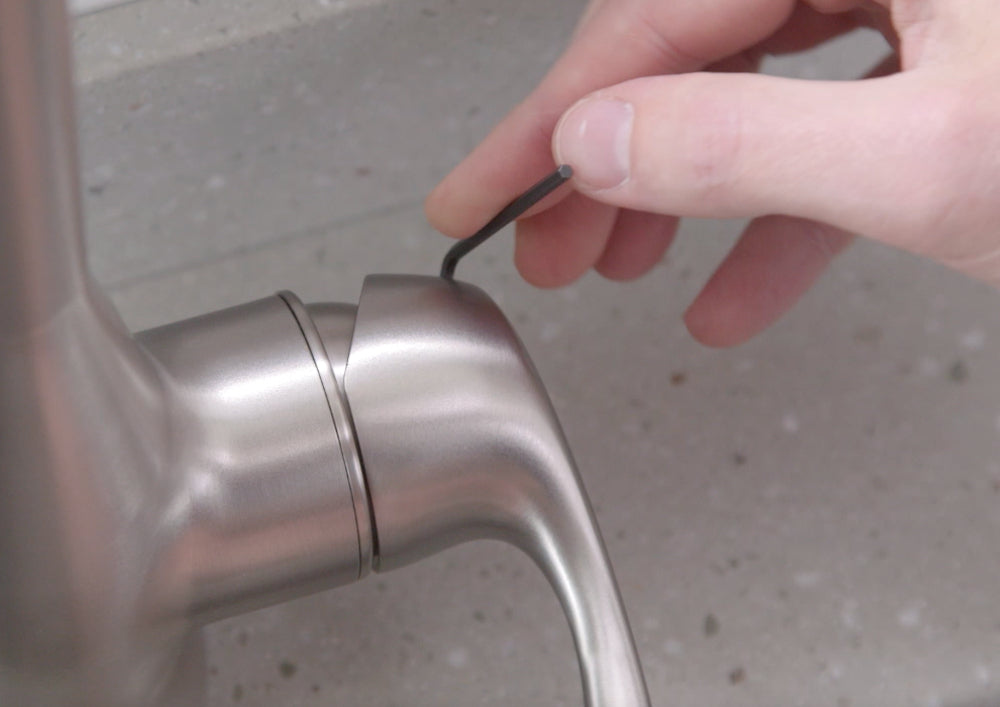
Image Source: shop.moen.com
Why Is My Moen Faucet Dripping?
The most common culprit behind a dripping Moen faucet is a worn-out or damaged cartridge. This internal component controls the flow of water. Over time, the seals within the cartridge can degrade, allowing water to seep through even when the faucet is turned off. Other potential causes include a faulty O-ring, a damaged valve seat, or a problem with the aerator.
Essential Tools for Moen Faucet Repair
Before you start, gather these common tools. Having them ready will make the repair process smoother and faster.
- Adjustable Wrench: For loosening and tightening nuts.
- Phillips and Flathead Screwdrivers: Various sizes are helpful.
- Allen Wrench Set: Moen often uses Allen screws, especially on single-handle faucets.
- Pliers: Standard and needle-nose can be useful for gripping small parts.
- Bucket: To catch any residual water.
- Old Towels or Rags: For cleaning and drying.
- Plumber’s Grease or Silicone Grease: To lubricate O-rings and cartridges.
- Replacement Moen Faucet Parts: Cartridge, O-rings, seals (have these on hand if you know the problem).
- Penetrating Oil (like WD-40): If parts are stuck.
- Safety Glasses: To protect your eyes from debris.
Diagnosing the Leak: Where is the Drip Coming From?
To effectively tackle a leaky Moen faucet, pinpointing the source of the leak is key.
- Drip from the Spout: This is the most common issue and almost always points to a problem with the internal cartridge or its seals.
- Leak from the Base of the Handle: This often indicates worn O-rings or a loose handle screw.
- Leak from the Base of the Spout: This usually means the O-rings on the spout itself need replacing.
- Leak from Under the Sink: This could be related to supply line connections, the mounting nuts, or a faulty spray hose.
Step-by-Step Guide: Fixing a Dripping Moen Kitchen Faucet (Cartridge Issue)
This is the most frequent Moen faucet repair. We’ll focus on replacing the cartridge.
Step 1: Turn Off the Water Supply
Crucial First Step: Locate the water shut-off valves beneath your sink. There should be one for hot water and one for cold water. Turn them clockwise until they are tight. If you can’t find or turn these valves, you’ll need to shut off the main water supply to your house.
Step 2: Relieve Water Pressure
Turn the faucet handles on to release any remaining water in the lines. Let it run until no more water comes out. This prevents a sudden gush when you disassemble the faucet.
Step 3: Prepare Your Workspace
Place a bucket under the faucet to catch any drips. Lay down towels to protect your sink and countertop.
Step 4: Disassemble the Moen Kitchen Faucet Handle
This is where the specific model of your Moen faucet matters. However, most Moen single handle faucets follow a similar pattern for how to disassemble.
4.1. Locate and Remove the Handle Screw
- Hidden Screw: On most Moen single handle faucets, the screw is hidden. Look for a small decorative cap or cover at the front or back of the handle.
- Pry Off the Cap: Gently use a small flathead screwdriver or a thin putty knife to pry off this cap. Be careful not to scratch the finish.
- Unscrew the Handle Screw: Once the cap is off, you’ll see a screw, usually an Allen screw. Use the appropriate size Allen wrench to loosen and remove it. Turn counter-clockwise.
- Lift Off the Handle: With the screw removed, gently pull the faucet handle straight up and off. It might require a little wiggling. If it’s stuck, a handle puller tool (available at hardware stores) can be a lifesaver.
4.2. Remove the Decorative Escutcheon or Cap
After removing the handle, you’ll usually see a decorative dome-shaped cap or an escutcheon. This screws onto the faucet body. Unscrew it by hand, turning counter-clockwise.
Step 5: Accessing the Moen Faucet Cartridge
Once the escutcheon is removed, you’ll see the cartridge. It’s typically held in place by a retaining clip or nut.
5.1. Removing the Cartridge Clip (If Applicable)
Many Moen cartridges are secured by a small U-shaped metal clip.
- Locate the Clip: This clip sits in a slot at the top of the cartridge.
- Remove the Clip: Use needle-nose pliers or a small flathead screwdriver to pull the clip straight up and out. Keep track of this clip; it’s small and easily lost.
5.2. Removing the Cartridge Retaining Nut (If Applicable)
Some Moen faucets use a large retaining nut instead of a clip.
- Use an Adjustable Wrench: Carefully fit your adjustable wrench onto the retaining nut.
- Turn Counter-Clockwise: Turn the nut counter-clockwise to loosen and remove it. You might need to hold the faucet body steady with your other hand or a rag to prevent it from turning.
Step 6: Pull Out the Old Moen Faucet Cartridge
With the clip or nut removed, the cartridge should now be accessible.
- Grab the Cartridge: Use pliers to grip the stem of the cartridge.
-
Wiggle and Pull: Gently pull the cartridge straight up and out. It might be stuck due to mineral buildup. If so, try wiggling it gently. Some cartridges have a built-in handle or lever that you can use to help pull it out. You might need to twist it slightly while pulling.
- Tip: If the cartridge is very stubborn, a cartridge puller tool designed for Moen faucets can be extremely helpful.
Step 7: Identify and Purchase Replacement Moen Faucet Parts
This is a crucial step for successful Moen faucet repair.
- Note the Cartridge Type: Once the old cartridge is out, examine it. Moen uses several types of cartridges (e.g., 1225, 1200, 1255, etc.). Look for any identifying numbers or markings on the cartridge itself.
- Take Pictures: Take clear photos of the old cartridge and your faucet.
- Visit a Hardware Store or Moen’s Website: Bring the old cartridge with you, or use your photos and faucet model number, to purchase the correct replacement Moen faucet parts. Moen offers a lifetime limited warranty on many of its products, so check if your faucet is still covered before buying parts. They often have excellent customer support to help identify the correct parts.
- Check O-Rings: While you have the faucet disassembled, inspect any O-rings you see. If they look cracked, flattened, or worn, replace them. It’s good practice to replace O-rings whenever you replace the cartridge.
Step 8: Install the New Moen Faucet Cartridge
This is essentially the reverse of removal.
- Lubricate: Apply a thin layer of plumber’s grease or silicone grease to the rubber seals of the new cartridge. This helps it slide in easily and creates a better seal.
- Align the Cartridge: Look for specific notches or alignment pins on the new cartridge and inside the faucet body. Ensure the cartridge is oriented correctly. It should only fit in one way.
- Insert the Cartridge: Gently push the new cartridge straight down into the faucet body until it is fully seated.
Step 9: Reassemble the Faucet
Now, put everything back together.
9.1. Reinstall the Cartridge Clip or Retaining Nut
- Clip: If your faucet used a clip, slide it back into its slot at the top of the cartridge. Make sure it’s fully seated.
- Nut: Screw the retaining nut back onto the faucet body by hand, then tighten it gently with your adjustable wrench. Don’t overtighten.
9.2. Reattach the Decorative Escutcheon or Cap
Screw the decorative cap or escutcheon back onto the faucet body by hand.
9.3. Reattach the Faucet Handle
Place the handle back onto the cartridge stem, aligning it correctly. Insert and tighten the handle screw. Replace the decorative cap.
Step 10: Turn the Water Supply Back On
Slowly turn the shut-off valves back on (counter-clockwise). Check immediately for any leaks around the handle and spout.
Step 11: Test the Faucet
Turn on the faucet to check the water flow and temperature control. Test both hot and cold. Turn it off and check for any drips from the spout.
Fixing Leaks from the Base of the Spout
If your faucet leaks from where the spout meets the faucet body, you likely need to replace the spout O-rings.
Step 1: Turn Off Water and Relieve Pressure
Follow Steps 1 and 2 from the cartridge replacement guide.
Step 2: Remove the Spout
- Identify Attachment: Spouts are usually held in place by a retaining clip or a screw. On many Moen kitchen faucets, the spout might simply pull straight up after removing a retaining nut or clip that’s accessible once the handle assembly is off, or sometimes there’s a clip at the rear of the spout base.
- Remove Clip/Nut: If there’s a clip, use pliers to pull it out. If there’s a nut, use an adjustable wrench.
- Pull Out the Spout: Once the retainer is removed, grip the spout firmly and pull it straight up and out of the faucet body. It might require some twisting.
Step 3: Replace the O-Rings
- Locate Old O-Rings: Around the base of the spout, you’ll find one or more rubber O-rings.
- Remove Old O-Rings: Use a small screwdriver or pick to carefully pry them off. Be gentle so you don’t scratch the spout or faucet body.
- Clean the Area: Clean the spout base and the inside of the faucet body where the spout sits.
- Install New O-Rings: Apply a thin coat of plumber’s grease to the new O-rings. Slide them into the grooves on the spout base. Ensure they are seated properly and aren’t twisted.
Step 4: Reinstall the Spout
- Lubricate: A little plumber’s grease on the O-rings and the faucet body where the spout inserts helps.
- Insert Spout: Align the spout and push it firmly down into the faucet body.
- Replace Retaining Clip/Nut: Reinstall the clip or retaining nut that holds the spout in place.
Step 5: Turn Water On and Test
Follow Steps 10 and 11 from the cartridge replacement guide.
Moen Faucet Troubleshooting: Other Common Issues
Beyond drips, here are other potential problems and how to address them.
Aerator Clogs
If your water pressure is low or sprays unevenly, the aerator at the tip of the spout might be clogged with mineral deposits.
- Unscrew the Aerator: Use pliers (with a cloth to protect the finish) or an adjustable wrench to unscrew the aerator.
- Clean the Aerator: Disassemble the aerator. You’ll find a screen and possibly a small washer. Rinse all parts under running water. For stubborn buildup, soak them in a solution of equal parts white vinegar and water for a few hours. Use a small brush to scrub away deposits.
- Reassemble and Reinstall: Put the aerator back together and screw it back onto the spout.
Leaky Handle Base
If water leaks from around the base of the Moen kitchen faucet handle, it’s usually due to worn O-rings within the handle assembly or a loose connection.
- Disassemble Handle: Follow the steps for removing the handle (Step 4 of the cartridge replacement).
- Check O-Rings: Inspect the O-rings on the cartridge stem and any other seals you find around the valve body. Replace any that look worn or damaged.
- Tighten Connections: While disassembled, ensure all internal connections are snug.
Spray Head or Hose Leaks
Leaks from the spray head or hose are often due to damaged O-rings within the spray head connection or a cracked hose.
- Inspect Hose and Connections: Check the entire length of the spray hose for cracks or wear. Inspect where the hose connects to the faucet body and the spray head.
- Tighten Connections: Try gently tightening the hose connections.
- Replace Hose or Spray Head: If the hose is damaged or connections won’t tighten, you may need to replace the entire spray hose assembly or the spray head itself. Moen faucet parts are available for these components.
Moen Faucet Installation: Key Considerations
If you’re replacing an old faucet or installing a new Moen kitchen faucet, here are some tips for a smooth Moen faucet installation.
- Read the Manufacturer’s Instructions: Always refer to the specific installation guide that comes with your new Moen faucet.
- Turn Off Water: Ensure the water supply is completely shut off before starting.
- Clear Under the Sink: Make sure you have ample space to work. Remove any clutter from under the sink.
- Connect Supply Lines Properly: Use plumber’s tape on threaded connections if recommended by the manufacturer. Ensure hot and cold lines are connected correctly.
- Mounting Hardware: Tighten the mounting nuts securely, but avoid overtightening, which can crack the sink or countertop.
- Test Thoroughly: After installation, turn the water back on slowly and check all connections for leaks. Test the faucet operation thoroughly.
Moen Faucet Parts: Knowing What You Need
Moen offers a vast range of faucet models, and the specific Moen faucet parts required for repair will vary.
- Cartridges: The most common replacement part. Moen uses different cartridge numbers (e.g., 1225, 1200, 1255). Identifying the correct one is vital.
- O-rings and Seals: Small rubber rings that prevent leaks. They are often found on the spout, cartridge, and other internal components.
- Handles and Caps: Decorative elements that might need replacing due to damage.
- Aerators: The part at the end of the spout that controls water flow and reduces splashing.
- Spray Heads and Hoses: For faucets with side sprayers or pull-down/pull-out sprayers.
- Mounting Hardware: Nuts, screws, and washers used to secure the faucet to the sink.
How to find the right Moen faucet parts:
- Check Your Faucet Model: Look for a model number on the faucet itself, the original packaging, or your receipt.
- Use Moen’s Website: Moen’s website has a “Support” or “Parts Finder” section where you can search by model number or even upload a photo.
- Visit a Local Plumbing Supply Store: Experts there can help you identify the correct parts.
- Call Moen Customer Service: They are usually very helpful in identifying parts and troubleshooting.
Frequently Asked Questions (FAQ)
How often should I replace my Moen faucet cartridge?
There’s no set schedule. You typically replace a Moen faucet cartridge only when it fails, causing a drip or leak. If you maintain your faucet and have good water quality, a cartridge can last many years.
Can I use a generic cartridge for my Moen faucet?
It’s highly recommended to use genuine Moen faucet parts. Generic or universal cartridges might fit, but they often don’t provide the same performance or longevity, and they could potentially damage your faucet.
My Moen single handle faucet is stiff. What should I do?
A stiff Moen kitchen faucet handle often indicates that the cartridge needs lubrication or replacement. Mineral buildup can make the internal seals stiff. Try applying plumber’s grease to the cartridge first. If that doesn’t help, replacing the cartridge is the next step.
How do I know which Moen faucet cartridge I need?
As mentioned, look for numbers on the old cartridge. If you can’t find any, note the model of your faucet or take pictures to a plumbing supply store or Moen’s customer service. Moen’s 1225 cartridge is very common in many older single-handle faucets.
What if I can’t remove the Moen faucet handle?
If the handle is stuck, do not force it excessively, as you could damage the faucet. A handle puller tool is designed for this purpose and can be very effective. You can find these at most hardware stores.
By following these detailed steps, you can confidently tackle most common issues with your Moen kitchen faucet, saving time and money on professional repairs. Remember to work carefully and have the correct Moen faucet parts on hand for a successful repair.