
A bad smell in a kitchen sink means there is likely a buildup of food waste, grease, or other gunk in your pipes or garbage disposal. Yes, you can often fix this problem yourself with simple household items and tools. If the smell stays even after you try basic cleaning, or if you have a serious clog, a plumber can help. They have special tools and knowledge to fix tough drain issues.
Let’s find out why your sink smells bad and how to make it fresh again.
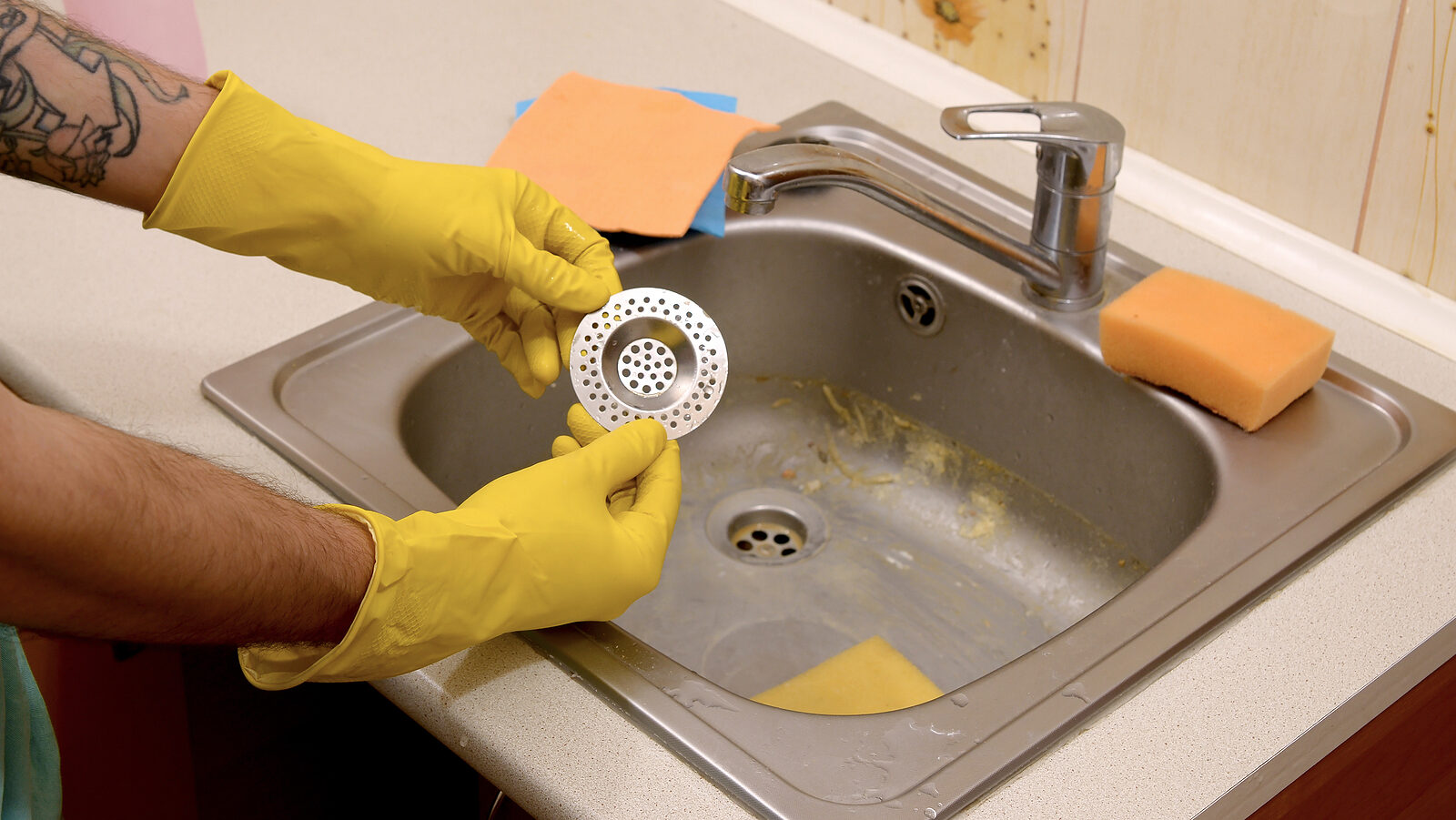
Image Source: blockbusters.co.uk
The Problem Revealed: Why Your Kitchen Sink Smells Bad
Your kitchen sink works hard every day. It washes food, dishes, and sends water down the drain. Over time, bits of food, grease, and soap scum can get stuck in the pipes. These bits break down and cause a bad drain odor removal problem. It is like a tiny compost bin living right under your sink.
Deciphering the Source of the Stink
To stop the bad smell, you need to know where it comes from. Different smells point to different issues.
The Pesky Disposal
If you have a garbage disposal, it is a common place for smells to start. Small food pieces often get trapped under the rubber splash guard or on the grinding plates. These bits start to rot, causing a strong garbage disposal smell. Think of old onion peels or fruit bits stuck down there. They are out of sight, but not out of smell!
The Clogged Culprit
Sometimes, the smell comes from a clogged sink odor. When water drains slowly, it means something is blocking the pipe. This blockage is often a mix of grease, soap, and food particles. As new food bits get caught on the clog, they rot. This makes a very bad rotten food drain smell. It is like a tiny dam of old food.
The Dry Trap Trouble
Below your sink, there is a U-shaped pipe called a P-trap. This trap holds a small amount of water. This water barrier stops sewer gases from coming into your home. If your sink is not used often, or if the water dries out, this barrier disappears. Then, foul p-trap smell can rise up from the sewer lines. This can smell like rotten eggs or something much worse.
Sewer Gas Signals
A more serious smell is sewer gas in sink. This often smells like rotten eggs, sulfur, or just a generally strong, foul odor. This means sewer gases are getting past your P-trap or through cracks in your drain lines. If you smell this often, it is a sign of a bigger problem that needs quick action. Sewer gas can be dangerous to breathe.
Grease Buildup Goo
Cooking oils and fats might look liquid when hot. But they cool down and turn solid in your pipes. This grease buildup smell creates sticky layers inside your drain. Over time, these layers get thicker. Food particles stick to them, causing clogs and a terrible smell. It is like layers of old, rancid fat lining your pipes.
DIY Remedies: Simple Steps to Freshness
Once you know where the smell is coming from, you can start fixing it. Many common household items can help. You do not need special tools or harsh chemicals for most smells.
Tackling the Garbage Disposal Odor
The garbage disposal needs cleaning often. Here are some easy ways to get rid of that garbage disposal smell.
Ice and Citrus Method
This method is simple and works well.
* Get a few cups of ice cubes.
* Throw in a handful of citrus peels. Lemon, lime, or orange peels work best.
* Turn on the cold water to a slow stream.
* Turn on your garbage disposal.
* Let the disposal run until all the ice and peels are gone.
The ice helps scrape off stuck-on food bits. The citrus peels leave a fresh smell.
Dish Soap & Hot Water Blast
Dish soap cuts through grease. Hot water helps wash it away.
* Pour a few drops of dish soap into the disposal.
* Fill the sink with hot water, about halfway.
* Pull the stopper. Let the water rush down.
* Turn on the disposal for a few seconds as the water drains.
This creates a powerful flush that cleans the disposal blades and lines.
Scrubbing the Splash Guard
The rubber splash guard on top of your disposal gets very dirty. It traps food and gunk.
* Turn off the disposal power first. This is very important for safety.
* Lift the rubber splash guard flaps.
* Use an old toothbrush or a small scrub brush.
* Scrub the underside of the guard. Clean all the trapped grime.
* Rinse with hot water.
This quick scrub can make a big difference in stopping smells.
The Power of Natural Solutions
Natural cleaners are safe for your pipes and the environment. They are great for general drain odor removal.
Baking Soda and Vinegar Magic
This is a classic and very effective way to clean drains. It is a fantastic baking soda vinegar drain clean method.
* Pour 1/2 cup of baking soda down the drain. Try to get it all down the opening.
* Follow it with 1 cup of white vinegar.
* You will see fizzing. This is good! The mix works to break down gunk.
* Let it sit for at least 15-30 minutes. You can even leave it overnight.
* After waiting, flush the drain with hot tap water for a few minutes.
The baking soda helps to absorb smells. The vinegar is an acid that breaks down grease and grime. Together, they create a cleaning action that scrubs the pipes. This is a top natural drain deodorizer.
Salt and Hot Water
Salt is a good abrasive. It can help scrub away grime.
* Pour 1/2 cup of salt down the drain.
* Follow with hot tap water. Let it run for a few minutes.
The salt helps scrub the inside of the pipes. The hot water helps melt light grease and wash everything away.
Lemon and Salt
This method combines the cleaning power of salt with the fresh scent of lemon.
* Cut a lemon into small pieces.
* Pour 1/2 cup of salt down the drain.
* Follow with the lemon pieces.
* Flush with hot water for a few minutes.
The salt scrubs. The lemon helps break down grease and leaves a pleasant smell.
Addressing the P-Trap Predicament
If you suspect a p-trap smell, it means the water seal is broken.
Refilling the Trap
If you do not use a sink often, the water in the P-trap can dry out.
* Simply run water down the sink for a minute or two.
* This will refill the P-trap. It creates the water seal again.
This is the easiest fix for a dry P-trap.
Cleaning the P-Trap
Sometimes, the P-trap needs a deep clean. It can hold hair, soap scum, and other gunk.
* Place a bucket under the P-trap. This will catch any water and debris.
* Use pliers or a wrench to loosen the nuts on both sides of the P-trap.
* Carefully remove the P-trap.
* Clean out any sludge or debris inside the trap. You can use a bottle brush or even an old toothbrush.
* Rinse the trap thoroughly with hot water.
* Put the P-trap back in place. Tighten the nuts.
* Run water for a minute to check for leaks and refill the trap.
This can be messy, but it is very effective for persistent p-trap smell from grime buildup.
Dealing with Clogs and Grease Buildup
A clogged sink odor or grease buildup smell means you need to clear the drain more aggressively.
Hot Water Flush
For mild grease problems, a simple hot water flush can help.
* Boil a large pot of water.
* Pour the hot water slowly down the drain.
* Be careful, as boiling water can damage PVC pipes if poured too quickly or if there’s standing water. For PVC, use very hot tap water, not boiling.
This can melt small grease clogs and wash them away. This is a good first step for grease buildup smell.
Drain Snaking
A drain snake (also called an auger) is a flexible tool. It can reach deep into pipes to break up clogs.
* Insert the snake into the drain opening.
* Push it down until you feel a blockage.
* Twist the handle to break up or pull out the clog.
* Pull the snake out. Clean off any debris.
* Repeat if needed.
* Flush with hot water.
This is effective for hair, soap scum, and stubborn rotten food drain clogs.
Plunger Power
A simple kitchen plunger can create pressure to dislodge clogs.
* Remove any drain stopper.
* Fill the sink with enough water to cover the plunger cup.
* Place the plunger firmly over the drain opening. Make a tight seal.
* Pump the plunger up and down quickly for about 15-20 seconds.
* Pull the plunger up quickly.
* Repeat several times if needed.
This works by creating pressure that can push or pull the clog free. It is good for breaking up clogged sink odor caused by everyday buildup.
When to Use Stronger Measures: Commercial Products
Sometimes, natural methods are not enough. Commercial products can help, but use them with care.
Choosing a Kitchen Sink Drain Cleaner Wisely
There are two main types of kitchen sink drain cleaner products: enzymatic and chemical.
Enzymatic Cleaners
- How they work: These cleaners use natural enzymes and bacteria. They “eat” away organic matter like grease, food, and soap scum. They do not use harsh chemicals.
- Pros: Safe for pipes, good for regular maintenance, environmentally friendly.
- Cons: Work slowly. They need hours or even overnight to do their job. Not good for instant clog removal.
- Use for: Slow drains, regular
drain odor removal, preventing future clogs andgrease buildup smell.
Chemical Drain Cleaners
- How they work: These use strong chemicals (like lye, bleach, or acid). They create heat and break down clogs quickly.
- Pros: Can clear tough clogs fast.
- Cons: Very harsh. Can damage pipes, especially older ones, if used too often or incorrectly. Dangerous if they splash on skin or eyes. Can create harmful fumes. Never mix different chemical cleaners.
- Use for: Only as a last resort for very stubborn clogs when natural methods fail.
- Important Safety Note: Always read the label carefully. Wear gloves and eye protection. Make sure the area is well-ventilated. Never use them after trying a
baking soda vinegar drain cleanor another chemical, as dangerous reactions can occur.
| Cleaner Type | How It Works | Speed | Best For | Safety |
|---|---|---|---|---|
| Enzymatic | Digests organic matter | Slow | Maintenance, mild clogs, natural drain deodorizer |
Safe for pipes, eco-friendly |
| Chemical | Creates heat, dissolves clogs | Fast | Tough clogs (last resort) | Harsh, can damage pipes, dangerous fumes |
Keeping the Stink Away: Prevention is Key
The best way to get rid of a bad smell is to stop it from starting. Good habits keep your sink fresh. This is all about drain odor removal through prevention.
Daily Habits for a Fresh Sink
Small changes in your daily routine make a big difference.
Proper Disposal Use
- Always run cold water before, during, and after using your garbage disposal. Cold water helps solidify grease so it can be ground up better.
- Only put soft, small food scraps into the disposal. Avoid fibrous foods like celery, corn husks, or potato peels. Do not put coffee grounds or eggshells down there.
- Grind a few ice cubes once a week. This helps clean the blades and keep them sharp.
These steps stopgarbage disposal smellfrom forming.
Hot Water After Use
After washing dishes, let hot water run down the drain for 30-60 seconds. This helps flush away any small food particles and grease before they can settle and cause a grease buildup smell.
Regular Cleaning
Wipe down your sink basin and around the drain opening often. Use a multi-purpose cleaner or a mix of vinegar and water. This prevents grime from building up on surfaces.
Mind What Goes Down
Be very careful about what you pour down your kitchen sink drain.
* No grease or oil: This is the biggest culprit for grease buildup smell and clogs. Pour used grease into a jar and throw it in the trash once it cools.
* No coffee grounds: They do not dissolve and can build up.
* No eggshells: They are abrasive but do not fully break down.
* No starchy foods: Pasta, rice, and bread can expand and clog pipes.
* No flour: It mixes with water to form a sticky paste.
Periodic Maintenance Checklist
Regular, deeper cleaning stops problems before they start.
Monthly Cleaning Ritual
Make it a habit to clean your drains once a month.
* Use the baking soda vinegar drain clean method. This is a great natural drain deodorizer.
* Or use an enzymatic kitchen sink drain cleaner for maintenance.
This helps clear minor buildup and stops a clogged sink odor from getting serious.
Checking the P-Trap
If you have a sink that is not used often, make sure to run water down it at least once a week. This keeps the p-trap smell at bay by ensuring the water seal is full.
Fathoming Deeper Problems: When to Call a Pro
Most bad sink smells can be fixed with DIY methods. But some problems are too big for a homeowner to tackle. Knowing when to call a plumber can save you time, money, and hassle.
Signals for Professional Help
Pay attention to these signs that you might need a plumber.
Persistent Odors
You have tried all the DIY methods: baking soda vinegar drain clean, ice, citrus, cleaning the disposal. But the bad drain odor removal problem keeps coming back or never really goes away. This could mean a deeper clog or a bigger issue in your plumbing system.
Major Clogs
If your sink is completely blocked, and a plunger or drain snake does not clear it, the clog might be too deep or too tough. A plumber has stronger tools like hydro-jetting to blast away stubborn blockages. A complete blockage can also mean a serious clogged sink odor.
Multiple Drain Issues
If other drains in your home (like bathroom sinks, showers, or toilets) are also slow or smelly, it points to a main sewer line problem. This is a job for a professional. A rotten food drain in one sink might be DIY, but in many places it’s a major alert.
The Sewer Gas Alarm
If you consistently smell strong sewer gas in sink odors, especially rotten eggs or methane, it is a serious issue. This could mean a broken or cracked sewer line, a dry P-trap in an unused drain, or issues with your home’s venting system. Sewer gas is unhealthy and can be explosive in high concentrations. Do not ignore this smell.
What a Plumber Can Do
A professional plumber can:
* Diagnose the problem: They use cameras to see inside pipes and find the exact source of the smell or clog.
* Clear tough clogs: With industrial-strength tools, they can remove even the most stubborn grease buildup smell and blockages.
* Fix P-trap issues: If your p-trap smell is due to a faulty trap or vent pipe, they can repair or replace it.
* Address sewer line problems: They can fix broken pipes or vent issues causing sewer gas in sink.
* Prevent future problems: They can offer advice on maintaining your plumbing system.
Summary Table: Quick Fixes vs. Deep Cleans
| Problem Type | Quick Fix (DIY) | Deeper Clean (DIY) | When to Call a Pro |
|---|---|---|---|
| Garbage Disposal Smell | Ice & citrus, dish soap flush, scrub splash guard | N/A | Persistent smell after all DIY |
| Clogged Sink Odor / Grease Buildup Smell / Rotten Food Drain | Hot water flush, plunger | Baking soda vinegar drain clean, drain snake |
Complete blockage, multiple clogs, sewer gas in sink |
| P-Trap Smell | Run water to refill P-trap | Remove & clean P-trap | Persistent smell, bad vent system |
| General Drain Odor Removal | Baking soda vinegar drain clean, natural drain deodorizer |
Enzymatic kitchen sink drain cleaner monthly |
If smell points to bigger issue |
Frequently Asked Questions (FAQ)
Can I use bleach to clean my drain?
No, it is not a good idea to use bleach to clean your drain. Bleach can mix with other substances in your pipes, like ammonia from old cleaners or certain metals, and create dangerous fumes. It is also not very effective at breaking down clogs. Stick to safer methods like baking soda vinegar drain clean or enzymatic cleaners.
How often should I clean my kitchen drain?
For prevention, you should do a simple cleaning of your kitchen drain once a month. Use the baking soda vinegar drain clean method or an enzymatic cleaner. This helps stop smells and clogs before they start. If you notice a garbage disposal smell or slow draining, clean it sooner.
Is a garbage disposal smell normal?
A light garbage disposal smell can happen, especially if you have just ground up food. But a strong or lingering smell is not normal. It means food bits are stuck and rotting. You need to clean your disposal regularly with ice, citrus, or dish soap to prevent this.
How do I know if it’s sewer gas in sink or just food?
Sewer gas in sink usually has a strong, distinct smell like rotten eggs (sulfur) or methane. It is a very unpleasant, chemical-like odor. A rotten food drain smell will likely smell like decaying food, which is also bad but usually less sharp and more organic. If the smell is constant, very strong, or affects other drains, it is likely sewer gas, and you should call a plumber.
Will baking soda vinegar drain clean harm my pipes?
No, baking soda vinegar drain clean is generally safe for all types of pipes, including PVC and metal. The reaction is fizzy, but it does not create enough pressure or heat to harm your plumbing. It is a gentle yet effective way to loosen grime and deodorize your drain.
Cleaning a smelly kitchen sink might seem like a big job. But with these steps, you can find the source and get rid of the odor. By using simple DIY methods and keeping up with regular cleaning, you can enjoy a fresh, clean kitchen. If the smell stays, or if you suspect a larger plumbing problem, do not hesitate to call a professional. They can handle the tough jobs and make sure your plumbing is in good shape.