
Does your kitchen sink smell? Yes, you can get rid of that kitchen sink odor fast with simple DIY fixes. A foul smell from the drain can be quite unpleasant, but thankfully, most causes are easy to tackle at home. Whether it’s a persistent kitchen sink drain cleaning issue or a general drain pipe odor, these methods will help you eliminate drain smell quickly.
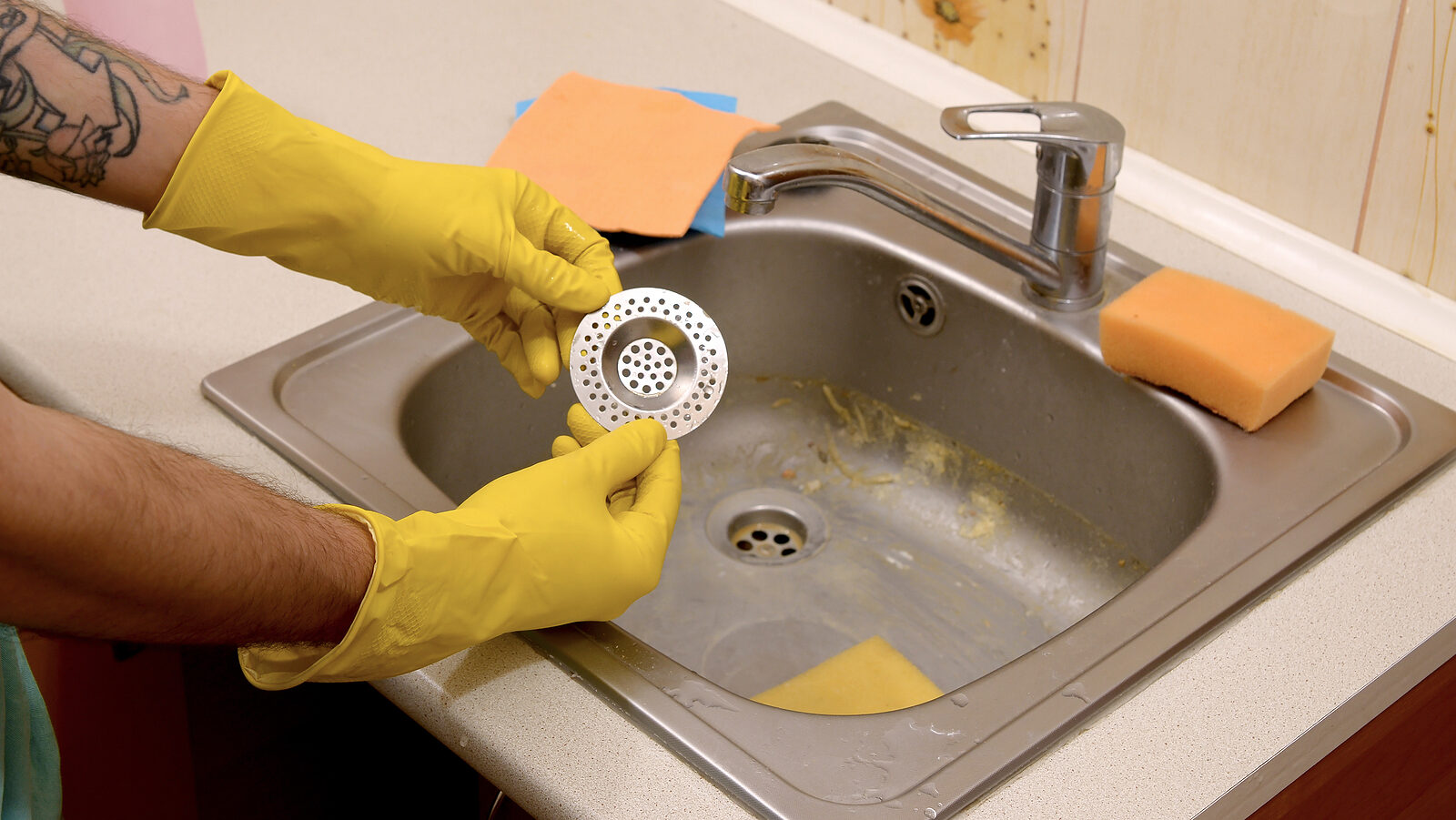
Image Source: blockbusters.co.uk
Why Does My Kitchen Sink Smell? Deciphering the Culprits
The first step to banishing that unpleasant aroma is to figure out what’s causing it. A kitchen sink smell isn’t just a nuisance; it’s often a sign of something lurking in your pipes. Let’s explore the common culprits behind that lingering kitchen sink odor.
The Usual Suspects for Drain Smell
- Food Scraps and Grease: This is the most common reason for a foul smell from the drain. When you wash dishes, small bits of food, grease, and oil go down the drain. These particles cling to the inside of the pipes. Over time, they build up, rot, and create a terrible smell.
- Biofilm Buildup: Even if you don’t see large chunks of food, a slimy layer called biofilm can form on the pipe walls. This is a breeding ground for bacteria, which produce gases that cause odors.
- Trapped Moisture: Drains are naturally damp environments. If water sits in the trap or pipes for too long, it can become stagnant and start to smell musty.
- Garbage Disposal Issues: If you have a garbage disposal, food debris can get stuck in its blades or under the rubber splash guard. This trapped food will rot and create a strong garbage disposal odor.
- Dry P-Trap: The P-trap is the U-shaped pipe under your sink. It holds water to create a seal that stops sewer gases from coming up into your home. If the sink hasn’t been used for a while, the water in the P-trap can evaporate, allowing those nasty gases to escape.
- Vent Pipe Problems: Your plumbing system has vents that allow air in, helping water drain smoothly and preventing sewer gases from backing up. If a vent pipe is blocked, it can lead to slow draining and odors.
- Septic System Issues (If Applicable): If you’re on a septic system, problems with the tank or drain field can sometimes cause odors to back up into the house.
Easy DIY Fixes to Banish Kitchen Sink Odor FAST
Now that we know what might be causing the problem, let’s get to the solutions! These are simple, effective ways to tackle that kitchen sink smell right away.
The Power of Baking Soda and Vinegar: A Classic Duo
This is a go-to solution for many because it’s natural, cheap, and incredibly effective. Baking soda and vinegar create a fizzy reaction that helps break down grease and grime, and neutralize odors.
How to Use Baking Soda and Vinegar for Drain Cleaning
- Pour Baking Soda: Start by pouring about half a cup to a full cup of baking soda directly down the drain. Make sure it goes into the opening as much as possible.
- Add Vinegar: Next, pour an equal amount of white vinegar (about half a cup to a cup) over the baking soda. You’ll see it start to fizz and bubble. This is the cleaning action happening!
- Cover and Wait: Immediately cover the drain opening with a stopper or a damp cloth. This traps the fizzing action and forces it down into the pipes, where it can do its work. Let it sit for at least 30 minutes, or even an hour for tougher smells.
- Flush with Hot Water: After the waiting period, remove the cover and pour a kettle of boiling hot water down the drain. This flushes away the loosened debris and the vinegar/baking soda mixture.
- Repeat if Needed: For very stubborn smells, you might need to repeat this process.
This baking soda drain cleaner method is excellent for regular maintenance and for tackling mild to moderate kitchen sink odor.
Boiling Water: The Simplest Solution
Sometimes, all your drain needs is a good flush. Hot water can help melt away grease and sludge that might be clinging to the pipe walls.
How to Use Boiling Water for Drain Cleaning
- Boil Water: Fill a kettle or pot with water and bring it to a rolling boil.
- Pour Carefully: Slowly and carefully pour the boiling water directly down the drain. Pour in stages to avoid splashing.
- Repeat: You can repeat this a few times if you think it will help.
This is a great first step and can often be enough to eliminate minor drain pipe odor.
Lemon or Citrus Peels: Natural Fresheners
Citrus peels are natural deodorizers and can leave your drain smelling fresh.
How to Use Citrus Peels
- Collect Peels: Save peels from lemons, oranges, or grapefruits.
- Run Through Disposal (if applicable): If you have a garbage disposal, cut the peels into small pieces and run them through with cold water. This will grind them up and help clean the disposal blades.
- Boil Peels: Alternatively, you can boil citrus peels in water. Let the water cool slightly, then pour it down the drain.
- Freeze in Ice Cubes: For a longer-lasting fresh scent and a cleaning boost, freeze citrus peels in ice cube trays with water. Drop these ice cubes down the drain and run the disposal (if you have one).
This is a fantastic way to eliminate drain smell and add a pleasant fragrance.
Salt and Hot Water: Another Gentle Approach
Salt can act as a mild abrasive and also has some deodorizing properties.
How to Use Salt and Hot Water
- Pour Salt: Pour about half a cup of table salt down the drain.
- Add Hot Water: Follow with a kettle of boiling hot water.
- Let Sit: Allow the mixture to sit for about 15-30 minutes.
- Flush: Flush with more hot water.
This is another simple, natural way to clean your drain and fight off that foul smell from the drain.
Tackling More Stubborn Odors and Clogs
If the simple methods aren’t cutting it, you might be dealing with a more significant buildup or a partial clog. A clogged drain smell can be particularly potent.
The Garbage Disposal Deep Clean
A garbage disposal odor can be a real problem. Food particles get caught, and bacteria thrive.
Steps for Garbage Disposal Odor Control
- Safety First: Always turn off the power to your garbage disposal at the breaker box before cleaning.
- Remove Debris: Use tongs or pliers to carefully remove any visible food debris from the disposal chamber and the rubber splash guard.
- Scrub the Splash Guard: The rubber splash guard is a prime spot for gunk buildup. Use an old toothbrush or scrub brush with some dish soap to scrub it thoroughly. Rinse it well.
- Baking Soda and Vinegar Treatment: Pour half a cup of baking soda into the disposal, followed by half a cup of white vinegar. Let it fizz for about 15 minutes.
- Rinse and Flush: Turn the power back on. Run cold water and then turn on the disposal to grind up any remaining particles. Flush with plenty of cold water.
- Citrus Power: Run some citrus peels through the disposal for a fresh scent.
This detailed approach to garbage disposal odor control will make a big difference.
Clearing Minor Clogs for Drain Cleaning
A clogged drain smell is often a sign that something is physically blocking the pipe.
Using a Plunger
- Create a Seal: Make sure there’s enough water in the sink to cover the plunger cup. For a double sink, block the other drain with a wet cloth to create a better seal.
- Plunge Vigorously: Place the plunger over the drain opening and plunge up and down rapidly and forcefully for about 20-30 seconds.
- Check for Blockage: Remove the plunger and see if the water drains. Repeat if necessary.
Using a Drain Snake (Auger)
For tougher clogs, a drain snake can be very effective for kitchen sink drain cleaning.
- Insert the Snake: Feed the end of the drain snake into the drain opening.
- Turn the Handle: As you push the snake into the pipe, turn the handle. This helps it grab onto or break up the clog.
- Retrieve the Clog: When you feel resistance, you’ve likely hit the clog. Slowly pull the snake back out, hopefully bringing the clog with it.
- Flush: Once the clog is removed, flush the drain with hot water.
Important Note: Avoid using commercial chemical drain cleaners unless absolutely necessary. They can be harsh, damage pipes, and are bad for the environment. The natural methods are usually sufficient.
Preventing Future Kitchen Sink Odor
The best way to deal with a foul smell from the drain is to prevent it from happening in the first place. Consistent, simple habits can keep your kitchen sink smelling fresh.
Smart Habits for a Fresh Kitchen Sink
- Scrape Plates Thoroughly: Before rinsing dishes, scrape all food scraps into the trash or compost bin.
- Avoid Pouring Grease Down the Drain: Never pour cooking oil, grease, or fat down the sink. These solidify in pipes and cause major clogs and odors. Collect them in a container and dispose of them in the trash.
- Run Cold Water When Using Disposal: Always run cold water when using your garbage disposal, and let it run for a few seconds after you finish. This helps flush debris through the pipes.
- Regularly Use Natural Cleaners: Use the baking soda and vinegar method or boiling water flush at least once a month to keep your pipes clean and odor-free.
- Clean the Garbage Disposal: Don’t forget to clean your garbage disposal regularly, especially the splash guard.
- Check for Leaks: Ensure there are no leaks under the sink that could cause stagnant water and mold growth.
Troubleshooting Persistent Drain Pipe Odor
If you’ve tried all these DIY fixes and still have a persistent drain pipe odor, it might be time to consider other possibilities.
When to Call a Professional Plumber
- Recurring Clogs: If you’re constantly dealing with clogs, there might be a more significant issue with your plumbing system, like a buildup in the main line.
- Strong Sewer Gas Smell: If the smell is undeniably like sewer gas and doesn’t go away, it could indicate a problem with your vent pipes or a damaged sewer line.
- Multiple Drains Affected: If sinks and toilets in different areas of your house are smelling or draining slowly, it points to a larger plumbing system issue.
- No Visible Solution: If you’ve exhausted all DIY drain cleaning methods and the smell remains, a professional can diagnose and fix the problem.
Frequently Asked Questions About Kitchen Drain Smells
Here are some common questions people have about getting rid of that kitchen sink odor.
Q1: Can I use bleach to clean my kitchen drain?
A1: While bleach can kill some bacteria, it’s not the best solution for drain smells. It can be harsh on pipes, especially older ones, and doesn’t effectively break down grease and food buildup. Plus, mixing bleach with other cleaners (like vinegar) can create toxic fumes. Natural methods like baking soda and vinegar are safer and more effective for cleaning drains.
Q2: How often should I clean my kitchen drain to prevent smells?
A2: To prevent kitchen sink odor, it’s a good idea to do a preventative cleaning once a month. Using the baking soda and vinegar method or a hot water flush regularly will keep your pipes clear and fresh.
Q3: What is the best way to eliminate drain smell from a garbage disposal?
A3: The best way to eliminate drain smell from a garbage disposal involves regular cleaning. This includes removing debris from the splash guard, using baking soda and vinegar, and running citrus peels through it. Remember to always turn off the power before cleaning the disposal itself.
Q4: Why does my drain smell even when it’s not clogged?
A4: Even without a visible clog, a drain can smell. This is often due to the buildup of a slimy film (biofilm) on the inside of the pipes, where bacteria can grow and produce odors. Grease, soap scum, and small food particles contribute to this biofilm. The natural cleaning methods mentioned can help break down this film.
Q5: Can I pour coffee grounds down the drain?
A5: It’s generally not recommended to pour large amounts of coffee grounds down the drain. While they might seem like a natural scrub, they can accumulate and contribute to clogs over time, leading to a clogged drain smell. It’s better to compost them or dispose of them in the trash.
By understanding the causes and using these easy DIY fixes, you can quickly get rid of that unpleasant kitchen sink odor and keep your kitchen smelling fresh and clean!