
Do you see roaches crawling in your kitchen? Are they hiding in your microwave, oven, or fridge? You are not alone. Many people face this problem. Roaches are small, tough pests. They love warm, dark, and damp places. Kitchen appliances offer all these things. They also give roaches food crumbs and water. Yes, you can get rid of them yourself. This guide will show you how to clean roaches from kitchen appliances and keep them away for good.
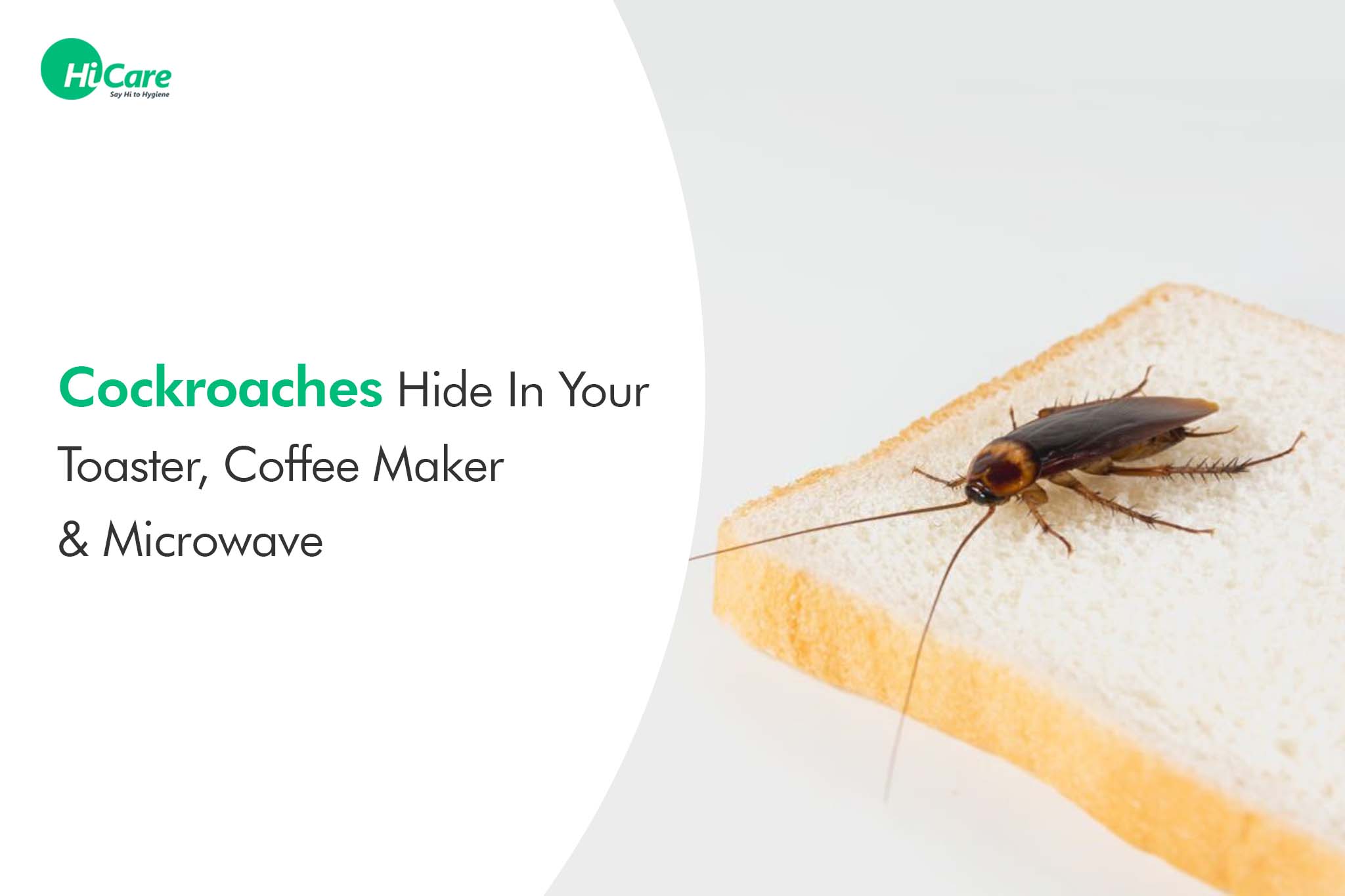
Image Source: hicare.in
Grasping the Roach Problem
Roaches are a big nuisance. They carry germs. They can make food unsafe. They can also trigger allergies. Finding them in your kitchen is upsetting. Finding them inside your appliances is even worse. This section helps you understand why roaches pick your appliances.
Why Roaches Choose Appliances
Appliances are perfect homes for roaches. They offer warmth from motors. They have dark hiding spots. They often have food crumbs. And sometimes, they have water spills. Roaches need these things to live.
- Warmth: Appliances like fridges, ovens, and dishwashers give off heat. This heat is great for roaches, especially in colder months.
- Darkness: The insides of appliances are usually dark. Roaches are nocturnal. They like to hide during the day.
- Food Scraps: Even small crumbs are a feast for roaches. Spills, grease, or food bits stuck in cracks are perfect meals.
- Water: Dishwashers, fridges, and sinks offer water. Roaches need water to survive.
Common Kitchen Roaches
Two main types of roaches invade kitchens:
- German Roaches: These are small, light brown roaches. They have two dark stripes behind their head. They are the most common kitchen pest. They reproduce very fast.
- American Roaches: These are much bigger. They are reddish-brown. They can fly short distances. They often come from sewers or basements.
Signs of a Roach Infestation
How do you know roaches are in your appliances? Look for these signs:
- Droppings: These look like black pepper or coffee grounds. You might see them in drawers or under appliances.
- Smear Marks: Roaches leave dark streaks. These are often on counters or walls.
- Egg Casings: Female roaches lay egg cases. These are small, brown, and pill-shaped. You might find them in hidden spots.
- Live Roaches: Seeing roaches, especially during the day, means a big problem. Roaches are mostly active at night.
- Musty Smell: A strong, oily, or musty smell can mean many roaches are present.
The Foundation of Appliance Pest Control
Getting rid of roaches needs a plan. You must be thorough. You must be patient. Here are the first steps.
Safety First When Cleaning Appliances
Before you start, safety is key.
- Unplug all appliances: This prevents electric shocks. It also lets you move them easily.
- Wear gloves: Protect your hands from dirt and chemicals.
- Use eye protection: Keep dust or chemicals out of your eyes.
- Work in a well-aired room: Open windows. Turn on a fan. This helps with fumes.
Tools You Will Need
Gather your tools before you start.
- Vacuum cleaner (with hose and narrow nozzle)
- Screwdrivers (various types)
- Flashlight
- Cleaning rags or sponges
- Buckets
- Mild dish soap
- Degreaser (for ovens/stoves)
- Rubbing alcohol (for electronics)
- Paper towels
- Plastic bags (for trash)
- Kitchen appliance roach bait (gel bait, bait stations)
- Insecticide dust (diatomaceous earth or boric acid)
- Pest control spray (if needed, use carefully)
- Caulk or sealant
- Trash bags
Deep Cleaning Your Kitchen
Roaches need food and water. Remove these. A clean kitchen is the best defense.
- Clean counters daily: Wipe up crumbs and spills right away.
- Wash dishes often: Do not leave dirty dishes in the sink.
- Sweep and mop floors: Pay attention to corners and under rugs.
- Empty trash often: Use a trash can with a tight lid.
- Store food properly: Keep food in airtight containers. Do not leave food out.
- Fix leaky faucets: Dripping water attracts roaches.
- Clean up pet food: Do not leave pet food bowls out all night.
Specific Appliance Roach Treatment
Now, let’s target each appliance. This is where most roaches hide. This part shows you how to clean roaches from toaster, fridge, microwave, dishwasher, and oven.
Cockroach Removal Fridge
The fridge is a favorite spot. It gives warmth and some moisture.
- Unplug and Empty: First, unplug the fridge. Remove all food. Put food in a cooler.
- Pull Out Fridge: Carefully pull the fridge away from the wall. You might need help.
- Vacuum Coils: The condenser coils are at the back or bottom. They are often dusty and warm. Use your vacuum’s brush attachment. Clean these coils very well. Dust and dirt keep heat in. Roaches love this extra warmth.
- Clean Drip Pan: Below the fridge, there is often a drip pan. This collects water. It can be a wet home for roaches. Remove it. Wash it with hot, soapy water. Let it dry completely.
- Clean Inside: Take out all shelves and drawers. Wash them with soap and warm water. Wipe down the inside of the fridge. Pay attention to cracks and seals. Use a mix of equal parts vinegar and water. This cleans and helps repel pests.
- Seal Entry Points: Look at the back and sides of the fridge. Are there any small gaps or holes? Roaches can sneak in here. Use caulk to seal these openings.
- Place Baits: After cleaning, place kitchen appliance roach bait stations or gel bait. Put them behind the fridge. Put them under it. Place them where kids or pets cannot reach. Do not spray inside the fridge.
| Fridge Cleaning Area | What to Do | Why It Helps |
|---|---|---|
| Condenser Coils | Vacuum thoroughly | Removes dust, reduces warmth for roaches |
| Drip Pan | Remove, wash with soap and water | Eliminates water source and hiding spots |
| Interior | Remove shelves, wash, wipe down interior | Removes food crumbs, disrupts hiding |
| Back/Sides | Seal gaps with caulk | Blocks entry points |
| Underneath | Place bait stations or gel bait | Kills roaches seeking food/shelter |
Microwave Roach Infestation
Microwaves are small but offer warmth and food. Small electronics roaches love them.
- Unplug the Microwave: Safety first! Unplug it.
- Remove Turn Table: Take out the glass turntable. Wash it well.
- Shake Out Crumbs: Tip the microwave over a trash can. Shake out loose crumbs. Use a small brush or vacuum nozzle to get more crumbs.
- Clean Inside and Out: Wipe the inside with a damp cloth and mild soap. Use a degreaser if needed. Clean the door seals. Wipe the outside of the microwave.
- Check Vents: Many microwaves have vents. Roaches can hide inside. Shine a flashlight into the vents. If you see roaches, you can try to vacuum them out. Be careful not to damage parts.
- Use Boric Acid (Carefully): For hidden roaches, you can puff a tiny amount of boric acid powder. Only do this in areas not touching food. Use a very thin layer in cracks or vents. Warning: Boric acid is toxic if eaten. Use extreme caution. Do not use sprays inside the microwave.
- Bait Placement: Place kitchen appliance roach bait gels or stations around the microwave. Put them on the counter nearby. Put them behind it.
Dishwasher Roach Extermination
Dishwashers offer water, warmth, and food bits. This makes them a prime roach spot.
- Empty and Unplug: Remove all dishes. Unplug the dishwasher.
- Check Filter and Spray Arms: Many dishwashers have a filter at the bottom. Remove it. Clean it. Check the spray arms for clogs. Roaches can hide in these areas.
- Clean Door Gasket: The rubber seal around the door can collect food. Wipe it clean. Look for roaches hiding in the folds.
- Clean Underneath: If you can, pull the dishwasher out. Clean the floor underneath. Roaches often gather here. Vacuum any debris.
- Treat the Kick Plate Area: The kick plate is at the bottom front. Remove it. Puff a small amount of insecticide dust (like diatomaceous earth) into this void. This is a common entry point for roaches.
- Gel Bait: Apply kitchen appliance roach bait gel along the edge of the dishwasher. Put it where the appliance meets the floor or wall. Put it behind the kick plate. Do not put it inside where it can touch dishes or food.
Oven Roach Treatment
Ovens are warm and often have grease. Roaches love to live inside their walls.
- Unplug the Oven/Stove: Make sure it’s off and cool. Unplug it.
- Self-Cleaning Cycle (Caution): If your oven has a self-cleaning cycle, you can run it. The high heat will kill any roaches inside. However, this can push roaches out. They may run to other parts of your kitchen. Be ready to vacuum them up if they scatter.
- Remove Racks and Burners: Take out oven racks, stove grates, and burner caps. Clean them well.
- Clean Under Burners/Drip Pans: Lift the stovetop if possible. Clean the area underneath the burners. Remove drip pans. Wash them thoroughly. These areas collect a lot of grease and crumbs.
- Inspect Back Panel: Many roaches hide behind the back panel of the stove. If you are handy, you can remove the panel (after unplugging!) and vacuum inside. Use a flashlight to look for roaches.
- Use Gels or Dusts: Apply kitchen appliance roach bait gel or dust around the oven’s legs. Put it along the wall where the oven sits. Apply a thin layer of dust behind the kick plate. Do not spray inside the oven or on surfaces that touch food.
Clean Roaches from Toaster and Other Small Electronics
Small appliances like toasters, coffee makers, and blenders can also hide roaches. Small electronics roaches are common.
- Unplug All Small Appliances: Never work on plugged-in items.
- Toaster Cleaning:
- Unplug the toaster.
- Pull out the crumb tray. Empty it into the trash. Wash the tray.
- Turn the toaster upside down over a trash can. Shake out all remaining crumbs.
- Use a small brush or vacuum nozzle to clean inside the slots.
- Wipe the outside with a damp cloth.
- Do not use liquid sprays inside the toaster. The residue can cause a fire.
- For a bad clean roaches from toaster problem: Some people put the toaster in a sealed plastic bag and freeze it for 48-72 hours. This kills roaches. Let it fully warm up and dry before plugging it back in.
- Coffee Makers and Blenders:
- Empty water and grounds.
- Clean all removable parts.
- Wipe down the exterior.
- Look for roaches in crevices.
- Avoid spraying inside. Use cotton swabs with rubbing alcohol for small spots.
- Hair Dryers, Radios, etc.: These items also attract roaches for warmth.
- Unplug them.
- Use compressed air to blow out dust and roaches.
- Wipe down the outside.
- For serious issues, consider bagging and freezing (if safe for the item).
Dealing with Chemical Solutions (Use with Care)
When home remedies are not enough, you might need stronger tools. These are for appliance pest control.
Kitchen Appliance Roach Bait (Best Choice)
Baits are often the best choice for appliances. Roaches eat the bait. They take the poison back to their nest. This kills other roaches.
- Gel Baits: These come in a tube. You squeeze out small dots. Place dots in cracks and crevices. Put them behind appliances. Put them under cabinets. They are very effective.
- Bait Stations: These are small plastic boxes. They have bait inside. Roaches go in, eat the bait, and leave. Place them near appliances. Place them along walls.
Why baits are good: They are very targeted. They are safer around food areas than sprays. They work slowly. This lets roaches share the poison.
Insecticide Dusts
Dusts like diatomaceous earth (DE) or boric acid work by sticking to roaches. They scratch the roach’s shell. This causes them to dry out and die.
- Diatomaceous Earth (Food Grade): This is a natural powder. It is safe for humans and pets if it is food grade. It is not a poison. It works by physical action. Puff a very thin layer into cracks. Use it behind appliances.
- Boric Acid: This is a chemical. It is more toxic than DE. Use it with extreme care. Apply a very thin layer. Never use it where food is prepared. Keep it away from children and pets.
How to use dusts: Use a duster or squeeze bottle. Puff a light, even layer. If you can see the dust, you used too much. Roaches will walk around thick piles.
Sprays (Use with Extreme Caution)
Sprays are less ideal for inside appliances. But they can be useful for outside areas.
- Contact Sprays: These kill roaches when you spray them directly. Use them for roaches you see.
- Residual Sprays: These leave a poison barrier. Roaches die after walking over the treated spot.
- Safety Warning: Never spray inside an appliance. Never spray near food prep areas. Always read the label. Wear gloves and a mask. Air out the room well.
Insect Growth Regulators (IGR)
IGRs do not kill roaches right away. They stop roaches from growing up. They stop them from laying eggs. This breaks their life cycle.
- How they work: You often find IGRs in baits or certain sprays. They can make female roaches lay sterile eggs. They can stop young roaches from becoming adults.
- Benefits: IGRs are good for long-term control. They are often used with baits for the best results.
Natural Remedies Appliance Roaches (Gentler Options)
If you prefer not to use harsh chemicals, some natural options can help. These are for appliance pest control.
- Boric Acid (Reiterated): As mentioned, this can be natural. But it still needs great care.
- Diatomaceous Earth (Reiterated): Food-grade DE is a very safe option. It is a fine powder. It is made from fossilized algae. It works by drying out roaches. Apply a thin dust layer.
- Essential Oils: Some strong-smelling oils can repel roaches.
- Peppermint Oil: Mix 10-15 drops with water in a spray bottle. Spray around cracks. Spray under appliances.
- Cedar Oil: Roaches dislike the smell. Use cedar chips or spray.
- Tea Tree Oil: Similar to peppermint, mix with water and spray.
- Important: These oils repel. They do not kill. You still need other methods.
- Soap and Water: A simple mix of soap and water can kill roaches on contact. The soap clogs their breathing pores. Spray directly on roaches you see.
- Bay Leaves: Roaches hate the smell of bay leaves. Place dried bay leaves in drawers. Put them behind appliances. They will not kill roaches. But they might make roaches leave that spot.
- Catnip: This plant repels roaches. Place small bags of dried catnip where roaches are seen.
| Natural Remedy | How It Works | Best Use |
|---|---|---|
| Diatomaceous Earth | Dries out roaches (physical action) | Cracks, hidden spots, behind appliances |
| Boric Acid | Stomach poison (use with extreme care) | Hidden cracks, voids, under appliances |
| Peppermint Oil | Repels with strong scent | Spray as a deterrent near entry points |
| Soap & Water Spray | Kills on contact | Direct spray on visible roaches |
| Bay Leaves / Catnip | Repels with scent, does not kill | Placement in cupboards, near appliances |
Prevention is Best: Prevent Roaches in Appliances
Once you clean up the roach problem, you must keep them from coming back. This is key to long-term appliance pest control.
- Clean Regularly and Thoroughly:
- Wipe down counters, sinks, and stovetops every day.
- Sweep and mop floors often.
- Do not leave dirty dishes out.
- Empty trash cans daily. Use lids.
- Store Food Properly:
- Keep all food in airtight containers. This includes cereals, pasta, and pet food.
- Do not leave open food on counters.
- Fix Leaks:
- Repair any leaky pipes or faucets at once. Roaches need water.
- Wipe up spills immediately.
- Check under sinks for dampness.
- Seal Entry Points:
- Caulk cracks in walls and floors.
- Seal gaps around pipes.
- Put screens on drains if possible.
- Check windows and doors for tight fits. Roaches can enter from outside.
- Declutter:
- Roaches love messy spots. They hide in piles of newspapers, boxes, or bags.
- Get rid of old items.
- Keep your kitchen neat.
- Regular Appliance Checks:
- Once a month, pull out your fridge. Vacuum the coils. Check the drip pan.
- Clean under your stove.
- Clean your toaster’s crumb tray every week.
- Look for signs of roaches (droppings, egg cases). Early action is easier.
- Reduce Clutter Around Appliances: Do not store items directly next to or on top of appliances. This creates more hiding spots.
- Trim Outdoor Plants: Keep bushes and plants away from your house’s foundation. Roaches can climb into your home from these.
By following these prevention steps, you make your kitchen less welcoming to roaches. You are building a shield.
When to Call the Pros for Appliance Pest Control
Sometimes, the problem is too big. Or you just do not have the time. This is when to call a professional exterminator.
- Severe Infestations: If you see many roaches every day, especially during the day, you have a big problem. A pro can handle it faster.
- Persistent Problem: You have tried everything. But the roaches keep coming back. A pro has stronger tools and knowledge. They can find nests you missed.
- Lack of Time or Expertise: Getting rid of roaches takes effort. If you are busy or unsure, a pro can do it right.
- Safety Concerns: If you are worried about using chemicals, a pro can apply them safely.
A pest control expert can use industrial-strength treatments. They can also offer advice for long-term prevention. They will make sure your home is safe.
Conclusion
Seeing roaches in your kitchen appliances is a nightmare. But it is a problem you can solve. It takes effort and consistency. Start with a deep clean. Target each appliance. Use the right tools, whether it is kitchen appliance roach bait, diatomaceous earth, or natural remedies. Most importantly, change your habits to prevent roaches in appliances from coming back. Keep your kitchen clean. Fix leaks. Seal entry points.
By taking these steps, you will not just get rid of the current roaches. You will make your home a roach-free zone. Your kitchen will be a clean and healthy place again.
Frequently Asked Questions (FAQ)
How long does it take to get rid of roaches?
It takes time and patience. For light problems, you might see results in a few weeks. For heavy problems, it can take months. German roaches breed fast. You need to keep up the effort.
Are roaches dangerous to my health?
Yes, they can be. Roaches carry bacteria. They can spread germs like Salmonella and E. coli. They can also cause allergies and asthma, especially in children.
Can roaches damage my kitchen appliances?
Yes, they can. Roaches like to chew on things. They can chew on wires inside appliances. This can cause electrical shorts. It can even lead to fires. Their droppings can also build up inside. This can block vents. It can make appliances run less well.
When should I throw out an appliance because of roaches?
This is rare. Most appliances can be saved. You should only throw out an appliance if:
* The infestation is extremely severe.
* The roaches have caused major electrical damage.
* You cannot clean it thoroughly.
* A pest control expert says it is beyond saving.
Usually, a deep clean and proper treatment will work.
What is the best way to prevent roaches from coming back after treatment?
The best way is a clean home. Keep all food in sealed containers. Wipe up spills right away. Fix any water leaks. Seal cracks and holes in your walls and floors. Empty trash daily. Do regular checks of your appliances. These steps cut off food, water, and entry for roaches.