
Can you put plastic in the dishwasher? Yes, most KitchenAid dishwashers are designed to handle plastic items, but always check the manufacturer’s instructions for both your dishwasher and your plasticware. Properly loading your KitchenAid dishwasher ensures sparkling clean dishes every time. This guide will walk you through the process, from preparing your dishes to selecting the right cycle.
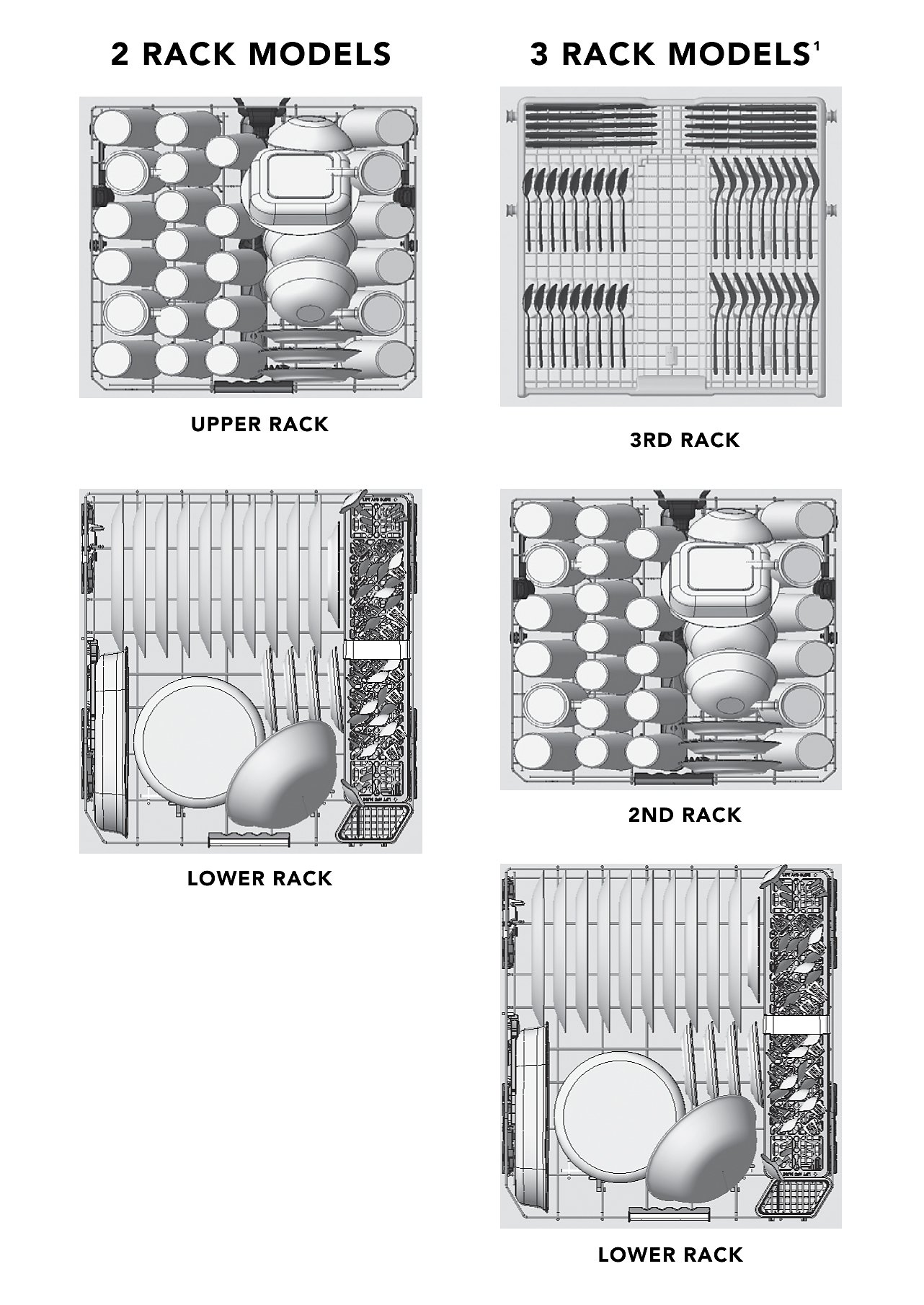
Image Source: kitchenaid-h.assetsadobe.com
Preparing Your Dishes for the Wash
Before you even think about loading dishwasher racks, a little preparation goes a long way. Loading dishwasher efficiently starts with removing large food scraps. You don’t need to scrub every plate clean, but large chunks of food, like leftover mashed potatoes or a piece of steak, can clog the spray arms and filter. A quick scrape into the trash or compost bin is usually sufficient.
Dealing with Stubborn Residue
What about sticky or baked-on food? For very stubborn residue, like burnt cheese or dried-on oatmeal, a quick dishwasher pre-rinse can be beneficial. You don’t need to wash the item, just a quick rinse under running water to remove the worst of the buildup. This saves water compared to a full wash and helps prevent grease and debris from recirculating in the wash.
Items Not Suitable for the Dishwasher
While KitchenAid dishwashers are robust, some items are best hand-washed. Delicate china with hand-painted designs, fine crystal, antique silverware, cast iron pans, and items with wooden handles should generally avoid the dishwasher. Always check the care labels on your cookware and dinnerware.
Mastering Dishwasher Rack Placement: Top vs. Bottom
The layout of your KitchenAid dishwasher’s racks is designed for optimal cleaning. Understanding dishwasher rack placement is key to maximizing dishwasher space and ensuring all items get clean.
The Top Rack: Designed for Delicates and Smaller Items
The top rack is typically for lighter, more delicate items. This includes:
- Glasses and Cups: Place glasses and mugs upside down, angled slightly to allow water to drain. Ensure they don’t touch each other to prevent chipping.
- Small Bowls and Saucers: Position these so water can reach their interiors.
- Plasticware: As mentioned, most plastics are safe. Place them on the top rack where they are less exposed to direct heat from the heating element, which is usually at the bottom. Secure them so they don’t flip over and fill with water.
- Utensils in a Basket: Many KitchenAid dishwashers come with a utensil basket. You can place cutlery in this basket.
Utensil Basket Strategies
When loading dishes into the utensil basket, mix things up to prevent nesting.
- Handles Down: For most items like forks and spoons, place them handle down. This allows the eating surface to be cleaned more effectively.
- Handles Up: For knives and sharp objects, place them handles up for safety.
- Separation is Key: Don’t bundle all your spoons together. Mix forks, spoons, and knives to ensure water and dishwasher detergent can reach all surfaces.
- Secure Smaller Items: Small plastic lids or other small items can often be safely placed in the utensil basket, ensuring they don’t get lost or obstruct spray arms.
The Bottom Rack: For Plates, Pots, and Heavily Soiled Items
The bottom rack is designed to handle larger, sturdier items that might require more cleaning power.
- Plates: Most KitchenAid dishwashers have tines designed to hold plates upright. Place them facing inward towards the center of the dishwasher. Don’t overcrowัด them together, as this can prevent water from reaching the surfaces. For heavily soiled plates, ensure they are not directly blocking the spray arm.
- Pots and Pans: If dishwasher-safe, place pots and pans on the bottom rack, ideally angled downwards. Ensure no handles are sticking up too high and blocking the spray arm.
- Larger Bowls: Place larger bowls upside down or angled to allow for proper drainage.
- Cutting Boards: If dishwasher-safe, place them on the sides of the rack so they don’t obstruct the spray arm.
Loading Pots and Pans Effectively
- Check for “Dishwasher Safe”: Always verify that your cookware is indeed safe for dishwasher use.
- Avoid Nesting: Don’t stack pots and pans inside each other. This prevents water and detergent from circulating.
- Angle for Drainage: Position pots and pans so that water can drain out of them easily.
- Consider the Spray Arm: Ensure that no pot or pan handle is positioned in a way that blocks the rotation of the spray arm.
Advanced Dishwasher Loading Tips for Peak Performance
Beyond basic rack placement, several dishwasher loading tips can elevate your cleaning results and further maximize dishwasher space.
Maximizing Space with Adjustable Racks
Many KitchenAid dishwashers feature adjustable upper racks. This is a fantastic feature for loading dishwasher items of varying heights.
- Raising the Rack: Provides more clearance on the bottom rack for taller items like baking sheets or large platters.
- Lowering the Rack: Creates more space on the top rack for taller glasses or stemware.
Experiment with the rack height based on what you are washing that day.
The Importance of Water Flow
The fundamental principle behind effective dishwashing is the flow of water and dishwasher detergent.
- Avoid Overcrowding: This is perhaps the most crucial tip. An overcrowded dishwasher means water and detergent can’t reach all surfaces. You might end up with dirty dishes and have to run the cycle again, wasting water and energy.
- Angling for Drainage: Ensure that no item is pooling water. Everything should be angled so water can run off.
- Spray Arm Clearance: Double-check that the spray arms can rotate freely. If a large pot or a rack handle is blocking them, your dishes won’t get clean.
Pre-treating Tough Stains
For really tough grease or dried-on food, consider a short soak in hot water before loading. This can significantly reduce the need for a dishwasher pre-rinse and improve the effectiveness of the wash cycle.
Understanding KitchenAid Dishwasher Cycles
Your KitchenAid dishwasher offers various dishwasher cycles to tackle different cleaning needs. Choosing the right cycle is as important as proper loading.
Common Dishwasher Cycles Explained
- Normal/Auto Cycle: This is your everyday cycle for regularly soiled dishes. Many KitchenAid models have an “Auto” cycle that uses sensors to determine how long and how hot the wash should be based on the soil level.
- Heavy Duty/Pots & Pans: Designed for heavily soiled pots, pans, and dishes. This cycle typically uses hotter water and longer wash times.
- Light/China/Delicates: For lightly soiled items or delicate dishware. Uses lower temperatures and shorter wash times to protect fragile items.
- Quick Wash/Express Wash: For lightly soiled dishes that need to be cleaned quickly. This cycle is shorter but may not be as effective on heavily soiled items.
- Rinse Only: Use this cycle if you want to rinse dishes before running a full load later. It doesn’t use detergent.
Selecting the Right Cycle
- For a standard load of dinner plates, bowls, and glasses, the Normal or Auto cycle is usually sufficient.
- For casserole dishes with baked-on cheese or greasy pans, opt for the Heavy Duty cycle.
- If you’re washing wine glasses or fine china, select the Light or Delicates cycle.
- If you’re short on time and only have lightly soiled items, the Quick Wash is your go-to.
The Role of Dishwasher Detergent, Salt, and Rinse Aid
To achieve the best results, your KitchenAid dishwasher needs the right cleaning agents. Using dishwasher detergent, dishwasher salt, and dishwasher rinse aid correctly is crucial.
Dishwasher Detergent: The Cleaning Powerhouse
Dishwasher detergent comes in pods, powders, or gels.
- Pods: Convenient and pre-measured, pods usually contain a combination of detergent, rinse aid, and sometimes salt. Follow the instructions for where to place the pod (usually in the main wash compartment).
- Powder/Gel: Measure the amount recommended by the detergent manufacturer and your dishwasher’s manual. Place it in the main wash compartment.
Important: Always use detergent specifically designed for automatic dishwashers. Never use liquid dish soap for handwashing, as it will create excessive suds and can damage your appliance.
Dishwasher Salt: Essential for Hard Water Areas
Dishwasher salt is a crucial component for dishwashers, especially in areas with hard water.
- What it Does: Dishwasher salt is not the same as table salt. It’s a coarse, granulated salt that is used to regenerate the ion-exchange resin in the dishwasher’s water softener. This process removes calcium and magnesium ions from the water, preventing limescale buildup on your dishes and the dishwasher itself.
- When to Use It: If your area has hard water (you notice white film on dishes or a gritty residue), you will need to use dishwasher salt. Most KitchenAid dishwashers have a compartment for this, often located at the bottom of the tub.
- How to Refill: Check your KitchenAid dishwasher manual for the specific location of the salt compartment. Unscrew the cap and fill it with dishwasher salt. It’s normal for some water to spill out when filling.
Dishwasher Rinse Aid: For Spotless Shine
Dishwasher rinse aid is a liquid that is automatically dispensed during the final rinse cycle.
- What it Does: Rinse aid reduces the surface tension of water, causing it to sheet off dishes rather than forming droplets. This helps prevent water spots and streaks, leading to shinier, spot-free dishes and faster drying.
- Where to Add It: Most KitchenAid dishwashers have a separate compartment for rinse aid, usually located next to the detergent dispenser.
- How to Refill: Open the rinse aid dispenser and fill it to the indicated level. The dispenser will release rinse aid automatically during the rinse cycle. You’ll typically need to refill it every few weeks or months, depending on usage.
Troubleshooting Common Dishwasher Loading Issues
Even with the best intentions, you might encounter problems. Here are solutions to common issues related to loading dishwasher items:
| Problem | Cause | Solution |
|---|---|---|
| Dishes not getting clean | Overcrowding, blocked spray arms, wrong cycle, insufficient detergent | Re-evaluate loading to ensure proper spacing and spray arm clearance. Use the appropriate wash cycle and ensure enough dishwasher detergent is used. Consider a pre-rinse for tough residue. |
| White film on glasses | Hard water, insufficient rinse aid | Ensure dishwasher salt is used if you have hard water. Check and refill the dishwasher rinse aid dispenser. |
| Utensils not clean | Nesting, items blocking each other in the basket | Mix cutlery in the utensil basket so they don’t nest. Place items handles up or down to ensure maximum contact with water and detergent. |
| Plastic items warping/melting | Placed too close to heating element on the bottom rack | Always place plastic items on the top rack. Check if the plastic is dishwasher-safe. |
| Dishwasher not draining | Clogged filter, drain hose kinked | Clean the dishwasher filter regularly. Ensure the drain hose is not kinked or blocked. |
Maintaining Your KitchenAid Dishwasher
Proper loading is just one part of keeping your dishwasher running smoothly. Regular maintenance ensures longevity and optimal performance.
Cleaning the Filter
The filter, usually located at the bottom of the dishwasher tub, traps food particles. A clogged filter will impede water flow and cleaning performance.
- Frequency: Check and clean your filter at least once a month, or more often if you notice reduced cleaning effectiveness.
- How to Clean: Most KitchenAid dishwashers have a removable filter system. Consult your manual for specific instructions on how to remove and clean it. Typically, you’ll rinse it under warm running water, using a soft brush to remove any stubborn debris.
Checking Spray Arms
Ensure the spray arms are free from debris. Small food particles can get lodged in the holes, reducing their ability to spray water effectively.
- How to Check: Rotate the spray arms manually. If they don’t spin freely, check for any obstructions. Some spray arms can be removed for cleaning.
Running a Cleaning Cycle
Periodically run an empty cycle with a dishwasher cleaner or a cup of white vinegar in the top rack to descale and remove odors.
Frequently Asked Questions About Loading a KitchenAid Dishwasher
Here are some common questions people have about loading dishwasher items into their KitchenAid appliance.
Q1: Can I put wooden items in my KitchenAid dishwasher?
A1: It’s generally not recommended to put wooden items, especially those with wooden handles or wooden serving utensils, in the dishwasher. The hot water and harsh detergents can cause wood to warp, crack, or become dull.
Q2: How should I load pots and pans in my KitchenAid dishwasher?
A2: Place pots and pans on the bottom rack, facing the center of the dishwasher. Ensure they are angled so water can drain out and that no handles are obstructing the spray arms. Always confirm they are dishwasher-safe first.
Q3: Is it necessary to pre-rinse dishes before loading?
A3: For most modern dishwashers, including KitchenAid models, heavy pre-rinsing is not necessary. A simple scrape to remove large food particles is usually enough. The dishwasher detergent is formulated to handle most food residues. However, for very stubborn or dried-on food, a quick rinse can be beneficial.
Q4: How often should I refill the rinse aid?
A4: The frequency of refilling the dishwasher rinse aid depends on your usage and the dispenser setting. Typically, a refill lasts several weeks to a few months. Your dishwasher’s indicator light will usually tell you when it’s low.
Q5: Why are my dishes still dirty after a wash cycle?
A5: This could be due to several reasons: overcrowding, blocked spray arms, using the wrong dishwasher cycles, insufficient dishwasher detergent, or a clogged filter. Review your loading dishwasher habits and maintenance schedule.
By following these guidelines, you’ll ensure your KitchenAid dishwasher performs at its best, delivering clean and sparkling dishes with every wash. Happy dishwashing!