
A clogged kitchen sink is a common household headache. When your kitchen sink is not draining, it’s usually because of common household waste that has built up in the pipes, or sometimes it’s a sign of a more significant plumbing issue. Fortunately, most kitchen sink drainage problems can be resolved with simple DIY methods. This comprehensive guide will delve into the typical reasons for kitchen sink not draining, explain how to diagnose the issue, and provide effective how to unclog kitchen sink solutions.
A slow draining kitchen sink is often the first sign that trouble is brewing. Ignoring this early warning can lead to a complete kitchen sink backup, making your kitchen unusable and potentially causing water damage. Let’s explore why this happens and what you can do about it.
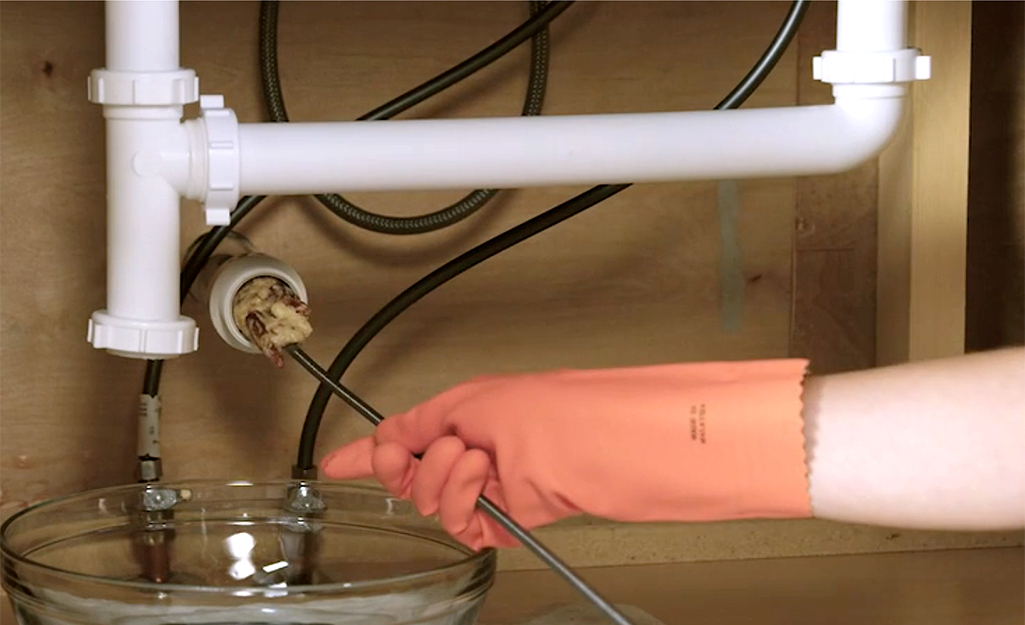
Image Source: contentgrid.homedepot-static.com
Deciphering the Causes of a Kitchen Sink Not Draining
Several factors can contribute to a kitchen sink drain blockage. Most often, it’s a combination of everyday kitchen activities and the types of materials we send down the drain.
Common Culprits of Kitchen Sink Drain Blockage
- Grease and Oil Buildup: This is perhaps the most frequent offender. When hot grease, oil, or fat is poured down the drain, it can remain liquid. As it cools, it solidifies and sticks to the inside of the pipes. Over time, this sticky residue narrows the pipe, trapping other debris and creating a blockage.
- Food Scraps: Even with a garbage disposal, small food particles, coffee grounds, pasta, rice, and vegetable peels can accumulate in the drainpipe. These items don’t break down easily and can form a dense mass that prevents water flow.
- Soap Scum: Liquid dish soap and bar soap can leave behind a residue. This soap scum, combined with hard water minerals, can coat the inside of the pipes, reducing their diameter and trapping grease and food particles.
- Foreign Objects: Sometimes, accidental items like small utensils, bottle caps, or even children’s toys can find their way into the drain, causing an obstruction.
- Hair: While more common in bathroom drains, hair can sometimes get washed down the kitchen sink, especially if you’re rinsing out a sink after washing something with hair in it.
- Mineral Deposits: In areas with hard water, mineral deposits like calcium and magnesium can build up on the inside of pipes. This calcification narrows the pipe and can snag other debris, leading to a blockage.
- Improper Garbage Disposal Use: Overloading the garbage disposal or putting certain items (like fibrous vegetables, bones, or starchy foods) down it can overwhelm the unit and lead to clogs further down the pipe.
- Pipe Issues: In older homes, kitchen sink pipes clogged can occur due to aging pipes that have corroded internally, developed tree root intrusion from nearby plants, or have a faulty trap that’s not designed to handle the volume of waste.
Diagnosing Your Kitchen Sink Drainage Problems
Before you can fix a slow draining kitchen sink or a complete blockage, you need to identify the problem.
Pinpointing the Location of the Blockage
- Check the Other Side of a Double Sink: If you have a double-basin sink, try running water in the other basin. If it drains normally, the clog is likely in the drainpipe or P-trap specific to the clogged side. If both sides are slow or not draining, the clog is likely further down in the main drainpipe.
- Look for Obvious Obstructions: Sometimes, the clog is right at the drain opening. Check if any food debris or foreign objects are visible and easily removable.
Signs of a Kitchen Sink Backup
- Water Pooling: The most obvious sign is water failing to drain away.
- Gurgling Sounds: When you run water, or when water is draining from another fixture, you might hear gurgling sounds from the drain. This indicates trapped air that can’t escape due to an obstruction.
- Foul Odors: Stagnant water and decaying food particles in a clogged pipe can produce unpleasant smells.
- Slow Draining: As mentioned, a kitchen sink drain slow is a precursor to a full clog.
Effective Fixes for a Clogged Kitchen Sink
Once you’ve identified the issue, you can try these methods to clear your clogged kitchen sink.
DIY Unclogging Methods
Here are several approaches to tackle kitchen sink pipes clogged:
1. The Boiling Water Flush
This is the simplest method and works best for grease clogs.
- Process: Boil a kettle or pot of water. Carefully pour the boiling water directly down the drain in stages. Allow a few seconds between each pour.
- Why it Works: The heat helps to melt and liquefy solidified grease and soap scum, allowing it to flow away.
- Caution: Do not use boiling water if you have PVC pipes, as it can warp or damage them. Hot tap water is a safer alternative.
2. The Plunger Method
A plunger creates suction that can dislodge blockages.
- Process:
- Ensure there’s enough water in the sink to cover the plunger cup.
- If you have a double sink, seal the other drain opening with a wet cloth or stopper to create a better seal.
- Place the plunger cup firmly over the drain opening, creating a tight seal.
- Push down and pull up sharply several times, maintaining the seal.
- Lift the plunger quickly. If the water starts to drain, you’ve likely dislodged the clog. Repeat if necessary.
- Why it Works: The plunging action creates alternating pressure and suction, forcing the obstruction to move.
3. Baking Soda and Vinegar
This natural cleaner can help break down minor clogs.
- Process:
- Pour about half a cup of baking soda down the drain.
- Follow with an equal amount of white vinegar.
- Immediately cover the drain with a stopper or cloth. You’ll hear fizzing.
- Let it sit for 15-30 minutes (or longer for tougher clogs).
- Flush with hot water.
- Why it Works: The chemical reaction between baking soda (a base) and vinegar (an acid) creates carbon dioxide gas, which can help loosen debris and break down grease and grime.
4. Salt and Hot Water
Salt can act as an abrasive and help dissolve greasy buildup.
- Process:
- Mix half a cup of salt with half a cup of baking soda.
- Pour the mixture down the drain.
- Pour a pot of hot (not boiling) water down the drain.
- Let it sit for about 30 minutes.
- Flush with more hot water.
- Why it Works: Similar to baking soda and vinegar, the salt can help scrub away buildup, and the hot water melts grease.
5. Using a Drain Snake (Auger)
For more stubborn clogs, a drain snake is a mechanical solution.
- Process:
- Carefully feed the end of the drain snake into the drain opening.
- Push the snake down the pipe until you feel resistance, indicating the clog.
- Turn the handle to rotate the auger, which will either break up the clog or snag it.
- Slowly pull the snake back out, bringing any debris with it.
- Flush the drain with hot water.
- Why it Works: The auger physically breaks apart or hooks onto the obstruction.
6. Cleaning the P-Trap
The P-trap is the U-shaped pipe under your sink. It’s designed to hold water to prevent sewer gases from entering your home, but it can also be a common spot for clogs.
- Process:
- Place a bucket or container under the P-trap to catch any water or debris.
- Loosen the slip nuts on either side of the P-trap (you might need pliers or a pipe wrench).
- Carefully remove the P-trap.
- Empty its contents into the bucket and clean it thoroughly with a brush and hot, soapy water.
- Reassemble the P-trap, ensuring the slip nuts are tightened securely to prevent leaks.
- Run water to test for leaks and drainage.
- Why it Works: This directly removes any obstructions lodged within the trap itself.
When to Use Commercial Drain Cleaners
Commercial drain cleaners are effective but can be harsh.
- Types: They often contain strong chemicals like lye or sulfuric acid, designed to dissolve organic matter.
- When to Use: Consider these as a last resort for DIY methods, especially if you have a kitchen sink drain slow and other methods haven’t worked.
- How to Use: Always follow the manufacturer’s instructions carefully. Wear gloves and eye protection. Ensure good ventilation. Never mix different drain cleaners, as this can create dangerous fumes.
- Risks: These chemicals can be corrosive to pipes, especially older ones, and are harmful to the environment. They are also dangerous if they splash onto skin or eyes. If the clog persists after using a chemical cleaner, do not attempt to use another type; call a plumber.
Preventing Future Kitchen Sink Drainage Problems
The best way to deal with a kitchen sink backup is to prevent it from happening in the first place.
Preventive Maintenance Tips
- Scrape Plates: Always scrape food scraps into the trash or compost bin before rinsing dishes.
- Avoid Pouring Grease Down the Drain: Collect grease in a disposable container (like an old can or jar) and dispose of it in the trash once it solidifies.
- Use a Drain Strainer: A mesh strainer in the sink drain will catch food particles and debris before they enter the pipes. Empty it regularly into the trash.
- Run Cold Water with Garbage Disposal: If you use a garbage disposal, always run cold water for at least 15-30 seconds before, during, and after use. This helps flush food particles through the pipes.
- Avoid Fibrous Foods and Starchy Items in Disposal: Items like celery stalks, corn husks, potato peels, and rice can expand and form sticky masses, contributing to kitchen sink pipes clogged.
- Regularly Flush with Hot Water: Pouring hot water down the drain once a week can help melt away any accumulating grease and soap scum.
- Baking Soda Flush: Performing the baking soda and vinegar flush monthly can help keep drains clear.
When to Call a Professional Plumber
While many kitchen sink drainage problems can be solved with DIY methods, there are times when professional help is necessary.
Signs You Need a Plumber
- Persistent Clogs: If you’ve tried multiple DIY methods and the sink still isn’t draining properly, the blockage might be too severe or located in a place you can’t reach.
- Multiple Fixtures Affected: If you notice slow drains or backups in other sinks, toilets, or showers in your home, it suggests a clog in your main sewer line, which requires professional equipment to address.
- Foul Odors Persist: Persistent bad smells can indicate a significant blockage or a problem with your plumbing vent system.
- Water Damage: If you suspect water is leaking from your pipes due to the clog or any previous repairs, it’s best to call a plumber to prevent further damage.
- Lack of Confidence: If you’re not comfortable performing any of the DIY fixes, it’s always safer to call a professional. They have the tools, expertise, and experience to handle kitchen sink drain issues efficiently and safely.
Table: Common Causes and DIY Fixes
| Cause of Clog | Likelihood | DIY Fixes Recommended |
|---|---|---|
| Grease and Oil Buildup | High | Boiling Water Flush, Baking Soda & Vinegar, Plunger |
| Food Scraps | High | Plunger, Drain Snake, Cleaning P-Trap, Baking Soda & Vinegar |
| Soap Scum | Medium | Boiling Water Flush, Baking Soda & Vinegar, Plunger |
| Foreign Objects | Low | Drain Snake, Cleaning P-Trap |
| Hair | Low | Drain Snake, Plunger |
| Mineral Deposits | Medium | Hot Water Flush, Baking Soda & Vinegar (may require longer soaking) |
| Improper Garbage Disposal Use | Medium | Plunger, Drain Snake, Check Disposal for obstruction |
Frequently Asked Questions (FAQ)
Q1: Can I use bleach to unclog my kitchen sink?
While bleach can kill bacteria and deodorize, it’s not very effective at dissolving grease or food particles that cause most kitchen sink clogs. Furthermore, mixing bleach with other cleaners (especially those containing ammonia or acid) can create toxic fumes. It’s generally safer and more effective to use methods like baking soda and vinegar or a plunger.
Q2: How often should I clean my kitchen sink drain?
Regular preventive maintenance is key. Aim to flush your drains with hot water weekly, and consider a baking soda and vinegar treatment monthly. Using a drain strainer and clearing it regularly will also significantly reduce the chance of clogs.
Q3: My garbage disposal isn’t working, and the sink won’t drain. What should I do?
First, check if the disposal is jammed. Look for a reset button on the bottom of the unit and press it. If it still won’t run, there might be something lodged inside. Ensure the power is off to the disposal, and then use an Allen wrench in the center hole at the bottom of the unit to try and free any obstruction. If the disposal is clear but the sink still won’t drain, you likely have a clog downstream from the disposal.
Q4: Is it safe to pour Drano or other chemical drain cleaners down my sink?
Chemical drain cleaners can be effective but are also harsh. They can damage certain types of pipes, especially older metal ones. They are also dangerous to handle and can cause serious burns if they splash. If you use one and it doesn’t work, do not try another type of chemical cleaner, as mixing them can create hazardous fumes. If DIY methods fail, it’s often safer and more effective to call a plumber.
Q5: Why does my kitchen sink drain so slowly sometimes?
A kitchen sink drain slow is usually an early warning sign of a developing clog. It means that grease, food particles, soap scum, or mineral deposits have started to build up inside the pipe, narrowing the passage for water. Addressing it promptly with one of the DIY methods mentioned will prevent a complete blockage.
By following these guidelines and understanding the common causes, you can effectively manage and prevent kitchen sink drainage problems and keep your kitchen running smoothly.