
What is the best paint for kitchen chairs? The best paint for kitchen chairs is often a durable option like alkyd enamel, mineral paint, or high-quality chalk paint. You should seal these paints with a strong topcoat. These paints stand up well to daily use and spills. Can I paint kitchen chairs without sanding kitchen chairs? In most cases, you should sand kitchen chairs. Sanding helps the new paint stick much better. Some paints, like chalk paint, can stick without much sanding. But a light sanding is always a good idea for a lasting finish. Who should paint kitchen chairs? Anyone can paint kitchen chairs! You do not need to be an expert. With good steps and the right tools, you can get a pro look at home. This guide will show you how to do it perfectly.
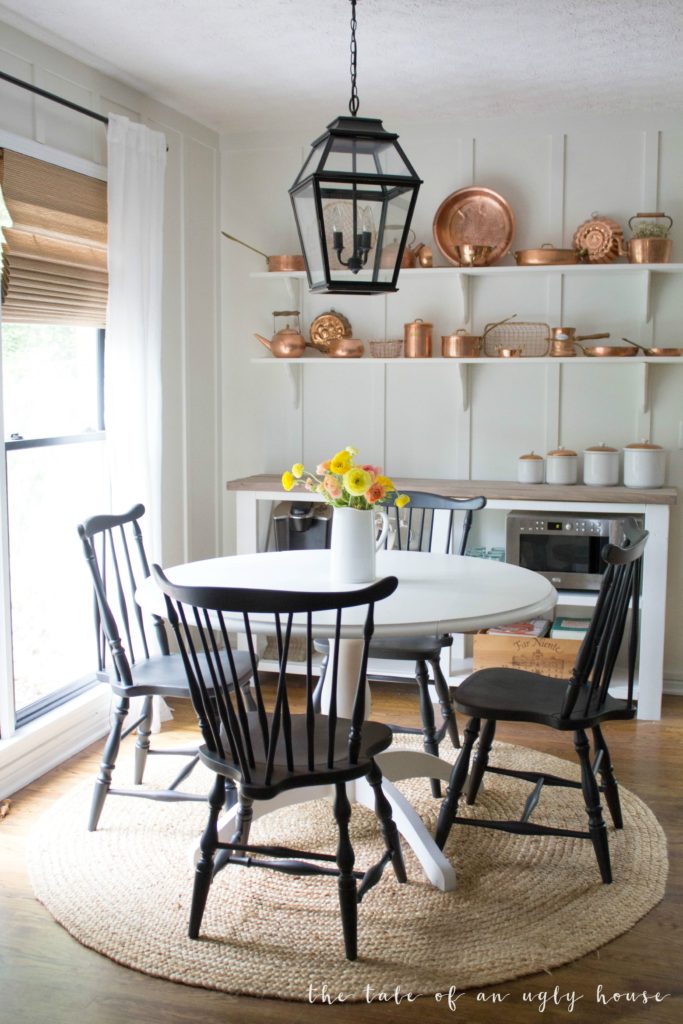
Image Source: sincerelymariedesigns.com
Why Give Your Kitchen Chairs a New Look?
Kitchen chairs see a lot of life. They get bumps, spills, and daily wear. Painting them gives old chairs a fresh start. It saves money over buying new ones. You can match them to your home style. You can also make them a bold new part of your kitchen decor. A new paint job makes chairs look new again. It also helps them last longer.
Collecting Your Tools and Materials
Before you start, get everything ready. Having all your items nearby makes the job smooth. Here is what you will need:
H4 Essential Tools
- Drop Cloths or Old Sheets: To protect your floor.
- Gloves: To keep paint off your hands.
- Safety Glasses: To shield your eyes from dust and paint.
- Screwdriver/Wrench: To take apart chair parts if needed.
- Scrub Brush or Sponge: For cleaning.
- Buckets: For cleaning water.
- Rags or Microfiber Cloths: For wiping and drying.
- Sanding Sponges or Sandpaper: In various grits.
- Orbital Sander: Optional, for faster sanding.
- Shop Vacuum or Dust Brush: For cleaning dust.
- Painter’s Tape: To protect areas you do not want painted.
- Paint Brushes: Good quality synthetic brushes for smooth finishes.
- Small Foam Rollers: For flat areas, less brush strokes.
- Paint Tray: For rollers.
- Paint Stir Stick: To mix your paint well.
- Ventilation Mask/Respirator: To protect your lungs from fumes.
H4 Selecting the Right Paint and Preparations
Choosing the right paint makes a big difference. It affects how your chairs look and how long they last.
- Cleaners:
- TSP (Trisodium Phosphate) Substitute: A strong cleaner for greasy chairs.
- Dish Soap and Water: For lighter cleaning.
- Mineral Spirits or Denatured Alcohol: For very greasy spots or old wax.
- Patching Materials:
- Wood Filler: For dents and holes.
- Wood Glue: For loose joints.
- Primer: A vital step for most paint jobs.
- Adhesion Primer: Best for slick surfaces.
- Stain-Blocking Primer: Good for preventing old stains from showing through.
- Shellac-Based Primer: Very good at blocking tough stains and odors.
- Paint: This is where you pick your color and finish.
- Alkyd Enamel Paint: Offers a very hard, smooth surface. It is very durable. It can be oil-based or water-based (often called “waterborne alkyd”). Water-based alkyds are easier to clean up. They dry slower than typical latex, allowing a smoother finish. This is a top choice for a durable finish for chairs.
- Mineral Paint: A natural, low-VOC paint. It is very tough and self-leveling. It does not need a topcoat, which makes it easy to use.
- Chalk Paint: Known for its matte, soft look. It sticks to most surfaces without much sanding or priming. You must seal it with wax or a clear topcoat. This is great for chalk paint kitchen chairs.
- Latex (Acrylic-Latex) Paint: Common house paint. It is easy to use and clean up. Choose a satin or semi-gloss finish for chairs. You will need a good primer and topcoat for durability.
- Spray Paint: Comes in cans. It is fast and gives a smooth finish with no brush marks. It is good for chairs with many small parts. We will talk more about spray painting kitchen chairs later.
- Topcoat/Sealer: This protects your paint job. This step is key for sealing painted chairs and creating a durable finish for chairs.
- Polyurethane (Water-Based or Oil-Based): Very strong. Water-based does not yellow. Oil-based is tougher but can yellow light colors. This is a great clear coat for painted furniture.
- Polycrylic: A water-based clear coat. It is easy to use and dries fast. It is not as strong as polyurethane but still good. It will not yellow.
- Wax (for Chalk Paint): Gives chalk paint a soft sheen and protects it. Needs reapplication over time.
- Varnish: A very hard, clear finish, often oil-based. It is very durable but can yellow.
- Lacquer: A quick-drying, hard finish. Often applied by spray. Professional finish.
Step-by-Step Guide to Painting Kitchen Chairs
Follow these steps for a pro-level finish. Each step is important for lasting results.
H4 Prepping Your Chairs: The Most Important Step
Good prep means good results. Do not rush this part.
H5 Disassembly and Initial Cleaning
First, take the chairs apart if you can. Often, chair seats can be removed. This lets you paint all parts easily. If parts are loose, glue them with wood glue. Clamp them tight until dry.
Next, clean the chairs well. Use a strong cleaner like TSP substitute. Mix it in a bucket with water. Scrub all surfaces. Pay extra attention to greasy spots, like armrests or areas where hands touch. Rinse well with clean water. Let the chairs dry completely. Any dirt or grease left behind will stop paint from sticking.
H5 Repairing Imperfections
Look for dents, scratches, or small holes. Fill them with wood filler. Use a putty knife to apply it smoothly. Let it dry fully. Drying times are on the filler package. Once dry, sand the filled areas smooth.
H5 Sanding Kitchen Chairs for Good Adhesion
Sanding kitchen chairs is very important. It creates a rough surface for the paint to grip. Even if using paint that says “no sanding needed,” a light sanding is still best. It always makes the paint stick better.
- First Sanding (Rough): Start with 100 or 120-grit sandpaper. This grit removes old finish and smooths rough spots. Sand with the grain of the wood. If using an orbital sander, move it evenly over the surface.
- Second Sanding (Smooth): Switch to 180 or 220-grit sandpaper. This finer grit smooths the surface further. It removes any marks from the coarser sanding. The goal is a smooth, dull surface, not shiny.
- For Chalk Paint: You can use a much lighter sanding, like 220-grit, or simply scuff the surface with a sanding sponge. Chalk paint often sticks to slick surfaces well. But a light scuff helps.
H5 Removing Dust
After sanding, there will be a lot of dust. This dust can ruin your paint job. Use a shop vacuum or a dry brush to remove most of it. Then, wipe the chairs with a tack cloth or a damp (not wet) microfiber cloth. Let them dry fully before moving on. Make sure the area is dust-free.
H5 Masking and Protecting
Use painter’s tape to cover any parts you do not want painted. This includes chair feet, metal parts, or parts of the seat you might not have removed. Press the tape down firmly. This stops paint from bleeding under the tape.
H4 Priming Kitchen Chairs: A Strong Foundation
Priming kitchen chairs is a vital step. Primer helps the paint stick better. It also covers old stains and color. It helps you use less topcoat paint.
- Why Prime?
- Adhesion: Primer gives paint something to hold onto.
- Stain Blocking: It stops old wood stains or knots from showing through your new paint. This is key if you are painting light colors over dark wood.
- Even Color: Primer creates a uniform base color. This makes your topcoat color look true.
- Durability: A good primer layer adds to the overall strength of your paint job. It helps in preventing paint chipping on chairs.
- Types of Primer:
- Water-Based Primer: Easy to clean up with water. Dries fast. Good for most general uses.
- Oil-Based Primer: Stronger. Very good at blocking stains and odors. Dries slower. Needs mineral spirits for cleanup.
- Shellac-Based Primer (e.g., Zinsser B-I-N): The best for blocking tough stains, odors, and knots. Dries very fast. Cleans up with denatured alcohol.
- Application: Apply one or two thin coats of primer. Use a good brush or a small foam roller. Let each coat dry fully before adding the next. Follow the drying times on the primer can. Lightly sand with 220-grit sandpaper after the primer dries if it feels rough. Then wipe off dust.
H4 Painting Techniques: Brush, Roll, or Spray
Now for the fun part: applying the paint! The method you choose affects the final look.
H5 Brush and Roller Application
This is the most common way.
* Brushes: Use a good quality synthetic brush. Nylon/polyester brushes work well with water-based paints. Apply paint in thin, even strokes. Work with the grain of the wood. Avoid thick coats; they can drip and dry unevenly.
* Rollers: Small foam rollers are great for flat parts like chair seats or backs. They give a smooth finish with fewer brush marks.
* Application Process:
1. Pour some paint into a paint tray.
2. Dip your brush or roller. Do not overload it.
3. Apply a thin, even coat. Paint tricky areas first, then flat areas.
4. Let the first coat dry completely. This might take a few hours or more. Check the paint can for exact times.
5. Apply a second thin coat. Two thin coats are always better than one thick coat. You might need a third coat for full coverage.
6. Lightly sand with 220-grit sandpaper between coats if needed. This removes any dust bumps and helps the next coat stick. Always wipe away dust.
H5 Spray Painting Kitchen Chairs
Spray painting kitchen chairs can give the smoothest finish. It is great for chairs with spindles or complex shapes. It also saves time.
- Setup: Spray painting needs a well-ventilated area. Protect everything around with drop cloths. Wear a mask. You can hang chairs or place them on risers (like small blocks of wood) to reach all sides.
- Technique (Aerosol Cans):
- Shake the can for one minute.
- Hold the can 8-12 inches from the chair.
- Use smooth, even strokes. Start spraying off the chair, move across, and stop spraying off the chair. This prevents drips.
- Apply many thin coats. Do not try to cover in one pass. Thin coats dry faster and look better.
- Rotate the chair to get all angles.
- Let each coat dry to the touch before adding the next. This might be just 15-30 minutes for spray paint.
- Technique (Paint Sprayer): If using an HVLP (High Volume, Low Pressure) sprayer, thin your paint as the sprayer manual suggests. Practice on scrap wood first. This gives a very professional finish. Clean the sprayer well after use.
H5 Chalk Paint Kitchen Chairs
Chalk paint kitchen chairs are popular for their soft, matte look. Chalk paint often needs less prep.
- Prep: You often do not need to sand or prime heavily. Just clean the chairs well. A light scuff with a sanding sponge is still good for extra grip.
- Application: Apply two or three thin coats. Chalk paint dries fast. You can use a brush for texture or a roller for smoother results.
- Sealing: Chalk paint must be sealed.
- Wax: For a soft, protective finish. Apply thin coats of clear wax with a brush or cloth. Wipe off excess. Buff after an hour for a soft sheen. This needs reapplication every year or so.
- Water-Based Poly/Polycrylic: For more durability, especially for kitchen chairs. Apply two to three thin coats. This offers a stronger durable finish for chairs.
H4 Sealing Painted Chairs: The Final Touch
Sealing painted chairs is crucial for a lasting, durable finish for chairs. This topcoat protects your paint from chips, scratches, and spills. It is key for preventing paint chipping on chairs.
-
Choosing Your Topcoat:
- Polyurethane (Water-Based): Excellent for durability. It dries clear and will not yellow. Great for light-colored chairs. Apply 2-3 thin coats. Sand lightly with 220-grit between coats if rough. This is a top choice for clear coat for painted furniture.
- Polycrylic: A good alternative to polyurethane. It is also water-based, easy to clean, and dries fast. Not as tough as poly but still good. Will not yellow.
- Oil-Based Polyurethane: Very tough and durable. But it can add a slight amber tint, especially over white or light colors. It is best for dark colors or natural wood. Clean up with mineral spirits.
- Wax: As mentioned, for chalk paint. Provides a softer protection.
-
Application:
- Make sure the paint is fully dry. This means waiting the full cure time, not just dry-to-touch. This can be 24-72 hours.
- Apply thin, even coats of your chosen topcoat. Use a good synthetic brush or foam applicator.
- Work in a dust-free area. Dust can stick to the wet topcoat.
- Let each coat dry fully. Lightly sand with very fine grit (320-400 grit) sandpaper between coats if you feel bumps. Then, wipe off all dust.
- Apply 2-3 coats for good protection. More coats mean more durability.
H4 Ensuring a Durable Finish for Chairs
The whole process aims for a durable finish for chairs. Here are key points:
- Proper Prep: Cleaning and sanding well.
- Good Primer: Using the right primer for adhesion and stain blocking.
- Thin Coats: Many thin coats of paint and topcoat are stronger than one thick one. They cure better and are less likely to chip.
- Full Cure Time: Let the paint and topcoat cure fully. “Dry to touch” is not “cured.” Curing can take days or even weeks for some paints. Wait at least 7 days before heavy use. The longer you wait, the stronger the finish.
- High-Quality Products: Invest in good paint and topcoat. Cheap products may not last.
H4 Preventing Paint Chipping on Chairs
No one wants chipped paint. Follow these tips for preventing paint chipping on chairs:
- Thorough Cleaning: Any dirt or grease will cause paint to not stick well.
- Proper Sanding: Rough surface equals better grip for paint.
- Priming: Always use a primer. It bonds paint to the surface.
- Thin Coats: Thick paint coats chip more easily.
- Strong Topcoat: A durable topcoat like polyurethane or polycrylic is a must.
- Full Cure: Give the chairs plenty of time to fully cure before daily use.
- Careful Use: Even the best paint can chip if hit hard. Add felt pads to the bottom of chair legs to protect floors and chairs.
Design Ideas: Farmhouse Kitchen Chair Paint Ideas
Painting chairs lets you show your style. Here are some farmhouse kitchen chair paint ideas:
- Classic White: Timeless. White chairs look fresh and clean. They fit well with natural wood tables.
- Distressed Look: Paint chairs, then lightly sand edges and corners. This shows a bit of the old finish or wood. It gives an old, worn look.
- Muted Colors: Soft blues, greens, grays, or creams. These colors give a calm, cozy feel. They pair well with farmhouse decor.
- Two-Tone: Paint chair frames one color (e.g., white), and the seats another (e.g., a contrasting color or natural wood). This adds interest.
- Dark Accents: Black or dark gray chairs can add a modern farmhouse touch. They contrast well with light walls and wood.
Solving Common Problems
Even with good planning, problems can happen. Here is how to fix them:
- Drips or Sags: You applied too much paint. Let it dry, then sand the drip smooth. Reapply a thin coat.
- Brush Marks: Your paint might be drying too fast, or you used too much pressure. Try adding a paint conditioner (flow additive) to slow drying. Or use a finer brush.
- Rough Finish: This is often dust or not enough sanding between coats. Sand lightly with fine grit sandpaper. Clean very well. Reapply a thin coat.
- Peeling Paint: This means the paint did not stick. This often happens if the chair was not cleaned or sanded well. Or primer was skipped. You will need to strip the paint and start over.
- Sticky Finish: The paint or topcoat is not fully cured. Give it more time. Good airflow helps. Make sure you applied thin coats.
Care and Maintenance
Once your chairs are painted and cured, they need some care.
* Wipe Down: Clean with a damp cloth and mild soap. Avoid harsh cleaners.
* No Abrasives: Do not use abrasive sponges or cleaners. They can scratch your finish.
* Protect: Use felt pads under chair legs. This saves your floors and the chair finish.
* Touch-Ups: Keep a small amount of your paint for touch-ups. If a small chip happens, you can fix it quickly.
Frequently Asked Questions (FAQ)
H4 How long does painted kitchen furniture last?
A well-painted and sealed kitchen chair can last many years. The key is proper prep, good paint, a strong topcoat, and allowing full cure time. Some finishes, like alkyd enamel with polyurethane, are very tough.
H4 Can I use spray paint for an entire kitchen chair set?
Yes, you can use spray painting kitchen chairs for an entire set. It often gives a very smooth, factory-like finish. Just make sure to buy enough cans and work in a well-ventilated area. Use thin coats for the best results.
H4 Is chalk paint durable enough for kitchen chairs?
Chalk paint alone is not durable enough for kitchen chairs. It is porous and needs a strong sealer. When sealed with a good water-based polyurethane or polycrylic, chalk paint kitchen chairs can be very durable. Wax offers less protection and needs reapplication.
H4 What’s the difference between polycrylic and polyurethane for sealing painted chairs?
Polycrylic is a water-based clear coat. It dries fast, cleans up with water, and will not yellow. It is good for general use. Polyurethane can be water-based or oil-based. Water-based polyurethane is very durable and also will not yellow. Oil-based polyurethane is the toughest but can yellow light colors. For a clear coat for painted furniture, water-based poly is often the top choice for kitchen chairs.
H4 How do I ensure my paint doesn’t chip, especially on high-use areas?
To help with preventing paint chipping on chairs, focus on good surface prep (cleaning, sanding, priming), applying thin coats, and using a high-quality, durable topcoat like water-based polyurethane. Allowing the full cure time before use is also very important.
Painting your kitchen chairs can transform your space. With these steps, you can achieve a beautiful, long-lasting finish. Happy painting!