
Starting a kitchen remodel can feel overwhelming. What’s the first step in preparing for a kitchen remodel? The very first step is to define your goals and vision for the new space. This sets the stage for all subsequent decisions and ensures your renovation aligns with your needs and desires.
A kitchen remodel is a big project, but with careful planning, it can be an exciting and rewarding experience. This guide will walk you through the essential steps to prepare for your kitchen renovation planning, ensuring a smoother process from start to finish.
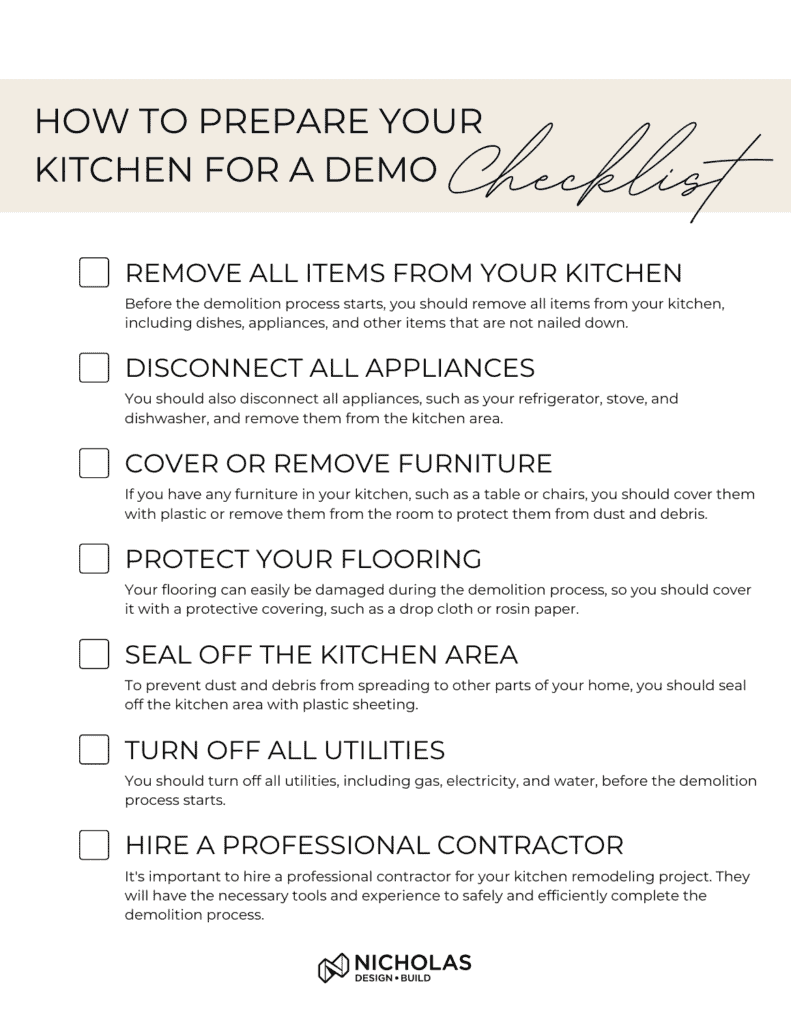
Image Source: nicholasdesignbuild.com
Laying the Groundwork: Your Kitchen Renovation Planning
Effective kitchen renovation planning is the bedrock of a successful project. It’s where dreams meet reality, and where your vision starts to take shape.
Defining Your Vision and Needs
Before you pick out a single cabinet door, take time to think about how you use your kitchen.
- Daily Routines:
- Who cooks most often?
- How many people typically use the kitchen at once?
- What appliances do you use daily? What do you wish you had?
- Entertaining Style:
- Do you host often?
- Do guests gather in the kitchen while you cook?
- Do you need more counter space for serving?
- Storage Requirements:
- What do you need to store? Pots, pans, small appliances, pantry items, dishes?
- Do you have enough space currently?
- What kind of organization would make your life easier?
Gathering Design Ideas
Inspiration is everywhere! Collecting design ideas will help you communicate your desired aesthetic to designers and contractors.
- Online Resources:
- Pinterest is a goldmine for design ideas. Look for color palettes, cabinet styles, countertop materials, and layout inspiration.
- Houzz offers professional project photos and allows you to save favorites.
- Interior design blogs and magazines provide current trends and timeless styles.
- In-Person Inspiration:
- Visit home improvement stores to see materials and cabinet displays firsthand.
- Look at kitchens in friends’ homes or in restaurants.
Setting Your Remodeling Budget
A realistic remodeling budget is crucial. It guides your decisions and prevents overspending.
Estimating Costs
The cost of a kitchen remodel varies widely based on size, scope, and material choices.
- Get Quotes: Obtain at least three detailed quotes from contractors.
- Factor in Everything: Include costs for design, materials, labor, permits, appliances, and a contingency fund.
- Contingency Fund: Always set aside 10-20% of your total budget for unexpected issues that often arise during renovations.
Prioritizing Your Wishlist
If your dream kitchen exceeds your initial budget, prioritize your must-haves versus your nice-to-haves.
- Must-Haves: These are non-negotiable items that significantly impact functionality or your enjoyment of the space. Examples: better workflow, essential appliance upgrades.
- Nice-to-Haves: These are desirable additions that can be considered if the budget allows or deferred for a later date. Examples: high-end decorative hardware, a custom spice rack.
Crafting Your Design and Layout
This is where your vision truly comes to life. The layout impacts functionality, and the design sets the mood.
Optimizing the Kitchen Layout
The layout is arguably the most critical element of a kitchen remodel.
- The Kitchen Work Triangle: This classic concept connects the sink, refrigerator, and stovetop. Aim for efficient spacing between these points.
- Zones: Modern kitchens often incorporate zones for cooking, cleaning, prep, and storage, improving workflow.
- Island or Peninsula: Consider if an island or peninsula would enhance your kitchen’s functionality and social appeal. This can add counter space, seating, and storage.
Selecting Material Choices
Your material choices will define the look, feel, and durability of your kitchen.
Cabinetry
- Stock, Semi-Custom, or Custom:
- Stock: Most affordable, limited sizes and styles.
- Semi-Custom: Wider range of sizes, styles, and finishes, moderate price.
- Custom: Built to your exact specifications, highest price point, unlimited options.
- Door Styles: Shaker, flat-panel, raised-panel, and inset are popular choices.
- Finishes: Painted, stained, or natural wood finishes offer different aesthetics.
Countertops
- Quartz: Durable, non-porous, low maintenance, wide range of colors and patterns.
- Granite: Natural stone, unique patterns, durable, requires sealing.
- Marble: Luxurious, beautiful veining, softer and more prone to staining and etching, requires sealing and careful maintenance.
- Butcher Block: Warm, natural look, great for prep areas, requires regular oiling.
- Laminate: Most budget-friendly, wide variety of looks, less durable than stone.
Flooring
- Hardwood: Classic, warm, can be refinished, susceptible to moisture damage.
- Tile (Ceramic/Porcelain): Highly durable, water-resistant, vast array of styles, can be cold underfoot.
- Luxury Vinyl Plank (LVP): Waterproof, durable, realistic wood or stone looks, warmer underfoot than tile.
- Laminate: Budget-friendly, mimics wood or tile, can be susceptible to moisture.
Backsplash
- Subway Tile: Timeless and versatile.
- Mosaic Tile: Adds texture and pattern.
- Stone (Marble, Travertine): Natural elegance.
- Glass: Reflective and modern.
Hiring the Right Professionals
For most people, a kitchen remodel involves professionals. Choosing the right team is paramount.
Contractor Selection
Your general contractor (GC) will manage the entire project.
- Get Recommendations: Ask friends, family, and neighbors for referrals.
- Check Licenses and Insurance: Ensure they are properly licensed and insured.
- Review Portfolios and References: Look at past work and speak with previous clients.
- Obtain Detailed Contracts: Ensure the contract clearly outlines the scope of work, timeline, payment schedule, and warranties.
Designer vs. Architect vs. Contractor
- Kitchen Designer: Specializes in kitchen layouts, aesthetics, and material selection. Can help optimize functionality and style.
- Architect: Typically involved in major structural changes, if any.
- General Contractor (GC): Manages the entire construction process, hires subcontractors, and oversees the project timeline and budget. Many GCs also offer design services.
DIY vs. Professional Approach
Consider which tasks you are comfortable tackling yourself and which require professional expertise.
- DIY Potential: Painting, minor demolition (carefully!), installing cabinet hardware.
- Professional Needed: Electrical work, plumbing, structural changes, complex tile installation, cabinet installation, countertop fabrication and installation.
Navigating the Practicalities
Beyond the design and budget, there are crucial practical aspects to consider.
Permits and Regulations
Most significant kitchen remodels require building permits.
- Local Building Department: Contact your local building department to inquire about necessary permits.
- Contractor’s Role: Your GC will typically handle the permit application process.
- Why Permits Matter: They ensure work meets safety codes and building standards, which is vital for your home’s safety and resale value.
Demolition Process
The demolition process is the first physical step of the remodel.
- Protecting Other Areas: Your contractor should take steps to protect adjacent rooms from dust and debris. This may involve plastic sheeting, floor coverings, and ventilation systems.
- Waste Removal: Ensure a plan is in place for debris removal. This usually involves a dumpster.
- Appliance Disconnection: Refrigerators, dishwashers, and gas stoves need to be professionally disconnected before demolition begins.
Temporary Kitchen Setup
Living without a kitchen during a remodel can be challenging. Plan for a temporary setup.
- Essential Appliances:
- Microwave
- Toaster oven or portable induction cooktop
- Mini-fridge or cooler
- Electric kettle
- Storage:
- Designate a space for your temporary kitchen setup.
- Consider a rolling cart or a separate table.
- Supplies:
- Disposable plates, cutlery, and cups can be lifesavers.
- Easy-to-prepare meals that don’t require extensive cooking (salads, sandwiches, pre-made meals).
Timeline Management
A well-managed timeline management system keeps the project on track.
Setting Realistic Expectations
Kitchen remodels are rarely completed in a few weeks. Be prepared for a disruption that could last several weeks to a few months, depending on the scope.
Phasing the Project
If possible, discuss with your contractor if certain phases can be completed to allow partial use of the kitchen. However, for major overhauls, this is often not feasible.
Communication is Key
Maintain open communication with your contractor. Regular check-ins will help identify and resolve potential delays proactively.
Smart Storage Solutions
Effective storage solutions are central to a functional and organized kitchen.
Maximizing Cabinet and Drawer Space
- Drawer Inserts: Keep utensils and gadgets organized.
- Pull-Out Shelves: Make accessing items in deep cabinets easier.
- Corner Cabinet Solutions: Lazy Susans or pull-out organizers utilize awkward corner spaces.
- Vertical Storage: Utilize wall space with open shelving or pot racks.
Pantry Planning
- Walk-in Pantry: If space allows, a walk-in pantry offers extensive storage.
- Cabinet Pantry: Dedicated pantry cabinets with adjustable shelves.
- Appliance Garage: Conceal small appliances like toasters or blenders.
The Final Polish: Details Matter
These often-overlooked details can elevate your remodeled kitchen.
Lighting Design
Good lighting is essential for both task performance and ambiance.
- Ambient Lighting: General overhead lighting (recessed lights, ceiling fixtures).
- Task Lighting: Under-cabinet lighting for prep areas, pendant lights over an island.
- Accent Lighting: In-cabinet lighting to showcase dishware, toe-kick lighting for ambiance.
Ventilation
Proper ventilation is crucial for removing cooking odors, steam, and grease.
- Range Hood: Choose a hood that is powerful enough for your cooking habits and appropriately sized for your range.
- Ducting: Ensure the hood is properly ducted to the outside.
Plumbing and Fixtures
- Sink: Undermount sinks offer a seamless look, while apron-front sinks provide a farmhouse aesthetic.
- Faucet: Consider style, functionality (pull-down sprayers are popular), and finish.
- Appliances: Select appliances that fit your needs, style, and budget.
Frequently Asked Questions (FAQ)
Q1: How long does a typical kitchen remodel take?
A1: A typical kitchen remodel can take anywhere from 6 weeks to 4 months, depending on the scope of work, material availability, and contractor scheduling. Smaller updates might be quicker, while major renovations involving layout changes can take longer.
Q2: What is the biggest mistake people make in a kitchen remodel?
A2: The most common mistake is not planning thoroughly enough. This includes underestimating the budget, not considering workflow and functionality, and failing to select the right professionals. Poor planning often leads to costly changes and frustration.
Q3: Should I buy my own appliances or let the contractor source them?
A3: This depends on your preference and the contractor’s policy. Some homeowners prefer to select their own appliances to ensure they get exactly what they want. Others prefer the convenience of the contractor handling it, which can sometimes lead to better pricing through their supplier relationships. Clarify this with your contractor during the bidding process.
Q4: Can I live in my house during a kitchen remodel?
A4: Yes, it is possible to live in your home during a kitchen remodel, but it requires significant adjustments. You’ll need a functional temporary kitchen setup. Be prepared for dust, noise, and restricted access to certain areas. Some people opt to move out for major renovations to avoid the inconvenience.
Q5: Who is responsible for obtaining building permits?
A5: Typically, the general contractor is responsible for obtaining all necessary building permits. However, it’s always good practice to confirm this in your contract and verify that permits have been secured before work begins.
By meticulously preparing for your kitchen remodel, you transform a potentially stressful undertaking into a manageable and exciting journey towards your dream kitchen.