
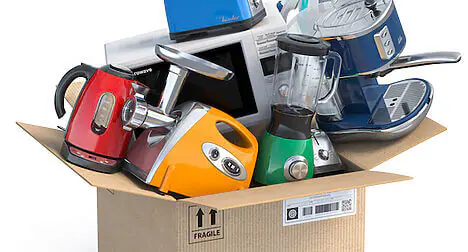
Image Source: www.recycleyourelectricals.org.uk
Master How To Recycle Kitchen Appliances Responsibly
Can you recycle old kitchen appliances? Yes, you absolutely can! What is the best way to get rid of large kitchen appliances? The best way is through specialized appliance disposal services, local recycling centers, or retailer take-back programs. These options ensure your old appliances are handled in a way that helps the planet and follows safety rules. Disposing of kitchen appliances properly is vital. It stops harmful materials from polluting our environment and lets valuable parts be reused. This guide will show you how to responsibly recycle your old kitchen gadgets, big or small.
The Importance of Responsible Appliance Recycling
Getting rid of old kitchen appliances is more than just making space. It is a big step for our planet. Many people simply throw out their old items. This leads to problems. When we recycle, we help the Earth in many ways. It saves natural resources, cuts down on pollution, and creates jobs.
Environmental Gains
Throwing appliances in the trash fills up landfills. Landfills are big piles of waste. They take up valuable land. They can also leak bad chemicals into the ground and water. Recycling avoids this. It also stops harmful gases from going into the air. Some appliances have special coolants. These coolants can harm our ozone layer if they escape. Ozone protects us from the sun’s bad rays.
Protecting Our Air and Water
When appliances sit in landfills, they can slowly break down. This breakdown can release gases. These gases cause global warming. Also, toxic chemicals can leak from them. These chemicals can get into the soil. They can then seep into our groundwater. This water is what we drink. Recycling keeps these bad things out of our air and water. It keeps our planet healthier.
Reducing Energy Use
Making new appliances takes a lot of energy. It needs raw materials from the Earth. Think about the metal, plastic, and glass. Getting these materials needs digging and mining. This process uses a lot of power. When we recycle, we use less new material. This means less energy is needed to make new things. Recycling metal uses much less energy than making new metal from ore. This saves electricity and fuel. It lowers our carbon footprint.
Economic Benefits
Recycling is not just good for the Earth. It is also good for our wallets and jobs. It creates new jobs in recycling plants. These jobs include collecting, sorting, and processing materials. Recycling also means businesses have cheaper materials to use. They can use recycled metal or plastic instead of buying new. This saves them money. It can also make products more affordable for us.
Creating Green Jobs
Recycling centers need workers. They need drivers to pick up old items. They need people to sort them. They need experts to take them apart. These are all green jobs. They help the environment while providing work for people. This helps the economy grow in a sustainable way.
Saving Money on Materials
Factories often pay less for recycled materials. This helps them keep costs down. When their costs are lower, they can sell products for less. This can help all of us save money. It also makes a strong economy.
Deciphering Appliance Components and Their Dangers
Kitchen appliances are made of many parts. Some parts are very useful. Others can be dangerous. Knowing what is inside helps us recycle them safely. Many large appliances are part of e-waste large appliance recycling. This means they have electronics and often hazardous parts.
Hazardous Appliance Components
Many appliances have parts that are bad for us and the planet. These are called hazardous components. They must be handled with great care. If they go into a regular landfill, they can cause serious harm.
Refrigerants and Cooling Agents
Old refrigerators and freezers use special gases. These are called refrigerants. Examples are CFCs and HCFCs. These gases are very bad for the ozone layer. They can also trap heat in the air. This makes global warming worse. When you get rid of an old refrigerator removal service, they must remove these gases safely. This stops them from leaking into the air. New fridges use better gases. But old ones still have the bad kind.
PCBs (Polychlorinated Biphenyls)
Some older appliances might have PCBs. These are chemicals used in capacitors. Capacitors store electricity. PCBs are very toxic. They can stay in the environment for a long time. They can harm people and animals. Most appliances today do not use PCBs. But older models from before the 1980s might. This is why proper e-waste large appliance recycling is so important for older items.
Mercury
Mercury is a heavy metal. It is found in some old appliances. For example, some old thermostats or light switches might have it. Mercury is very poisonous. It can harm our brains and nervous systems. It is also bad for wildlife. When recycling, make sure any mercury is taken out carefully.
Lead and Cadmium
Lead and cadmium are also heavy metals. They can be found in circuit boards or old wiring. Both are very toxic. They can cause health problems. They can also pollute soil and water. Special recycling places know how to remove these metals safely.
Materials That Can Be Recycled
Most of an appliance can be recycled. This includes valuable metals and plastics. These materials can be used to make new products. This saves resources.
Metals
Appliances are full of metal. Steel, aluminum, copper, and brass are common. These metals are very valuable. They can be melted down and used again and again. For example, a washing machine scrap often has a lot of steel. This steel can become new car parts or construction materials. Recycling metals saves a lot of energy compared to mining new metal.
Plastics
Many parts of appliances are made from plastic. The inner lining of a fridge, control panels, or parts of a blender are plastic. These plastics can often be ground up and melted. Then they are turned into new plastic items. This reduces the need for new oil, which is used to make plastic.
Glass
Glass is found in oven doors or microwave plates. This glass can also be recycled. It is crushed and then melted. It can then become new glass products. This uses less energy than making glass from raw sand.
Pathways for Responsible Appliance Disposal
You have many ways to get rid of your old kitchen appliances. The best choice depends on your appliance type and where you live. Always check local rules first.
Local Recycling Centers and Drop-Off Points
Many towns have places where you can drop off appliances. These are often called transfer stations or recycling centers. They are set up to handle different types of waste. They know how to deal with hazardous parts. This is a good option if you can move the appliance yourself.
How to Find a Local Center
You can search online for “appliance recycling near me” or “e-waste drop-off.” Many local government websites list these places. Call ahead to check their rules. Some centers might charge a small fee. This fee helps cover the cost of proper disposal.
Preparing for Drop-Off
Before you take your appliance, make sure it is clean. Remove any food from fridges. Empty water from dishwashers or washing machines. Disconnect all hoses and cords. This makes it easier for the recycling center.
Appliance Disposal Services
Many companies offer to pick up your old appliances. These appliance disposal services are very handy, especially for big items. They come right to your home.
Professional Pick-Up Services
These services often charge a fee. But they do all the heavy lifting. They also make sure the appliance goes to the right place. This is great for old refrigerator removal or when you need to get rid of a heavy stove. They often have special trucks for these items.
Retailer Take-Back Programs
When you buy a new appliance, many stores offer to take your old one. This is a very convenient option. They deliver your new item and haul away the old one. Ask about this service when you buy a new fridge, washing machine, or stove. This is often called white goods collection. Many large stores like Best Buy, Home Depot, or Lowe’s offer this. Sometimes it’s free, other times there’s a small charge.
Manufacturer Take-Back Programs
Some appliance makers have their own recycling programs. These manufacturer take-back programs are a great way to ensure your appliance is recycled by the people who made it. They know their products best. This means they can recycle them efficiently. Check the brand’s website to see if they offer this. This is more common for smaller electronics but is growing for larger appliances too.
Scrap Metal Dealers
For appliances made mostly of metal, like a washing machine scrap or an old stove, a scrap metal dealer might take them. These dealers buy metal by weight. They then process it for reuse. This can even earn you a little money.
What Scrap Dealers Accept
Scrap dealers usually accept things like washing machines, dryers, stoves, and water heaters. They are interested in the steel, copper, and aluminum. They might not take refrigerators or freezers because of the refrigerants. Always call a scrap dealer first to check what they accept. Also, ask if they require you to drain fluids or remove certain parts.
Charitable Donations and Resale
If your appliance still works, consider giving it away or selling it. This is the greenest option. It gives the appliance a new life. Someone else can use it instead of buying a new one.
Donating to Charity
Habitat for Humanity ReStore, Salvation Army, or local shelters might take working appliances. They sell them to raise money. This helps people in need. Call them first to see if they need your item. They might even pick it up.
Selling Online
Websites like Craigslist, Facebook Marketplace, or local classifieds are great for selling working appliances. You can often get some money back. Make sure to be clear about the appliance’s condition.
Specific Appliance Recycling Guidelines
Each type of kitchen appliance has its own recycling needs. Let’s look at some common ones.
Old Refrigerator Removal and Recycling
Refrigerators are complex. They contain refrigerants, oils, and other hazardous parts.
Steps for Proper Disposal
- Empty and Clean: Remove all food and shelves. Clean the inside well.
- Defrost: If it’s a freezer, make sure all ice is melted. Dry the inside.
- Remove Doors (Optional but Recommended): Some places suggest removing doors. This is to prevent children from getting trapped inside. Check local rules.
- Specialized Service: Always use an old refrigerator removal service. This ensures the refrigerants are taken out safely. Your local utility company might even have a program for old fridges. They sometimes offer rebates for turning in old, inefficient units.
Washing Machine and Dryer Disposal
Washing machines and dryers are mostly metal. They are easier to recycle than fridges.
Washing Machine Scrap and Recycling
- Disconnect: Unplug the machine. Disconnect water hoses and the drain pipe. Make sure to drain any leftover water.
- Check for Local Programs: Many towns offer white goods collection for these items. This is often a free service or a small fee. Schedule a pickup.
- Scrap Metal: If no collection is available, a scrap metal yard will likely take a washing machine scrap. They are great sources of steel.
- Retailer Take-Back: If you buy a new washer, ask the store to take the old one.
Dishwasher Disposal Options
Dishwashers are also mostly metal and plastic. They are generally easy to recycle.
How to Dispose of a Dishwasher
- Disconnect: Unplug the unit. Disconnect the water supply line and drain hose. Ensure all water is out.
- Clean: Rinse any food bits from the inside.
- Recycling Options:
- Local curbside bulk pickup: Many cities collect large items. Check your city’s waste management website for rules and schedules.
- Drop-off at a recycling center: Take it to a local facility that accepts e-waste large appliance recycling.
- Retailer take-back: If buying a new one, the store can often take your old one.
- Appliance disposal services: Hire a service to pick it up.
Stove and Oven Recycling Near Me
Stoves and ovens are heavy and mostly metal. They are good candidates for metal recycling.
Finding Stove Recycling Near Me
- Disconnect: For electric stoves, unplug them. For gas stoves, turn off the gas supply first. Then disconnect the gas line. If you are not comfortable with gas, hire a professional to do this.
- Clean: Remove any food residue from the oven.
- Recycling Pathways:
- Scrap Metal Yard: This is a top option for a stove. They want the metal.
- Bulk Waste Collection: Your city might offer white goods collection or bulk item pickup.
- Retailer Take-Back: When buying a new stove, the store will often haul away the old one.
- Appliance Disposal Services: Search for “stove recycling near me” to find local services. They can pick up and properly dispose of it.
Proper Microwave Disposal
Microwaves are smaller but still need special care. They contain electronics and a magnetron. The magnetron can contain hazardous materials if broken.
Steps for Proper Microwave Disposal
- Unplug: Always unplug the microwave first.
- E-Waste Collection: Microwaves are considered e-waste. Do not put them in your regular trash.
- Drop-off: Take it to an e-waste collection site. Many electronics stores also have free e-waste drop-off bins.
- Local Programs: Check if your town has special days for proper microwave disposal or general e-waste drop-offs.
- Manufacturer Programs: Some brands might offer recycling for their products.
Preparing Appliances for Recycling
Before you send your appliance off, a few steps help ensure smooth and safe recycling.
Cleaning and Emptying
Always clean your appliance. Remove all food, liquids, and grime. This makes it safer and more pleasant for workers. For fridges, defrost them fully. For washers and dishwashers, drain all water.
Disconnecting and Draining
Make sure all power cords are unplugged. For water-using appliances, disconnect hoses and drain any remaining water. For gas appliances, turn off the gas supply and disconnect the line. If you’re unsure, get help from a professional.
Safety Precautions
When moving large appliances, be careful. They are heavy. Use proper lifting techniques. Get help if needed. For fridges, consider taping the doors shut or removing them if local rules suggest it. This prevents hazards for children.
Navigating White Goods Collection and Other Programs
Many areas have programs to help you get rid of large items. These are often called white goods collection. White goods refer to large household appliances.
Curbside Pickup Services
Some cities offer scheduled curbside pickup for large items. You need to call ahead to arrange it. There might be specific dates or limits on items. Check your city’s waste management website for details. This is often the easiest option if available.
Special Event Collections
Some communities host special recycling events. These events collect specific items, like e-waste or hazardous waste. Keep an eye on your local city calendar. These events are great for items like microwaves or older appliances.
Utility Company Programs
As mentioned, some utility companies offer to pick up old, energy-wasting refrigerators and freezers. They often give you a rebate for it. This helps them save energy on the grid. Check with your electricity provider.
The Future of Appliance Recycling
Recycling is always getting better. New ways to recycle are being found. More and more companies are making products that are easier to recycle.
Design for Recycling
More appliance makers are thinking about recycling from the start. They are designing products that are easier to take apart. They use fewer hazardous materials. They use more recycled content in new products. This makes the whole recycling process smoother. This is good for e-waste large appliance recycling.
Advanced Recycling Technologies
New technologies are helping to recover even more materials. They can separate plastics better. They can recover rare metals from circuit boards. This means less waste ends up in landfills. It also means more valuable resources are saved.
Your Role in a Circular Economy
When you recycle, you are part of a circular economy. In this system, products are made, used, and then recycled. The recycled parts become new products. This cuts down on waste. It also makes us less dependent on digging up new raw materials. Your choice to recycle responsibly makes a big difference.
Frequently Asked Questions (FAQ)
Q1: What is considered an “appliance” for recycling?
A1: Appliances are generally household machines. This includes large items like refrigerators, washing machines, dishwashers, and stoves. It also includes smaller items like microwaves, blenders, toasters, and coffee makers.
Q2: Can I just put my old microwave in the regular trash?
A2: No, you should not put a microwave in the regular trash. Microwaves contain electronic parts and can have hazardous materials inside. They need proper microwave disposal at an e-waste collection site.
Q3: Do I need to clean my old appliance before recycling it?
A3: Yes, it is best to clean your appliance. Remove all food, liquids, or dirt. For fridges, defrost them. For washers and dishwashers, drain all water. This makes it safer and easier for the recycling workers.
Q4: How do I get rid of an old refrigerator with refrigerant?
A4: You should use a specialized old refrigerator removal service. These services know how to safely remove the refrigerants. Your local utility company or appliance retailer might offer such a service. Do not try to remove the refrigerant yourself.
Q5: Will appliance stores take my old appliance when I buy a new one?
A5: Many major appliance retailers offer take-back programs. They will haul away your old appliance when they deliver your new one. This is part of retailer take-back programs or white goods collection. Always ask about this service when you buy a new appliance.
Q6: Can I get money for my old appliances?
A6: For working appliances, you can sell them online or donate them. For broken or non-working appliances, scrap metal dealers might pay for items rich in metal, like a washing machine scrap or a stove. However, the amount is usually small.
Q7: What are “white goods” in recycling?
A7: “White goods” is a term for large household appliances. This includes refrigerators, freezers, washing machines, dryers, dishwashers, and stoves. Many cities offer white goods collection programs.
Conclusion
Recycling kitchen appliances is a clear step towards a healthier planet. It is not just about clearing clutter. It is about recovering valuable resources. It is about protecting our environment from harmful substances. Whether you use appliance disposal services, find stove recycling near me, or opt for manufacturer take-back programs, every effort counts. By choosing responsible e-waste large appliance recycling and proper microwave disposal, you help create a cleaner, more sustainable future for everyone. Make recycling your old appliances a priority.