
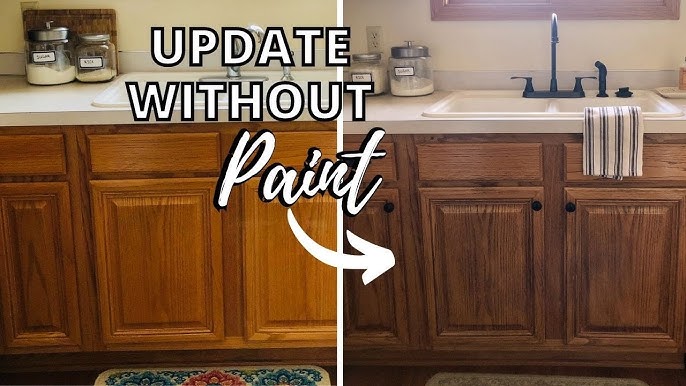
Image Source: i.ytimg.com
Master How To Refinish Oak Kitchen Cabinets Like a Pro
Can you refinish oak kitchen cabinets? Yes, you can! Many homeowners choose to give their old oak cabinets a fresh look. This saves money. It’s cheaper than buying all new cabinets. It also makes your kitchen feel brand new. This guide will show you how to prep oak cabinets for painting, stripping oak cabinets, sanding oak cabinet doors, and much more. You will learn to do it like a pro.
Why Refresh Your Oak Cabinets? A Closer Look
Oak cabinets are known for being very strong. They are also very durable. They can last for many, many years. But over time, their look can become outdated. Or they can get scratched. They might even get dinged from daily use. Refinishing them is a very smart choice. It adds real value to your home. It makes your kitchen a place you love to be. You get to pick a new color. You can make them lighter. You can make them darker. You can even try a whole new style. This update can totally change how your kitchen feels.
Getting to Know Why Your Cabinets Need a Refresh
Think about these signs. They tell you your cabinets are ready for a new look.
- Dull Appearance: Does the finish look tired? Is it losing its shine? A dull look means the finish is worn.
- Scratches and Marks: Do you see small marks? Are there chips or dings? These show daily wear. They can make cabinets look old.
- Outdated Color: Is the color no longer in style? Do you want a change? Old colors can make a kitchen feel old too.
- Peeling Finish: Is the top layer of paint or stain coming off? This means the finish is failing. It needs to be redone.
Is Refinishing Right for Your Home?
Refinishing kitchen cabinets takes time. It needs real effort. It is not a quick job you do in an afternoon. But it is very rewarding. The end result is amazing. It costs much less than buying new cabinets. This is a big saving. It is a good choice if your cabinet frames are strong. The wood should not be broken. It should not be falling apart. Good bones mean a good project.
Deciding Your New Look: Paint or Stain? Interpreting the Options
Before you begin, you must pick your finish. Will you paint the cabinets? Or will you stain them? Each choice gives a different look. Each choice needs different steps. Knowing your goal helps you choose.
Opting for Paint: Painting Oak Kitchen Cabinets
Painting oak kitchen cabinets gives a clean, fresh feel. It covers the wood grain completely. You can pick any color you like. Bright white is very popular. Soft grays also look nice. Bold dark colors can make a statement. Painting needs careful prep work. You must make sure the paint sticks very well. It needs a good surface. This will make the paint last.
Choosing Stain: Enhancing the Wood
Staining shows the wood’s natural beauty. It changes the color of the wood. It lets the grain still show through. You can make the wood darker. You can make it lighter. Gel stain oak cabinets are a good choice here. They are often easy to use. They often go on top of old finishes or bare wood. Staining works best if your wood is in good shape. It hides fewer flaws than paint.
Tools and Materials You Will Need: A Checklist
Having the right tools makes the job easier. It also makes it safer. Get these items ready before you start any work.
General Supplies for Every Job
- Screwdriver: Get both a manual one and a power drill if you have it. This helps remove screws fast.
- Drop Cloths or Old Sheets: Use these to cover floors. Protect your counters. They catch dust and spills.
- Painter’s Tape: Use this to mask off areas. It protects walls and appliances.
- Cleaning Supplies: You need a strong degreaser. Warm water works too. Lots of clean rags are vital.
- Safety Gear: Always wear gloves. Eye protection is a must. A good mask protects your lungs.
- Buckets: For mixing cleaners and water.
- Pencil and Markers: For labeling your cabinet parts.
- Labels: Use small pieces of masking tape for labeling.
For Stripping Old Finishes (If You Choose This Path)
- Chemical Stripper: Pick a gel or liquid type. Read reviews to find a good one.
- Scrapers: Get plastic ones first. They won’t harm the wood. Have a metal one for very tough spots.
- Wire Brush: Useful for getting old finish out of wood grain.
- Steel Wool: For scrubbing off last bits of stripper.
- Paint Thinner or Mineral Spirits: For cleaning up stripper residue.
For Sanding and Smoothing
- Orbital Sander: This tool saves a lot of time. It sands evenly.
- Sanding Blocks or Sponges: For hand sanding small areas. Use for edges and tight spots.
- Sandpaper: Get various grits. Start with 80 or 100 for rough areas. Use 120 or 150 for general sanding. Finish with 180 or 220 for a smooth feel.
- Tack Cloth or Vacuum Cleaner: These are for removing all dust. Dust can ruin your finish.
For Filling Grain (When Painting for a Smooth Look)
- Wood Filler or Spackle: Make sure it is water-based. It should be paintable.
- Putty Knife: For spreading the filler smoothly.
- Sanding Sponge: Use a fine-grit one for gentle smoothing.
For Painting Your Cabinets
- Primer: Shellac-based primer is very good for oak. It blocks stains. It sticks well. High-adhesion water-based primers also work.
- Cabinet Paint: Get paint made for cabinets. It is durable. It handles lots of use. Latex, oil-based, or hybrid paints are common choices. Hybrid paints offer the best of both.
- Paint Brushes: Get a good quality angled brush. It helps with details.
- Small Foam Rollers or Mohair Rollers: For smooth, even paint coats on flat areas.
- Paint Trays: For easy loading of paint onto rollers.
- Paint Extender: (Optional) This makes paint dry slower. It gives a smoother finish. Less brush marks.
- Spray Gun: (Optional) If you plan on spray painting kitchen cabinets, you need this.
For Staining Your Cabinets
- Wood Stain: Choose oil-based or water-based. Pick your color.
- Gel Stain: (If using) Gel stains are thicker. They are easier to apply without blotching. Great for darkening oak kitchen cabinets.
- Clean Rags or Foam Brushes: For applying stain.
- Stain Pad: Also good for applying stain evenly.
- Conditioner: Use this for bare wood before staining. It helps the stain absorb evenly.
For Clear Coat and Sealing
- Clear Coat for Oak Cabinets: This is your protective layer. Choices include polyurethane, polycrylic, or lacquer.
- Applicator: Use a brush, foam roller, or spray gun. Match it to your clear coat type.
- Fine-Grit Sandpaper: Use 400-grit for sanding between clear coats.
The Step-by-Step Refinishing Process: Your Guide to a New Kitchen
Now, let’s go through each step. Every step is important. Do not rush any part of this process. Patience brings the best results.
Step 1: Taking Apart Your Cabinets and Labeling
This is the very first step. You need to take everything off your cabinets.
- Empty All Cabinets: Take out all dishes. Remove all food items. Get everything out of the way.
- Remove Hardware: Take off all hinges. Remove all knobs. Take off all pulls. Put all these small parts into a labeled bag. Keep the screws separate if needed.
- Remove Doors and Drawers: Use your screwdriver. Take off all cabinet doors. Pull out all drawers.
- Label Everything Carefully: This is very, very important. Use small pieces of masking tape. Write a unique number on each door. Write the same number inside the cabinet opening where that door came from. Do the same for drawers. This helps you put them back in the exact right spot. It saves a lot of time later. You can even take pictures to remember.
Step 2: Preparing Your Work Area for Success
Set up a good spot to work. This keeps your home cleaner. It also makes the work easier and more organized.
- Ensure Good Ventilation: Open windows wide. Use fans to pull air out. You need fresh air to stay safe. Chemicals can have strong fumes.
- Cover All Surfaces: Lay down drop cloths. Use old sheets or plastic. Cover your floors completely. Protect your countertops too. This protects them from dust. It protects them from spills.
- Arrange Workstations: Set up saw horses. Or use old tables covered with protection. You need flat surfaces. You will use these for cleaning doors. You will use them for sanding. You will use them for painting or staining. Make sure you have enough room to work on each piece.
Step 3: Cleaning Your Cabinets – How to Prep Oak Cabinets for Painting
This step is super important. Grease and dirt are big problems. They stop new finishes from sticking. This is a core part of how to prep oak cabinets for painting or staining. Do not skip this!
- Mix Your Cleaner: Get a strong degreaser. Mix it with warm water. Always follow the product’s directions for mixing.
- Scrub All Cabinet Parts: Dip a sponge into the cleaner mix. Scrub all parts of your cabinets. Clean the doors. Clean the drawers. Clean the main cabinet frames. Pay extra close attention to areas near the stove. These spots usually have a lot of grease buildup.
- Rinse Thoroughly: After scrubbing, wipe all parts with a clean, wet cloth. Make sure to wipe away all cleaner. Any soap left behind can stop your new finish from sticking properly.
- Dry Completely: Let everything dry fully. You can use a clean cloth to speed this up. Or let it air dry overnight. The wood must be bone dry before you move on.
Step 4: Stripping Old Finish (Optional but Often Best)
Do you want to change the color a lot? Is the old finish badly worn or chipped? Then stripping oak cabinets is a good idea. This removes the old paint or stain completely. It gives you a clean slate.
- Wear Proper Safety Gear: Always wear chemical-resistant gloves. Eye protection is a must. A respirator mask is also very smart. Chemical strippers are strong and can harm your skin and eyes.
- Apply the Stripper: Read the stripper’s instructions very carefully. Brush a thick, even layer onto the cabinet surface.
- Wait and Watch: Let the stripper work. You will see it start to bubble up. This means it is lifting the old finish. Check the time needed on the product label. It varies by product.
- Scrape Off Old Finish: Use a plastic scraper. Gently push off the old finish and stripper. Use a metal scraper for very tough spots. Be very careful. Do not dig into the wood.
- Clean Up Residue: Use a rag with mineral spirits or paint thinner. Wipe off any stripper left over. Make sure the surface is clean.
- Neutralize (If the Product Says So): Some strippers need a special neutralizer after use. Always check the product’s instructions.
- Repeat if Needed: You might need to do this step more than once. This is common for very old or thick finishes.
Step 5: Sanding Your Cabinets – Sanding Oak Cabinet Doors for Smoothness
Sanding makes the surface smooth. It helps new finishes stick much better. Even if you strip, you must sand. This is a key part of how to prep oak cabinets for painting or staining. Do it well for a perfect finish.
- Start with a Rougher Grit (if surfaces are very rough): If your surfaces are very rough or have major bumps, start with 80 or 100-grit sandpaper. Use your orbital sander lightly. This helps smooth out big imperfections fast.
- Move to Medium Grit: Next, switch to 120 or 150-grit sandpaper. Sand all surfaces. Always move your sander in the direction of the wood grain. This prevents cross-grain scratches.
- Finish with Fine Grit: Use 180 or 220-grit sandpaper for the final sanding. This makes the surface very, very smooth. A smooth surface is vital for painting or staining. It makes the final finish look professional.
- Don’t Forget Edges and Corners: Use a sanding sponge or a small sanding block. Get into all the small areas. Get all the edges. Make sure everything feels smooth.
- Clean All Dust: This is critical. Use a vacuum cleaner first. Get rid of all sanding dust. Then use a tack cloth. Wipe every single surface. Dust stops paint or stain from sticking right. It also creates a bumpy finish.
Step 6: Filling Oak Grain Before Painting (For a Super Smooth Finish)
Oak wood naturally has a strong, open grain. It has small pores. If you want a perfectly smooth, flat look when painting oak kitchen cabinets, you need to fill these pores. This step is called filling oak grain before painting.
- Choose the Right Filler: Use a water-based wood filler. Or use spackle made for wood. Make sure the product says it can be painted over.
- Apply the Filler: Use a putty knife. Scoop a small amount of filler. Spread a thin layer over the cabinet surface. Push the filler firmly into the wood grain. Go across the grain first. Then smooth it out with the grain. You want the filler to be only in the pores.
- Let It Dry Fully: Let the filler dry completely. Drying times vary by product. Check the label.
- Sand It Smooth: Lightly sand the filled areas. Use 220-grit sandpaper. You want it to be super smooth. The filler should only be visible in the grain lines. The rest should be bare wood.
- Clean All Dust: Use a tack cloth. Remove every bit of dust from the surface.
Step 7: Priming Your Cabinets (A Must for Painting)
Priming is super important for painting oak kitchen cabinets. It does many things. It helps the paint stick strongly. It stops wood tannins from showing through light paint colors. It also helps cover the strong wood grain more.
- Pick Your Primer: Use a good quality primer. Shellac-based primers are often best for oak. They block stains from wood. They stick very, very well. High-adhesion water-based bonding primers also work well.
- Apply First Coat of Primer: Use a good brush for corners and edges. Use a small foam roller for flat areas. Apply a thin, even coat. Avoid putting it on too thick.
- Let It Dry: Let the first coat dry fully. Check the product label for how long this takes. Do not rush this step.
- Light Sand (Optional but Recommended): After the primer dries, lightly sand it. Use 220-grit sandpaper. This creates a very smooth base. It also helps the next coat stick better. Then, clean off all dust with a tack cloth.
- Apply Second Coat: Apply a second thin coat of primer. This gives the best base for your paint. Let it dry completely. Two coats of primer usually offer the best coverage and adhesion.
Step 8: Painting Your Cabinets to Perfection
This is the fun part! Now you will see your new kitchen start to take shape. This step focuses on painting oak kitchen cabinets.
- Choose the Best Paint: Use paint made specifically for cabinets. These paints are extra durable. They handle daily wear and tear well. Latex paints are easy to clean up. Oil-based paints are very tough. Hybrid paints offer the best of both.
- Thin Paint (If Using a Sprayer): If you plan on spray painting kitchen cabinets, you might need to thin the paint. Always follow the spray gun’s instructions.
- Apply First Coat of Paint: Apply a thin, even coat of paint. Use a good angled brush for edges and details. Use a small foam roller for flat parts. Roll with light, even pressure.
- Spray Painting Kitchen Cabinets Tips: If using a sprayer, practice on scrap wood first. Keep the sprayer moving at an even speed. Use smooth, overlapping strokes. This gives a very smooth, factory-like finish.
- Let It Dry Fully: Let the first coat dry completely. This is very important. Do not try to apply the next coat too soon.
- Light Sand Between Coats: Lightly sand the dry paint. Use 220 or 320-grit sandpaper. This smooths out any tiny bumps. It helps the next coat stick better. Wipe off all dust with a tack cloth.
- Apply Second Coat: Apply a second thin, even coat of paint.
- More Coats? You might need a third coat. This depends on your chosen color. It also depends on the paint’s coverage. Dark colors over light often need more coats.
- Full Cure Time: Let the paint dry for several days. It needs to harden fully before you add a clear coat. It also needs time before you put items back. The surface might feel dry, but it’s still soft inside.
Step 9: Staining Your Cabinets (Your Alternative to Painting)
If you chose to stain your cabinets instead of paint, this is your key step. You can use gel stain oak cabinets for ease. This is great for darkening oak kitchen cabinets or changing their tone.
- Condition Wood (If Bare Wood): If you stripped the wood all the way down to bare wood, use a wood conditioner first. This helps the stain go on evenly. It stops the wood from getting blotchy. Apply it and let it soak in for the recommended time.
- Apply the Stain: Dip a clean rag or a foam brush into the stain. Wipe it onto the wood surface. Work in small sections at a time.
- Wipe Off Excess Stain: After a few minutes, wipe off any extra stain. Use a clean, dry rag. The longer you leave the stain on, the darker the color will be. Always test your stain on a hidden spot first. This helps you find the perfect timing for your desired color.
- Gel Stain Oak Cabinets Specifics: Gel stains are thicker than regular stains. This makes them easier to control. They are less likely to cause blotches. Apply a thin, even layer with a foam brush or rag. Then, wipe off the excess. Gel stains are excellent for darkening oak kitchen cabinets, especially if the wood grain is very open.
- Let It Dry Completely: Let the stain dry fully. This can take anywhere from 24 to 48 hours. Make sure it is completely dry before moving to the next step.
- Add More Coats for Darker Color: If you want a much darker color for darkening oak kitchen cabinets, apply more coats of stain. Let each coat dry fully before adding the next one. This builds up the color slowly.
Step 10: Applying a Clear Coat for Oak Cabinets (Crucial for Protection)
This step protects all your hard work. A clear coat makes your cabinets last for years. This is also known as sealing oak kitchen cabinets. It is very important.
- Choose Your Clear Coat:
- Polycrylic: This is water-based. It dries fast. It has very little smell. It does not yellow over time. This makes it good for light-colored paints.
- Polyurethane: This is oil-based. It is very durable. It can make light colors yellow slightly over time. It is great for darker stains and paints.
- Lacquer: This dries very, very fast. It creates a hard, durable finish. But it needs proper spray equipment. It also needs very good ventilation.
- Apply the First Coat: Use a good quality brush or a foam roller. Apply a thin, even coat. Work in one direction. Watch out for drips. Smooth them out right away.
- Let It Dry: Let the first coat dry completely. Always follow the product’s specific dry times.
- Light Sand Between Coats: After the first coat dries, lightly sand it. Use 400-grit sandpaper. This makes the surface super smooth. It also helps the next coat stick better. Remove all dust with a tack cloth before the next coat.
- Apply Second Coat: Apply a second thin, even coat of your chosen clear coat.
- More Coats for More Protection? Two to three coats are usually best for kitchen cabinets. More coats mean more protection. They also mean better durability.
- Full Cure Time is Key: This is super important. The finish will feel dry to the touch in hours. But it needs weeks to fully harden or “cure.” Check the product for full cure times. Treat your cabinets gently during this period. Avoid putting heavy items back too soon. Be gentle with opening and closing doors.
Step 11: Reassembly and Finishing Touches
You are almost done! Your kitchen transformation is nearly complete.
- Reattach Doors and Drawers: Use your labels from Step 1. Put each door and drawer back in its exact spot. The labels make this easy.
- Install Hardware: Put the knobs and pulls back on. Make sure they are tight.
- Adjust Doors: Make sure all doors hang straight. If they look crooked, adjust the hinges. Many hinges allow small adjustments.
- Clean Up Your Area: Remove all drop cloths. Clean your tools thoroughly. Dispose of any waste properly.
Caring for Your Beautifully Refinished Cabinets
Your newly refinished cabinets are beautiful. They need proper care. This helps them stay looking great for a very long time.
- Gentle Cleaning is Best: Use a soft cloth. Dampen it with mild soap and water. Wipe spills right away. Do not let liquids sit on the surface.
- Avoid Harsh Cleaners: Do not use abrasive cleaners. Do not use strong chemicals. Things like ammonia or bleach can harm your new finish. They can make it dull.
- Protect from Heat: Use heat shields near your stove if needed. Strong heat can damage the finish over time.
- Keep Touch-Up Supplies: Keep a small amount of your chosen paint or stain. Also keep some clear coat. You can use these to touch up small marks or chips later on. This keeps your cabinets looking perfect.
Table: Paint vs. Stain for Oak Cabinets – A Comparison
This table helps you see the differences. It compares painting, staining, and using gel stain.
| Feature | Painting Oak Kitchen Cabinets | Staining Oak Kitchen Cabinets | Gel Stain Oak Cabinets (Specific Stain Type) |
|---|---|---|---|
| Appearance | Covers grain completely, very smooth, any color | Shows grain clearly, enhances wood color, natural look | Shows grain, often more opaque than regular stain, easy to apply |
| Prep Complexity | High (needs sanding, priming, grain filling for smoothness) | Medium (sanding, wood conditioning is important) | Medium (cleaning, light sanding is still needed) |
| Grain Concealment | Full (if you do grain filling) | None (grain is fully visible) | Partial to none (can sit on top, making grain less obvious but still there) |
| Durability | Very good with the right primer and topcoat | Very good with a good clear protective coat | Good with a clear protective coat |
| Color Options | Unlimited (you can match any color) | Limited by the wood’s natural tone (enhances, doesn’t hide) | Wider range than traditional stains (can go darker and more opaque) |
| Skill Level | Medium to High (getting a smooth, streak-free finish is key) | Medium (avoiding blotching needs care) | Easy (less prone to blotching, more forgiving) |
| Best For | Drastic color change, achieving a modern or sleek look | Highlighting wood’s natural beauty, a traditional feel | Darkening oak kitchen cabinets easily, achieving richer tones, often without stripping |
Frequently Asked Questions (FAQ)
Q: How long does it really take to refinish oak cabinets from start to finish?
A: It usually takes a few days up to a week for most kitchens. This time depends on how many cabinets you have. It also depends a lot on the drying times between each coat. Rushing any step can ruin your finish. So, take your time.
Q: Can I refinish my cabinets without sanding at all?
A: You can use products like a liquid deglosser. But sanding oak cabinet doors is almost always the best way to go. Even a light sanding helps the new finish stick very well. It also makes the surface feel super smooth. Skipping sanding means your new finish might not last long.
Q: Do I absolutely need to use a clear coat for oak cabinets after painting or staining?
A: Yes, it is a must-do step. A clear coat protects your paint or stain. It makes your cabinets much more durable. It helps them stand up to daily use. It also makes them easier to clean. This final clear coat is a very important part of sealing oak kitchen cabinets for a long-lasting, beautiful result.
Q: What is the very best way to clean cabinets before I start refinishing them?
A: Use a strong degreaser. Mix it with warm water as directed. Scrub all surfaces well. Then, wipe them down thoroughly with clean, fresh water. Make sure they are totally dry before you do anything else. This cleaning is the most important part of how to prep oak cabinets for painting.
Q: My oak cabinets have a very strong wood grain. How can I make them smooth for painting?
A: This is exactly what filling oak grain before painting is for. You use a special wood filler or spackle. Push it firmly into the wood grain. Let it dry completely. Then, sand it smooth. This creates a flat, smooth surface ready for paint. Your painted cabinets will look much better without the deep grain showing.
Q: What if I want to make my oak cabinets a lot darker than they are now?
A: You have several good options for darkening oak kitchen cabinets. You can use a very dark wood stain. Or you can use gel stain oak cabinets. Gel stain is great because it sits more on top of the wood. This gives a deeper, richer color. It can make old oak look brand new. Painting them a dark color is also an option for a totally different look.
Q: Is spray painting kitchen cabinets worth the extra effort and equipment?
A: Yes, for many people, it is. Spray painting kitchen cabinets can give a very smooth, factory-like finish. It often has no brush marks. It can be faster once you get the hang of it. But it needs more careful prep. You need good ventilation. You need to practice. It is a good choice for a super professional look.
Q: How do I make sure my newly refinished cabinets last a long time?
A: Follow all the steps carefully. Do not rush drying times. Use good quality primer, paint/stain, and clear coat. Make sure you apply a clear coat for oak cabinets. Also, treat them gently, especially in the first few weeks after finishing. Clean them with mild soap and water. Avoid harsh chemicals. Regular, gentle care will make them last.