
Image Source: i.ytimg.com
How To Seal Kitchen Sink Drain & Stop Leaks
Can you seal a kitchen sink drain yourself? Yes, you can! Most kitchen sink drain leaks are simple to fix with a bit of DIY effort and the right materials. This guide will walk you through how to seal a kitchen sink drain and stop those annoying drips. We’ll cover everything from identifying the source of the leak to applying the best kitchen sink sealant for a watertight seal.
Why Your Sink Drain is Leaking
A leaky sink drain can be a real nuisance. It can lead to water damage, mold growth, and wasted water. Several common culprits cause these leaks. Often, the issue lies with the connection points. The drain flange where it meets the sink, the seals around the pipes, or the joints between pipe sections can all be sources of moisture. Sometimes, a crack in a pipe or a worn-out gasket can also be the problem. Knowing where to look is the first step in stopping sink leaks.
Common Leak Locations
Let’s dive deeper into where these leaks usually hide.
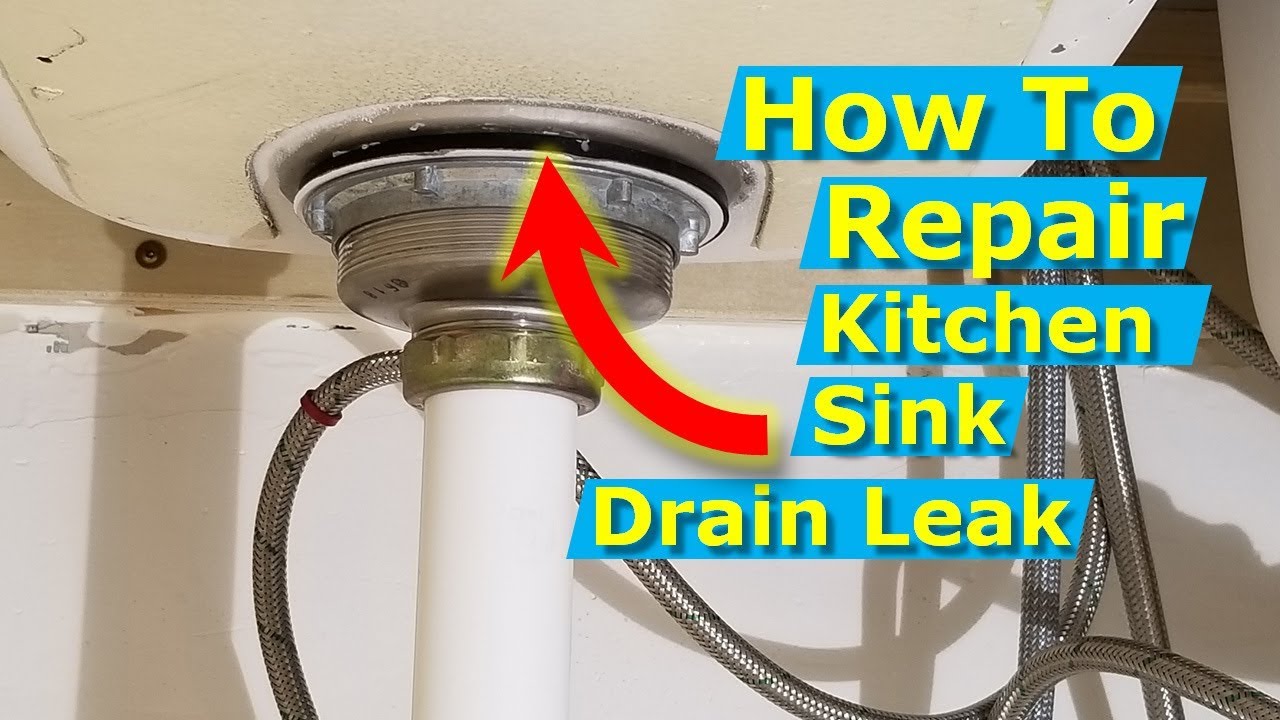
- The Drain Flange: This is the metal ring that sits inside the sink bowl and connects to the drainpipe assembly. Over time, the seal around it can degrade.
- The P-Trap: This U-shaped pipe under your sink is designed to hold water, preventing sewer gases from entering your home. Its connections are frequent leak spots.
- Sink Strainer Basket: If the putty or gasket under your sink strainer basket fails, water can seep out.
- Pipe Connections: Where different sections of the drain pipe meet, there are seals that can fail.
- Garbage Disposal Connections: If you have a garbage disposal, leaks can occur where it connects to the sink or the drainpipe.
Tools and Materials You’ll Need
To tackle a leaky sink drain, gather these essential items:
- Bucket or Towels: To catch any residual water.
- Adjustable Wrench or Pipe Wrench: For tightening fittings.
- Plumber’s Putty: A pliable, clay-like compound that creates a watertight seal. It’s often used for sealing the drain flange to the sink.
- Silicone Sealant for Drains (or Kitchen Sink Sealant): A waterproof sealant that remains flexible. This is excellent for sealing around pipe joints or gaps.
- Teflon Tape (Pipe Thread Tape): Used to seal threaded pipe connections.
- New Gaskets or Washers: If existing ones are worn out.
- Screwdriver: For any clamps or mounting hardware.
- Wire Brush: To clean pipe threads and surfaces.
- Rag or Sponge: For cleaning up.
- Protective Gloves: To keep your hands clean.
- Safety Glasses: To protect your eyes.
Step-by-Step Guide to Sealing Your Kitchen Sink Drain
Here’s how to approach stopping sink leaks systematically:
Step 1: Identify the Source of the Leak
This is the most crucial step. You need to know precisely where the water is coming from before you can fix it.
- Dry Everything: Thoroughly dry the entire sink drain assembly and the pipes underneath with a clean cloth.
- Fill the Sink: Fill the sink with a few inches of water.
- Observe Carefully: Watch closely for any drips or wet spots. Run the water again if needed. Look under the sink, around the drain flange inside the sink, and at all pipe connections.
- Check the P-Trap: Have someone run the water while you check the P-trap for leaks. Tighten its slip nuts slightly if you see drips there.
- Inspect the Strainer Basket Seal: If the leak seems to be coming from where the drain meets the sink, the issue might be the seal around the strainer basket or drain flange.
Step 2: Addressing Leaks Around the Drain Flange (Sealing the Drain Flange)
Leaks from the drain flange are common and often fixable with plumber’s putty. This method involves disassembling part of the drain assembly.
- What is Plumber’s Putty? Plumber’s putty is a dough-like substance used to create a watertight seal around fixtures like drains and faucets. It doesn’t harden, remaining pliable, which is ideal for areas that might experience slight movement.
- Gather Your Tools: You’ll need a bucket, towels, an adjustable wrench, plumber’s putty, and possibly a screwdriver.
- Disconnect the P-Trap: Place a bucket directly under the P-trap. Use your wrench to loosen the slip nuts connecting the P-trap to the tailpiece (the pipe coming down from the sink drain) and the drainpipe going into the wall. Be prepared for a small amount of water to drain out.
- Remove the Drain Assembly: From inside the sink, unscrew any locking nuts or rings holding the drain flange in place. You might need to use a screwdriver to gently pry the flange out from the sink opening.
- Clean Old Sealant: Thoroughly clean the underside of the drain flange and the sink opening where the flange sits. Remove all old plumber’s putty, caulk, or grime. A putty knife or razor blade can help here.
- Apply New Plumber’s Putty: Roll a generous amount of plumber’s putty into a rope, about 1/2 inch thick. Apply this rope evenly around the underside of the drain flange. Ensure it creates a continuous ring.
- Reinstall the Drain Flange: Carefully press the drain flange back into the sink opening, ensuring the putty makes good contact with the sink surface.
- Reassemble the Drain Pipes: Reconnect the tailpiece and P-trap. Hand-tighten the slip nuts first, then use your wrench to snug them up. Don’t overtighten, as this can crack plastic pipes.
- Test for Leaks: Once everything is reassembled, run water into the sink and check for leaks around the flange and pipe connections.
- When to Use Silicone vs. Putty: For the drain flange seal, plumber’s putty is generally preferred because it’s specifically designed for this purpose and remains flexible. Silicone sealant is better for sealing gaps and joints in pipes or around the exterior of the drain assembly where putty isn’t suitable.
Step 3: Fixing Leaks in Pipe Connections (Drain Pipe Sealing)
Leaks at pipe joints are usually due to loose fittings or worn-out gaskets.
- Tighten Slip Nuts: For plastic drain pipes with slip nuts, try tightening them slightly with an adjustable wrench. If they are already tight, the rubber gasket inside might be compromised.
- Replace Gaskets: If tightening doesn’t help, or if the pipes are old, you may need to replace the rubber gaskets within the slip nuts. Unscrew the nuts, pull out the old gasket, and insert a new one.
- Using Teflon Tape: For threaded metal pipe connections, wrap Teflon tape clockwise around the threads before screwing the pipes together. This helps create a watertight seal.
- Sealing Drain Pipe Joints: If you have rigid PVC pipes that have been glued together, and there’s a leak at a joint, the joint likely wasn’t properly sealed during installation. This is a more involved repair, potentially requiring cutting out the faulty section and re-gluing new pipes. However, for minor drips at a joint that isn’t under constant pressure, a good quality silicone sealant for drains applied to the exterior of the joint might offer a temporary fix, but it’s not a permanent solution for a compromised glue joint.
Step 4: Sealing Around the Sink (Under Sink Sealing)
Sometimes, a leak might appear to be from the drain but is actually from water seeping around the edges of the sink itself, especially if the sink is older or has been re-caulked.
- Inspect the Sink Edge: Look at the seam where the sink meets the countertop.
- Apply Sealant: If you notice gaps, clean the area thoroughly and apply a bead of kitchen sink sealant (like silicone caulk) around the edge of the sink where it meets the countertop. Smooth the caulk with a wet finger or a caulk tool.
Step 5: Using Silicone Sealant for Drains
Silicone sealant is a versatile tool for many plumbing repairs.
- What is Silicone Sealant for Drains? This is a flexible, waterproof sealant designed to withstand moisture and temperature changes. It’s ideal for sealing gaps, cracks, and joints in plumbing applications.
When to Use Silicone Sealant:
- Minor Cracks: Small cracks in PVC pipes can sometimes be sealed with silicone, though replacement is the better long-term solution.
- Pipe Joints: As mentioned, it can be used to seal the exterior of a pipe joint if other methods fail or as a supplementary seal.
- Around Strainer Baskets: While plumber’s putty is standard, some prefer to use a bead of silicone around the top edge of a new strainer basket before inserting it into the sink.
- Hubs and Couplings: For added security on the exterior of glued or threaded connections.
How to Apply Silicone Sealant:
- Clean the Area: Ensure the surface is completely dry and free of grease, dirt, or old sealant.
- Cut the Nozzle: Cut the tip of the silicone tube at a 45-degree angle, creating a small opening.
- Apply a Bead: Apply a consistent, even bead of sealant along the seam or crack you want to seal.
- Smooth the Sealant: Use a wet finger, a damp cloth, or a caulk tool to smooth the sealant into the gap, ensuring good contact.
- Wipe Away Excess: Immediately wipe away any excess sealant with a damp cloth.
- Allow to Cure: Let the sealant cure completely according to the manufacturer’s instructions before running water.
Table: Common Leak Causes and Solutions
| Leak Location | Common Cause | Solution | Primary Sealant Type |
|---|---|---|---|
| Drain Flange | Worn or degraded seal; loose mounting nut | Disassemble, clean, reapply plumber’s putty; tighten mounting nut | Plumber’s Putty |
| P-Trap Connections | Loose slip nuts; worn rubber gaskets | Tighten slip nuts; replace gaskets | (Gasket is the seal) |
| Tailpiece to Sink Strainer | Loose connection; failed seal | Tighten connection; if necessary, disassemble and re-seal with plumber’s putty | Plumber’s Putty |
| Pipe Joints (PVC) | Improperly glued joint; crack in pipe | Clean and re-glue (if possible); for minor external leaks, silicone sealant (temporary) | Silicone Sealant (temporary) |
| Threaded Pipe Connections | Loose threads; worn Teflon tape | Tighten connection; reapply Teflon tape | Teflon Tape |
| Garbage Disposal Seal | Leaks at mounting flange or discharge pipe | Tighten flange; replace gaskets/seals; re-seal with appropriate sealant | Plumber’s Putty / Silicone |
Preventing Future Leaks
- Regular Checks: Periodically inspect under your sink for any signs of moisture.
- Don’t Overtighten: When making connections, snug them up, but avoid excessive force, especially with plastic pipes.
- Use Quality Materials: Opt for good-quality plumber’s putty and sealants.
- Proper Installation: Ensure all connections are made correctly during initial installation or replacements.
When to Call a Plumber
While many sink drain leaks are DIY-friendly, there are times when professional help is needed:
- Major Pipe Damage: If you discover significant cracks, corrosion, or damaged pipes.
- Persistent Leaks: If you’ve tried several solutions and the leak persists.
- Lack of Confidence: If you’re uncomfortable with any part of the process.
- Complex Plumbing: If your sink setup is unusual or involves multiple complex connections.
Frequently Asked Questions (FAQ)
Q1: Can I use regular caulk instead of plumber’s putty or silicone sealant for drains?
A1: It’s best to avoid regular household caulk for drain seals. These products may not be waterproof or flexible enough for plumbing applications and can break down over time, leading to renewed leaks. Stick to plumber’s putty for flange seals and silicone sealant specifically designed for kitchens or bathrooms for pipe sealing.
Q2: How long does plumber’s putty last?
A2: Plumber’s putty doesn’t really “last” in the same way a cured sealant does. It remains pliable. It creates a seal by compression. However, the seal can degrade over many years due to heat, moisture, and movement. If you are resealing, it’s always best to remove the old putty and apply fresh.
Q3: Is silicone sealant waterproof?
A3: Yes, silicone sealants are waterproof and designed to resist moisture, making them excellent for plumbing applications like sealing drain pipes and joints. Always ensure the product you choose is labeled as waterproof and suitable for kitchen or bathroom use.
Q4: How do I know if I need to replace a pipe section instead of just sealing it?
A4: If a pipe section has a significant crack, corrosion, or appears to be physically damaged beyond a minor surface issue, it needs to be replaced. Sealants are best for minor leaks, gaps, or as a temporary fix. For structural damage or compromised joints (like poorly glued PVC), replacement is the only reliable solution.
Q5: What’s the difference between plumber’s putty and silicone sealant for drains?
A5: Plumber’s putty is a soft, pliable compound used to create a compression seal, typically around drain flanges and sink strainers. It never hardens. Silicone sealant, on the other hand, is a liquid that cures into a flexible, waterproof rubber-like material. It’s used to fill gaps, seal joints, and prevent water from entering areas where pipes connect or where there might be small cracks.
By following these steps and using the right materials, you can effectively seal your kitchen sink drain and put an end to annoying leaks. Remember to work carefully and always test your repairs thoroughly.