A commissary kitchen is a licensed commercial kitchen. It offers a shared space for food businesses. People use it to prepare food legally. You can start one if you follow health and safety rules. Many food businesses use them. This includes food trucks, caterers, bakers, and ghost kitchens. This guide will show you how to set up your own. It covers everything you need to know.
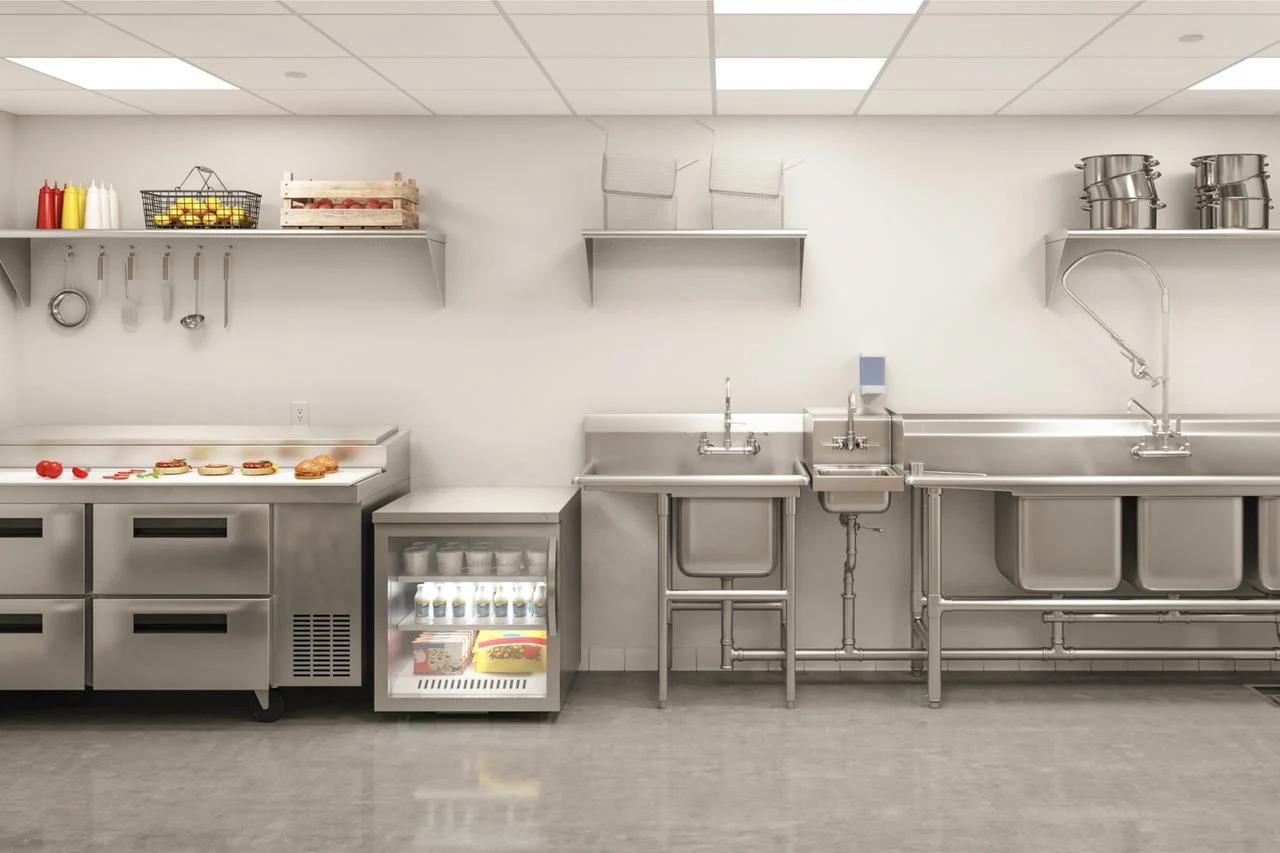
Image Source: cloudkitchens.com
What is a Commissary Kitchen?
A commissary kitchen is a big, professional kitchen. It is licensed. Food businesses use it to make their products. Think of it as a shared commercial kitchen. Businesses rent space or time there. They do not need to build their own kitchen. This saves them a lot of money. It is a dedicated food prep facility. It meets all health department rules. It is a safe and legal place to make food. Some people call it rental kitchen space.
Why Start a Commissary Kitchen?
Starting a commissary kitchen makes good sense. Many small food businesses need a place to work. They cannot afford their own kitchen. A commissary kitchen fills this need.
Here are key reasons:
- Growing Demand: More food trucks are on the road. More caterers are starting up. Online food delivery is huge. This drives demand for a safe kitchen.
- Support for New Businesses: Many new food ventures begin small. They need a place to grow. A commissary offers this support. It acts as a food business incubator.
- Ghost Kitchen Boom: The rise of ghost kitchen setup means more demand. Ghost kitchens cook food only for delivery. They often do not have a storefront. They need a professional kitchen. A commissary is perfect for starting a ghost kitchen.
- Steady Income: As an owner, you get regular rent from your users. This creates a stable income stream.
- Community Building: You help other food entrepreneurs succeed. This builds a strong local food community.
Step-by-Step Guide to Starting Your Commissary Kitchen
Starting a commissary kitchen needs careful steps. Follow this guide closely.
Step 1: Crafting Your Vision and Business Plan
Your first step is to plan everything. Think about your goals. What do you want your kitchen to be?
- Define Your Users: Who will use your kitchen?
- Food trucks need space for big equipment. They also need truck parking. They might need water hookups.
- Caterers need lots of counter space. They need ovens and storage.
- Bakers need special ovens and mixers.
- Small food producers need room for packaging.
- Are you targeting businesses like starting a ghost kitchen? They might need a special setup. This could include many small prep areas.
- Research Local Needs: Look at your area. Are there many food trucks? Do local caterers lack kitchen space? Talk to food entrepreneurs. Find out what they need. Look at other shared kitchens. See what they offer.
- Develop Your Commissary Kitchen Business Plan: This plan is your map. It covers every part of your business.
- Executive Summary: A short overview of your plan.
- Company Description: What is your kitchen? What makes it special?
- Market Analysis: Who are your customers? Who are your rivals? What is the demand like?
- Services: What will you offer? Kitchen access? Storage? Classes?
- Marketing Strategy: How will you find users?
- Management Team: Who will run the kitchen? What are their skills?
- Financial Plan: This is very important.
- Startup Costs: How much money do you need to start? Include building, equipment, permits.
- Operating Costs: How much money do you need to run it each month? Include rent, utilities, cleaning.
- Pricing Model: How much will you charge?
- Hourly Rates: Common for one-time use.
- Monthly Memberships: Good for regular users.
- Tiered Pricing: Different prices for different levels of service.
- Revenue Projections: How much money do you expect to make?
- Funding Request: If you need a loan, how much? What will you use it for?
Step 2: Grasping Legal and Regulatory Requirements
This step is critical. You must follow many rules. This ensures safety. It also keeps your business legal. Commercial kitchen regulations are very strict.
- Health Department Permits: This is the most important permit. Your kitchen must pass health inspections. This covers cleanliness, food safety, water, and waste.
- Contact your local health department early. They will tell you exactly what you need.
- Rules vary by city and state.
- Zoning Laws: Check local zoning rules. Is your chosen location allowed to be a commercial kitchen? Some areas only allow homes. Some allow businesses. You need the right zoning.
- Building Codes: Your building must meet safety codes. This includes fire exits, ventilation, and plumbing.
- Fire Safety: You will need fire extinguishers. You might need a sprinkler system. Fire alarms are a must. Your local fire department will inspect this.
- Business Licenses: Get a general business license for your city and state.
- Shared Kitchen Permits: Some areas have specific permits for shared commercial kitchen spaces. Ask your local health department about these.
- Insurance: Get good insurance. This protects you from problems.
- General Liability Insurance: Covers injuries to people on your property.
- Property Insurance: Protects your building and equipment.
- Workers’ Compensation: If you hire staff, this is often required.
- Tenant Insurance Requirements: Make sure your users also have their own insurance. This protects them and you.
Step 3: Finding the Perfect Location
Your location matters a lot. It affects who uses your kitchen. It also affects how easy it is to run.
- Accessibility: Is it easy to reach? Is it near highways? Is it close to your target users?
- Zoning: As mentioned, check zoning rules first. Do not waste time on a bad spot.
- Parking: Food trucks need big parking spots. Other users need regular parking.
- Infrastructure:
- Water: You need good water pressure and drainage.
- Power: Big kitchens need a lot of electricity. Make sure the building has enough.
- Gas: Do you need natural gas lines for stoves?
- Ventilation: A strong hood system is vital. It pulls smoke and grease out.
- Size and Layout:
- How much space do you need? Consider prep areas, cooking stations, storage, dishwashing.
- Can the space be set up efficiently?
- Commercial Kitchen Lease or Purchase:
- Leasing: Often easier to start. Less money needed up front. But you do not own the property.
- Purchasing: Costs more up front. Gives you full control. It is an asset for your business.
- Work with a good real estate agent. Find properties that were old restaurants or food service spots. They might already have some kitchen setup. This can save you money.
Step 4: Designing Your Food Prep Facility
Designing your kitchen is about flow and safety. It must meet health codes.
- Efficient Layout: Think about how people move.
- Receiving Area: Where food deliveries come in.
- Dry Storage: For non-perishable goods.
- Cold Storage: Walk-in refrigerators and freezers.
- Prep Area: Spaces for cutting, mixing, and assembling.
- Cooking Line: Stoves, ovens, griddles.
- Dishwashing Area: Three-compartment sinks, dishwashers.
- Waste Disposal: Designated areas for trash and recycling.
- Keep dirty and clean zones separate. This prevents cross-contamination.
- Materials:
- Flooring: Must be non-slip and easy to clean. Epoxy or quarry tile is common.
- Walls: Smooth, durable, and easy to wipe down. Stainless steel or FRP (fiberglass reinforced plastic) panels are good.
- Lighting: Bright and even lighting is needed. It helps prevent accidents.
- Ventilation System: A powerful commercial hood is a must. It removes heat, smoke, and odors.
- Plumbing: Hot and cold water must be available. Handwashing sinks are required in prep areas.
- Pest Control: Design features to keep pests out. Think about screens and sealed entries.
Step 5: Equipping Your Shared Commercial Kitchen
Buying the right equipment is a big part of your cost. Get good quality items. They will last longer.
- Essential Equipment List:
- Cooking Equipment:
- Commercial ranges (stoves with ovens)
- Convection ovens
- Griddles and fryers
- Refrigeration:
- Walk-in refrigerator and freezer
- Reach-in refrigerators
- Prep Stations:
- Stainless steel work tables
- Sinks (three-compartment for washing, rinsing, sanitizing)
- Handwashing sinks
- Storage:
- Shelving units (NSF certified)
- Dry storage racks
- Small Wares:
- Pots, pans, cutting boards, knives
- Utensils, mixing bowls
- Safety:
- Fire extinguishers
- First-aid kits
- Cleaning:
- High-pressure hoses
- Mops, buckets, cleaning chemicals
- Cooking Equipment:
- New vs. Used:
- New: Costs more but comes with warranties.
- Used: Can save money. Check condition carefully. Buy from trusted sources.
- Maintenance: Plan for regular upkeep. Equipment breaks down. Set aside money for repairs.
- Bulk Purchasing: Buy larger items or in bulk to save money. Work with restaurant supply companies.
| Equipment Category | Examples | Key Considerations |
|---|---|---|
| Cooking | Commercial ranges, ovens, fryers, griddles | BTU rating, fuel type (gas/electric), ventilation |
| Refrigeration | Walk-in fridge/freezer, reach-ins | Capacity, energy efficiency, temperature control |
| Prep & Dishwash | Stainless steel tables, 3-compartment sinks | NSF certification, size, number of stations |
| Storage | Shelving, dry storage racks | Material (stainless steel), weight capacity, layout |
| Small Wares | Pots, pans, knives, cutting boards | Durability, quantity, proper storage |
Step 6: Setting Up Operations and Management
Now think about how your kitchen will run day-to-day.
- Booking System: How will users reserve time?
- Online booking software is best. It shows availability. It handles payments.
- Make it easy for users to sign up and book.
- Cleaning Protocols: This is very important for health and safety.
- Define clear cleaning rules for users.
- You might hire professional cleaners for deep cleaning.
- Inspect after each use. Keep a log.
- Staffing:
- Manager: Someone to handle bookings, payments, and user issues.
- Cleaning Crew: If you offer cleaning services.
- Maintenance Staff: For equipment upkeep.
- Member Agreements: Create a clear contract for all users. This should cover:
- Hours of operation
- Booking rules
- Payment terms
- Cleaning duties
- Insurance requirements for users
- Rules for equipment use
- Liability and indemnification
- Cancellation policies
- Safety Procedures:
- Train users on equipment.
- Post emergency numbers.
- Have a plan for fires or injuries.
- Ensure all users follow health and safety guidelines.
Step 7: Marketing Your Rental Kitchen Space
Once your kitchen is ready, you need to find users. Get the word out!
- Target Audience: Focus on food businesses.
- Food trucks
- Caterers
- Bakers
- Packaged food makers
- Online food businesses (like those starting a ghost kitchen)
- Online Presence:
- Website: Create a professional website. Show pictures of your kitchen. List services and pricing. Include an easy way to contact you.
- Social Media: Use platforms like Instagram and Facebook. Share photos of your kitchen. Highlight your users’ success stories.
- Online Directories: List your kitchen on directories for shared commercial kitchen spaces.
- Local Outreach:
- Food Truck Rallies: Go to events where food trucks gather. Talk to owners.
- Culinary Schools: Connect with students or recent graduates. They might need space.
- Farmer’s Markets: Many vendors make food at home. They need a commercial space to grow.
- Local Business Groups: Join chambers of commerce. Network with other business owners.
- Partner with Food Business Incubators: Work with groups that help new food businesses. Your kitchen can be part of their program. This is a great way to find new tenants.
- Highlight Benefits: Emphasize why your rental kitchen space is a great choice.
- Cost-effective compared to building a new kitchen.
- Fully compliant with health codes.
- Provides a supportive environment.
- Offers flexible hours.
- Includes essential equipment.
Step 8: Launching and Growing
You are almost ready!
- Soft Opening/Grand Opening: Invite potential users. Show off your facility. Offer special deals for early members.
- Gather Feedback: Ask your first users what they like. Ask what could be better. Use this feedback to improve.
- Offer More Services:
- Storage: Offer extra dry or cold storage space for a fee.
- Delivery Services: Partner with delivery companies.
- Workshops: Host classes on food safety, marketing, or business skills.
- Mentorship: Connect experienced food pros with new ones.
- Expand Capacity: As demand grows, think about adding more equipment. You might even add more kitchen stations.
Key Elements for Success
To make your commissary kitchen truly shine, focus on these points:
- Build Community: Foster a friendly, helpful atmosphere. Your kitchen can be a hub for food entrepreneurs.
- Great Customer Service: Be responsive to user needs. Solve problems quickly. Make booking easy.
- Strict Cleanliness: Always keep your kitchen spotless. This is crucial for health and safety. It also keeps your users happy.
- Offer Flexibility: Provide different booking options. This meets the varied needs of users.
- Clear Rules: Have clear and fair rules. Make sure everyone knows them. This avoids conflicts.
Overcoming Challenges
Starting any business has its hurdles. Be ready for them.
- High Initial Cost: Setting up a professional kitchen costs a lot. Plan your finances carefully. Look for loans or investors.
- Regulatory Hurdles: Getting all permits can be complex. It takes time. Start this process very early.
- Scheduling Conflicts: Many users might want the kitchen at the same time. A good booking system helps. Clear communication is key.
- Equipment Maintenance: Commercial equipment works hard. It needs regular care. Budget for repairs and upgrades.
- Liability Concerns: Accidents can happen. Make sure you and your users have proper insurance. Your agreements should protect you.
The Future of Commissary Kitchens
Commissary kitchens are here to stay. They will likely grow even more.
- Food Delivery Growth: More people order food online. This fuels the need for places to cook it.
- Rise of Ghost Kitchen Setup: Ghost kitchens are becoming popular. They rely heavily on shared commercial kitchen spaces. Your kitchen can be a hub for many ghost brands.
- Role as a Food Business Incubator: Commissaries will help more small food businesses start. They provide a safe, affordable entry point.
- Sustainable Practices: Future kitchens might focus more on being green. This includes energy-saving equipment. It also means less waste.
Commissary kitchens are vital for the food industry. They help small businesses thrive. They provide a base for new food ideas.
Frequently Asked Questions (FAQ)
Q1: What permits do I need for a shared kitchen?
You will need a local health department permit. This is the most important one. You also need a general business license. Check with your city and state for zoning and building permits. Some areas have special shared kitchen permits. Always ask your local health department directly.
Q2: How much does it cost to start a commissary kitchen?
The cost varies a lot. It depends on location, size, and equipment. Expect costs from $100,000 to $500,000 or more. This includes permits, renovations, and equipment. A good commissary kitchen business plan will help you figure out your exact costs.
Q3: Can I use a commissary kitchen for a food truck?
Yes, absolutely! Food trucks are a major user of commissary kitchens. They use the kitchen for food prep, cleaning, and storage. Many health departments require food trucks to operate from a licensed commissary kitchen.
Q4: What insurance is required?
You will need general liability insurance. This protects against accidents. You also need property insurance for your building and equipment. If you have staff, workers’ compensation insurance is likely needed. Make sure your users also carry their own liability insurance.
Q5: How do I find tenants for my kitchen?
Market your kitchen online with a website and social media. Visit food truck events and farmer’s markets. Partner with culinary schools and food business groups. Highlight the benefits of your rental kitchen space. Connect with people interested in starting a ghost kitchen.
Q6: Is starting a ghost kitchen the same as a commissary?
No, they are different but often related. A ghost kitchen is a food business that cooks only for delivery. It usually has no dining area. A commissary kitchen is the place where many ghost kitchens, food trucks, and caterers operate. So, you might operate your own ghost kitchen from a commissary, or you might own the commissary where other ghost kitchens operate.