
You have cockroaches in your kitchen because it offers them what they need: food, water, and shelter. They find these things easily in many homes. Roaches get in through small cracks. They also come in on packages. Keeping a very clean kitchen helps a lot. It makes your home less friendly to them. Let’s look at the top five reasons roaches choose your kitchen.
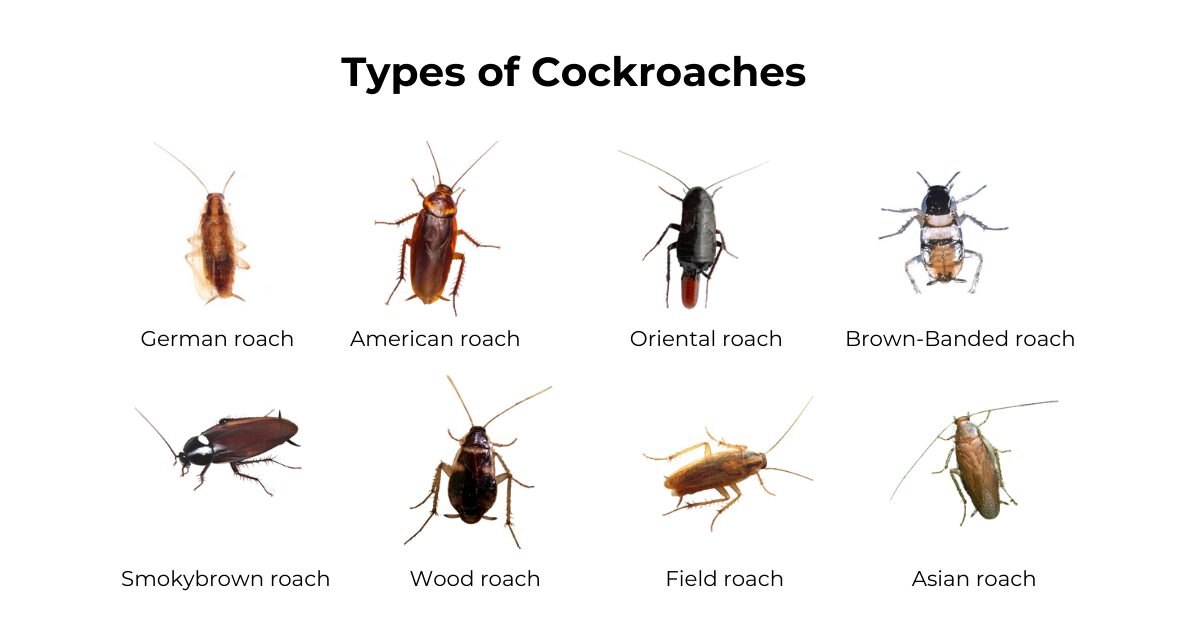
Image Source: smithspestmanagement.com
What Roaches Seek
Roaches are survivors. They want three main things. They need food to eat. They need water to drink. And they need safe places to hide. Your kitchen often has all these things. This makes it a perfect home for them. Knowing what they want helps you get rid of them.
Reason 1: Plenty of Food for Them
Your kitchen is like a feast for roaches. Even tiny crumbs are big meals for them. They do not need much to live.
Food Scraps and Crumbs Everywhere
Tiny food bits fall on the floor. They hide under appliances. These bits are small. But roaches find them. A single crumb can feed many roaches. This is a big problem. This is a common form of food debris infestation.
- Countertops: You cook and eat here. Small pieces of food get left behind.
- Floors: Crumbs fall when you walk. They get kicked under tables.
- Inside Cabinets: Food spills can stay in corners. Flour or sugar might drop.
- Under Appliances: Toasters and fridges catch crumbs. These spots are dark and quiet. Roaches love them.
Open Food and Poor Storage
Roaches love easy access to food. They do not care if it is fresh. Or if it is old.
- Left-out Food: Bowls of fruit are open. Plates with leftovers stay on the counter. Roaches can crawl right onto them.
- Unsealed Containers: Cereal boxes are open. Bags of chips are not closed. Roaches can get inside. They spoil your food. They leave germs.
- Pet Food Bowls: Pet food often sits out all day. Roaches eat it too. This is a huge cockroach attractant. Make sure to pick up pet food. Do it at night.
The Hidden Danger of Grease
Grease is sticky. It catches food bits. It is also a food source itself. Roaches love it.
- Stovetops and Ovens: Grease splatters when you cook. It builds up on surfaces. It gets in cracks.
- Range Hoods: Grease builds up on filters. It covers the hood itself. This is a thick, yummy snack for roaches. This grease buildup roaches love.
- Walls Around Cooking Areas: Splatters hit the wall. They make greasy spots. These spots are often missed during cleaning.
Taking Away Their Food
You must make food scarce. Clean up spills right away. Wipe counters after every meal. Sweep floors often. Mop them too. Use sealed containers for all food. Put pet food away at night. Clean your oven and stovetop regularly. Pay attention to grease. This helps stop food debris infestation.
Reason 2: Easy Access to Water
Roaches need water. They need it more than food. They can live weeks without food. But only days without water. Your kitchen has many water spots. These spots are like oases for them. They are prime water sources cockroaches use.
Leaks and Drips
Even tiny water leaks bring roaches. They know where to find water.
- Leaky Faucets: A slow drip from your sink is enough. Roaches come to drink.
- Under the Sink: Pipes often leak here. Water collects in puddles. This makes a wet, dark place. Roaches hide and drink. This creates damp areas roaches love.
- Behind Appliances: Fridges and dishwashers can leak. Condensation might form. This moisture calls roaches.
Open Water Sources
Some water spots are obvious. You might not think of them as problems.
- Sinks and Drains: Water sits in the sink after washing dishes. Drains always have some moisture. Roaches drink from here.
- Pet Water Bowls: Just like food, pet water sits out. Roaches visit it at night.
- Wet Sponges and Dish Rags: Sponges stay wet. Rags can be damp. Roaches will drink from them. They also get moisture from wet garbage.
High Humidity
Air with lots of moisture helps roaches. They can get water from the air.
- Poor Ventilation: If your kitchen air does not move well, it gets humid. Steam from cooking adds to this.
- Damp Areas: Basements or crawl spaces below your kitchen can be damp. This moisture can seep into walls. This draws roaches closer.
Removing Water Access
Fix any leaks you find. Do it fast. Wipe down sinks after you use them. Do not leave wet dishes. Empty pet water bowls at night. Wring out sponges. Let dish rags dry completely. Use a fan when cooking. This lowers humidity. Keeping areas dry gets rid of major water sources cockroaches need. It also removes damp areas roaches live in.
Reason 3: Safe Places to Hide and Live
Roaches are shy. They are mostly active at night. During the day, they hide. They like small, dark, and tight spots. These are perfect harborage sites cockroaches seek. Your kitchen has many such places.
Cracks and Crevices
Roaches flatten their bodies. They fit into tiny spaces.
- Wall Cracks: Small cracks in walls are like highways for them. They travel between rooms.
- Around Pipes: Gaps around pipes under sinks or behind appliances are entry points. They are also great hiding spots.
- Loose Tiles or Grout: Missing grout or loose tiles give them space. They hide behind them.
- Door and Window Frames: Gaps around these frames let them in. They also hide there.
Clutter and Stored Items
Piles of things offer shelter. Roaches feel safe in mess. This is why clutter attracting roaches is a real problem.
- Cardboard Boxes: Roaches love cardboard. It holds moisture. It offers many layers to hide in. Old boxes under the sink or in a pantry are ideal.
- Old Newspapers and Bags: Piles of papers or plastic bags provide cover. They are warm and dark.
- Stored Groceries: Bags of potatoes or onions left on the floor can become hideouts.
- Behind Artwork or Wall Hangings: Pictures on walls can create small gaps. Roaches can squeeze behind them.
Inside Appliances and Furniture
Your appliances are warm and dark. They offer perfect homes.
- Refrigerators: The motor area is warm. Condensation provides water. Dust and crumbs provide food.
- Dishwashers: They are often warm and moist. Food bits get stuck inside.
- Ovens and Stoves: Pilot lights create warmth. Grease and food crumbs are always there.
- Cabinets and Drawers: Dark, undisturbed spaces are prime real estate. Especially if they are messy.
Removing Hiding Spots
Seal all cracks and holes. Use caulk to fill gaps. Do this around pipes, baseboards, and walls. Declutter your kitchen. Get rid of old newspapers and boxes. Store food in sealed containers. Do not stack too many things. Clean behind and under appliances often. Pull out the fridge and clean the coils. These steps remove harborage sites cockroaches need to feel safe. Reducing clutter attracting roaches away from your kitchen.
Reason 4: Easy Ways to Get In
Roaches do not just appear. They come from somewhere. They are very good at finding ways into your home. These are their main cockroach entry points.
Cracks and Gaps in Your Home
Your home has tiny openings. Roaches use them like doors.
- Under Doors: Gaps at the bottom of doors let them crawl in. Especially outdoor doors.
- Around Windows: Small cracks around window frames are easy entry points.
- Foundation Cracks: Roaches can come up from outside. They use cracks in the house’s foundation.
- Utility Lines: Pipes and wires enter your home. Gaps around them are common entry points. Think about gas lines, water pipes, and electrical conduits.
Shared Walls and Ducts
If you live in an apartment or duplex, roaches can travel easily.
- Adjoining Units: Roaches move between apartments. They use shared walls. They use cracks in these walls. They follow pipes.
- Vents and Ducts: Air vents and heating ducts are like tunnels. Roaches use them to move from one room to another. Or from one unit to another.
- Wall Voids: The space inside your walls is empty. Roaches live and move here. They can go from one part of the house to another.
Brought In From Outside
Sometimes, you bring roaches in yourself. You do not even know it.
- Grocery Bags: Roaches can hide in bags from the store.
- Cardboard Boxes: Old boxes from friends or deliveries might have roaches.
- Used Appliances or Furniture: If you buy used items, check them well. Roaches love to hide in them.
- Firewood: Bringing firewood inside can also bring roaches.
Blocking Their Entrance
Seal all cracks. Use caulk or plaster. Put sweeps under doors. Fix any broken screens. Check packages and bags before bringing them inside. Do not store cardboard boxes for long. If you live in an apartment, talk to your landlord about shared wall issues. Making entry hard stops many cockroach entry points.
Reason 5: Poor Kitchen Hygiene Habits
This is often the biggest reason. It combines food, water, and shelter. When your kitchen is not clean, you invite roaches. This is all about kitchen hygiene roaches cannot resist. Bad habits lead to sanitation roach problems.
Infrequent Cleaning
Not cleaning often leaves food and water out.
- Dirty Dishes: Leaving dirty dishes in the sink overnight is a big draw. Food bits dry on plates. Water sits in bowls. Roaches come to eat and drink.
- Skipping Wipes: Not wiping counters or stovetops after cooking. Food splatters stay. Roaches find them.
- Ignoring Floors: Not sweeping or mopping regularly. Crumbs build up. Spills dry into sticky spots. Roaches feast.
- Under Appliances: These areas are often forgotten. Dust, crumbs, and grease build up here. They offer food and shelter.
Trash Management Issues
Your trash can be a roach buffet.
- Open Trash Cans: A trash can without a lid lets roaches in easily.
- Infrequent Emptying: Full trash bags sit for days. Food rots. Smells attract roaches.
- Leaky Bags: Liquid from trash leaks onto the floor. This creates dampness and food trails.
- Outdoor Bins: If outdoor bins are near your house and open, roaches come. Then they move inside.
Neglected Areas
Some parts of the kitchen are often missed.
- Pantry Mess: Spilled sugar or flour. Open bags of rice or pasta. These are big attractions.
- Behind Refrigerator: Dust and food bits build up. The warm motor is a great hiding spot.
- Cabinets and Drawers: Spills or crumbs are ignored. Old food packages might sit.
Boosting Your Kitchen Hygiene
Clean your kitchen every day. Wipe counters after every meal. Wash dishes right away. Or put them in the dishwasher. Sweep and mop your floors often. Use a covered trash can. Take out the trash daily. Even small amounts of trash can attract them. Clean inside your pantry. Check for spills. Seal all food. Pull out your fridge and clean behind it. Clean your oven and stovetop regularly. These steps improve kitchen hygiene roaches hate. They solve sanitation roach problems.
How to Make Your Kitchen Roaches-Free
It takes work. But you can get rid of roaches. And you can keep them away.
Deep Cleaning is Key
A very deep clean is the first step. Clean every part of your kitchen.
- Move Appliances: Pull out your fridge, stove, and dishwasher. Clean under and behind them.
- Clean Cabinets: Empty all cabinets. Wipe them down inside and out. Throw away old food.
- Scrub Surfaces: Wash all walls, floors, and countertops well. Pay extra attention to grease.
- Vacuum Thoroughly: Use a vacuum with a hose. Get into cracks and tight spots.
Store Food Right
Proper food storage is vital.
- Airtight Containers: Use glass or thick plastic containers with tight lids. Store all dry food this way.
- Refrigerator Use: Put leftovers in the fridge right away. Do not leave food on the counter.
- Pet Food: Store pet food in sealed bins. Do not leave pet bowls out overnight.
Fix All Leaks
Check for water leaks often.
- Check Faucets and Pipes: Look under sinks. Look behind appliances. Fix any drips or leaks fast.
- Dry Wet Areas: Wipe up spills right away. Do not leave wet sponges or rags.
- Improve Air Flow: Use exhaust fans when cooking. This lowers humidity.
Seal Entry Points
Make it hard for roaches to get in.
- Caulk and Seal: Use caulk to fill cracks. Fill gaps around pipes, windows, and doors.
- Door Sweeps: Put sweeps under exterior doors.
- Screens: Make sure window and door screens are in good repair.
Reduce Clutter
Less stuff means fewer places to hide.
- Declutter: Get rid of old newspapers, magazines, and empty boxes.
- Organize: Keep cabinets and pantries neat. Do not stack too many things.
- Inspect Deliveries: Check grocery bags and packages before bringing them far into your home.
Professional Help
Sometimes, you need more help. If you have many roaches, call an expert. They can find nests. They can use special treatments.
Frequently Asked Questions (FAQ)
How do I know if I have a cockroach problem?
You might see them. They often run when you turn on a light. You might find dark spots on surfaces. These are roach droppings. You might also find empty skin casings. These are from when roaches grow. Some people notice a musty smell too.
Can cockroaches spread diseases?
Yes, they can. Roaches walk on dirty things. They pick up germs. They carry bacteria. Then they walk on your food. Or your counters. They can spread sickness. This includes salmonella and E. coli. They can also make asthma worse. Especially for kids.
What smells do cockroaches hate?
Roaches dislike strong smells. Peppermint oil, cedarwood, and citrus can deter them. You can use these oils in water. Spray it in problem areas. Bay leaves also repel them. But these smells alone will not get rid of a big problem. They are more like a natural deterrent for minor issues.
How long can a cockroach live without food or water?
A cockroach can live for about a month without food. But it can only live about a week without water. This is why fixing leaks and keeping things dry is so important. Water is critical for them.
Should I use bug bombs for cockroaches?
Bug bombs are often not very effective. They spray chemicals everywhere. But they do not get into all the cracks where roaches hide. They can also spread roaches to other parts of your home. Or to other apartments. It is usually better to use baits, traps, or call a pest control expert.
Is it true that cockroaches can live after being decapitated?
Yes, a cockroach can live for about a week without its head. This sounds scary. But it’s true. They breathe through small holes on their body. They do not need their head for this. They only die because they cannot drink water. They die from thirst.
How fast do cockroaches multiply?
Cockroaches multiply very quickly. A female German cockroach can lay many egg cases. Each case can have 30-50 eggs. She can produce several cases in her lifetime. This means a few roaches can become many very fast. This is why quick action is needed.
What are the best ways to prevent cockroaches from coming back?
The best ways are simple. Keep your kitchen very clean. Store all food in sealed containers. Fix any water leaks immediately. Seal all cracks and holes in your home. Reduce clutter. Take out the trash often. Regular, consistent cleaning is your best defense.