
So, you’ve noticed tiny ants marching into your kitchen. The most common reason for this sudden invasion of tiny ants is that they’ve found a food or water source. These resourceful insects are constantly searching for resources to sustain their colony, and your kitchen is often a prime target.
It can be incredibly frustrating to deal with an ant infestation in your home, especially when it feels like it happened overnight. One moment your kitchen is clean, and the next you’re seeing tiny ants exploring your countertops and floors. This sudden appearance of kitchen ants is a common ant problem that many homeowners face. Let’s dive into why this happens and what you can do about it.
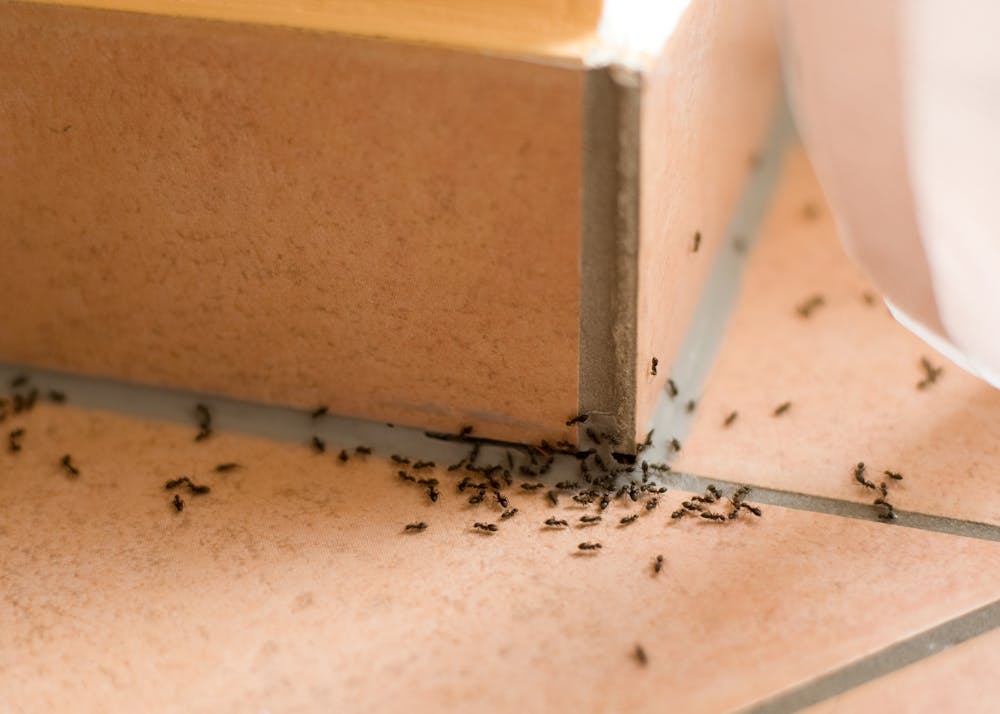
Image Source: images.theconversation.com
Deciphering the Arrival of Tiny Kitchen Ants
Tiny ants, often referred to as sugar ants due to their attraction to sweets, are very small and can easily go unnoticed until their numbers swell. Their ability to appear out of nowhere is a testament to their efficient scouting and colony-building behavior.
What Attracts These Tiny Invaders?
Several factors draw these minuscule pests into your home:
- Food Scraps: Even the smallest crumbs, spills, or sticky residues can be a beacon for ants. They are attracted to carbohydrates, proteins, and fats.
- Sweet Substances: Spilled juice, honey, jam, or sugar bowls left uncovered are irresistible to ants.
- Grease: Residue from cooking, especially around stovetops and ovens, can also be a food source.
- Water Sources: Leaky pipes, damp sponges, or standing water in sinks can attract ants, particularly during dry periods.
- Entry Points: Ants are tiny and can squeeze through incredibly small cracks and crevices in walls, windows, and doors.
Common House Ants You Might Be Seeing
When you spot these tiny ants, chances are you’re dealing with one of the more common species found in homes.
Argentine Ants
These are perhaps the most prevalent tiny ants causing ant problems in kitchens.
- Appearance: Light to dark brown, about 2-3 mm long.
- Behavior: They form large colonies and often have multiple queens. They are attracted to sweets and can produce distinct ant trails.
- Nesting: They can nest both outdoors and indoors, often in wall voids or under appliances.
Odorous House Ants
Known for the unpleasant smell they emit when crushed, these ants are another frequent visitor.
- Appearance: Brown to black, about 2-3 mm long.
- Behavior: They forage for sweets, decaying insects, and pet food. When disturbed, they release a strong, rotten coconut-like odor.
- Nesting: They prefer nesting in moist areas, such as under sinks or leaky pipes, but can also nest in wall voids.
Pavement Ants
Often found near sidewalks and driveways, these ants can easily find their way indoors.
- Appearance: Dark brown to black, about 2.5-4 mm long.
- Behavior: They are attracted to a variety of foods, including sweets, meats, and oily substances. They can create small mounds of soil near foundations.
- Nesting: They nest in soil, under stones, and within cracks in pavement, but will readily nest in buildings if a food source is available.
Pharaoh Ants
These are particularly problematic tiny ants due to their small size and ability to spread rapidly.
- Appearance: Pale yellow to light brown, about 1.5-2 mm long.
- Behavior: They are attracted to sweets, grease, and even dead insects. They are known to nest in wall voids, behind baseboards, and inside electrical equipment.
- Nesting: Their nests are often difficult to locate, contributing to their persistence.
Fathoming the Sudden Appearance: Triggers for an Ant Invasion
Several factors can trigger an ant invasion, turning a minor nuisance into a full-blown ant problem.
Environmental Changes
- Weather Shifts: Extreme heat, drought, or heavy rains can drive ants to seek shelter and resources inside homes. During dry spells, ants will venture further to find water sources.
- Seasonal Changes: As temperatures drop in fall, ants may enter homes to overwinter, seeking warmth and a reliable food supply. Spring often sees new colonies emerging.
Changes in Your Home
- New Food Sources: If you’ve recently had a gathering, or if food is left out, even for a short period, it can attract scouts. A forgotten sticky jar of jam or a sweet drink spilled under the fridge can be a major draw.
- Home Repairs or Renovations: Construction or repair work can disturb ant nests outdoors or create new entry points into your home.
- New Pets: Pet food left out is a highly attractive food source for ants.
Colony Expansion
- Scouting Behavior: Ants are natural explorers. A single scout ant might find a food source in your kitchen, return to the colony, and then recruit thousands of its sisters to exploit the new food opportunity. This is how ant trails start to form.
- Winged Swarms: In some species, reproductive ants develop wings and fly out to mate and establish new colonies. If this happens near your home, a new colony could quickly form and begin foraging.
Identifying the Source: Tracking Ant Trails
Spotting ant trails is crucial for effective ant control. These trails are chemical highways created by ants using pheromones. They lead from the nest to food and water sources.
Where to Look for Ant Trails
- Kitchen Counters and Floors: Follow the most direct routes from entry points to potential food sources like spills, crumbs, or pet food bowls.
- Baseboards and Walls: Ants often travel along the edges of rooms and along wall voids.
- Around Windows and Doors: These are common entry and exit points.
- Underneath Appliances: Refrigerators, stoves, and dishwashers can hide spills and food debris.
- Near Water Sources: Sinks, dishwashers, and leaky pipes are attractive spots.
What Trails Tell You
- Entry Points: The path an ant trail takes can reveal how ants are getting into your house.
- Food Sources: The destination of the trail often points to what they are after.
- Nest Location (Sometimes): While the nest itself might be hidden, following the trail back as far as possible can provide clues.
Strategies for Effective Ant Control
Dealing with tiny ants requires a multi-pronged approach, focusing on elimination, prevention, and exclusion.
Eliminating Existing Ants
Sanitation is Key
The most important step in ant control is impeccable sanitation.
- Clean Up Spills Immediately: Wipe down counters, tables, and floors after every meal or spill.
- Secure Food: Store all food, especially sweets and sugary items, in airtight containers. This includes pet food.
- Wash Dishes Promptly: Don’t leave dirty dishes in the sink.
- Empty Trash Regularly: Use trash cans with tight-fitting lids and empty them daily. Clean the inside of the trash cans as well.
- Rinse Recyclables: Ensure all food residue is removed from cans and bottles.
Natural Remedies and Deterrents
Before reaching for chemicals, try these natural methods:
- Vinegar: A mixture of equal parts white vinegar and water can be used to wipe down surfaces. The vinegar smell disrupts ant trails and acts as a deterrent.
- Lemon Juice: Similar to vinegar, lemon juice can mask ant trails.
- Peppermint Oil: Ants dislike the strong scent of peppermint. Place a few drops on cotton balls and place them near entry points or problem areas.
- Cinnamon: A sprinkle of cinnamon powder can create a barrier that ants are reluctant to cross.
- Coffee Grounds: Used coffee grounds can deter ants and are best placed around the exterior of your home.
- Chalk: Drawing a chalk line can sometimes deter ants, as they are hesitant to cross it.
Ant Baits
Baits are highly effective for ant control because they target the entire colony.
- How They Work: Ant baits contain a slow-acting poison mixed with a sweet attractant. Worker ants consume the bait and carry it back to the nest, where they share it with other ants, including the queen.
- Placement: Place baits along visible ant trails and near entry points. Avoid spraying insecticides near baits, as this can deter ants from reaching the bait.
- Types of Baits: Gel baits and liquid baits are common. Choose baits formulated for the type of ants you are seeing, if possible.
Insecticide Sprays (Use with Caution)
Insecticides can provide a quick knockdown of visible ants, but they are not a long-term solution on their own.
- Direct Contact: Sprays kill ants on contact but do not eliminate the colony. They can also scatter ants, making the problem harder to manage.
- Residual Sprays: Some sprays leave a residue that can kill ants for a period after application.
- Safety: Always follow label instructions carefully, especially if you have children or pets. Avoid spraying directly on food preparation surfaces.
Preventing Future Ant Problems
Prevention is always better than cure when it comes to ant infestations.
Sealing Entry Points
This is a crucial step in preventing an ant invasion.
- Inspect Your Home: Regularly check for cracks and crevices around windows, doors, foundations, and utility lines.
- Seal Gaps: Use caulk or sealant to close these entry points. Pay close attention to areas where pipes and wires enter the house.
- Repair Screens: Ensure window and door screens are intact and free of holes.
Managing Outdoor Attractants
Ants often originate from your yard.
- Trim Vegetation: Keep tree branches and shrubs trimmed so they don’t touch your house, as ants can use them as bridges.
- Remove Standing Water: Fix leaky outdoor faucets and ensure good drainage around your foundation.
- Clean Up Outdoor Areas: Remove fallen fruit, pet waste, and other potential food sources from your yard.
- Secure Trash Cans: Make sure outdoor trash cans have tight-fitting lids.
Addressing Moisture Issues
Ants need water as much as food.
- Fix Leaks: Repair any leaky pipes, faucets, or appliances both inside and outside your home.
- Ventilate Damp Areas: Ensure proper ventilation in bathrooms and kitchens to reduce humidity.
- Check for Condensation: Look for condensation around pipes or under sinks.
When to Call a Professional
If your ant problem persists despite your best efforts, or if you suspect a large or difficult-to-manage ant infestation (like Pharaoh ants), it might be time to call a pest control professional.
Signs It’s Time to Seek Expert Help
- Persistent Sightings: You continue to see ant trails and large numbers of ants even after implementing control measures.
- Multiple Nest Locations: Ants are appearing in various rooms or areas of your home.
- Difficulty Identifying the Ant Type: You can’t figure out what kind of ants you have or where they are coming from.
- Winged Ants: Seeing winged ants (swarmers) could indicate a mature colony that is difficult to control.
- Pharaoh Ants: These are notoriously hard to eradicate and require professional intervention.
A pest control professional can identify the specific ant species, locate the nest, and implement targeted treatments that are safe and effective for your home.
Frequently Asked Questions About Tiny Kitchen Ants
Q1: How did tiny ants get into my kitchen so quickly?
A: Tiny ants are excellent scouts and can detect food or water sources from surprising distances. Even a minuscule spill or crumb can attract a scout, who then leads a colony to the bounty, creating visible ant trails rapidly.
Q2: What are the most common types of tiny ants in kitchens?
A: The most common culprits for kitchen ants are Argentine ants, odorous house ants, pavement ants, and sometimes Pharaoh ants. They are all small and attracted to common household food sources.
Q3: Are tiny ants dangerous?
A: Most tiny ants found in kitchens are nuisance pests. They don’t typically bite or sting in a way that causes significant harm, though some species might bite defensively. Their primary concern is hygiene, as they can contaminate food and surfaces.
Q4: Can I get rid of ants naturally?
A: Yes, natural methods can be effective for minor ant problems. Sanitation, sealing entry points, and using natural deterrents like vinegar, peppermint, or cinnamon can help manage and deter tiny ants. However, for severe ant infestations, professional ant control might be necessary.
Q5: Where do tiny ants build their nests in a kitchen?
A: Tiny ants can build nests in various places, including wall voids, under appliances (like refrigerators or dishwashers), behind baseboards, inside cabinets, near leaky pipes, or in damp areas. They seek shelter and proximity to food and water.
Q6: Why do ants follow specific paths, creating ant trails?
A: Ants use pheromones, which are chemical scent trails, to communicate. Scout ants lay down these trails to lead other ants to food and water sources, and also to navigate back to the nest. These form the visible ant trails you often see.
Q7: What is the best way to stop ants from coming back?
A: Consistent sanitation, sealing all potential entry points into your home, and removing outdoor attractants are the most effective long-term strategies to prevent ant invasions. Regularly inspect your kitchen and home for any signs of new activity.
Q8: Is it bad if I see a few ants?
A: Seeing a single or a couple of ants occasionally might just be scouts that haven’t found a significant food source yet. However, if you start seeing multiple ant trails or a constant stream of ants, it’s a sign of a larger ant problem or an impending ant infestation that needs attention.