
Kitchen electrical safety means keeping your kitchen safe from dangers like electric shocks. This guide will show you simple steps to prevent shocks at home. Everyone in the home is responsible for safety, but adults must set up a safe space and teach others good habits. Kitchens have many electrical devices and water, which makes them risky places for electric shocks if you are not careful.
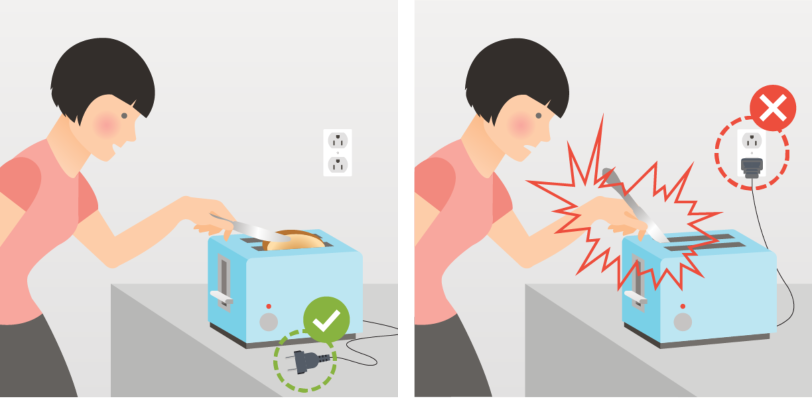
Image Source: www.hydroquebec.com
Grasping Kitchen Electrical Dangers
The kitchen is often called the heart of the home. But it is also a place with many electrical dangers. We use toasters, blenders, kettles, and more. These all need electricity. Add water from sinks or spills, and you have a high risk area.
h4: Why the Kitchen Can Be Risky
Think about how many electric things are in your kitchen. From the big fridge to small mixers, they all run on power. When these devices get old or are used wrong, they can become dangerous. A tiny spark or a loose wire can cause a big problem. Water makes this danger much worse. Water can carry electricity. If water touches a live wire or a faulty device, it can give you a shock. This shock can be very painful or even deadly.
h4: Water and Electricity Hazards Kitchen
Water and electricity do not mix. This is a golden rule for kitchen safety. Even a small amount of water can make a device dangerous. Imagine spilling water near a toaster that is plugged in. The water could reach the electric parts. This makes the toaster “live” with electricity. If you touch it, the electricity could go through you to the ground. This is an electric shock.
Common water hazards include:
* Wet hands when plugging in or unplugging devices.
* Spilled drinks near outlets or appliances.
* Water splashes from the sink onto counters.
* Washing appliances while they are still plugged in.
Always wipe up spills right away. Make sure your hands are dry before you touch anything electrical. This simple step can save your life.
h4: Common Ways Shocks Happen
Shocks do not just happen out of nowhere. They often result from small mistakes or old, damaged items. Knowing these common causes helps you avoid them.
- Frayed Cords: Power cords can wear out. The outer cover might split. This shows the wires inside. If you touch these wires, you can get a shock.
- Overloaded Outlets: Plugging too many devices into one outlet can pull too much power. This makes the outlet hot. It can damage the wires or cause a fire.
- Damaged Appliances: Old appliances might have internal wiring issues. Small cracks in the device body can also expose wires.
- Using Metal in Toasters: Never put metal items like forks into a toaster while it is plugged in. The metal can touch the heating parts and give a shock.
- Poor Wiring: Old or bad home wiring can be a silent danger. Wires might be loose or not covered well. This can lead to shocks or fires.
Essential Safety Measures for Your Kitchen
Keeping your kitchen safe means taking active steps. This part covers important kitchen electrical safety tips that can protect you and your family.
h3: GFCI Outlets Kitchen Safety
GFCI stands for Ground Fault Circuit Interrupter. These outlets are heroes in places where water and electricity meet. They are a must-have for home electrical safety in kitchen.
h4: What Are GFCIs?
A GFCI outlet looks like a regular outlet but has “Test” and “Reset” buttons. Its job is to sense even small changes in electric current. It protects you from serious shocks.
h4: How GFCIs Work
A GFCI works very fast. It checks the flow of electricity. If it sees that electricity is going where it should not (like through your body), it shuts off the power in a split second. This quick reaction can stop a shock before it hurts you badly. Regular outlets do not have this quick shut-off feature for ground faults. They only shut off if there is a big overload.
h4: Where to Install GFCIs
You should have GFCI outlets in all areas where water is present. This includes:
* Kitchens, especially near the sink or counters.
* Bathrooms.
* Laundry rooms.
* Garages.
* Outdoors.
If your kitchen does not have GFCIs, talk to an electrician. Installing them is a key step for kitchen outlet shock prevention.
h4: Testing GFCIs
It is important to test your GFCI outlets every month. This makes sure they are working right.
Here are the simple steps:
| Step | Action | Expected Result |
|---|---|---|
| 1. | Plug a lamp or small device into the GFCI outlet. | The lamp/device should turn on. |
| 2. | Press the “Test” button on the GFCI outlet. | The lamp/device should turn off. You might hear a click. |
| 3. | Press the “Reset” button. | The lamp/device should turn back on. |
If the lamp does not turn off when you press “Test,” or does not turn on when you press “Reset,” the GFCI is broken. It needs to be replaced by a qualified electrician right away. Do not use that outlet until it is fixed.
h3: Kitchen Wiring Precautions
Good wiring is the backbone of electrical safety. Poor wiring can lead to many dangers.
h4: Professional Installation
Never try to do major electrical work yourself unless you are a trained electrician. Kitchen wiring is complex. It needs to be done by someone who knows safety rules and local building codes. Hiring a professional for any new outlets or wiring changes is a smart choice. They ensure everything is safe and up to code. This is vital for home electrical safety in kitchen.
h4: Avoiding DIY for Complex Tasks
Simple tasks like changing an outlet cover might be okay for a handy person. But anything that involves new wiring, adding circuits, or changing your electrical panel needs a pro. Doing it wrong can lead to fires, shocks, or system failure. Do not risk it.
h4: Overloaded Circuits
Each circuit in your home can only handle a certain amount of electricity. Plugging in too many high-power devices to one circuit can overload it. This makes wires heat up. Your circuit breaker might trip to prevent a fire. If breakers trip often, it means you are overloading a circuit.
Tips to prevent overloaded circuits:
* Spread out your high-power appliances. Do not plug a toaster, microwave, and kettle into the same outlet or circuit strip.
* Check your appliance power ratings. High-wattage items like microwaves use a lot of power.
* Consider having dedicated circuits for very high-power appliances if your kitchen is older. An electrician can help with this.
h3: Preventing Kitchen Appliance Shocks
Your kitchen appliances are a big part of your daily life. Knowing how to use and care for them safely is key to preventing kitchen appliance shocks.
h4: Checking Appliances Regularly
Make it a habit to look at your appliances. Check for:
* Frayed Cords: Any nicks, cuts, or worn spots? Replace the cord or the appliance.
* Loose Plugs: Does the plug fit snugly into the outlet? A loose plug can cause sparks.
* Cracked Housings: If the plastic or metal body of an appliance is cracked, inner wires might be exposed.
* Strange Smells or Sounds: Burning smells or buzzing sounds mean a problem. Unplug the device at once.
h4: Proper Use of Appliances
Always use appliances as the maker intended. Do not try to make them do things they were not designed for. For example, do not use a food processor to crush ice unless it says it can. Overworking an appliance can cause it to overheat or break down, leading to electrical hazards.
h4: Repairs by Experts
If an appliance is broken, do not try to fix it yourself unless you are qualified. Many appliances have hidden electrical parts. Taking them apart can be dangerous. It is often safer and sometimes cheaper to replace a broken small appliance. For larger appliances like refrigerators or dishwashers, call a qualified repair technician.
h4: Unplugging When Not in Use
It is a good habit to unplug appliances when you are not using them. This is especially true for items like toasters, coffee makers, and blenders. This prevents accidental turn-ons and reduces the risk of electrical issues. If a device is unplugged, it cannot cause a shock or a fire.
h3: Electrical Cord Safety Kitchen
Cords are the lifelines for your appliances. They also cause many electrical hazards if not handled with care. Good electrical cord safety kitchen practices are simple but vital.
h4: No Frayed or Damaged Cords
This point cannot be said enough. A damaged cord is a huge risk.
* If a cord is cut, twisted, or has wires showing, throw it out. Do not try to tape it up. Tape does not offer enough protection.
* Never run cords under rugs or carpets. This can damage the cord over time. It also makes a fire risk.
* Avoid placing cords where they can be pinched by furniture or doors.
h4: Proper Placement of Cords
Cords should be placed carefully.
* Keep them out of walking paths to avoid tripping hazards.
* Do not let cords hang over the edge of counters. This is important if you have kids or pets who might pull them down.
* Keep cords away from hot surfaces like stoves or ovens. Heat can melt the cord’s cover.
h4: Not Overloading Outlets with Power Strips
Using power strips can be helpful for plugging in many devices. But they do not add more power to an outlet. They only spread out the power from one outlet.
* Do not plug multiple power strips into each other (daisy-chaining).
* Avoid plugging high-power appliances into a power strip. Use wall outlets for microwaves, toasters, and kettles.
* Check the power strip’s rating. Do not plug in devices that total more watts than the strip can handle.
h4: Unplugging Cords Correctly
Always pull the plug itself, not the cord. Pulling the cord can damage the wires inside the plug or the cord itself. This makes it unsafe. It can also cause the wires to break from the plug, leaving live wires exposed.
Safe Habits for Kitchen Use
Beyond specific equipment, your daily actions matter a lot. These safe habits help with kitchen outlet shock prevention and general safety.
h3: Wet Hands Electrical Danger Kitchen
This is one of the most common ways people get shocked. Water makes your body a good path for electricity.
h4: Always Dry Hands
Before you touch any electrical device or outlet, make sure your hands are completely dry. Use a towel. This simple step can prevent a shock. If your hands are wet, you can get shocked even from a device that seems fine. Electricity will flow through the water on your skin.
h4: Using Rubber Gloves (When Appropriate)
For some tasks, like cleaning around electrical items, wearing rubber gloves can add an extra layer of safety. Rubber does not conduct electricity well. However, this is not a substitute for unplugging items first. Always unplug. Gloves are just an added layer if needed for general cleaning near but not on active electrical points.
h3: Kitchen Outlet Shock Prevention
Outlets are where the power comes from. Protecting them is key to preventing shocks.
h4: Using Outlet Covers
If you have young children, use plastic safety covers for all unused outlets. Kids are curious. They might try to put small objects into the holes, which can cause a serious shock.
h4: Not Putting Objects into Outlets
Never put anything other than an electrical plug into an outlet. This includes forks, knives, paper clips, or fingers. This is extremely dangerous and will result in a shock.
h4: Avoiding Damaged Outlets
If an outlet looks cracked, charred, or has loose parts, do not use it. If plugs fall out easily, it might be damaged inside. Call an electrician to inspect and fix or replace any damaged outlets.
h3: Safe Use of Kitchen Electrical Appliances
Making sure you use kitchen items correctly is a major part of safe living. This is about being smart and careful every day.
h4: Reading Appliance Manuals
It sounds boring, but reading the instruction manual for new appliances is very important. Manuals tell you:
* How to use the appliance safely.
* What to avoid.
* How to clean it without damage.
* Any special safety warnings.
This is a key part of safe use of kitchen electrical appliances.
h4: Keeping Appliances Clean and Dry
Dirt, grease, and food bits can build up on appliances. This can sometimes affect their working parts.
* Always clean appliances according to the manual.
* Make sure they are unplugged before cleaning.
* Do not let water get into the electrical parts. Always dry them well after cleaning.
h4: Regular Checks and Maintenance
Set a schedule for checking your appliances. Maybe once a month or every few months.
* Look for visible damage.
* Listen for strange noises.
* Smell for any burning odors.
* Test GFCIs.
Regular checks can spot problems before they become dangerous.
h4: Turning Off Power Before Cleaning
Before you clean any electrical appliance, no matter how small, unplug it from the wall. This ensures no power can reach the device. It is the safest way to clean and avoids the wet hands electrical danger kitchen risk.
What To Do If A Shock Happens
Even with all precautions, accidents can happen. Knowing what to do in case of an electric shock is crucial.
h4: Stay Calm and Act Fast
If someone is getting an electric shock:
1. Do NOT touch the person. You could get shocked too.
2. Turn off the power source. This is the first and most important step. If possible, unplug the device. If not, go to your home’s main electrical panel and turn off the main switch or the circuit breaker for that area.
3. If you cannot turn off the power, use something that does not conduct electricity (like a wooden stick, dry rope, or a thick stack of newspapers) to push the person away from the power source. Be very careful.
4. Once the power is off and the person is safe, call for emergency help (e.g., 911 or your local emergency number) immediately.
5. Check the person’s breathing and pulse. If trained, start CPR if needed.
6. Even if the person seems fine, they should see a doctor. Electric shocks can cause hidden injuries.
Frequently Asked Questions (FAQ)
Q1: What is the main cause of electric shocks in the kitchen?
A1: The main cause is often water mixing with electricity or faulty/damaged appliances and cords. Wet hands touching plugs or devices are a very common danger.
Q2: Are extension cords safe to use in the kitchen?
A2: It is best to avoid extension cords in the kitchen. If you must use one, make sure it is rated for the power needed and in good condition. Never use them for high-power appliances like microwaves or toasters. They should be a temporary solution, not permanent.
Q3: How often should I test my GFCI outlets?
A3: You should test your GFCI outlets once a month to ensure they are working correctly. This simple test only takes a few seconds.
Q4: Can a small shock be dangerous?
A4: Yes, even a small shock can be dangerous. It can cause internal damage, heart issues, or lead to falls. Always seek medical attention after any electric shock, no matter how minor it seems.
Q5: What should I do if an appliance sparks when I plug it in?
A5: Unplug it immediately if it is safe to do so. Do not use that appliance again. The sparking means there is an electrical fault. It needs repair by an expert or replacement. Do not try to use it.
Q6: Is it safe to clean a toaster while it’s plugged in?
A6: No, never clean any electrical appliance, including a toaster, while it is plugged in. Always unplug it first to prevent the risk of electric shock.
By following these guidelines and making electrical safety a habit, you can make your kitchen a much safer place for everyone. Be alert, be careful, and stay safe.