
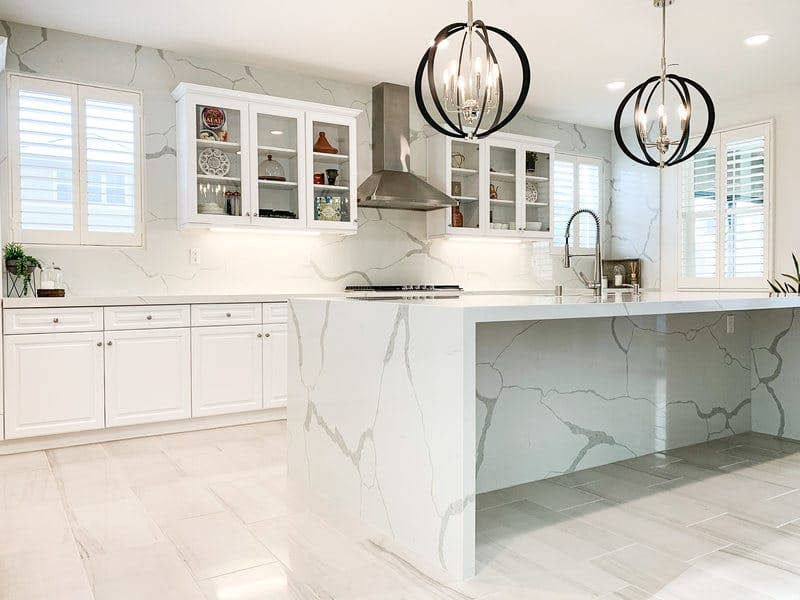
Image Source: prolinerangehoods.com
How Can You Replace Kitchen Floor Without Removing Cabinets
Yes, you can replace your kitchen floor without removing cabinets. This approach saves time, effort, and money. It also avoids major disruptions to your kitchen. People often want to do this to update their homes. You can install a new floor under existing kitchen cabinets. This is called reflooring kitchen without cabinet removal. This guide will show you how to replace kitchen flooring without moving cabinets. We will cover many options for kitchen flooring under cabinets. You will learn about DIY kitchen floor replacement existing cabinets and tips for installing flooring with cabinets in place. We will also touch on removing old kitchen floor cabinets installed.
Why Choose to Keep Cabinets in Place?
Replacing a kitchen floor is a big job. Taking out cabinets makes it even bigger. It costs more money. It takes much more time. Many people choose to work around their cabinets. This makes the job easier. It also saves cash.
Saves Money
Removing cabinets costs money. You might need to pay someone to do it. You might also damage the cabinets. Fixing damage costs more money. Not moving cabinets avoids these costs.
Saves Time
Taking out cabinets takes a long time. Putting them back also takes time. You might need to disconnect water lines. You might need to move appliances. Keeping cabinets in place makes the job faster. You can finish your floor sooner.
Less Work
Moving heavy cabinets is hard work. It can hurt your back. It needs special tools. If you leave cabinets alone, the work is lighter. It is easier to do the job yourself.
Avoids Kitchen Downtime
When cabinets are out, your kitchen is not usable. You cannot cook. You cannot wash dishes. Keeping cabinets in place means less time without your kitchen. You can still use parts of it during the work.
Things to Think About Before You Start
Before you begin, think about some key things. These ideas will help you plan well. They will make your project go smoothly.
Current Floor Level
Your new floor will add height. Think about how thick your new floor is. Will it be higher than other floors? Will it make appliance doors hard to open? Will your dishwasher still fit? This is very important for installing new floor under existing kitchen cabinets.
Type of New Flooring
Some floors are thin. Some are thick. Vinyl planks are thin. Tile can be thick. The floor type changes how easy the job is. It also changes how much the floor will rise.
Condition of Subfloor
The subfloor is under your old floor. It must be flat and strong. If it is not, you need to fix it. This adds work to your project.
Your Skills
Are you good at DIY? Some floor jobs are easy. Some are hard. Cutting around cabinets takes skill. Be honest about what you can do. DIY kitchen floor replacement existing cabinets needs patience.
Choosing Your New Kitchen Flooring
Many types of flooring work well. Some are easier to use than others when cabinets stay. Let’s look at popular options for kitchen flooring under cabinets.
Laminate Flooring
Laminate flooring looks like wood or stone. It is made of layers. It is often a floating floor. This means pieces lock together. They do not glue to the subfloor.
- Pros:
- Looks good.
- Often costs less than real wood.
- Easy to clean.
- Good for a kitchen floor replacement cabinets stay project.
- Cons:
- Can get damaged by water if not sealed well.
- Might need a special saw to cut pieces.
- Needs a very flat subfloor.
Luxury Vinyl Plank (LVP) or Tile (LVT)
LVP and LVT are very popular. They are made of vinyl. They look like wood or tile. They are often waterproof. This makes them great for kitchens.
- Pros:
- Very good with water.
- Many styles to choose from.
- Comfortable to walk on.
- Easy to cut and install.
- Thin, so they do not add much height.
- Excellent for how to replace kitchen flooring without moving cabinets.
- Cons:
- Can be more costly than laminate.
- Might show dents if heavy things fall on them.
Sheet Vinyl
Sheet vinyl comes in large rolls. It is one big piece of flooring. This means fewer seams. Fewer seams mean less chance of water getting in.
- Pros:
- Very good with water.
- Often cheap.
- Fast to install if you have a big open space.
- Cons:
- Hard to cut to fit complex shapes.
- Hard to move large sheets.
- Might show bumps from the subfloor.
Tile
Ceramic or porcelain tile is classic. It is very strong. It lasts a long time. It can handle water well.
- Pros:
- Very durable.
- Resists water and stains.
- Many design choices.
- Adds value to your home.
- Cons:
- Can be cold and hard.
- Grout lines can get dirty.
- More difficult to install.
- Adds more height than other options.
- Hard to cut around cabinets accurately.
- Not ideal for “can I lay new floor under kitchen cabinets” if you plan to slide it under.
Hardwood (Engineered)
Real hardwood can be used. Engineered hardwood is best. It is more stable than solid wood. It handles changes in moisture better.
- Pros:
- Beautiful look.
- Adds value.
- Can be refinished later.
- Cons:
- Can get damaged by water.
- More costly.
- Needs more care.
- Harder to install around cabinets.
Two Main Ways to Install
There are two main ways to install new flooring. You can cut around the cabinets. Or, you can slide the new floor under them. Each way has its own steps.
1. Cutting Around Cabinets
This is the most common way. You lay the new floor up to the cabinet base. Then you cut the pieces to fit exactly. The edge is often hidden by quarter-round molding or toe kick. This is a common method for kitchen floor replacement cabinets stay.
Steps for Cutting Around Cabinets
h5. Prepare the Room
- Empty the kitchen: Take out everything. Remove chairs, tables, and small appliances. Clear off countertops if possible.
- Remove old flooring (if needed): If your old floor is uneven, thick, or damaged, you might need to take it out. This is true for removing old kitchen floor cabinets installed. Sometimes you can lay new floor over old. But often, removing it is better. Use a pry bar and hammer. Be careful not to damage the subfloor or cabinets.
- Clean the subfloor: Sweep well. Vacuum up all dust and small bits. The subfloor must be very clean.
- Fix the subfloor: Check for bumps or dips. Sand down high spots. Fill low spots with a leveling compound. This makes the surface flat. A flat surface is key for any new floor.
- Remove baseboards and quarter-round: Use a pry bar. Go slowly. Try not to break them. You can put them back later.
- Remove toe kicks: These are the trim pieces at the bottom front of cabinets. Most are held by clips or small nails. Take them off carefully. You will put them back later.
h5. Laying the New Floor
- Plan your layout: Decide where to start. Often, you start from the longest wall. You might want to center the room. Lay out a few rows without glue. This helps you see how pieces will fit.
- Measure and cut: Measure each piece carefully. Cut it to fit the space. For planks, use a utility knife and straight edge, or a saw. For tiles, use a tile cutter.
- Work toward cabinets: Lay the floor pieces. Get close to the cabinets.
- Trace and cut around cabinets: Use a compass or a scribe tool. Trace the exact shape of the cabinet base onto your flooring piece. Cut along this line very carefully. A jigsaw is often needed for curves. A multi-tool can also help.
- Leave an expansion gap: For laminate, wood, and some LVP, leave a small gap around all edges. This lets the floor move with temperature changes. This gap will be hidden later.
- Install under appliances: You must lift appliances to put flooring under them. For dishwashers, you may need to loosen screws and raise them. For fridges, pull them out. Slide the flooring under them fully. This is important for a finished look. It also makes sure your kitchen renovation floor first or cabinets discussion is moot; the floor goes under appliances.
- Reinstall toe kicks and molding: Once the floor is down, put the toe kicks back. Install new quarter-round molding. This hides the expansion gap and the cut edges next to the cabinets. Nail them into the cabinet, not the floor.
2. Sliding Under Cabinets (Undercutting)
This method means you cut a small space under the cabinet base. Then you slide the new flooring underneath. This creates a very clean look. It is often used when reflooring kitchen without cabinet removal. This method is more common with thinner flooring types like LVP or LVT.
Steps for Sliding Under Cabinets
h5. Prepare the Room
- Empty and clean: Same as above. Remove everything. Clean the subfloor very well.
- Remove old flooring (if needed): Again, sometimes you need to remove the old floor first.
- Fix the subfloor: Ensure it is flat and smooth.
- Remove baseboards and toe kicks: Just as before.
h5. Undercutting the Cabinets
- Use a scrap piece of flooring: Take a piece of your new flooring. Place it on the subfloor next to a cabinet.
- Mark the cut line: Place a multi-tool or a handsaw on top of the scrap piece. Use it to mark the height on the cabinet kick plate.
- Carefully cut: Use the multi-tool or handsaw to cut along the mark. You are cutting a thin slot at the bottom of the cabinet toe kick. Be very careful. Do not cut too deep. Cut only enough to slide the new floor under.
- Clean out debris: Make sure the cut area is clear of wood dust or old flooring.
h5. Laying the New Floor
- Plan your layout: Start laying your new flooring. Work towards the cabinets.
- Slide under: When you reach the cabinets, slide the new flooring pieces into the cut slot. They should fit snugly. This creates a very smooth look, as if the floor was laid first.
- Install under appliances: Pull out appliances. Lay flooring all the way under them.
- Reinstall toe kicks and molding: Put the toe kicks back. If needed, add quarter-round molding. This hides any small gaps and makes the job look finished.
Important Tools You Will Need
Having the right tools makes the job easier and better. Here are some key tools for installing new floor under existing kitchen cabinets.
| Tool | Purpose | Notes |
|---|---|---|
| Measuring Tape | For accurate measurements. | Essential for every step. |
| Utility Knife | For scoring and cutting vinyl/laminate. | Keep blades sharp. |
| Jigsaw | For cutting curves around cabinets. | Very useful for accurate cuts. |
| Multi-tool | For undercutting door frames and toe kicks. | Also called an oscillating tool. Very helpful. |
| Pry Bar | For removing old flooring, baseboards. | Different sizes can be useful. |
| Rubber Mallet | For tapping planks together (floating floors). | Prevents damage to flooring edges. |
| Tapping Block | Protects flooring edge while tapping. | Used with the mallet. |
| Spacers | To keep expansion gaps even. | Important for floating floors. |
| Straight Edge | For making straight cuts. | A long level or T-square works. |
| Leveling Compound | To fix uneven subfloors. | Follow instructions carefully. |
| Safety Glasses | To protect your eyes. | Always wear them when cutting. |
| Gloves | To protect your hands. | Prevents splinters or cuts. |
Tips for Installing Flooring with Cabinets in Place
Here are some extra tips for a smooth project. These will help with how to replace kitchen flooring without moving cabinets.
- Measure twice, cut once: This old rule is always true. Mistakes waste time and material.
- Acclimate your flooring: For wood or laminate, let the flooring sit in your kitchen for 48 hours. This helps it adjust to the room’s temperature and humidity. It prevents future warping.
- Work from a visible wall: Start laying flooring from the most visible wall. This often means working your way into the room. This makes sure your first rows are straight and perfect.
- Use a scrap piece for height: When undercutting or marking cuts, use a piece of your actual new flooring. This ensures the cut is the right height.
- Protect appliances: Put down cardboard or old blankets when pulling out fridges or dishwashers. This stops scratches on your new floor.
- Clean as you go: Small bits of debris can get under your new floor. This can cause bumps. Keep the subfloor very clean.
- Get extra material: Buy about 10-15% more flooring than you think you need. This covers mistakes and future repairs.
- Don’t glue floating floors: If your floor is a floating type (like most laminates or click-lock LVP), do not glue it down. It needs to move.
- Use proper adhesive (if needed): If your chosen flooring needs glue, use the type recommended by the maker. Spread it evenly.
- Check for level frequently: Use a long level to check your floor as you go. Make sure it stays flat.
Challenges and Solutions
Even with good planning, you might face issues. Here are some common problems and how to fix them when reflooring kitchen without cabinet removal.
Uneven Subfloor
- Challenge: Your subfloor has dips or bumps. This can make new flooring look bad or lead to damage.
- Solution: Use a self-leveling compound for dips. For bumps, sand them down. This is crucial for a smooth finish.
Dishwasher Clearance
- Challenge: The new floor raises the height. The dishwasher might not fit.
- Solution: Most dishwashers have adjustable feet. You can raise them to pull the unit out. Once the new floor is in, you might need to lower them a lot to get it back under the counter. If it still does not fit, you might need to remove a small piece of the countertop or cut the cabinet base even higher. In some rare cases, you might need a thinner flooring choice.
Irregular Cabinet Shapes
- Challenge: Some cabinets have odd curves or angles. Cutting around them can be hard.
- Solution: Make a template out of cardboard or paper. Trace the cabinet base exactly. Then transfer this shape to your flooring piece. A jigsaw or multi-tool will be essential for these cuts. Take your time.
Old Flooring Removal Difficulty
- Challenge: The old floor is stuck down very well. Or it’s hard to remove without damaging the subfloor.
- Solution: Use proper tools like a floor scraper, pry bar, and hammer. Sometimes, a heat gun can help loosen old adhesives. Work in small sections. Be patient. For removing old kitchen floor cabinets installed, always be extra careful near the cabinet bases.
Seams Showing
- Challenge: Gaps appear between flooring pieces.
- Solution: Make sure pieces are locked together tightly (for floating floors). Use a tapping block and mallet. For glued floors, ensure enough adhesive. Always ensure the subfloor is flat.
DIY vs. Professional Installation
Can you do this yourself, or should you hire someone? This depends on your skills and time.
DIY Kitchen Floor Replacement Existing Cabinets
- Pros:
- Saves money on labor costs.
- You control the schedule.
- Learn new skills.
- Cons:
- Requires tools you might not own.
- Takes time and effort.
- Mistakes can be costly.
- Can be physically demanding.
Hiring a Professional
- Pros:
- High-quality work.
- Faster completion.
- Less stress for you.
- They have all the tools and experience.
- Cons:
- Costs more money.
- You might wait for their schedule.
If you are handy and have time, a DIY kitchen floor replacement existing cabinets project is possible. If you want it done fast and perfectly, hire a pro. Getting quotes from a few professionals can help you decide.
Kitchen Renovation: Floor First or Cabinets?
This is a common question. When building a new kitchen, designers usually say “floor first.” This means laying the entire floor before cabinets go in.
Why Floor First (New Kitchen)?
- Perfect finish: The floor goes all the way under the cabinets. No need for tricky cuts.
- Easier future changes: If you change your cabinets later, the floor is already done everywhere.
- Better water protection: If a leak happens under a cabinet, the floor is there to protect the subfloor.
Why Cabinets First (Existing Kitchen)?
- Cost savings: As discussed, not moving cabinets saves time and money.
- Less mess: You do not have to move everything out.
- Less damage risk: No risk of damaging cabinets by moving them.
So, for an existing kitchen, replacing the floor without removing cabinets (cabinets first) is often the best and most practical choice. It is a smart way to get a new look without a full kitchen overhaul. This addresses the question of kitchen renovation floor first or cabinets directly for replacement projects.
Long-Term Care for Your New Floor
Once your new floor is in, keep it looking good. Different floor types need different care.
- Regular cleaning: Sweep or vacuum often. This removes dirt that can scratch the floor.
- Wipe spills right away: Especially for wood and laminate. Water can cause damage.
- Use proper cleaners: Use cleaners made for your floor type. Harsh chemicals can harm the finish.
- Floor protectors: Put felt pads under chair legs and heavy furniture. This prevents scratches.
- Area rugs: Use rugs in high-traffic areas, especially near the sink or stove. This adds protection.
By following these steps, you can successfully replace your kitchen floor without removing cabinets. This project can greatly improve the look and feel of your kitchen. It saves you effort and money.
Frequently Asked Questions (FAQ)
h4. Can I really install a new floor without touching my cabinets?
Yes, absolutely. Many homeowners successfully do this. You either cut the new flooring precisely around the cabinet bases or carefully undercut the cabinet toe kicks to slide the new floor underneath. This is a very common method for kitchen floor replacement cabinets stay.
h4. Which flooring types are best for this method?
Luxury Vinyl Plank (LVP), Luxury Vinyl Tile (LVT), and laminate are often the easiest. They are thinner and often “float,” making cuts around cabinets simpler. Sheet vinyl can also work. Tile is possible but harder due to its thickness and need for grout.
h4. Do I need to remove my old floor first?
It depends. If your old floor is very thin (like sheet vinyl) and the subfloor is smooth, you might be able to lay the new floor over it. However, if the old floor is thick, uneven, or damaged (like old tile or multiple layers of vinyl), it’s usually best to remove it first. This ensures a stable and level base for your new floor. Removing old kitchen floor cabinets installed can be tricky, so be careful.
h4. How do I deal with appliances like the dishwasher and refrigerator?
You must pull out all appliances. For refrigerators, simply pull them forward. For dishwashers, you might need to loosen screws that hold them to the countertop. Then, you can adjust their feet to raise them. Lay the new flooring completely under where the appliances sit. This is crucial for a professional look and for appliance function.
h4. How do I make accurate cuts around cabinets?
For cutting around, use a compass or a scribe tool to trace the exact shape of the cabinet base onto your flooring piece. A jigsaw is best for cutting curves. For sliding under, use a scrap piece of your new flooring to mark the correct height for your multi-tool or handsaw when undercutting the cabinet toe kick. Patience and careful measuring are key tips for installing flooring with cabinets in place.
h4. What is an expansion gap and why is it important?
An expansion gap is a small space (often 1/4 inch or 6mm) left around the edges of a floating floor (like laminate or some LVP). It allows the floor to expand and contract with changes in temperature and humidity without buckling or warping. This gap is hidden by baseboards or quarter-round molding.
h4. What if my subfloor is not level?
An unlevel subfloor can cause problems for your new floor, like creaking, gaps, or even damage. You must fix it first. Use a self-leveling compound for dips. For high spots, sand them down. A flat subfloor is essential for a good-looking and durable new floor.
h4. Can I reuse my old baseboards and toe kicks?
Yes, if you remove them carefully and they are in good condition, you can reuse them. Often, however, people choose to install new quarter-round molding or new toe kicks for a fresher look. New quarter-round is especially good at hiding the expansion gap left around the new flooring.