
The upper cabinet depth is typically 12 inches. This is the most common and widely accepted measurement for standard upper cabinet dimensions, offering a good balance between accessible storage and avoiding obstruction of the countertop workspace. However, the world of kitchen cabinet depth and wall cabinet depth is more varied than just this single measurement. For those wondering, “How deep are wall cabinets?” or looking for a “typical upper cabinet size,” the answer isn’t always a straightforward 12 inches. This guide will explore the nuances of upper kitchen cabinet depth, from the commonplace to the specialized.
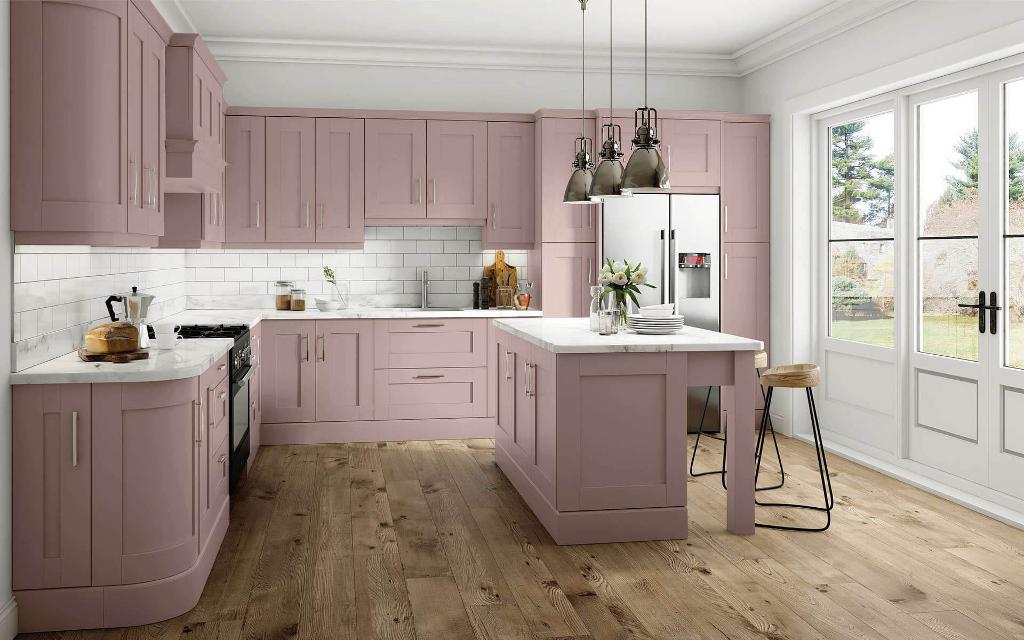
Image Source: www.betterkitchens.co.uk
Deciphering Standard Upper Cabinet Dimensions
When you’re planning a kitchen renovation or simply curious about your existing cabinetry, knowing the standard upper cabinet dimensions is a crucial starting point. These dimensions are established through decades of kitchen design and user experience, aiming for a blend of functionality, aesthetics, and safety.
The Ubiquitous 12-Inch Depth
The overwhelming majority of upper kitchen cabinets come with a standard depth of 12 inches. This measurement is carefully chosen for several reasons:
- Countertop Clearance: It leaves ample space between the upper cabinets and the countertop below. This clearance is essential for comfortable working, chopping, and food preparation. A depth of 12 inches ensures that most individuals can work at their countertop without feeling cramped or constantly bumping their heads.
- Storage Capacity: A 12-inch depth is sufficient to store a wide variety of kitchen essentials. Plates, bowls, glasses, mugs, cans, spices, and many small appliances fit well within this space.
- Accessibility: Items stored in a 12-inch deep cabinet are generally easy to reach. You don’t typically need to reach far back to grab what you need.
- Aesthetics: This depth contributes to a balanced look in the kitchen, avoiding cabinets that appear too bulky or visually heavy.
Variations and Considerations within Standard Depths
While 12 inches is the norm, it’s important to acknowledge that there can be slight variations even within what’s considered “standard.”
- Actual Internal Depth: The stated 12-inch kitchen cabinet depth usually refers to the exterior measurement. The interior usable depth will be slightly less due to the thickness of the cabinet back panel and potentially the door itself. For a 12-inch cabinet, the internal depth might be closer to 10.5 to 11 inches.
- Door Thickness: The thickness of the cabinet door also plays a minor role in the overall depth and how easily items can be accessed or how far they can be pushed back.
- Customization: Even when opting for “standard” sizes, some manufacturers might offer slight variations. Always confirm the exact dimensions with your supplier.
Exploring the Spectrum of Upper Cabinet Depths
Beyond the standard 12 inches, the world of wall cabinet depth offers options for specific needs and design preferences. These variations cater to particular storage requirements or aesthetic goals.
Shallow Upper Cabinets: Maximizing Workspace and Light
Shallow upper cabinets are a deliberate departure from the standard depth and are often chosen for specific kitchen layouts or functional advantages.
What are Shallow Upper Cabinets Used For?
- Over-the-Range Microwaves: Cabinets designed to sit above a microwave often have a reduced depth, typically around 15 to 18 inches in height and sometimes less in depth than standard wall cabinets. However, the question is about depth. The cabinets flanking an over-the-range microwave are often shallower to avoid encroaching on the microwave’s operational space and to create a more streamlined look.
- Visual Lightness: In smaller kitchens or galley-style layouts, shallower cabinets can make the space feel more open and less imposing. They don’t visually crowd the workspace as much.
- Specific Storage Needs: For storing smaller items like spices, small glasses, or decorative pieces, a shallower depth can be perfectly adequate and prevent items from getting lost in the back.
- Designer Aesthetics: Some modern kitchen designs opt for shallower upper cabinets as a stylistic choice, contributing to a sleeker, more minimalist appearance.
Typical Depths for Shallow Upper Cabinets
While there’s no single “standard” for shallow cabinets, you’ll commonly find them in depths ranging from 8 inches to 10 inches. Some specialized cabinets might even be as shallow as 6 inches.
Deep Upper Kitchen Cabinets: Unleashing Storage Potential
On the other end of the spectrum are deep upper kitchen cabinets. These are not as common as their standard counterparts but serve a valuable purpose for those needing extra storage capacity.
What are Deep Upper Kitchen Cabinets Ideal For?
- Larger Kitchen Appliances: If you have smaller appliances that you prefer to store off the counter but still need relatively easy access to, deep upper cabinets can be a solution. Think of blenders, stand mixers (though these are often stored in base cabinets or pantries), or food processors.
- Bulk Storage: For families or individuals who buy in bulk, deep upper cabinets offer the space to store larger quantities of dry goods, extra sets of dishes, or catering-sized serving dishes.
- Unusual Item Storage: Certain items, like large platters, serving bowls, or even some specialty cookware, might require a greater depth to fit comfortably.
- Architectural Niches: In kitchens with deep wall niches or architectural features, custom deep upper cabinets can be designed to fit seamlessly and maximize storage.
Common Depths for Deep Upper Kitchen Cabinets
Deep upper cabinets can vary significantly. You might find them at 15 inches, 18 inches, or even 24 inches deep. However, it’s crucial to consider the practical implications of such deep upper cabinets.
- Accessibility Issues: The deeper the cabinet, the harder it is to reach items at the very back. This often necessitates the use of pull-out shelves, lazy Susans, or other organizational inserts to make them truly functional. Without these, they can become “dead space.”
- Ergonomics and Safety: Very deep upper cabinets can become top-heavy and pose a safety risk if not properly installed and secured. They can also extend too far into the walkway, creating a hazard.
- Visual Weight: Deep upper cabinets can make a kitchen feel smaller and more enclosed, especially in smaller spaces. Their visual bulk can be overwhelming.
Kitchen Cabinet Measurements: A Holistic View
When discussing upper cabinet depth, it’s essential to remember that depth is just one of the critical kitchen cabinet measurements. Height and width also play significant roles in the overall design and functionality of your kitchen.
Standard Heights and Widths of Upper Cabinets
While our focus is depth, a quick look at other dimensions provides context for the average kitchen cabinet depth.
- Standard Heights: Upper cabinets commonly come in heights of 30 inches, 36 inches, and 42 inches. These heights are typically measured from the bottom of the cabinet to the top.
- Standard Widths: Widths are more variable and depend on the cabinet style and intended location. Common widths include 12, 15, 18, 24, 30, and 36 inches. Wider cabinets (like 36 inches) are often used as base cabinets for sinks or in corner configurations, but some wider upper cabinets are also available.
How Depth Interacts with Other Dimensions
The upper cabinet depth of 12 inches, combined with standard heights and widths, creates the familiar kitchen cabinet layout.
- Countertop Clearance: The 12-inch depth of upper cabinets, when mounted at a standard height of 18 inches above the countertop, leaves a comfortable 18-inch clearance. This is a universally accepted ergonomic standard.
- Visual Balance: The visual weight of a cabinet is influenced by all its dimensions. A 12-inch deep cabinet by 30 inches high by 30 inches wide has a different visual impact than an 18-inch deep cabinet of the same height and width.
Factors Influencing Your Upper Cabinet Depth Choice
Selecting the right upper cabinet depth is not a one-size-fits-all decision. Several factors should guide your choice.
1. Kitchen Size and Layout
- Small Kitchens: In compact spaces, especially galley kitchens, shallow upper cabinets might be preferred to maintain a sense of openness and prevent the cabinets from feeling overwhelming. This can also improve workflow by keeping the cabinets from protruding too far into the walkway.
- Large Kitchens: Larger kitchens offer more flexibility. You might opt for standard 12-inch depths for most areas but could incorporate deep upper kitchen cabinets in specific zones where extra storage is a priority, perhaps in a larger pantry wall or a dedicated baking station.
2. Storage Needs and What You Plan to Store
- Everyday Items: For plates, glasses, mugs, and pantry staples, the standard 12-inch depth is perfectly adequate.
- Bulky Items or Appliances: If you intend to store larger items or smaller appliances, you’ll need to consider deeper cabinets. However, always weigh the need for storage against accessibility. Pull-out shelves are almost mandatory for deep upper cabinets to be truly practical.
- Specialty Storage: For specific collections, like decorative serving platters or large mixing bowls, you might need custom depths.
3. Ergonomics and Accessibility
- Reaching Items: As mentioned, the deeper the cabinet, the harder it is to reach items at the back. This is a critical consideration.
- Working Space: Ensuring adequate countertop clearance is paramount for comfortable food preparation. Overly deep upper cabinets can significantly reduce this usable workspace.
- Child Safety: While less of a concern for upper cabinets than base cabinets, if you have very young children, shallower cabinets might feel less imposing and less likely to be climbed on.
4. Aesthetic Preferences
- Modern and Minimalist: Shallower cabinets can contribute to a sleeker, more contemporary look. They create less visual clutter.
- Traditional and Ample: Standard 12-inch deep cabinets are the most common and provide a familiar, functional aesthetic that works well in most kitchen styles.
- Statement Pieces: Very deep cabinets, if used strategically and with well-designed interiors, can be a feature, but they carry a significant visual weight.
5. Budget and Availability
- Standard Sizes: The most common sizes (like 12-inch depth) are usually the most cost-effective and readily available.
- Custom Depths: Ordering cabinets with non-standard depths, particularly shallow upper cabinets or deep upper kitchen cabinets, will likely incur additional costs and potentially longer lead times.
Measuring Your Existing Upper Cabinets
If you’re renovating or simply want to know your current kitchen cabinet measurements, here’s how to accurately measure your upper cabinets.
Tools You’ll Need
- Tape measure
- Pen and paper (or a digital note-taking app)
- Someone to help (optional, but recommended for accurate depth measurements)
How to Measure
-
Measure the Depth:
- Open the cabinet door.
- Place the tape measure at the back of the cabinet, against the back panel.
- Extend the tape measure straight out to the very front edge of the cabinet frame (or the door, depending on how you define “depth”).
- Record this measurement. It’s helpful to have a second person hold the end of the tape measure straight.
- Important: Remember to account for the thickness of the door. If the door is significantly thick, the usable internal depth will be less than the total depth.
-
Measure the Height:
- Measure from the bottom of the cabinet to the top.
- Measure both the inside and outside if possible.
-
Measure the Width:
- Measure the width from the left side to the right side.
- Again, measure both inside and outside dimensions if necessary, depending on what you need the measurement for (e.g., ordering new shelves vs. ordering a whole new cabinet).
Converting Measurements
All measurements should be taken in inches for consistency with industry standards.
Common Kitchen Cabinet Depth FAQs
Here are some frequently asked questions regarding the depth of kitchen cabinets:
Q1: What is the standard depth for an upper kitchen cabinet?
A1: The standard depth for an upper kitchen cabinet is 12 inches. This measurement is consistent across most manufacturers and kitchen designs.
Q2: Can I use deeper upper cabinets in my kitchen?
A2: Yes, you can use deeper upper cabinets (e.g., 15 or 18 inches), but it’s important to consider the impact on countertop clearance, accessibility, and the overall feel of the kitchen. They are best used strategically.
Q3: What is the minimum depth for an upper kitchen cabinet?
A3: While there’s no strict minimum, shallow upper cabinets can be as little as 6 inches deep for specialized storage or decorative purposes. For practical storage of most kitchenware, 8-10 inches is a more common shallow depth.
Q4: How deep are wall cabinets usually?
A4: Wall cabinet depth typically refers to upper kitchen cabinets, so the usual depth is 12 inches. However, as discussed, variations exist.
Q5: What is the difference between upper cabinet depth and base cabinet depth?
A5: Upper kitchen cabinets are generally shallower (standard 12 inches) to allow for ample workspace on the countertop. Base cabinets are typically deeper (standard 24 inches) to provide more storage and stability.
Q6: How much clearance should there be between upper cabinets and the countertop?
A6: The standard and recommended clearance between the bottom of upper cabinets and the countertop is 18 inches. This is influenced by the upper cabinet depth and mounting height.
Q7: Are there cabinets shallower than 12 inches for kitchens?
A7: Yes, shallow upper cabinets are available, commonly in depths of 8, 9, or 10 inches. These are useful for specific design needs or storage requirements.
Q8: How deep should my upper cabinets be if I want to store large appliances?
A8: For storing larger appliances or very bulky items in upper cabinets, you would need deep upper kitchen cabinets, potentially 15 inches or more. However, consider using pull-out shelves for better access and ensure the cabinets are safely secured.
Q9: Does cabinet depth affect kitchen workflow?
A9: Yes, absolutely. The kitchen cabinet depth, particularly for upper cabinets, directly impacts the usable workspace on the countertop. Too deep an upper cabinet can create a cramped and inefficient work area.
Q10: How do I determine the right kitchen cabinet measurements for my space?
A10: To determine the right kitchen cabinet measurements, consider your kitchen’s size, your storage needs, how you use your kitchen, your budget, and your aesthetic preferences. Measure your space carefully and consult with kitchen designers or cabinet suppliers.
Conclusion: Finding the Right Fit for Your Kitchen Depth
The upper cabinet depth is a fundamental aspect of kitchen design, influencing both functionality and aesthetics. While 12 inches remains the standard for standard upper cabinet dimensions and the most common kitchen cabinet depth, understanding the variations – from shallow upper cabinets to deep upper kitchen cabinets – allows for more informed choices.
By carefully considering your kitchen’s unique requirements, your storage needs, and your personal preferences for wall cabinet depth, you can select the typical upper cabinet size or custom dimensions that best suit your lifestyle and create a kitchen that is both beautiful and highly practical. Remember to always consider the interplay of depth with height and width, and prioritize accessibility and safety in your design decisions.