
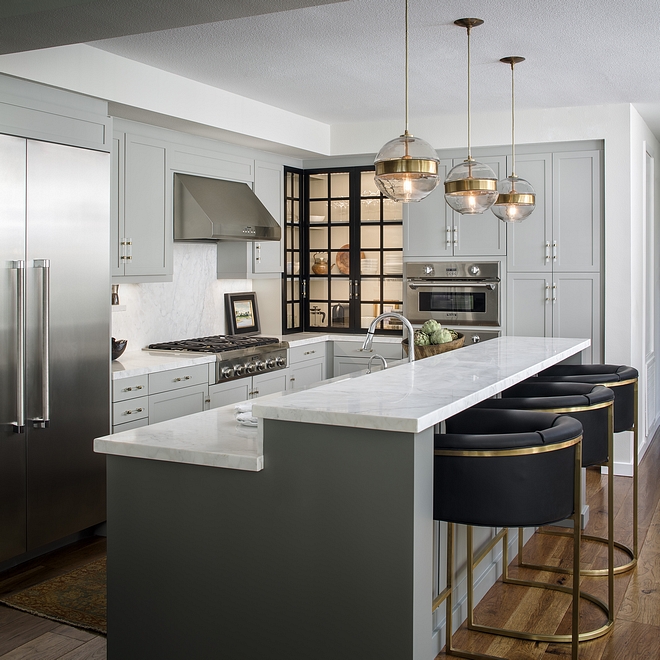
Image Source: www.clarkandaldine.com
How High Is A Kitchen Island: Your Ultimate Height Guide
A kitchen island is a true workhorse. It offers space for cooking. It gives you a place to eat. It also adds storage. But choosing the right height is key. It makes your kitchen useful and pretty. This guide will help you find the perfect height for your island.
Looking at Key Island Heights
Kitchen islands come in a few main heights. Each height works best for different things. Let’s look at the most common ones.
Standard Kitchen Island Height
What is standard kitchen island height?
The standard kitchen island height is 36 inches. This is the same height as most kitchen counters. It makes your kitchen feel like one big space.
A standard kitchen island sits 36 inches from the floor. This height matches most kitchen counters. It lets you extend your workspace. You can chop vegetables here. You can prepare meals here. It feels like a natural part of your kitchen layout. This height is very popular. It fits well in many homes.
Why 36 Inches?
- Matches Counters: It lines up with your existing countertops. This creates a smooth look. It also makes moving things easy.
- Cooking Work: It is good for most cooking tasks. Many people find 36 inches a comfortable height for prepping food.
- Easy Access: It is easy to reach. You can use it for many things.
- Versatile: It works for standing tasks. It also works for seated tasks with the right stools.
Things to Think About:
- Seating: You will need counter-height stools. These usually have seats 24-26 inches high.
- Ergonomics: For very tall or short people, 36 inches might not be perfect. But it works for most adults.
This height is a safe bet for many kitchens. It offers great function and looks.
Kitchen Island Counter Height
What is kitchen island counter height?
Kitchen island counter height is usually 36 inches. It is the same as your main kitchen counters. This height is great for cooking and prep.
When people talk about kitchen island counter height, they mean 36 inches. This is the common height for most kitchen surfaces. It helps keep a clear line in your kitchen. This look is neat and flowing. It is very useful for daily tasks. You can use the island for more prep space. Or you can use it for casual meals.
How It Fits Your Kitchen Flow:
- More Work Space: You get more room to cook. You can spread out your ingredients.
- Seamless Look: It joins with your other counters. This gives your kitchen a clean, uniform style.
- Daily Use: It is good for homework. It is good for quick snacks. It is a busy spot in the kitchen.
Seating for 36-Inch Islands:
- Stool Type: You need stools made for counter height. Their seats are about 24 to 26 inches high.
- Legroom: Make sure there is enough space under the counter. You want about 10-12 inches between the seat and the counter top. This makes sitting comfy.
This height is very common. It works well for most families. It blends work and dining perfectly.
Bar Height Kitchen Island
What is a bar height kitchen island?
A bar height kitchen island is usually 42 inches tall. This is higher than a standard counter. It often has two levels.
A bar height kitchen island stands taller. It is often 42 inches from the floor. This height is like a bar counter. It often comes as a raised section. This section sits on top of a lower counter. The lower counter might be 36 inches. This creates a split-level design.
When to Choose Bar Height:
- Hiding Clutter: The higher part can hide dirty dishes. This keeps your main kitchen area looking neat.
- Separation: It can help separate the kitchen from a living area. It makes a clear break.
- Casual Dining: It is perfect for drinks or quick meals. Guests can stand or sit high up.
- Smaller Footprint: A narrow bar height island can fit in tight spaces. It offers seating without needing a large table.
Seating for Bar Height:
- Stool Type: You will need bar stools. Their seats are typically 28 to 30 inches high.
- Comfort: Make sure the stools have footrests. This adds comfort. People’s feet won’t dangle.
- Accessibility: Bar height might be harder for small children. It can also be tough for people with movement issues.
A bar height island adds a distinct look. It gives a casual vibe to your kitchen.
Breakfast Bar Height Island
What is a breakfast bar height island?
A breakfast bar height island can be 36 inches or 42 inches. It is a spot for quick meals. It is often part of a larger island.
The term “breakfast bar height island” can mean a few things. It often refers to a part of the island. This part is set up for eating. It can be at counter height (36 inches). Or it can be at bar height (42 inches). Sometimes, it is a raised section. This section sits above the main counter. It offers a clear eating spot.
How It Differs or Overlaps:
- Purpose: Its main job is for eating. It is for quick breakfasts or coffee.
- Flexibility: A breakfast bar can be very flexible. It can be just a small overhang. Or it can be a large dedicated area.
- Integration: It often blends into the main island. It is not always a separate piece.
- Split-Level: Many breakfast bars are split-level. The main island is 36 inches. The breakfast bar section is 42 inches. This gives a nice visual break. It also offers two types of seating.
Seating for Breakfast Bar Height:
- For 36-inch bar: Use counter-height stools (24-26 inches).
- For 42-inch bar: Use bar stools (28-30 inches).
- Comfort: Always check for enough legroom. You need about 10-12 inches from seat to counter.
This type of island is perfect for busy families. It offers a quick dining spot. It saves space in a smaller kitchen.
Average Kitchen Island Height
What is average kitchen island height?
The average kitchen island height is generally 36 inches. This is the most common choice. However, some average height islands can be 42 inches.
When you look at most kitchens, the average kitchen island height is 36 inches. This matches standard counter height. It is a very practical choice. It allows for easy food prep. It also provides extra serving space. But “average” also includes bar height. Many homes have islands with a 42-inch bar section. This means the overall average can sometimes include both.
Most homes aim for a height that feels right. For cooking, 36 inches is best for most people. For casual eating, both 36 and 42 inches work well.
Comparing Common Heights:
Here is a quick look at the main kitchen island heights:
| Island Height | Common Use | Stool Height Needed | Pros | Cons |
|---|---|---|---|---|
| 36 inches | Cooking, Prep, Casual Dining | 24-26 inches (Counter Stool) | Matches counters, good for prep, flexible | May not hide clutter, less clear separation |
| 42 inches | Casual Dining, Drinks | 28-30 inches (Bar Stool) | Hides mess, creates distinct zone | Not ideal for food prep, harder for kids |
| Split-Level | Both Prep & Dining | Both Counter & Bar Stool | Best of both worlds, versatile | Takes more space, complex design |
The average height depends on your main goal. Do you need more cooking space? Or do you need more eating space? This table can help you choose.
Grasping Factors for Height Choice
Choosing the right height for your kitchen island involves more than just standard measurements. It also depends on who uses it and for what purpose. Let’s explore these important factors.
Ergonomic Kitchen Island Height
How to find ergonomic kitchen island height?
To find an ergonomic kitchen island height, think about your height. The best height for you is where your hands work comfortably. Your elbows should bend at a 90-degree angle. This is key for comfort.
Ergonomics is about making things fit people. An ergonomic kitchen island height means it is comfortable for you to use. It saves your back. It helps your arms. If your island is too low, you might slouch. If it is too high, your shoulders might ache.
Tips for Finding Your Best Height:
- Stand Tall: Stand next to your current counter. Or stand next to a table.
- Bend Your Elbows: Let your arms hang at your sides. Bend your elbows to a 90-degree angle.
- Measure: Measure the distance from the floor to your bent elbows.
- Subtract a Bit: Subtract about 4-6 inches from that number. This is your ideal work surface height.
For most adults, this height is between 34 and 39 inches. This is why 36 inches is a standard. It works for many people.
Different Heights for Different Tasks:
- Baking and Kneading: A slightly lower height (around 30-32 inches) is good for baking. It gives you leverage. It makes kneading dough easier. Some islands have a pull-out lower section for this.
- Chopping and Prep: For chopping vegetables, 36 inches is usually good. It allows for a strong downward motion.
- Computer Work/Kids’ Crafts: A lower table-height section (around 30 inches) is great for sitting. Kids can do homework there. You can use a laptop comfortably.
Think about what you will do most at the island. Tailor the height to those tasks. This makes your kitchen a joy to use.
Kitchen Island Seating Height
What is the right kitchen island seating height?
The right kitchen island seating height depends on your island’s height. You need about 10 to 12 inches of space between the seat of the stool and the top of the island. This allows for comfortable legroom.
Choosing the right stools is very important. The wrong height stool makes sitting awkward. It can make you feel squished. Or it can make you feel too low.
Stool Heights for Common Islands:
- For 36-inch Islands (Counter Height):
- You need stools with a seat height of 24 to 26 inches.
- These are called counter stools.
- Make sure there is enough knee room.
- For 42-inch Islands (Bar Height):
- You need stools with a seat height of 28 to 30 inches.
- These are called bar stools.
- Look for stools with footrests. They are more comfortable.
Legroom is Key:
Imagine sitting at the island. Your knees should not hit the underside of the counter. Your thighs should fit well. The 10-12 inch rule is a good guide. It gives enough space for comfortable sitting.
Table: Island Height vs. Stool Height
| Island Height | Stool Type Needed | Recommended Stool Seat Height |
|---|---|---|
| 30 inches (Table Height) | Dining Chair | 18-20 inches |
| 36 inches (Counter Height) | Counter Stool | 24-26 inches |
| 42 inches (Bar Height) | Bar Stool | 28-30 inches |
Always measure your island and then measure your prospective stools. This will prevent mistakes. Comfort makes your island much more useful.
Kitchen Island Dimensions
What are typical kitchen island dimensions beyond height?
Beyond height, typical kitchen island dimensions include length and width. They also include space around the island. This space is called aisle clearance.
Height is just one part of island planning. The overall kitchen island dimensions are vital. They make sure your island fits well. They ensure your kitchen is easy to move around in.
Length and Width:
- Minimum Size: A useful island is usually at least 24 inches deep (front to back). It should be at least 48 inches long (side to side).
- Larger Islands: Many islands are much bigger. They can be 36-48 inches deep. They can be 6-10 feet long.
- Proportion: The island’s size should match your kitchen. A small island in a huge kitchen looks tiny. A huge island in a small kitchen blocks movement.
Aisle Clearance – Space for Moving:
- Minimum Clearance: You need at least 36 inches of open space around the island. This is the aisle. It allows one person to move comfortably.
- Ideal Clearance: For busy kitchens or multiple cooks, aim for 42-48 inches. This lets two people pass easily. It also gives space for appliance doors to open.
- Seating Space: If you have seating, add more space. You need room for people to pull out stools. And you need space for them to sit comfortably. Allow about 24 inches per person for seating. Plus, allow room behind them.
How Dimensions Affect Height Choice:
- Small Kitchen: A smaller kitchen might benefit from a multi-level island. A lower prep area and a higher breakfast bar. This maximizes function in a tight space.
- Open Concept: In an open living space, a bar height island can define the kitchen area. It acts as a visual wall.
- Traffic Flow: Ensure your chosen island height and size do not block pathways. You need to walk around it easily.
Thinking about all kitchen island dimensions ensures your island is not just pretty, but truly useful.
Customization and Design
Sometimes, a standard height just won’t do. That is when custom options come in handy. Good design ties everything together.
Custom Kitchen Island Height
Can I choose a custom kitchen island height?
Yes, you can absolutely choose a custom kitchen island height. This is a great choice for unique needs. It makes your island fit you perfectly.
Not everyone is average height. Not every kitchen is average size. A custom kitchen island height lets you build an island just for you.
When Custom Is Best:
- Tall or Short Cooks: If you are very tall, a 38-inch or 40-inch island might be better. It prevents back strain. If you are shorter, a 34-inch island could be more comfortable.
- Special Needs: For someone in a wheelchair, a lower island (around 28-30 inches) can be vital. This makes the kitchen more accessible.
- Specific Tasks: If you do a lot of baking, a lower section is great. If you have a special hobby, you can design for that.
- Unique Design: You might want different heights for different zones. A lower dining area. A higher prep area. This creates a highly functional space.
Benefits of Tailoring Height:
- Better Comfort: It reduces strain on your body. You can work longer without pain.
- Increased Function: It makes tasks easier. It helps you work more efficiently.
- Personal Touch: It truly feels like your kitchen. It is built just for you and your family.
Working with Designers:
If you go custom, work with a kitchen designer. They can help you plan the best height. They can make sure it looks good. They will ensure it works well in your kitchen. They have tools and knowledge to create your dream island.
Custom heights make your kitchen truly yours. They ensure comfort and peak performance.
Kitchen Island Design Guidelines
What are key kitchen island design guidelines?
Key kitchen island design guidelines focus on safety, function, and kitchen flow. The height of the island is a big part of this. Good design makes your island a star.
Height is just one piece of the puzzle. Kitchen island design guidelines cover the whole picture. They ensure your island is beautiful, safe, and useful.
Height as Part of Overall Design:
- Visual Balance: The island’s height should look right in the room. A too-tall island can feel heavy. A too-short island can feel lost.
- Transition: If you have a split-level island, think about the transition. How does the 36-inch part meet the 42-inch part? It should look smooth.
- Appliance Integration: If you put a sink or stove in the island, height matters. Make sure it is comfortable for those tasks.
Considering Purpose (Prep, Dining, Storage):
- Prep Island: If it is mainly for cooking, prioritize 36-inch height. Add plenty of counter space.
- Dining Island: If it is mainly for eating, choose the height that fits your seating needs. Consider legroom and comfort.
- Storage Island: If storage is key, ensure the height allows for cabinets or shelves. Think about drawers and pull-outs.
- Multi-Purpose: Most islands are multi-purpose. A split-level design is great for this. Or choose a 36-inch island that does everything well.
Aesthetics and Flow in the Kitchen:
- Style Match: The island’s design should match your kitchen style. Is your kitchen modern? Farmhouse? Classic?
- Materials: Choose materials that fit your design. Stone, wood, or metal all have different looks.
- Lighting: Proper lighting above the island is crucial. Pendant lights look great. They also provide task lighting. Hang them about 30-36 inches above the island surface. This prevents glare.
- Electrical Outlets: Plan for outlets. You will need them for appliances. They also make charging devices easy.
- Traffic Flow: Always check your planned layout. Can you open the fridge? Can you open the oven? Can people walk around easily?
By following these design guidelines, your kitchen island will be a true asset. It will look amazing and work hard for you.
Making Your Choice
Deciding on the best kitchen island height can feel like a big decision. But it does not have to be hard. Think about a few key things.
Deciding on the Best Height
You have learned about different heights. You have seen how they work. Now, how do you pick the best one for you?
Think About Tasks:
- Cooking & Prep: If you do a lot of chopping, mixing, and baking, a 36-inch counter height is likely best. It is ergonomic for most adults.
- Casual Dining/Homework: Both 36-inch and 42-inch heights work for eating. A 42-inch height offers more separation. A 36-inch height feels more integrated.
- Specialty Hobbies: If you need a low surface for crafts, or a high one for standing projects, consider custom heights or split levels.
Think About Who Uses It:
- Your Height: If you are very tall or short, a custom height might make cooking much more comfortable.
- Family Members: Do you have small children? Bar height stools can be tricky for them. Counter height might be safer and easier. Do older family members visit? Consider their comfort too.
- Guests: If you entertain often, think about how people will gather. Will they stand and chat? Will they sit for long meals?
Future Needs:
- Growing Family: A counter-height island might be better for young children. They can grow into it.
- Aging in Place: As you get older, very high bar stools might become difficult. Think long-term.
- Resale Value: Standard 36-inch islands often have broad appeal. They are safe for resale.
Take your time. Draw out your kitchen. Maybe even use cardboard boxes to mock up different heights. This hands-on approach can really help you visualize the space. The perfect height makes your kitchen a place you love to be.
Frequently Asked Questions (FAQ)
Here are common questions people ask about kitchen island heights.
Q1: How much space do I need behind an island with seating?
A1: You need at least 36 inches behind the island. This is for people to walk by. If people will sit on stools, you need more. Aim for 44-48 inches. This lets people pull out stools and sit comfortably.
Q2: Can I mix different heights on one island?
A2: Yes! A split-level island is very popular. You can have a 36-inch section for prep. You can have a 42-inch section for dining. This offers great flexibility.
Q3: Is a 30-inch island height ever used?
A3: Yes, a 30-inch island height is like a dining table. It is good for sitting on chairs. It is also good for tasks where you sit down. Some islands have a lower section for this. It is often used for baking or kids’ activities.
Q4: How do I measure my kitchen for an island?
A4: First, measure your kitchen’s total length and width. Then, look at the space where the island will go. Measure the distance from walls and other counters. Remember to leave enough room (36-48 inches) for walkways around the island.
Q5: What is the best material for an island top?
A5: The best material depends on your needs. Granite and quartz are durable. They are good for cooking. Wood adds warmth but needs more care. Stainless steel is good for a modern, pro look.
Q6: Should my island have a sink or stovetop?
A6: It can! Many islands have a sink or stovetop. If you add one, think about plumbing or gas lines. Also, make sure there is enough counter space around it. You need room to prep food.
Q7: How many stools can fit at an island?
A7: Allow about 24-30 inches of width per person for seating. So, a 6-foot island (72 inches) could fit 2-3 stools comfortably. Always leave enough elbow room.
Summing Up
Choosing the right kitchen island height is vital. It impacts how you use your kitchen. It affects how your kitchen looks. We looked at the standard 36-inch counter height. We saw the taller 42-inch bar height. We also explored flexible breakfast bar heights.
Remember to think about your daily tasks. Consider who will use the island. Look at the overall design of your kitchen. The right height makes your island a perfect fit. It will serve you well for years to come.