
How many kitchen cabinets do I need? The right number of cabinets for your kitchen depends on many things. It is not a fixed number. Your kitchen’s size, your cooking habits, and how much stuff you own all play a big part. This guide helps you figure out the perfect amount of cabinets for your home. You will learn about different kitchen styles, cabinet types, and how to measure your space.
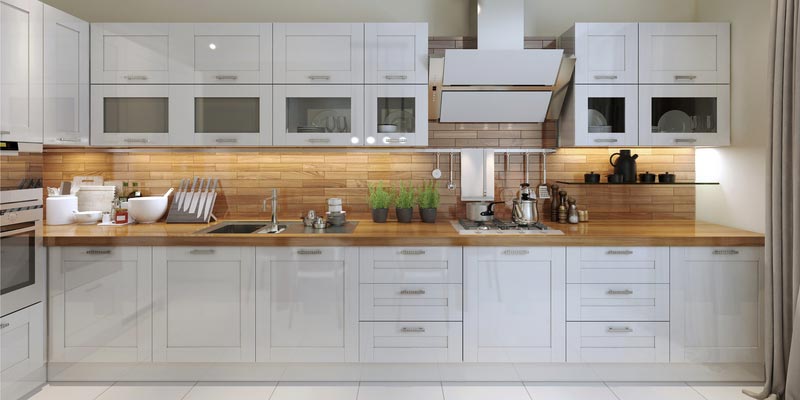
Image Source: topscabinet.net
Assessing Your Kitchen Needs
Before you pick out cabinets, think about how you use your kitchen. This helps you choose the right ones.
Your Cooking Habits Matter
Do you cook every day? Do you make big meals? Or do you mostly eat out?
* Frequent cooks: You likely need more storage. You have many pots, pans, and cooking tools. You also need space for lots of food items. More cabinets mean less clutter. They keep your kitchen tidy.
* Light cooks: You might not need as many cabinets. You have fewer dishes and less food. A simpler kitchen with fewer cabinets could work well for you. This can save you money too.
How Much Stuff Do You Have?
Take a look at your kitchen items.
* Dishes: Do you have many sets of plates and bowls?
* Pots and Pans: Do you have a large collection, or just a few?
* Small Appliances: Think about blenders, toasters, coffee makers. Where will they go?
* Food: Do you buy food in bulk? Do you store many dry goods?
* Serving items: Do you have special serving dishes for guests?
Count your items. This helps you see how much space you need. If you have a lot of stuff, you will need more cabinets. If you have less, you can use fewer cabinets.
Family Size and Lifestyle
Your family’s needs change your cabinet count.
* Big families: More people mean more dishes. More food is needed. You will likely need more storage. A big pantry might be very helpful.
* Small families or singles: You may need less space. Your kitchen might be smaller. Fewer cabinets are often enough.
* Do you entertain often? If you host parties, you may need extra space. You will store serving platters, extra glasses, and more. Think about how many guests you have.
Think about how you live. This helps you plan your kitchen well.
Kitchen Layouts and Cabinet Counts
The shape of your kitchen is very important. It tells you how many cabinets can fit. Different layouts allow for different amounts of cabinets. Here are some common kitchen layout planning tips and ideas for average kitchen cabinet count per layout.
One-Wall Kitchens
This is the simplest layout. All cabinets and appliances are on one wall.
* Good for: Small apartments or open-concept homes.
* Cabinet count: This layout has the fewest cabinets. It might have 2-3 base cabinets and 2-3 wall cabinets. A small pantry might fit on the same wall.
* Pros: It is easy to plan. It saves space.
* Cons: Less counter space. Less storage.
Galley Kitchens
This layout has two walls facing each other. It looks like a ship’s galley.
* Good for: Narrow spaces. Very efficient for cooking.
* Cabinet count: You can have many cabinets here. Each wall can have 3-4 base and 3-4 wall cabinets. One wall might also have a tall pantry. So, 6-8 base and 6-8 wall cabinets, plus a pantry.
* Pros: Lots of counter space. Lots of storage. Everything is close.
* Cons: Can feel closed in. Only one cook at a time.
L-Shape Kitchens
This is a very popular layout. It uses two walls that meet to form an ‘L’.
* Good for: Many kitchen sizes. Offers good flow.
* Cabinet count: This layout usually has a good number of cabinets. You might have 4-6 base and 4-6 wall cabinets. A corner cabinet helps use space. A tall pantry can fit on one end.
* Pros: Good work triangle. Open feel. More than one person can work.
* Cons: Corner cabinets can be tricky to reach.
U-Shape Kitchens
This layout uses three walls to form a ‘U’.
* Good for: Larger kitchens. Provides the most storage and counter space.
* Cabinet count: This layout has the most cabinets. You might have 6-8 base and 6-8 wall cabinets. It can have 1-2 corner cabinets. Often, there is space for a tall pantry.
* Pros: Very efficient. Lots of storage. Lots of counter space.
* Cons: Can feel very closed in if the kitchen is small. Need to plan corners well.
Kitchens with Islands
An island adds more space to any layout. It can be in L-shape or U-shape kitchens.
* Good for: Extra counter space, storage, or seating.
* Cabinet count: The island adds more cabinets. It can have 2-4 base cabinets. Some islands have open shelves. This increases your total cabinet count.
* Pros: Adds storage. Creates a social spot. Can hold a sink or cooktop.
* Cons: Needs a lot of open space. Takes up floor area.
Kitchen Design Space Planning Basics
No matter your layout, good planning is key.
* The Work Triangle: Think about the path between your sink, refrigerator, and stove. This path should be clear and easy to move through. No cabinet doors should block it.
* Walkways: Make sure there is enough space to walk. Leave at least 36 inches (about 90 cm) for walkways. If two people cook, aim for 42-48 inches (about 105-120 cm).
* Door and Drawer Clearance: Check that cabinet doors and drawers can open fully. They should not hit other cabinets or appliances.
* Appliance Sizes: Know your appliance sizes. Make sure cabinets fit around them. This includes your fridge, oven, and dishwasher.
Good planning makes your kitchen easy to use.
Cabinet Types and Their Roles
Different cabinets do different jobs. Choosing the right types improves kitchen functionality and cabinet types. It also helps answer the pantry cabinet vs base cabinet needs question.
Base Cabinets
- Where they go: They sit on the floor. Countertops sit on top of them.
- Purpose: They hold heavy items. Think about pots, pans, mixing bowls. They also hold things like dishwashers and sinks.
- Sizes: They are usually 34.5 inches (about 87.6 cm) tall without the counter. They are 24 inches (about 61 cm) deep. Their width changes greatly.
- Features: They can have shelves, drawers, or pull-out units. Deep drawers are great for pots.
Wall Cabinets
- Where they go: They hang on the wall, above base cabinets.
- Purpose: They store lighter items. Dishes, glasses, food, spices. They keep things off the counter.
- Sizes: They are usually 12-18 inches (about 30-45 cm) deep. Their height can be 12, 15, 18, 24, 30, 36, or 42 inches (about 30-107 cm). Their width changes greatly.
- Placement: They are often placed 18 inches (about 45 cm) above the countertop. This space is good for appliances.
- Features: Shelves are common. Some have glass doors to show off items.
Tall Cabinets (e.g., Pantry Cabinets)
- Where they go: They go from the floor almost to the ceiling.
- Purpose: They offer a lot of storage. They are great for food storage (pantry cabinet). They can also hold cleaning supplies or brooms (utility cabinet). Some hold built-in ovens or microwaves.
Pantry cabinet vs base cabinet needs:- Pantry Cabinet: Best for food. Many shelves. Keeps food neat. Can be very wide.
- Base Cabinet: Good for short, wide items. Less food storage than a tall pantry.
- Sizes: They are usually 84, 90, or 96 inches (about 213, 228, or 244 cm) tall. Their depth is often 12 or 24 inches (about 30 or 61 cm). Widths vary.
Specialty Cabinets
These cabinets solve specific needs.
* Corner Cabinets: These fit in L- or U-shaped kitchens. They use space that might be wasted.
* Lazy Susans: Round spinning shelves inside. Make items easy to reach.
* Blind Corners: One part of the cabinet is hidden. Pull-out units can help you use it.
* Drawer Cabinets: A whole cabinet made of drawers. Great for linens, tools, or food.
* Sink Base Cabinets: Designed to fit a sink. No shelves inside.
* Appliance Garages: Hide small appliances on the counter.
* Pull-Out Trash Cans: Hide trash bins inside a cabinet.
* Spice Pull-Outs: Narrow cabinets for spices. Keep them organized.
Choosing the right mix of these types helps you use your kitchen well.
Sizing Up: Standard Cabinet Dimensions
Knowing standard cabinet sizes helps you plan. It also helps you buy stock cabinets. Here is a standard cabinet sizes chart. Sizes are in inches (and approximate centimeters).
Common Base Cabinet Sizes
| Feature | Standard Size Range | Notes |
|---|---|---|
| Height | 34.5″ (87.6 cm) | This is cabinet height, without countertop. Counter adds about 1.5″. |
| Depth | 24″ (61 cm) | Standard depth from front to back. |
| Widths | 9″, 12″, 15″, 18″, 21″, 24″, 30″, 33″, 36″, 48″ (23 to 122 cm) | Common sizes for single or double doors. Sink bases are often 30″ or 36″. |
Common Wall Cabinet Sizes
| Feature | Standard Size Range | Notes |
|---|---|---|
| Depth | 12″ (30 cm) | Standard depth. Some are 15″ for more space. |
| Heights | 12″, 15″, 18″, 24″, 30″, 36″, 42″ (30 to 107 cm) | Chosen based on ceiling height and preference. |
| Widths | 9″, 12″, 15″, 18″, 21″, 24″, 30″, 33″, 36″, 48″ (23 to 122 cm) | Match widths of base cabinets below them. |
Common Tall Cabinet Sizes
| Feature | Standard Size Range | Notes |
|---|---|---|
| Height | 84″, 90″, 96″ (213, 228, 244 cm) | Often chosen to reach ceiling height or match door frames. |
| Depth | 12″ or 24″ (30 or 61 cm) | 12″ for shallow pantry, 24″ for deeper items or built-in appliances. |
| Widths | 18″, 24″, 30″, 36″ (45 to 91 cm) | Common widths for pantry or utility cabinets. |
These sizes help you fit cabinets into your kitchen. Most kitchens use a mix of these standard sizes.
Measuring Your Kitchen for Cabinets
Accurate measurements are vital. They help you order the right cabinets. This section explains how to measure for kitchen cabinets.
Gather Your Tools
You will need a few simple things:
* Tape Measure: A long, metal one is best.
* Paper and Pencil: Or a notepad and pen.
* Graph Paper (Optional): Helps you draw to scale.
* Level: To check if surfaces are straight.
* Camera or Phone: Take pictures of existing kitchen.
Step-by-Step Measuring
Follow these steps carefully.
1. Draw a Sketch: Make a rough drawing of your kitchen. Draw each wall. Mark doors, windows, and large appliances.
2. Measure Walls:
* Measure the full length of each wall. Measure from corner to corner.
* Measure from the floor to the ceiling. Do this in a few spots. Ceilings can be uneven.
* Write down all numbers.
3. Measure Windows and Doors:
* Measure the width of each window.
* Measure its height.
* Measure the distance from the floor to the bottom of the window.
* Measure the distance from the top of the window to the ceiling.
* Do the same for doors. Note which way they open. Make sure cabinet doors do not block them.
4. Mark Obstacles:
* Note where electrical outlets are.
* Mark light switches.
* Show where water lines are (for sink).
* Mark gas lines (for stove).
* Note heat vents or radiators.
* Measure their distance from walls and floor.
5. Measure Appliance Spaces:
* Measure the width, depth, and height for your fridge.
* Do the same for your stove, dishwasher, and microwave.
* If you are getting new appliances, find their exact sizes.
6. Measure Existing Cabinets (If Remodeling): If you like your current layout, measure your old cabinets. This can give you a starting point for new ones.
Double Check Everything
- Measure Twice: This is a key rule. Measure every distance at least two times. This helps avoid errors.
- Check for Level: Use your level to see if floors or walls are straight. If they are not, you might need filler strips for cabinets.
- Write Clearly: Make sure your numbers are easy to read.
Good measurements lead to a good kitchen design.
Maximizing Storage and Function
Once you know your layout and sizes, think about optimizing kitchen storage space. This is especially important for cabinetry for small kitchen design.
Clever Storage Ideas
Make the most of every inch.
* Pull-Out Shelves: These slide out. You do not have to reach into the back of a deep cabinet. Great for pots or small appliances.
* Drawer Dividers: Keep silverware, utensils, and spices neat. No more jumbled drawers.
* Lazy Susans: These round spinning trays fit into corner cabinets. They make reaching items easy. Perfect for canned goods or baking supplies.
* Vertical Storage: Use tension rods or vertical dividers for baking sheets and cutting boards. Stand them up instead of stacking them flat.
* Toe-Kick Drawers: The small space below base cabinets (the toe-kick) can hold shallow drawers. Great for storing thin, flat items.
* Spice Racks: Mount them inside a cabinet door. Or use narrow pull-out spice cabinets.
* Plate Racks: Keep plates standing upright. They are easier to grab and less likely to chip.
* Roll-Out Trash Cans: Hide your trash and recycling bins inside a cabinet. Keeps them out of sight.
Design for Small Kitchens (Cabinetry for Small Kitchen Design)
Small kitchens need smart solutions.
* Go Vertical: Use tall cabinets up to the ceiling. This gives you much more storage. It uses space that would otherwise be empty.
* Lighter Colors: Light-colored cabinets and walls make a small kitchen feel bigger and brighter. Dark colors can make it feel smaller.
* Open Shelves: A few open shelves instead of upper cabinets can make the room feel more open. But only use them if you can keep them tidy.
* Glass Cabinet Doors: Glass doors on upper cabinets can also make a kitchen feel less heavy and more open.
* Smart Corner Solutions: Use Lazy Susans or pull-out systems in corner cabinets. This makes those hard-to-reach spots useful.
* Slim Cabinets: Sometimes, a 9-inch or 12-inch wide cabinet is all you need. Use these for spice pull-outs or small storage.
* Appliance Integration: Build appliances into cabinets. This creates a clean look. It saves counter space.
* Multi-Purpose Island: If you can fit an island, make it work hard. It can have storage, seating, and a work surface.
Every bit of smart planning helps a small kitchen work better.
Planning for a Kitchen Remodel
If you are changing your kitchen, thinking about kitchen remodel cabinet quantity is a big step.
Why Change Cabinets?
People remodel for many reasons:
* Old and Worn: Your current cabinets might be falling apart. They might look very dated.
* Need More Space: You might have more stuff now. Or you cook more. You need more storage.
* New Look: You want a fresh style. New cabinets can totally change the feel of your kitchen.
* Better Flow: The old layout might not work well. New cabinets can improve how you move and work.
Setting a Budget for Cabinets
Cabinets are a large part of any kitchen remodel cost.
* Material Choice: The material affects the cost.
* Stock Cabinets: Ready-made. Come in standard sizes. Least costly.
* Semi-Custom Cabinets: Some choices in size, style, finish. Mid-range cost.
* Custom Cabinets: Made to fit your exact needs. Most costly.
* Number of Cabinets: More cabinets mean more cost.
* Installation: You can install them yourself to save money. Or hire a pro.
* Hardware: Knobs and pulls add to the cost.
* Countertops: Remember to budget for new countertops too. They sit on your base cabinets.
Get quotes from a few places. This helps you compare prices.
Work with a Pro
A kitchen designer or contractor can be a great help.
* Expert Advice: They know about layouts, sizes, and new trends.
* Problem Solvers: They can find ways to fix tricky spots.
* Measurement Checks: They will usually do their own measurements. This gives you peace of mind.
* Material Knowledge: They can guide you on what materials are best for your use and budget.
* Project Management: A contractor manages the whole job. This makes things smoother for you.
Even if you only do part of the work yourself, a design plan from a pro is often worth it. They can help you figure out the best kitchen remodel cabinet quantity for your home.
In the end, the number of kitchen cabinets you need is personal. It is about your unique space, your lifestyle, and your budget. Take your time to plan. Measure carefully. Think about how you cook and live. This guide gives you the tools to make the best choice for your perfect kitchen.
Frequently Asked Questions (FAQ)
How many cabinets for a small kitchen?
A small kitchen often needs 5-8 cabinets. This usually includes 2-3 base cabinets, 2-3 wall cabinets, and maybe a small pantry. The exact number depends on the layout. Going vertical with tall wall cabinets helps a lot in small spaces. Using clever storage inside helps too.
What is the best way to plan my kitchen cabinets?
The best way to plan is to first assess your needs. Think about how you cook and how much stuff you have. Then, draw your kitchen space and measure carefully. Next, choose a layout that fits your space, like an L-shape or galley. Then, pick cabinet types and sizes that match your needs. A kitchen designer can help with this planning.
Can I mix and match cabinet sizes?
Yes, you can mix and match cabinet sizes. Most kitchens use a range of standard sizes. For example, you might use a 36-inch wide cabinet for a sink base. Then, a 15-inch cabinet next to it for narrower storage. Mixing sizes helps fill your space better. It also makes your kitchen look more custom.
How high should kitchen cabinets be from the counter?
Wall cabinets are typically installed 18 inches (about 45 cm) above the countertop. This height gives enough space for small appliances like coffee makers or blenders. It also makes the cabinets easy to reach for most people.
Do I need a pantry?
A pantry cabinet is very helpful for food storage. If you buy food in bulk or have a lot of dry goods, a pantry is a great idea. It keeps your food organized and out of sight. If you have a small kitchen, a narrow, tall pantry can use vertical space well. If you have very little food or a small family, you might not need a full pantry. Food could fit in your regular wall cabinets.