
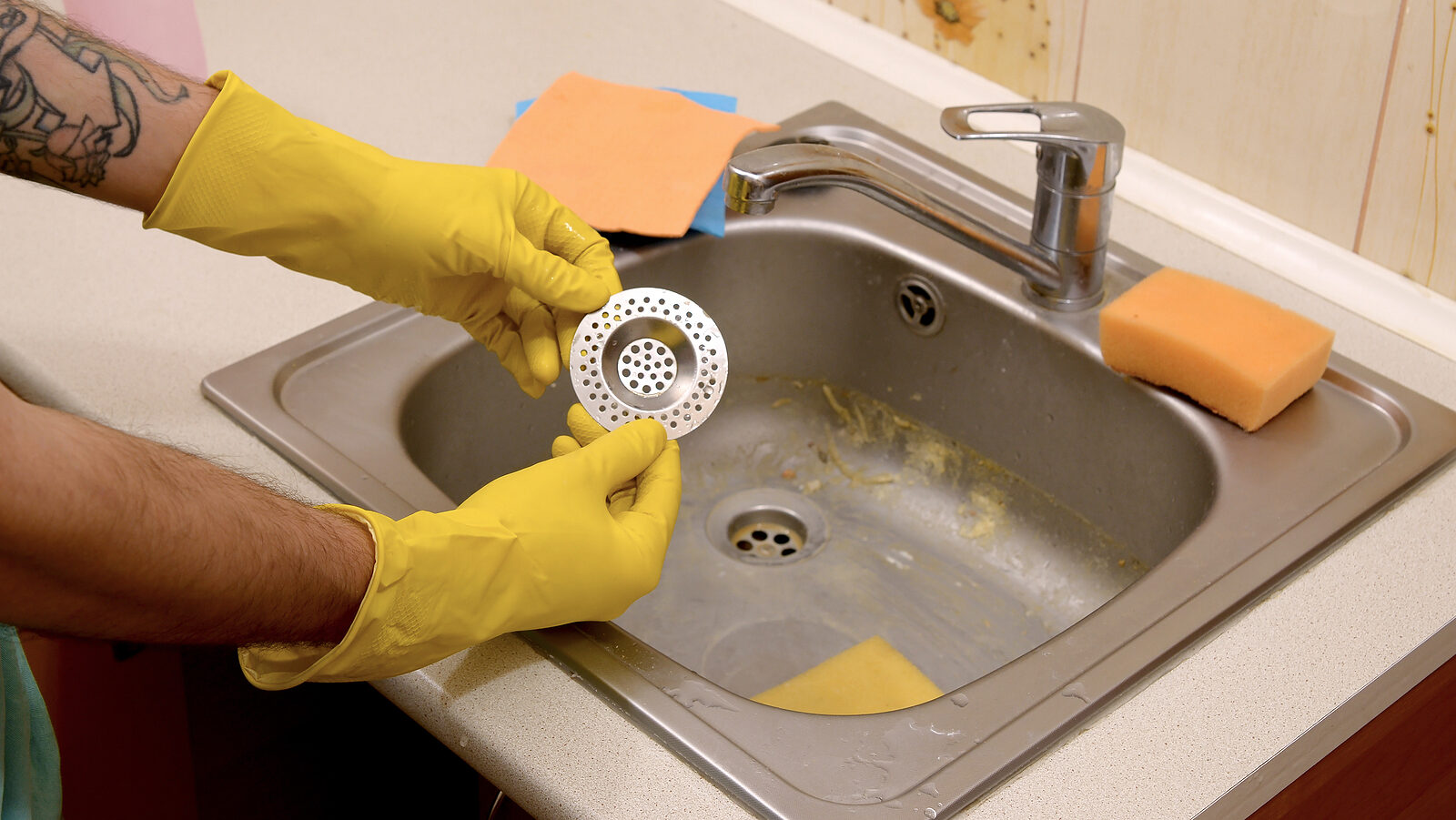
Image Source: blockbusters.co.uk
Best How To Get Rid Of Odor From Kitchen Sink Drain
A bad smell from your kitchen sink drain can make your whole home smell bad. What is the best way to stop it? You can fix it with simple steps. Start by cleaning your garbage disposal well. You can use baking soda and vinegar. These help remove food bits and grease. Make sure your P-trap is not dry. These easy steps often get rid of the bad smell quickly. They make your kitchen fresh again.
Why Your Sink Smells Bad: The Root of the Problem
A bad smell from your kitchen sink is more than just annoying. It often points to a problem. Knowing why it smells helps you fix it. Most bad smells come from food and grease. These things get stuck in your drain. They break down over time. This makes a bad smell. Let’s look at common causes.
Food Waste Drain Smell
One big reason for bad smells is food. Small bits of food go down your drain. They get stuck on the sides of the pipes. Or they build up in the garbage disposal. As food rots, it makes a foul smell. This smell can be very strong. It can make your kitchen unpleasant.
Grease Buildup Drain Odor
Grease and oil are also big problems. When hot grease goes down the drain, it is liquid. But as it cools, it turns solid. It sticks to the inside of your pipes. Food bits then stick to the grease. This creates a thick, slimy mess. This mess slowly rots. It makes a very strong, bad smell. This is often a main cause of drain odor.
The P-Trap: A Key Part
Your sink has a curved pipe. It looks like a “U” or “S” shape. This is called the P-trap. Its job is to hold water. This water stops sewer gases from coming into your home. If the P-trap dries out, sewer gases can enter. This causes a very bad smell. This often happens in sinks not used often. The water in the trap can dry up.
Other Issues: Mold and Beyond
Sometimes, mold and mildew grow in the drain. They like wet, dark places. This can also make a musty smell. Rarely, a broken sewer pipe or vent pipe can cause smells. But these are less common for simple kitchen sink odors. Most often, it’s about food, grease, and the P-trap.
Stopping Garbage Disposal Smell: A Detailed Guide
The garbage disposal is often the main cause of bad smells. Food particles get stuck inside. They rot and make a strong smell. Cleaning it well is key. This helps with garbage disposal smell removal.
H4. Initial Clean-Up
First, turn off the disposal power. Unplug it if you can. Look inside the disposal. Use a flashlight if needed. Remove any large food bits. Use tongs or pliers. Never put your hand inside.
H4. Ice and Salt Method
This method is simple. It works by scrubbing the disposal.
* What you need: Ice cubes, rock salt (or coarse salt), lemon or orange peels.
* How to do it:
1. Fill the disposal half full with ice cubes.
2. Add a handful of rock salt. The ice and salt work together. They scrape the sides of the disposal. They remove stuck-on food and grime.
3. Turn on cold water. Let it run slowly.
4. Turn on the disposal. Let it run until all the ice is gone. You will hear it get quieter.
5. Now, add a few citrus peels. Lemon or orange peels work best. These will help clean and leave a fresh smell.
6. Run the disposal with cold water again. Let it run until the peels are gone.
H4. Dish Soap and Hot Water Scrub
After using ice, use soap. This helps clean grease.
* What you need: Dish soap, hot water.
* How to do it:
1. Plug the sink drain.
2. Fill the sink with hot water. Put in a good amount of dish soap.
3. Let the water sit for a few minutes. This helps the soap work.
4. Unplug the sink. Let the soapy water drain into the disposal.
5. Turn on the disposal while the water drains. The hot, soapy water helps wash away grease and food bits.
H4. Brushing the Splash Guard
The splash guard is the rubber part at the top of the disposal. It often collects food bits.
* What you need: An old toothbrush or a small brush.
* How to do it:
1. Lift up the rubber splash guard. It is usually easy to lift.
2. Use a brush to clean the top and bottom sides. Scrub away any food residue.
3. Rinse the area with hot water.
Natural Drain Deodorizer Solutions
Once you clean your disposal, you can use natural ways to keep smells away. These methods are safe. They are good for regular use. They act as a natural drain deodorizer.
Baking Soda Vinegar Drain Cleaner Power
This is a classic and very effective method. It helps remove grime and deodorize. This baking soda vinegar drain cleaner works well.
* What you need: Baking soda, white vinegar.
* How to do it:
1. Pour 1 cup of baking soda down the drain. Try to get as much as possible into the drain opening.
2. Next, pour 1 cup of white vinegar down the drain.
3. You will see fizzing. This is good. It means it is working. The fizzing helps loosen gunk.
4. Let it sit for at least 30 minutes. For bad smells, let it sit overnight.
5. After waiting, flush the drain. Use hot water for a few minutes. If you have PVC pipes, use very warm water, not boiling. Boiling water can damage some PVC pipes.
6. Repeat this once a week or as needed. This helps prevent smells.
Using Salt and Boiling Water
This simple method helps with grease and minor clogs.
* What you need: 1/2 cup salt, boiling water.
* How to do it:
1. Pour 1/2 cup of salt down the drain.
2. Carefully pour boiling water down the drain. The salt acts as a scrub. The hot water melts grease.
3. Let it sit for 15-20 minutes.
4. Flush with hot water for a few minutes.
P-Trap Cleaning for Smell: An Advanced Step
If natural methods don’t work, the P-trap might be the problem. A P-trap cleaning for smell often fixes tough odors. This part of the pipe can collect food and grease. It can also dry out.
Checking for a Dry P-Trap
If your sink is not used much, the water in the P-trap can dry up.
* How to check: Simply run water down the drain for a minute or two. This will refill the P-trap. If the smell goes away, a dry P-trap was the cause. Use the sink more often. Or run water down it every few weeks.
Manual P-Trap Cleaning
This is a bit more involved. But it is very effective for grease buildup drain odor.
* What you need: Bucket, wrench (or pliers), old towels, gloves, cleaning brush (optional).
* How to do it:
1. Safety first: Turn off the water supply to the sink. This is usually not needed but good practice if you are worried about leaks. Place a bucket under the P-trap. This will catch dirty water.
2. Loosen the nuts: The P-trap is held by two nuts. Use a wrench or pliers to loosen them. Turn them counter-clockwise. They might be hand-tight.
3. Remove the P-trap: Carefully slide the P-trap off the pipes. Be ready for water to spill out. That’s why you have the bucket.
4. Clean the trap: Look inside the P-trap. You will likely see a lot of gunk. Use a brush or old cloth to clean it out. Remove all the slimy build-up. Rinse it with hot water.
5. Check connecting pipes: Look into the pipes where the P-trap connects. Clean any gunk you can reach.
6. Put it back: Place the P-trap back onto the pipes. Tighten the nuts firmly. Do not overtighten.
7. Test for leaks: Turn on the water. Let it run for a few minutes. Check for any leaks around the connections. Tighten more if needed.
This method often works wonders for tough, ongoing smells. It directly removes the source of the problem.
Foul Sink Drain Smell Remedy: Enzyme Drain Cleaner
Sometimes, food and grease are really stuck. Or you want a less hands-on approach. Enzyme drain cleaner can be a good choice. This is a special type of drain cleaner.
How Enzyme Cleaners Work
Enzyme drain cleaners do not use harsh chemicals. They contain natural enzymes and bacteria. These “eat” organic matter. This means they break down food, grease, and soap scum. They turn it into liquid. This liquid then washes away. This is a very good foul sink drain smell remedy.
* Benefits:
* Safe for pipes: They do not harm your pipes. They are gentle.
* Eco-friendly: They are better for the environment than harsh chemical cleaners.
* Good for ongoing use: You can use them regularly for prevention.
* How to use:
1. Read the bottle: Always follow the directions on the enzyme cleaner bottle.
2. Usually, you pour a certain amount down the drain.
3. Let it sit: You need to let it sit for several hours. Often overnight is best. Do not use the sink during this time. This allows the enzymes to work.
4. Flush: After the time is up, flush the drain with warm water.
When to Use Enzyme Cleaners
Use enzyme drain cleaners if:
* You have a persistent smell.
* You want a safe, natural option.
* You want to prevent future clogs and smells.
* You have an older septic system. Chemical cleaners can harm septic systems.
They are not for immediate, severe clogs. For those, a snake might be needed. But for smells, they are excellent. They are a true best drain odor remover for organic matter.
Preventing Kitchen Sink Odors: Long-Term Solutions
The best way to deal with bad smells is to stop them before they start. Preventing kitchen sink odors takes a few simple habits. These small steps save you from big headaches later.
H4. Mind Your Food Waste Drain Smell
- Scrape plates: Scrape all food from plates into the trash before rinsing. Do not put large amounts of food down the drain or disposal.
- Use a drain strainer: Place a strainer in your sink drain. It catches food bits. Empty it into the trash often.
- Avoid certain foods in disposal: Do not put stringy vegetables (celery, corn husks), coffee grounds, potato peels, or pasta/rice down the disposal. These can easily clog and cause smells. They create food waste drain smell.
- Use cold water with disposal: Always run cold water when using the disposal. Keep it running for about 30 seconds after you turn the disposal off. Cold water helps solidify grease. This allows the disposal to grind it better. Hot water melts grease. This can lead to grease buildup in pipes.
H4. Control Grease Buildup Drain Odor
- Never pour grease down the drain: This is the most important rule. Pour cooking oils and grease into a container. Let it cool. Then throw it in the trash. This greatly reduces grease buildup drain odor.
- Wipe greasy pans: Before washing, wipe greasy pans with a paper towel. Throw the paper towel in the trash.
H4. Regular Flushing and Maintenance
- Flush with hot water: After each use, run hot water down the drain for 15-30 seconds. This helps wash away small food bits and grease.
- Monthly natural treatments: Once a month, use the baking soda and vinegar method. Or use an enzyme drain cleaner. This keeps the drain clean and fresh.
- Run the disposal often: If you have a disposal, use it regularly. This helps keep it from getting rusty or stiff. Even if you don’t have food, run it with cold water for a minute.
- Keep the P-trap wet: If you have a sink you rarely use, run water down it every few weeks. This keeps the P-trap full of water. This stops sewer gases from entering your home.
H4. Table of Prevention Checklist
Here’s a simple checklist to keep your drain fresh:
| Task | Frequency | Benefit |
|---|---|---|
| Scrape food into trash | Every meal | Stops food waste buildup. |
| Use drain strainer | Every meal | Catches food before it enters drain. |
| Never pour grease down drain | Always | Prevents grease clogs and smells. |
| Run cold water with disposal | Every use | Aids grinding, prevents grease melting. |
| Flush with hot water after use | Every use | Washes away small bits and grease. |
| Baking soda & vinegar treatment | Monthly | Deodorizes and cleans naturally. |
| Enzyme cleaner (if preferred) | Monthly/Bi-monthly | Breaks down organic matter safely. |
| Run water in unused sinks | Every few weeks | Keeps P-trap full, blocks sewer gas. |
| Clean disposal splash guard | Monthly | Removes trapped food debris. |
When to Call a Pro: Tough Kitchen Sink Odors
Most kitchen sink odors can be fixed with DIY methods. But sometimes, the problem is bigger. You might need a plumber.
* Constant smell after cleaning: If you have tried all methods and the smell comes back quickly, there might be a deeper issue.
* Slow drain or standing water: A bad smell plus a slow drain or standing water often means a serious clog. This could be deep in your pipes.
* Smell from multiple drains: If more than one drain in your home smells bad, it could point to a main sewer line issue.
* Sewer gas smell that won’t go away: This is a strong, rotten egg smell. If it’s constant and you know your P-trap is full, there might be a vent pipe issue. Or a crack in a sewer line.
A plumber can use special tools. They can check inside your pipes. They can find and fix problems you can’t see.
Best Drain Odor Remover: A Summary of Options
Finding the best drain odor remover depends on the cause. Here’s a quick recap of the top methods:
- For Garbage Disposal Smells: A mix of ice, salt, and citrus peels. Followed by dish soap and hot water.
- For Mild to Moderate Smells (General Use): The baking soda vinegar drain cleaner. This is a powerful natural drain deodorizer.
- For Grease Buildup: Hot water flushing after the baking soda/vinegar mix. Or a strong enzyme drain cleaner. Never chemical drain cleaners for grease!
- For Persistent Smells and Deep Cleaning: Manual P-trap cleaning for smell. This physically removes gunk.
- For Continuous Prevention: Regular use of enzyme drain cleaner. And consistent good habits, like not putting grease or certain foods down the drain.
Each method targets different parts of the problem. Often, using a combination of these methods gives the best results.
Frequently Asked Questions (FAQ)
Q1: What causes a bad smell from my kitchen sink drain?
A bad smell usually comes from food bits and grease. These get stuck in the drain or garbage disposal. They rot over time. Sometimes, a dry P-trap can let sewer gases into your home.
Q2: Is baking soda and vinegar really effective?
Yes, baking soda and vinegar are very effective. Baking soda is a great natural deodorizer. Vinegar has mild acid. When they mix, they fizz. This fizzing helps lift and loosen stuck-on grime. It washes away many odor sources.
Q3: Can I use chemical drain cleaners for a smelly drain?
It is best to avoid harsh chemical drain cleaners. They can damage your pipes. They can also be dangerous if mixed with other cleaners. For smells, natural methods like baking soda and vinegar are safer. Enzyme drain cleaners are also safe for pipes.
Q4: How often should I clean my kitchen sink drain?
It’s a good idea to do a simple cleaning every week or two. Use the ice and citrus method for your disposal. Use baking soda and vinegar for the drain monthly. Prevention is key. This helps stop smells from starting.
Q5: What is a P-trap and why does it smell?
The P-trap is the curved pipe under your sink. It holds a small amount of water. This water creates a seal. It stops sewer gases from coming up into your home. If the water in the P-trap dries out (from not using the sink often), the seal breaks. Then sewer gas smells can come into your kitchen.
Q6: My sink smells like rotten eggs, what does that mean?
A rotten egg smell often means hydrogen sulfide gas. This can come from rotting food in your drain or disposal. It can also be a sign of sewer gas. If your P-trap is full and you still smell it, it might be a deeper plumbing issue.
Q7: Can coffee grounds help with drain smells?
No, coffee grounds often make drain smells worse. They do not dissolve. They can clump together in your pipes. They add to clogs and bad smells. It’s best to put them in the trash or compost.
Q8: How can I prevent grease from causing drain odor?
The best way is to never pour cooking grease down the drain. Pour it into a jar or can. Let it cool and harden. Then throw it in the trash. Also, wipe greasy pans with a paper towel before washing them.
By following these steps, you can keep your kitchen sink drain fresh and odor-free.