
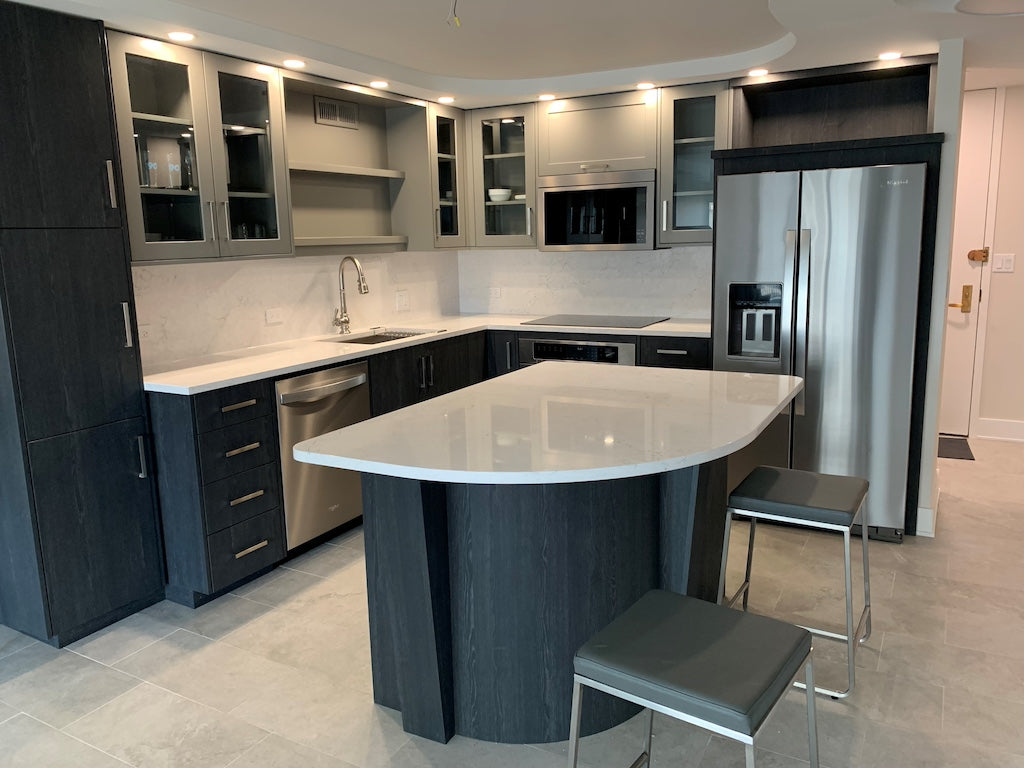
Image Source: homecarpetone.com
Kitchen Cabinet Replacement Cost: How Much?
The cost to replace kitchen cabinets can range anywhere from $1,500 for budget-friendly options to over $15,000 for high-end custom designs, with the average cost to replace kitchen cabinets falling between $4,000 and $8,000. This figure can fluctuate significantly based on the type of cabinets you choose, the size of your kitchen, the complexity of the installation, and any additional features or finishes you desire.
Replacing your kitchen cabinets is a major undertaking that can dramatically transform the look and functionality of your home. It’s often one of the most significant expenses in a kitchen remodel. So, how much can you expect to spend on new kitchen cabinets? Let’s break down the factors that influence the kitchen cabinet replacement cost and explore the various options available to fit different budgets.
Deciphering the Factors Affecting Cabinet Costs
Several key elements contribute to the overall cost of new kitchen cabinets. Understanding these will help you budget effectively and make informed decisions.
Cabinet Material
The material used for your cabinets plays a crucial role in their price.
- Solid Wood: Woods like oak, maple, cherry, and hickory are durable and offer a premium look. However, they are also the most expensive. Prices vary within solid woods, with oak generally being the most affordable and cherry or walnut being at the higher end.
- Plywood: High-quality plywood is a very strong and stable material. It’s often used for the cabinet boxes (carcasses). While generally less expensive than solid wood, the quality of the plywood (e.g., the number of plies, type of wood veneer) can affect the price.
- MDF (Medium-Density Fiberboard): MDF is an engineered wood product made from wood fibers. It’s smooth and stable, making it an excellent surface for painting. It’s generally more affordable than solid wood or plywood but can be susceptible to moisture damage if not properly sealed.
- Particleboard: This is the least expensive option, made from wood chips and sawdust. It’s less durable and moisture-resistant than plywood or MDF, so it’s often found in budget kitchen cabinets.
Cabinet Construction and Style
The way cabinets are built and their design also impacts the price.
- Framed vs. Frameless (European Style):
- Framed cabinets have a solid wood frame attached to the front of the cabinet box, to which the doors are attached. This is a traditional American style.
- Frameless cabinets have no face frame. The doors attach directly to the sides of the cabinet box. This style offers a more modern look and slightly more interior space. Frameless cabinets can sometimes be more expensive due to their construction precision.
- Door Styles: Simple door styles like Shaker or flat-panel doors are generally more affordable than ornate raised-panel or custom-designed doors.
- Joinery: The quality of joinery used in cabinet construction (e.g., dovetail drawers vs. stapled drawers) can also affect the price. Dovetail joinery is stronger and more durable, but also more expensive.
Cabinet Finish
The finish applied to your cabinets adds to the cost.
- Paint: Painted finishes offer a wide range of color options. The quality of the paint and the application process can influence the price.
- Stain: Stains enhance the natural beauty of wood. The type of stain and the complexity of the finishing process can affect the cost.
- Veneer: Wood veneers are thin slices of wood applied over a core material (like plywood or MDF). They offer the look of solid wood at a potentially lower cost.
- Laminate/Melamine: These are durable and affordable synthetic finishes that mimic wood or other materials.
Cabinet Size and Quantity
Naturally, the more cabinets you need, and the larger they are, the higher the overall kitchen cabinet replacement cost. This is typically measured by linear foot or by the number of cabinet pieces.
Brand and Manufacturer
Reputable brands known for quality craftsmanship and materials often come with a higher price tag. You’ll find a wide spectrum from budget-friendly lines to luxury custom cabinetry.
Exploring Different Cabinet Options
When planning a kitchen cabinet replacement, you generally have three main categories to consider: budget, semi-custom, and custom. Each offers a different balance of cost, quality, and design flexibility.
Budget Kitchen Cabinets (Stock Cabinets)
- What they are: These are pre-made cabinets available in a limited range of standard sizes, styles, and finishes. They are manufactured in large quantities.
- Pros:
- Most affordable option.
- Readily available for quick installation.
- Good for smaller kitchens or those on a tight budget.
- Cons:
- Limited design choices and sizes.
- May require fillers or adjustments to fit your space perfectly.
- Quality can vary significantly.
- Typical Cost: $50 to $150 per linear foot.
- Total Kitchen Cost Estimate: $2,000 – $7,000 for an average-sized kitchen.
Semi-Custom Kitchen Cabinet Cost
- What they are: These cabinets offer a wider selection of styles, finishes, and storage options compared to stock cabinets. They are manufactured after you place an order, allowing for more customization in terms of dimensions and features.
- Pros:
- Good balance of price and customization.
- More design flexibility and size options.
- Better quality construction and materials than most stock cabinets.
- Can often incorporate features like pull-out shelves or specialized organizers.
- Cons:
- More expensive than stock cabinets.
- Longer lead times for manufacturing and delivery.
- Typical Cost: $150 to $400 per linear foot.
- Total Kitchen Cost Estimate: $5,000 – $15,000 for an average-sized kitchen.
Custom Kitchen Cabinet Prices
- What they are: These cabinets are built to your exact specifications, from design and dimensions to materials and finishes. They are typically crafted by local cabinet makers or specialized companies.
- Pros:
- Ultimate design flexibility and personalization.
- Can accommodate unique kitchen layouts and specific storage needs.
- Highest quality materials and craftsmanship.
- Can include intricate details and specialized features.
- Cons:
- Most expensive option.
- Longest lead times.
- Requires significant planning and decision-making.
- Typical Cost: $400 to $1,200+ per linear foot.
- Total Kitchen Cost Estimate: $10,000 – $30,000+ for an average-sized kitchen.
Cabinet Refacing Cost
Another option to consider is cabinet refacing cost. This process involves keeping the existing cabinet boxes and replacing only the doors and drawer fronts. New veneer is applied to the visible sides of the boxes.
- What it is: Refacing updates the look of your cabinets without a full replacement.
- Pros:
- Significantly cheaper than full replacement.
- Faster installation process.
- Reduces waste by reusing existing cabinet boxes.
- Can offer a dramatically updated look.
- Cons:
- Existing cabinet boxes must be in good condition.
- Limited to changing the door and drawer front style and finish.
- Internal cabinet organization and box structure remain the same.
- Typical Cost: $100 to $400 per linear foot.
- Total Kitchen Cost Estimate: $3,000 – $9,000 for an average-sized kitchen.
Other Costs to Factor In
Beyond the cabinets themselves, several other expenses contribute to the kitchen cabinet remodel cost.
Cabinet Installation Cost
- What it is: This is the labor cost for fitting and securing your new cabinets.
- Factors:
- Complexity of installation: Uneven walls, complex angles, or unique cabinet configurations will increase labor time.
- Installer’s hourly rate: Rates vary by region and experience.
- Assembly required: If cabinets come flat-packed, assembly time adds to the cost.
- Typical Cost: $50 to $150 per linear foot, or an hourly rate of $50-$100.
- Total Installation Cost Estimate: $1,000 – $4,000 for an average kitchen.
Demolition and Disposal
- What it is: If you’re replacing existing cabinets, you’ll need to pay to have them removed and disposed of properly.
- Typical Cost: $300 – $800.
Countertop Replacement
- What it is: Often, when replacing cabinets, homeowners also opt to update their countertops. This is a separate cost but closely related.
- Typical Cost: Varies widely based on material, from $1,500 (laminate) to $10,000+ (quartzite, marble).
Backsplash Installation
- What it is: Similar to countertops, a new backsplash is frequently installed alongside new cabinets.
- Typical Cost: $500 – $2,000+.
Cabinet Hardware Replacement Cost
- What it is: This includes the cost of new knobs, pulls, hinges, and drawer slides.
- Factors:
- Material: Brass, stainless steel, brushed nickel, or decorative finishes all have different price points.
- Brand: Designer hardware can be significantly more expensive.
- Type of hardware: Soft-close hinges, full-extension drawer slides, and specialized organizers add to the cost.
- Typical Cost: $10 – $30 per piece for knobs/pulls, $30-$100+ per pair for hinges, $50-$150+ per set for drawer slides.
- Total Hardware Cost Estimate: $200 – $1,000+.
Sink and Faucet Replacement
- What it is: If your new cabinets require a different sink or faucet configuration, or if you’re updating these elements, this is an additional cost.
- Typical Cost: $300 – $1,500+.
Electrical and Plumbing Modifications
- What it is: If you move appliances or change the layout, you might need to adjust electrical outlets or plumbing lines.
- Typical Cost: $200 – $1,000+.
Breaking Down Average Costs
To give you a clearer picture, let’s look at estimated average cost to replace kitchen cabinets for a standard-sized kitchen (approximately 10-12 linear feet of cabinetry).
| Cabinet Type | Material Cost (Estimate) | Installation Cost (Estimate) | Total Estimated Cost |
|---|---|---|---|
| Budget (Stock) | $1,000 – $4,000 | $500 – $1,500 | $1,500 – $5,500 |
| Semi-Custom | $3,000 – $10,000 | $1,000 – $3,000 | $4,000 – $13,000 |
| Custom | $8,000 – $25,000+ | $2,000 – $5,000+ | $10,000 – $30,000+ |
| Cabinet Refacing | $2,000 – $6,000 | $500 – $2,000 | $2,500 – $8,000 |
These figures are estimates and can vary greatly.
Tips for Managing Your Kitchen Cabinet Budget
Transforming your kitchen with new cabinets doesn’t have to break the bank. Here are some strategies to help you stay within your budget:
1. Plan Meticulously
- Measure precisely: Accurate measurements prevent ordering the wrong size cabinets, which can lead to costly returns or modifications.
- Create a detailed layout: Visualize your kitchen flow and how cabinets will fit. Consider storage needs.
- Prioritize: Decide what features are most important to you. Is it a specific door style, premium drawer slides, or a unique finish?
2. Explore Different Retailers
- Big box stores: Offer a range of stock and semi-custom options.
- Independent cabinet shops: May provide more personalized service and potentially better pricing for custom work.
- Online retailers: Can offer competitive pricing, but ensure you understand shipping costs and return policies.
3. Consider Cabinet Refacing
- As mentioned, if your existing cabinet boxes are in good condition, refacing can offer a significant cost saving compared to a full replacement.
4. Choose Popular, Less Expensive Finishes
- Shaker style doors are classic, versatile, and generally more affordable than intricate designs.
- Maple or Oak wood are good choices for solid wood cabinets that offer a good balance of quality and price.
- Stained finishes are often less expensive than complex painted finishes.
5. Be Smart About Hardware
- Cabinet hardware replacement cost can add up quickly. While stylish hardware can elevate your kitchen, opt for mid-range options if budget is a concern. You can always upgrade hardware later.
6. DIY Some Elements (If Comfortable)
- Demolition: If you’re capable, removing old cabinets yourself can save on labor costs. Ensure you have the right tools and safety precautions.
- Painting/Staining: If you opt for unfinished cabinets, you could save money by painting or staining them yourself.
7. Negotiate and Get Multiple Quotes
- Don’t be afraid to ask for discounts or compare prices from different installers and suppliers.
The Process of Kitchen Cabinet Replacement
Replacing kitchen cabinets typically involves several steps:
- Design and Selection: You’ll work with a designer or sales representative to choose cabinet style, material, finish, and layout. You’ll also select hardware.
- Measurement and Ordering: Professional measurements are taken, and your order is placed. Lead times can vary.
- Demolition (if applicable): Old cabinets are carefully removed.
- Preparation: Walls might need patching or painting before new cabinets are installed.
- Installation: New cabinets are delivered and expertly installed, leveled, and secured.
- Finishing Touches: Countertops, backsplashes, sinks, and hardware are installed.
- Final Inspection: You’ll inspect the work to ensure satisfaction.
Frequently Asked Questions (FAQ)
Q1: How long does it take to replace kitchen cabinets?
The entire process, from ordering to final installation, can take anywhere from 4 to 12 weeks. The manufacturing lead time for semi-custom and custom cabinets is the longest factor, usually ranging from 6 to 10 weeks. Installation itself typically takes 2-5 days for an average kitchen.
Q2: Can I reuse my old cabinet boxes?
Yes, if the existing cabinet boxes are in good structural condition and free from mold or significant damage, you can consider cabinet refacing cost as a more budget-friendly alternative to full replacement.
Q3: What is the cheapest way to update kitchen cabinets?
The cheapest way to update cabinets is usually painting them yourself or using peel-and-stick contact paper for a temporary refresh. If you’re looking for a more lasting change on a tight budget, consider budget-friendly stock cabinets or cabinet refacing.
Q4: What are the most durable cabinet materials?
Solid wood (like maple, cherry, or oak) and high-quality plywood are generally considered the most durable materials for cabinet boxes. For doors and drawer fronts, solid wood or MDF with a quality finish are excellent choices.
Q5: How much does cabinet installation cost per linear foot?
Cabinet installation cost typically ranges from $50 to $150 per linear foot, depending on the complexity of the installation and the installer’s rates.
Q6: Should I choose framed or frameless cabinets?
Framed cabinets are more traditional and generally less expensive to manufacture. Frameless cabinets offer a sleeker, modern look and slightly more interior cabinet space, but can be more costly. The choice often comes down to aesthetic preference and budget.
Q7: What is included in the average cost to replace kitchen cabinets?
The average cost to replace kitchen cabinets generally includes the cabinets themselves (boxes, doors, drawer fronts), and often the cabinet installation. However, it’s crucial to clarify what’s included in any quote, as countertops, hardware, demolition, and disposal are often separate costs.
Replacing kitchen cabinets is an investment that significantly impacts your home’s value and your daily living experience. By carefully considering the materials, styles, and associated costs, you can achieve a beautiful and functional kitchen that fits your budget.