
When your kitchen sink won’t drain, it’s usually because of a blockage, often caused by a build-up of food debris, grease, or other common household items. Fortunately, most kitchen sink blockages can be fixed with simple DIY methods.
A kitchen sink that is slow draining or completely stopped is a common and frustrating household problem. You’re washing dishes, preparing food, or simply trying to rinse a cup, and suddenly, the water pools at the bottom instead of flowing away. This clogged kitchen sink scenario can quickly disrupt your kitchen routine and lead to unpleasant odors. This comprehensive guide will delve into the various reasons why your kitchen sink might be refusing to drain and provide you with practical solutions, from simple DIY sink unblocking techniques to knowing when to call a professional. We’ll explore causes of kitchen sink blockage, effective kitchen drain cleaning methods, and how to tackle a persistent kitchen sink backup.
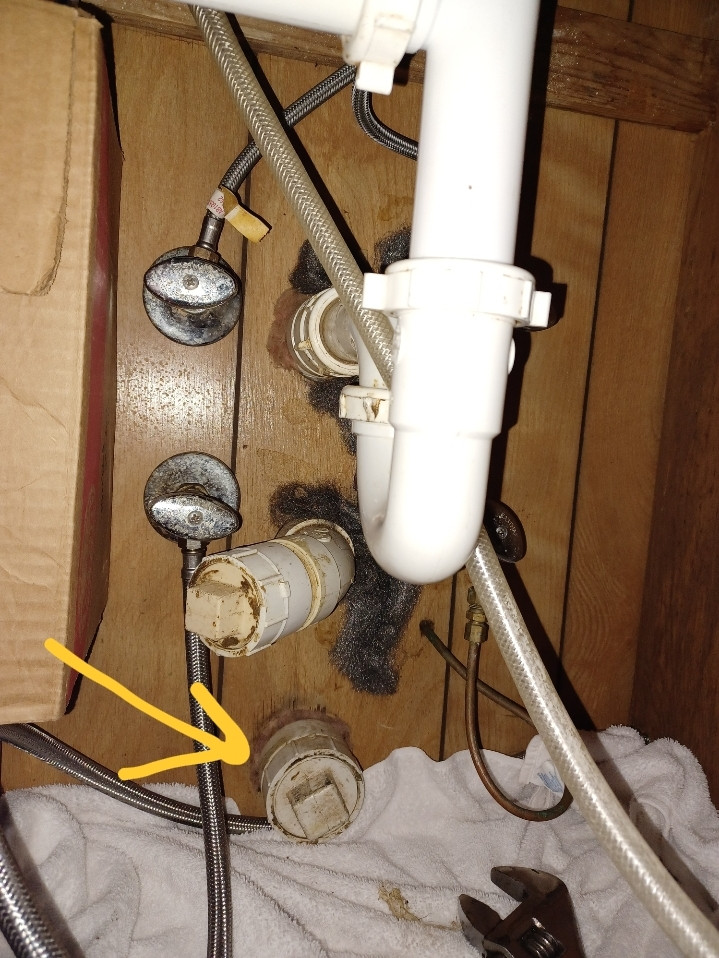
Image Source: i.sstatic.net
Common Culprits Behind a Stubborn Blockage
Fathoming the reasons for your sink’s refusal to drain is the first step toward a resolution. Several common items and habits contribute to a clogged kitchen sink.
Grease and Oil Accumulation
This is arguably the most frequent offender in kitchen sinks. When you pour hot grease, cooking oil, or fat down the drain, it appears liquid. However, as it cools in the pipes, it solidifies, coating the inside of your drainpipes like a sticky, viscous film. Over time, this grease layer traps other debris, gradually narrowing the pipe until it eventually causes a blockage. Even if you try to be careful, small amounts of grease from washing greasy pots and pans can accumulate.
Food Scraps and Debris
Many common food items, when washed down the drain, can cause significant problems:
- Coffee Grounds: While seemingly small, coffee grounds don’t dissolve in water. They tend to clump together, creating a gritty mass that can snag on pipe walls and combine with grease to form a stubborn clog.
- Eggshells: The thin membrane inside eggshells is sticky and can adhere to pipes, trapping other debris. The hard, sharp edges of crushed eggshells can also contribute to a gritty build-up.
- Pasta, Rice, and Oats: These starchy foods absorb water and expand. If flushed down the drain in large quantities, they can swell within the pipes, leading to a blockage, especially if not followed by a substantial amount of hot water.
- Fibrous Vegetables: Items like celery, corn husks, and potato peels have stringy or fibrous textures that don’t break down easily. They can get caught on imperfections in the pipes and create a mesh that traps other waste.
- Bones and Fruit Pits: Small bones and hard fruit pits are not meant to be washed down the drain. They can lodge in pipes and create a solid obstruction.
Hair
While more commonly associated with bathroom drains, hair can find its way into kitchen sinks, especially if you’re washing raw chicken or meat. Hair strands can tangle together, forming a mat that catches other debris, initiating a blockage.
Soap Scum Buildup
Soaps, especially bar soaps, contain fats and oils. When these combine with minerals in your tap water, they can create soap scum. This residue can adhere to the inside of your pipes, narrowing the passageway and contributing to a slow draining sink.
Foreign Objects
Accidental drops of small objects like bottle caps, twist ties, small utensils, or even jewelry can get lodged in the P-trap or further down the drainpipe, causing a blockage.
Problems with the P-Trap
The P-trap is the U-shaped pipe located beneath your sink. Its primary purpose is to hold water, which creates a seal that prevents sewer gases from entering your home and causing unpleasant kitchen drain odor. However, this U-shape also makes it a prime location for debris to collect. If enough material gets trapped in the P-trap, it can completely obstruct the flow of water.
Venting Issues
Your plumbing system relies on a vent pipe, usually extending through the roof, to equalize pressure. If this vent becomes blocked (often by leaves, nests, or debris), it can create a vacuum effect in your drainpipes. This vacuum can prevent water from flowing freely, leading to a kitchen sink backup or a slow draining sink. While less common for a single sink issue, it’s a possibility if multiple fixtures are affected.
How to Fix a Clogged Kitchen Sink: Effective Solutions
When faced with a clogged kitchen sink, several DIY sink unblocking methods can be employed before you consider calling a plumber.
Method 1: The Power of Boiling Water
For minor blockages caused by grease or soap scum, boiling water can be surprisingly effective.
How to do it:
- Boil a kettle or large pot of water.
- Carefully pour the boiling water directly down the drain in stages.
- Allow a few minutes between pours to give the hot water time to work.
Why it works: The heat from the boiling water can melt solidified grease and dislodge soap scum, allowing the water to carry the loosened debris away.
When to use it: Best for fresh grease clogs or slow draining sink issues that haven’t completely stopped water flow.
Caution: Avoid using boiling water if you have PVC pipes that are older or have known weak spots, as the extreme heat could potentially damage them. Let the water cool slightly if you have concerns.
Method 2: The Trusty Kitchen Sink Plunger
A kitchen sink plunger is a simple yet powerful tool for dislodging blockages. It works by creating a vacuum and pressure to dislodge the obstruction.
How to do it:
- Ensure there’s enough water in the sink to cover the plunger’s cup. If not, add some water.
- If you have a double sink, you’ll need to block off the second drain with a wet cloth or stopper to create a good seal and ensure the pressure is directed towards the clog.
- Place the plunger firmly over the drain opening, ensuring a tight seal.
- Pump the plunger up and down vigorously for about 15-20 seconds.
- Quickly pull the plunger upwards to break the seal.
- Repeat this process several times.
- Once you see water draining, run hot water for a few minutes to help clear any remaining debris.
Why it works: The plunger creates a build-up and release of pressure, essentially acting like a powerful push and pull to move the blockage.
When to use it: Effective for most types of clogs, especially those caused by food particles or a combination of debris.
Method 3: Baking Soda and Vinegar: The Natural Power Duo
This classic kitchen drain cleaning method uses a chemical reaction to break down certain types of clogs.
How to do it:
- Pour about half a cup of baking soda down the drain.
- Immediately follow with half a cup of white vinegar.
- You’ll notice a fizzing and bubbling reaction. This is the baking soda (a base) reacting with the vinegar (an acid) to create carbon dioxide gas, which can help break apart some blockages.
- Cover the drain with a stopper or cloth to keep the reaction contained within the pipes.
- Let it sit for at least 30 minutes, or even longer for tougher clogs (up to a few hours or overnight).
- After the waiting period, pour a kettle of boiling water down the drain to flush away the loosened debris.
Why it works: The fizzing action can help loosen grease, soap scum, and minor food build-ups.
When to use it: Good for tackling mild to moderate grease and slow draining sink issues. It’s a safer alternative to harsh chemical drain cleaners.
Method 4: Using a Kitchen Drain Snake (Auger)
A kitchen drain snake, also known as a plumber’s snake or auger, is a flexible metal cable that can be fed into the drain to physically break up or retrieve a blockage. This is a more direct approach for deeper or more stubborn clogs.
How to do it:
- Feed the end of the snake into the drain opening.
- Slowly push the snake down the pipe, rotating the handle as you go.
- When you encounter resistance, you’ve likely reached the clog. Continue to push and rotate the snake. The auger tip is designed to either break through the blockage or hook onto it.
- If you feel you’ve hooked the clog, slowly pull the snake back out, bringing the debris with it.
- If the clog is just being pushed, keep feeding the snake until you feel it break through.
- Once clear, run hot water down the drain for several minutes to flush away any remaining debris.
Why it works: It physically reaches into the pipe and manipulates the clog, either breaking it apart or removing it entirely.
When to use it: Ideal for more solid blockages, hair clogs, or when other methods have failed.
Tip: For a double sink, if the snake isn’t effective in one side, try feeding it into the pipe that connects the two sinks (often accessible under the sink after removing the P-trap).
Method 5: Cleaning the P-Trap
If the blockage is persistent and located near the sink, the P-trap might be the culprit.
How to do it:
- Place a bucket or old towels directly beneath the P-trap to catch any water and debris that will spill out.
- Use a wrench or pliers to loosen the slip nuts that connect the P-trap to the vertical and horizontal drainpipes.
- Carefully remove the P-trap. It might be full of stagnant water and gunk.
- Empty the contents of the P-trap into the bucket.
- Clean the P-trap thoroughly with a brush and hot, soapy water. You can also use an old toothbrush for hard-to-reach areas.
- Inspect the pipes leading into and out of the P-trap for any visible obstructions. You might be able to dislodge these with your fingers or a stiff brush.
- Reassemble the P-trap, ensuring the slip nuts are tightened securely but not overly so (hand-tight plus a quarter turn with a wrench is usually sufficient).
- Run water down the sink to check for leaks and ensure proper drainage.
Why it works: It directly removes accumulated debris from the most common collection point for blockages.
When to use it: When you suspect the blockage is localized to the U-bend or when other methods haven’t worked.
Method 6: Chemical Drain Cleaners (Use with Caution)
While effective for dissolving certain blockages, chemical drain cleaners are harsh and should be used as a last resort. They contain strong chemicals that can damage pipes, harm your skin and eyes, and release toxic fumes.
How to do it:
- Always follow the manufacturer’s instructions precisely.
- Wear protective gloves and eyewear. Ensure the area is well-ventilated.
- Pour the recommended amount of cleaner directly into the drain.
- Allow it to sit for the specified time.
- Flush with cold or lukewarm water as instructed (never boiling water, as this can cause a dangerous chemical reaction).
Why it works: These chemicals are designed to break down organic matter like grease, hair, and food particles.
When to use it: For very stubborn clogs that haven’t responded to other methods.
Strong Caution: Never mix different chemical drain cleaners, as this can create dangerous fumes. Avoid using them if you have a septic system, as they can kill the beneficial bacteria. If you’ve used one chemical cleaner and it didn’t work, do not immediately follow up with another. The remaining chemicals can react dangerously.
Preventing Future Kitchen Sink Blockages
The best approach to a clogged kitchen sink is to prevent it from happening in the first place. Implementing good habits can save you time, frustration, and money.
Table: Daily Habits for a Healthy Kitchen Drain
| Habit | Description | Benefit |
|---|---|---|
| Scrape Plates | Before rinsing dishes, scrape all food scraps into the trash or compost bin. | Prevents food particles from entering the drain. |
| Use a Sink Strainer | Place a mesh sink strainer in your drain to catch larger food particles, hair, and debris. Empty it regularly. | Catches debris before it can enter the pipes. |
| Dispose of Grease Properly | Never pour grease, oil, or fats down the drain. Let them cool, then wipe them up with paper towels and discard in the trash, or pour them into a dedicated container. | Prevents grease buildup, a primary cause of clogs. |
| Run Hot Water Regularly | After washing dishes or using the sink, run hot water for a minute to help flush away any residual grease or small particles. | Keeps pipes clear and prevents minor buildup. |
| Avoid Starchy Foods | Try to limit the amount of pasta, rice, and oats that go down the drain. Compost or trash them instead. | Prevents expansion and pipe blockage. |
| Be Mindful of Coffee Grounds and Eggshells | These can contribute to gritty build-up. Dispose of them in the trash or compost. | Reduces the formation of sludge in pipes. |
| Occasional Kitchen Drain Cleaning**** | Once a month, pour boiling water or a baking soda/vinegar mixture down the drain to maintain a clean flow. | Proactively clears minor buildup and prevents slow draining sink. |
When to Call a Professional Plumber
While many causes of kitchen sink blockage can be addressed with DIY methods, there are instances when professional help is necessary.
Signs You Need a Plumber:
- Persistent Clogs: If you’ve tried multiple DIY sink unblocking methods and the sink still won’t drain, the blockage might be too deep or too severe for home remedies.
- Multiple Fixtures Affected: If you notice a kitchen sink backup or slow draining in other sinks, showers, or toilets in your home, it could indicate a problem with your main sewer line, requiring professional attention.
- Foul Odors Persist: A persistent kitchen drain odor that doesn’t go away even after cleaning could signal a more serious issue, like a sewage backup or a problem with your plumbing vents.
- Gurgling Sounds: Unusual gurgling noises from drains or toilets can indicate an issue with your plumbing system’s venting or a significant blockage further down the line.
- Water Backing Up: If water backs up into your sink or elsewhere when you use other fixtures (like flushing a toilet or running the dishwasher), it strongly suggests a main line blockage.
- Lack of Confidence: If you’re not comfortable with any of the DIY methods, particularly those involving disassembly of pipes, it’s always safer to call a professional.
A plumber has specialized tools like powerful drain augers, hydro-jetting equipment, and cameras to diagnose and clear even the most stubborn blockages. They can also identify and fix underlying issues that might be causing recurrent problems.
Frequently Asked Questions (FAQ)
Q1: How often should I clean my kitchen sink drain?
A: It’s a good idea to perform a basic kitchen drain cleaning once a month using hot water or the baking soda and vinegar method. This helps prevent minor build-ups from becoming major clogs.
Q2: Can I pour bleach down my drain to clear a clog?
A: While bleach can sanitize, it’s not very effective at dissolving grease or food clogs and can be harmful to your pipes and the environment. It’s best to avoid using bleach for kitchen drain cleaning.
Q3: My sink is draining slowly, what should I do?
A: Start with the simpler methods: try pouring boiling water down the drain, or use the baking soda and vinegar trick. If it’s still slow, a kitchen sink plunger or a kitchen drain snake might be needed.
Q4: Is it okay to use a chemical drain cleaner if I have a garbage disposal?
A: Many chemical drain cleaners are not safe for garbage disposals and can damage the unit. It’s best to avoid them and opt for mechanical methods like plunging or snaking, or call a plumber.
Q5: What are the most common items that cause kitchen sink blockages?
A: The most common culprits are grease, oil, coffee grounds, eggshells, starchy foods like pasta and rice, hair, and fibrous vegetable scraps.
By understanding the common causes of clogged kitchen sink issues and employing these effective kitchen drain cleaning techniques, you can keep your kitchen running smoothly and efficiently. Don’t let a slow draining sink or a full kitchen sink backup disrupt your day – arm yourself with knowledge and the right tools for DIY sink unblocking.