
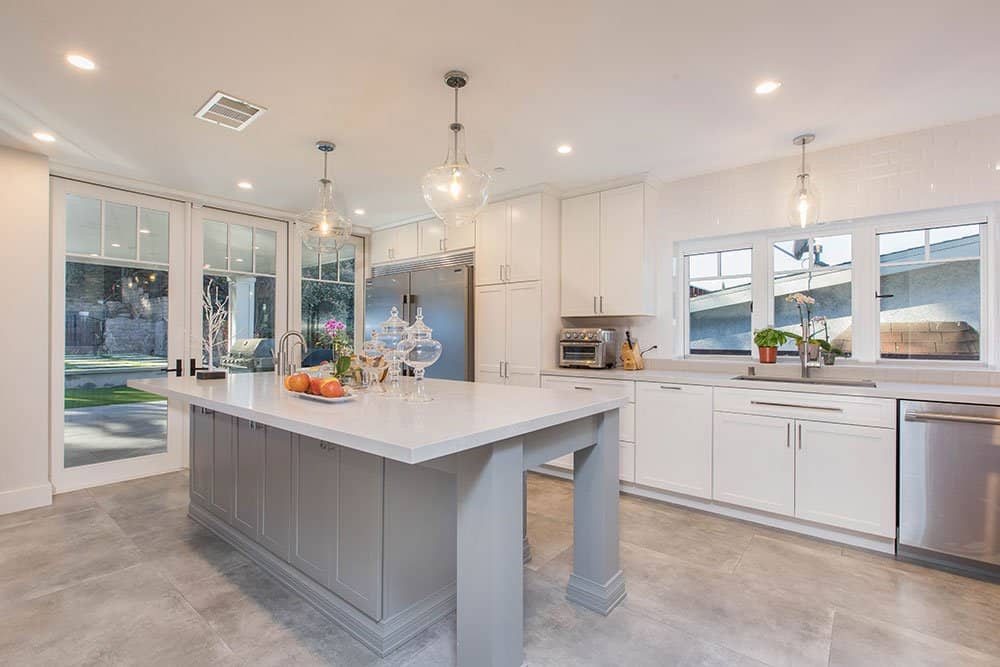
Image Source: buildmethodconstruction.com
Costs Revealed: How Much Is A Kitchen Remodel In California
How much is a kitchen remodel in California? A kitchen remodel in California can cost anywhere from $25,000 for a small, basic update to over $150,000 for a large, luxury renovation. Most homeowners spend between $40,000 and $90,000. Many things change the final price. This includes the size of your kitchen, the materials you pick, and where you live in the state. We will look at typical costs and what drives them. This will help you plan your California kitchen renovation pricing.
What is the Typical Kitchen Remodel Cost in California?
The price of changing your kitchen in California varies a lot. It depends on how much work you do and the quality of items you choose. The average kitchen remodel cost CA sits in a wide range.
For a basic update, you might pay less. This means just new paint, simple cabinets, and easy countertops. For a full change, with new walls and high-end items, the price goes much higher. Location also plays a big role. Places like the Bay Area or Los Angeles are much more costly than other parts of California.
Let’s look at some general price points:
- Small Update / Cosmetic Fixes: This usually means just changing the look. You might paint cabinets, replace a sink, or add new lighting. The layout stays the same. Costs here can be $25,000 to $45,000.
- Mid-Range Remodel: This is a common choice. It involves new cabinets, countertops, and appliances. You might change the flooring. The layout often stays the same. Costs are typically $45,000 to $90,000.
- Major Renovation / High-End: This is a complete change. It can include moving walls, changing plumbing, or adding custom cabinets. You pick top-quality materials and appliances. These projects can easily reach $90,000 to $150,000 or more.
Remember, these are averages. Your actual cost can differ based on many things. It is wise to get several bids from contractors. This gives you a clear picture for your home.
Key Factors Shaping Your Kitchen Remodel Bill
Many elements work together to decide your final kitchen remodel price. It is not just one thing. Let’s look at the main players that affect your bill.
Size of Your Kitchen Space
The size of your kitchen matters a lot for costs. A bigger kitchen needs more materials. It also needs more labor.
- Small kitchen remodel cost California: If your kitchen is small, under 70 square feet, your costs will be lower. You use less flooring, fewer cabinets, and shorter countertops. You save on material costs and labor time. A small update might be just $25,000 to $45,000. A full small kitchen redo could be $40,000 to $70,000.
- Medium-sized kitchens: These are usually 70 to 150 square feet. This is where most mid-range remodels happen. Prices here are often $45,000 to $90,000.
- Large kitchens: These are over 150 square feet. They need a lot of everything. Costs climb quickly. A large, high-end kitchen can easily go over $100,000.
Think about your kitchen’s footprint. Every extra foot adds to your budget.
Material Choices Make a Big Difference
What you pick for cabinets, counters, and floors changes the price a lot.
- Cabinets:
- Stock Cabinets: These are ready-made. They are the cheapest option. They come in standard sizes and styles.
- Semi-Custom Cabinets: These offer more choices in size, style, and finish. They cost more than stock but less than custom.
- Custom Cabinets: These are built just for your kitchen. They fit perfectly. They can be very costly. They offer unique designs and features.
- Countertops:
- Laminate: Very affordable. Many patterns available. Not as tough as stone.
- Butcher Block: Mid-range in price. Warm look. Needs more care.
- Quartz: Popular choice. Mid to high price. Very durable and low care.
- Granite: Also popular. Mid to high price. Each slab is unique. Needs sealing.
- Marble: High-end. Beautiful and classic. Can stain easily. Costs more.
- Appliances:
- Basic Appliances: These are simple and do the job. They save money.
- Mid-Range Appliances: Offer more features and better looks. A good balance of cost and function.
- High-End Appliances: These are often pro-grade or smart tech. Think Sub-Zero, Wolf, Miele. They are very costly.
- Flooring:
- Vinyl or Linoleum: Very cheap. Easy to clean.
- Ceramic Tile: Good value. Many styles. Durable.
- Hardwood: Classic look. Can be refinished. Costs more.
- Engineered Wood: Looks like hardwood. More stable in some climates.
- Natural Stone (Marble, Travertine): High cost. Needs special care.
- Fixtures:
- Sinks, faucets, and lighting also vary in price. A basic stainless steel sink costs less than a farm sink. A simple light fixture costs less than a fancy chandelier.
Every choice adds up. Picking cheaper materials can save you many thousands of dollars.
Scope of Work: How Much Are You Changing?
The amount of work needed affects the price a lot.
- Cosmetic Updates: If you only change things you can see, costs stay lower. This means new paint, cabinet refacing, or new hardware. No walls move. No pipes change.
- Layout Changes: Moving walls or changing the kitchen’s flow costs more. This needs a general contractor. It often involves structural work. It means new plumbing and electrical lines. This work adds many thousands to the bill.
- Demolition: Taking out old parts of the kitchen costs money. This includes labor and hauling away trash. If you do some demo yourself, you can save a little.
Major structural changes are the most costly part of a remodel. They take more time and more skilled labor.
Location Within California
California is a big state. The cost of living varies a lot from one city to another. This directly affects labor and material costs.
- High-Cost Areas: Major cities like San Francisco, Los Angeles, and San Jose have much higher remodel costs. Labor rates are higher. Material delivery can cost more. Average kitchen remodel cost CA will be at the top end of the range here. A mid-range remodel in San Francisco might cost what a high-end one costs in a less expensive city.
- Mid-Cost Areas: Cities like Sacramento, San Diego, and parts of Orange County are in the middle. Costs are high but not extreme.
- Lower-Cost Areas: Inland Empire, Central Valley, and more rural areas generally have lower labor and material costs. Your budget will stretch further here.
Always consider your exact location. Get local quotes to know your specific costs.
Deconstructing Your Kitchen Remodel Expenses
Let’s break down where your money goes in a kitchen remodel. Seeing the cost breakdown kitchen remodel California helps you plan. It shows which parts take the biggest chunk of your budget.
Here is a typical breakdown by percentage of the total project cost:
| Category | Typical Percentage of Total Cost |
|---|---|
| Cabinetry & Installation | 25% – 35% |
| Countertops & Installation | 10% – 15% |
| Appliances | 10% – 20% |
| Flooring | 5% – 10% |
| Plumbing & Electrical | 5% – 10% |
| Demolition & Cleanup | 2% – 5% |
| Design Fees | 5% – 10% |
| Permits | 1% – 3% |
| Contractor Fees & Labor | 15% – 25% |
| Miscellaneous / Contingency | 10% – 15% |
This table is a guide. Your project’s actual percentages may differ. For example, if you splurge on a huge professional range, your appliance percentage will be higher. If you reuse existing cabinets, your cabinetry percentage will be lower.
Contractor Fees and Labor
Contractor fees are a big part of your remodel cost. Contractor fees kitchen remodel California cover more than just their time. They include:
- Project Management: The contractor runs the whole job. They schedule workers. They make sure materials arrive. They handle problems. This is a big part of their fee.
- Labor Costs: This is for the skilled people doing the work. This includes electricians, plumbers, tile setters, cabinet installers, and painters. Their hourly rates add up fast.
- Overhead: This covers the contractor’s business costs. Think of office space, insurance, tools, and vehicles.
- Profit: The contractor needs to make money to stay in business.
General contractors usually charge 15% to 25% of the total project cost. For a $60,000 remodel, this means $9,000 to $15,000 just for the general contractor’s fee. If you hire many different tradespeople yourself, you might save on the general contractor fee. But then you must manage the project yourself. This takes a lot of time and knowledge. It can also lead to delays or mistakes if you are not experienced.
Kitchen Design and Planning
Good design is key to a great kitchen. Kitchen design costs California vary widely.
- DIY Design: If you design it yourself, you pay nothing for a designer. But you need a clear vision. You must know what works.
- Cabinet Showroom Design: Many cabinet sellers offer free or low-cost design services. This is often included if you buy cabinets from them. They focus on cabinet layout.
- Interior Designer: A professional designer can create a custom look. They help pick materials. They make sure everything flows well. They can charge by the hour, a flat fee, or a percentage of the project cost. Their fees can be 5% to 10% of your total budget. For a $60,000 remodel, this could be $3,000 to $6,000.
- Architect: If you are moving walls or changing the structure, an architect might be needed. Their fees are often higher than interior designers. They handle the structural plans.
Good design upfront can save money later. It stops costly changes during construction. It ensures your kitchen is useful and beautiful.
Permits and Regulations
Do not forget permits. Permits for kitchen remodel California cost money. They are also a must.
- Why You Need Them: Permits ensure your remodel meets safety codes. This includes building, electrical, and plumbing codes. They protect you. They ensure the work is safe. They can also affect your home’s resale value. Not having permits for major work can cause big problems when you sell.
- What Needs a Permit:
- Changing the layout of the kitchen.
- Moving or adding plumbing lines.
- Changing or adding electrical wiring.
- Making structural changes (like removing a wall).
- Cost of Permits: Permit costs vary by city and county in California. They depend on the scope and value of your project. They usually range from 1% to 3% of your total remodel cost. For a $60,000 remodel, permit fees could be $600 to $1,800. Some cities have higher fees.
- Process: Getting permits involves submitting plans to your local building department. They review the plans. They may ask for changes. Then, inspectors visit the site during construction. They check if work meets codes. Your contractor usually handles this process. Make sure they do.
Ignoring permits can lead to fines. It can also force you to redo work. Always get the right permits.
Crafting Your Kitchen Remodel Budget in California
Making a good plan for your money is vital. A solid kitchen remodeling budget California helps you control spending. It stops nasty surprises.
Setting a Realistic Budget
It is easy to dream big for a kitchen. But you must be real about what you can spend.
- The Home Value Rule: Many experts say to spend 10% to 20% of your home’s value on a kitchen remodel. If your home is worth $700,000, that is $70,000 to $140,000. This helps keep your remodel in line with your home’s worth. Spending too much might not give you a good return on investment.
- Contingency Fund: Always add extra money for unexpected issues. A 10% to 15% contingency fund is smart. If your budget is $70,000, add $7,000 to $10,500 more. This covers problems like old plumbing or hidden damage. These things can pop up once walls are open. It is better to have it and not need it.
- Know Your Limits: Look at your savings or how much you can borrow. Do not overspend. Stick to your budget limits.
Ways to Save Money
Even in costly California, you can cut kitchen remodel costs.
- Keep the Same Layout: This is the biggest money-saver. Not moving plumbing or electrical lines avoids costly labor. It means less time for plumbers and electricians. This can save thousands.
- Refinish or Repaint Cabinets: Instead of buying new cabinets, try to make your old ones look new. Refinishing or repainting is much cheaper. It gives a fresh look for less.
- DIY Some Elements: If you are handy, do basic tasks yourself. Demolition (tearing out old stuff), painting, or even installing simple flooring can save money on labor. Be honest about your skills and time. Do not tackle jobs that need pros.
- Shop for Sales: Look for deals on appliances, fixtures, or flooring. Black Friday or holiday sales can offer big savings. Buy items when they are on discount.
- Choose Mid-Range Materials: You do not need the most expensive items to have a great kitchen. Mid-range cabinets, quartz counters, and good-quality tile can look fantastic. They cost a lot less than custom or premium choices.
- Use Open Shelving: A mix of closed cabinets and open shelves can save money. Open shelves are cheaper than upper cabinets.
- Re-purpose Old Items: Can your old sink be cleaned up and reused? What about a light fixture? Sometimes, small re-uses save money.
Small savings add up. Plan carefully to trim costs without cutting quality.
Avoiding Hidden Costs
Hidden problems can quickly raise your remodel price. Be ready for them.
- Asbestos or Lead Paint: Older homes (built before 1978 for lead, before 1980s for asbestos) might have these. Removing them needs special pros. It is costly. Testing upfront is smart.
- Unexpected Plumbing or Electrical Issues: Once walls are open, you might find old, unsafe wiring or leaky pipes. These must be fixed. This adds to the cost.
- Dry Rot or Pest Damage: Water leaks or pests can cause damage you cannot see. Termites or wood rot need to be fixed before new items go in.
- Subfloor Problems: Old, uneven, or damaged subfloors need repair before new flooring goes down.
- Permit Delays: Sometimes, permit reviews or inspections take longer than planned. This delays the project. It can cost more in labor if workers are on standby.
Talk to your contractor about potential hidden costs. A good contractor will explain what might come up. They will include a plan for these risks.
The High Life: Luxury Kitchens and Your Money Back
Some homeowners want a truly special kitchen. They aim for the best. It’s also smart to think about if the money you spend comes back when you sell.
Luxury Kitchen Renovation Cost California
A luxury kitchen renovation cost California can start at $100,000 and go far past $200,000. These kitchens are works of art.
What makes a kitchen luxury?
- Custom Everything: Cabinets are built just for your space. They have unique finishes and smart storage.
- High-End Brands: Professional-grade appliances from names like Sub-Zero, Wolf, Miele, La Cornue. Built-in coffee makers, wine fridges, warming drawers.
- Premium Materials: Rare stone countertops (e.g., exotic granite, high-grade marble). Designer tiles. High-quality hardwood floors.
- Smart Home Tech: Integrated lighting, voice-controlled systems, smart ovens.
- Unique Features: Butler’s pantries, hidden walk-in pantries, custom range hoods, elaborate islands with multiple functions.
- Architectural Changes: Often involves moving walls, raising ceilings, or adding large windows. This needs more skilled labor and design input.
- Designer Fees: A top interior designer or architect is often part of a luxury project. Their fees are higher.
Luxury kitchens take longer to plan and build. They use the best craftsmanship. They are a significant investment.
Kitchen Remodel ROI California
Does a kitchen remodel pay you back when you sell your home? The kitchen remodel ROI California can be good, but it depends.
- Return on Investment (ROI): This means how much of your remodel cost you get back when you sell your home. It’s not usually 100%. You rarely get back every dollar you spend.
- Mid-Range Remodels Often Win: A mid-range kitchen remodel usually gives the best ROI. In California, you might get back 60% to 75% of your cost. A $70,000 mid-range remodel might add $42,000 to $52,500 to your home’s value.
- High-End vs. Basic: High-end, luxury remodels often have a lower ROI percentage. You spend a lot, but buyers might not pay full extra for every luxury feature. A basic update might have a good ROI if it fixes a very old, broken kitchen.
- Market Matters: The housing market plays a big role. In a hot market, a nice kitchen helps sell your home faster and for more money. In a slow market, it might just make your home equal to others.
- Quality Workmanship: Good work makes a difference. A poorly done remodel looks cheap. It will not add much value. Use good contractors.
- Keep it Local: Design your kitchen to fit your home and neighborhood. A super modern kitchen might not fit in a traditional home, and vice versa. Buyers in your area expect certain things.
A kitchen remodel almost always makes your home more enjoyable for you. It can also help it sell faster. It makes a good impression. Do not only think about ROI. Think about how you will use and enjoy the new space.
Frequently Asked Questions (FAQ)
Q: What permits do I need for a kitchen remodel in California?
A: You likely need permits if you change the kitchen layout, move plumbing or electrical lines, or make structural changes (like removing a wall). Check with your city or county building department.
Q: How long does a kitchen remodel take in California?
A: A full kitchen remodel in California often takes 6 to 12 weeks from start to finish. This does not include planning or design time. Luxury projects can take much longer. Cosmetic updates are faster, maybe 2-4 weeks.
Q: Can I do my own kitchen remodel in California?
A: You can do some parts yourself, like demolition, painting, or simple installs. But for plumbing, electrical, or structural work, you need licensed pros. Doing it yourself can save money but may also cause delays or problems if you lack experience.
Q: Is it worth remodeling a kitchen in California?
A: Yes, it is often worth it. A new kitchen greatly improves your home life and how much you enjoy your space. It also usually adds value to your home. It helps your home sell faster when you are ready to move.
Q: What’s the cheapest way to update a kitchen?
A: The cheapest way to update a kitchen is with cosmetic changes. Paint your cabinets, add new hardware, change light fixtures, or get a new faucet. You can also install peel-and-stick backsplash or floor tiles. Keeping the current layout saves the most money.