
A kitchen countertop often has a standard depth of 24 inches. This measurement includes a small front overhang. Most kitchen cabinets are 24 inches deep. This depth works well with standard appliances. The average kitchen countertop dimensions are 25 inches deep for wall counters. Islands often have more depth. You can absolutely get custom kitchen counter sizing. This allows for unique kitchen layouts and personal needs.
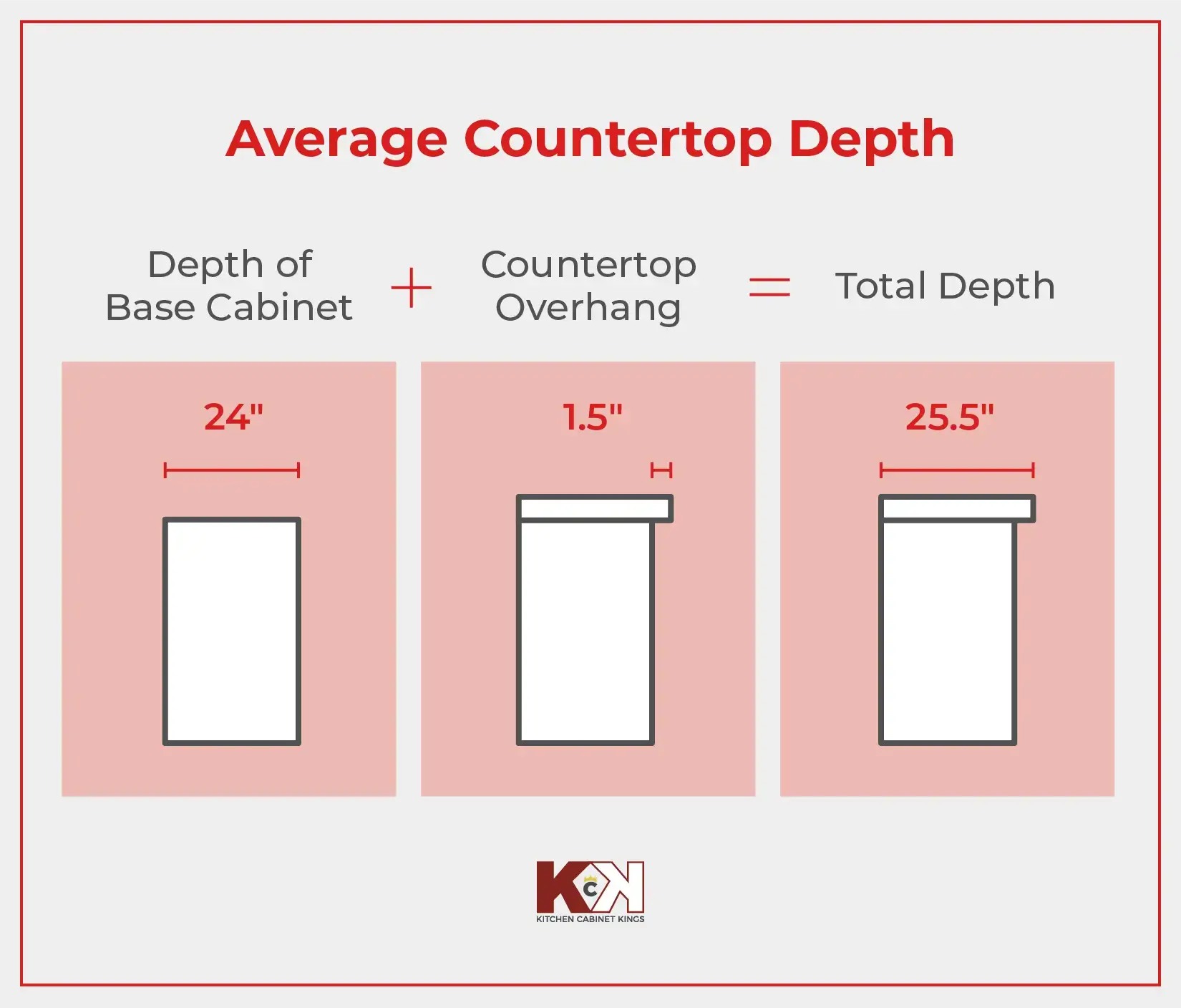
Image Source: cdn.kitchencabinetkings.com
Grasping Standard Countertop Depths
Most kitchens use standard sizes. These sizes help things fit together. They make planning easier. A key size is the depth of your counter. This means how far it sticks out from the wall.
Standard Kitchen Counter Depth Explained
The standard kitchen counter depth is usually 24 inches. This is for the base cabinet. The countertop itself adds a bit more. It typically has an overhang. This overhang makes the total depth about 25 to 25.5 inches. This extra inch or so is important. It covers the cabinet front. It also protects the cabinet doors. It keeps spills from running into your cabinets.
- Cabinet Depth: 24 inches (front to back).
- Countertop Total Depth: 25 to 25.5 inches.
- Overhang: 1 to 1.5 inches past the cabinet front.
This setup is very common. Many appliance makers use these sizes. This makes it easy to find fridges, stoves, and dishwashers that fit.
Average Kitchen Countertop Dimensions
When people talk about average kitchen countertop dimensions, they usually mean the standard size. This is 25 inches deep. Sometimes it is 25.5 inches deep. This depth is for counters along a wall. It gives you good workspace. It lets you chop food. It lets you place small appliances. A toaster or coffee maker fits well.
This average size works for most tasks. It is comfortable for many people. It also allows for standard sinks. Most sinks fit into this depth. This prevents water from splashing too much. It keeps the floor dry.
Connecting Counters to Kitchen Cabinet Depth
Counters do not stand alone. They sit on top of cabinets. The size of your cabinets matters a lot. It decides the size of your counter.
The Role of Kitchen Cabinet Depth
Most base kitchen cabinets have a depth of 24 inches. This depth is from the front of the cabinet to the back. This size is a industry norm. It ensures things line up. It also helps with appliance fit.
Your countertop must cover these cabinets. It must also have an overhang. So, if cabinets are 24 inches deep, the counter will be deeper. It must be deeper than 24 inches. This is how the counter gets its 25 or 25.5-inch depth.
Imagine a row of cabinets. They are all 24 inches deep. The countertop sits on top. It extends a little past the cabinet doors. This extension is the overhang. This small extra bit makes a big difference. It helps protect the cabinet. It also adds a finished look.
Exploring Countertop Overhang Measurements
Overhangs are small but vital. They serve many purposes. They protect. They look good. They add function.
Front Overhang Specifics
The front overhang is the most important. This is the part that extends past the cabinet doors. Its typical measurement is 1 to 1.5 inches. This small amount does a lot.
- Protection: It keeps spills off the cabinet fronts. Water, food bits, and oil drip onto the floor instead. This saves your cabinet finish.
- Comfort: It gives you space. You can stand closer to the counter. Your body does not hit the cabinet doors. This makes working more comfortable. It is easier to chop. It is easier to mix.
- Looks: It finishes the look. It hides the top edge of the cabinet. It gives a clean, smooth line. It makes the counter look thicker. This adds to the kitchen’s style.
If the overhang is too small, water drips onto your cabinets. If it is too big, it might get in the way. The 1 to 1.5-inch range is ideal. It balances looks and use.
Side and Back Overhangs
Side overhangs are less common. They appear at the end of a counter run. This is where the counter does not meet another cabinet or wall. A typical side overhang is 1 inch. This helps to protect the side of the end cabinet. It also gives a finished look.
Back overhangs are usually not present. Counters often sit against a wall. A backsplash covers the joint. Sometimes, a tiny gap exists. This gap is often covered by the backsplash material. If there is no backsplash, a small back overhang of 1/8 to 1/4 inch might be used. This ensures the counter touches the wall. It hides any small wall imperfections.
| Overhang Type | Typical Measurement | Purpose |
|---|---|---|
| Front | 1 to 1.5 inches | Protects cabinets, adds comfort, finishes look |
| Side | 1 inch | Protects end cabinets, finishes look |
| Back | 0 to 1/4 inch | Hides wall imperfections, meets backsplash |
Standard Kitchen Island Depth: A Separate Look
Kitchen islands are central features. Their depth needs special thought. They are often deeper than wall counters. This is because they are used differently.
Island Depth for Function
A standard kitchen island depth is often 24 inches on one side. This matches wall counters. This side is for prep work. You can put a sink here. You can put a cooktop here.
But islands often have more uses. They might have seating. They might have storage on both sides. This means they need more depth.
- Basic Island: A simple island for work might be 24-30 inches deep. This offers good prep space.
- Island with Seating: If you want chairs, you need more room. For comfortable seating, people need leg space. This means the counter must extend past the cabinets.
- Minimum for Seating: For bar stools, you need at least 12 inches of overhang. This is for leg room. So, if your cabinets are 24 inches deep, the total island depth would be 24 (cabinets) + 12 (overhang) = 36 inches.
- Ideal for Seating: 15 inches of overhang is even better. This gives more leg space. Some people prefer 18 inches. So, an island could be 24 + 15 = 39 inches deep. Or 24 + 18 = 42 inches deep.
- Island with Cabinets on Both Sides: Some islands have cabinets facing both ways. Each side might be 24 inches deep. Then you might add a small gap in the middle. Or you might have a deeper cabinet unit. This could lead to an island 48 inches deep or more.
Factors Influencing Island Depth
Several things change island depth.
- Kitchen Size: A small kitchen needs a smaller island. A large kitchen can handle a very deep island.
- Purpose: Is it just for prep? Is it for eating? Will it hold appliances? Each use needs different space.
- Traffic Flow: You need room to walk around the island. At least 36-42 inches of clear space is needed. This space should be around all sides of the island. This keeps the kitchen easy to move in.
| Island Use | Recommended Total Depth |
|---|---|
| Basic Prep | 24-30 inches |
| With Seating (min.) | 36 inches (24 cabinet + 12 overhang) |
| With Seating (ideal) | 39-42 inches (24 cabinet + 15-18 overhang) |
| Cabinets Both Sides | 48 inches or more |
Minimum Countertop Width Requirements
Not all counters need to be super wide. But there are rules for safety and use. These are minimum countertop width requirements. They ensure a functional and safe kitchen.
Code and Practical Minimums
Building codes often dictate minimums. These are for safety. They ensure there is enough space around sinks and cooktops.
- Sink Space: You need space on both sides of a sink. This is for putting dishes down. It is for drying hands. A minimum of 18 inches on one side is good. 24 inches is better. The other side should have at least 12 inches. This gives you room to work.
- Cooktop/Range Space: Safety is key here. You need counter space next to a cooktop. This is for hot pans. It is for preparing food. Codes often ask for at least 12 inches on one side. They ask for 15 inches on the other side. This creates a safe landing spot. It prevents burns. It also gives you room to stir.
- Work Space: For any serious cooking, you need at least 24-36 inches of clear counter space. This is for chopping, mixing, and general food prep. This does not count the sink or cooktop area. It is vital for a usable kitchen.
If your kitchen is tiny, you might use smaller sizes. But try to stick to these minimums. They make your kitchen work better. They make it safer.
Narrow Countertop Scenarios
Some spots might have narrower counters. These are not for main work.
- Small Appliance Niche: A small counter for just a coffee maker. This could be 12-18 inches deep. It is not for heavy work.
- Pass-Through Window: A small shelf under a window. This might be 12-18 inches deep. It is for quick serving.
- Laundry Room Counter: If you have a counter in your laundry room. It might be 18-20 inches deep. This is for folding clothes. It is not for cooking.
These smaller depths are fine for their special uses. They are not good for main kitchen tasks.
Diving into Custom Kitchen Counter Sizing
Standard sizes work for many. But some kitchens need something else. Custom kitchen counter sizing gives you freedom. It lets you create a truly unique space.
When Custom Sizing Is Best
You might choose custom sizes for several reasons.
- Unique Kitchen Layouts: Not all kitchens are square. Some have angles. Some have odd shapes. Standard counters will not fit well here. Custom counters can be cut to any shape. This makes the best use of space.
- Special Appliances: Do you have an extra-deep oven? Or a very wide sink? Standard counters might not work. Custom sizing ensures your appliances fit perfectly. This means no awkward gaps. It means a clean look.
- Specific Needs: Maybe you are very tall. Or very short. You might want a higher or lower counter. Custom sizing lets you pick the height you need. This makes cooking more comfortable.
- Design Vision: You might want a unique look. A very thick counter. A very thin counter. A special edge. Custom sizing makes this possible. It lets you bring your design dreams to life.
The Process of Custom Sizing
Getting custom counters involves a few steps.
- Measure Accurately: This is the most important step. Measure everything. Measure walls. Measure existing cabinets. Measure appliance openings. Use a professional if you can. Mistakes here are costly.
- Choose Material: Stone, laminate, wood, and more. Each material has different limits. Some can span wider without support. Some need more support.
- Create Templates: For stone or complex shapes, a template is made. This is usually done after cabinets are in. This ensures a perfect fit.
- Fabrication: The counter is cut and polished based on the template. This happens in a workshop.
- Installation: Experts bring the counter and install it. They make sure it is level. They seal seams.
Custom sizing takes more time and money. But it gives you exactly what you want. It makes your kitchen truly yours.
Broader Kitchen Worktop Dimensions
The term “kitchen worktop dimensions” is a bit broader. It includes all surfaces. This covers counters, islands, and even small prep areas.
Varying Depths for Different Zones
Not all worktops need the same depth. Different tasks need different spaces.
- Main Prep Zone: This is your primary cooking area. This needs standard 25-inch depth. It needs lots of clear space. This is where you chop, mix, and assemble food.
- Baking Zone: Some people want a dedicated baking area. This might be slightly deeper. Perhaps 28-30 inches. This gives room for large baking sheets. It gives room for rolling dough. It also might be a bit lower for easier kneading.
- Appliance Garage: This is a small area for toasters or blenders. It can be shallower. Maybe 18-20 inches deep. This keeps appliances out of sight. It keeps them ready to use.
- Bar Area/Entertainment Zone: If you have a built-in bar, the counter depth can vary. It might be standard for drinks prep. It might be deeper for guest seating.
Thinking about zones helps you plan. It helps you make the most of your space. Each zone should have the right depth for its job.
Breakfast Bar Countertop Depth: A Special Case
Breakfast bars are popular. They offer quick seating. They can be part of an island. They can be against a wall. Their depth is important for comfort.
Designing for Comfort and Use
A breakfast bar countertop depth needs enough legroom. People need space to sit comfortably. They need space for their knees.
- Minimum Leg Room: For a quick stand-up bar, 12 inches of overhang is the minimum. This is okay for a quick coffee.
- Comfortable Leg Room: For true seating, 15 inches is much better. This lets people pull stools closer. They can sit longer. They can eat a meal.
- Ideal Leg Room: 18 inches of overhang is ideal. This is especially true for higher bar stools. This gives plenty of knee room. It allows people to relax.
- Counter Height: Breakfast bars are often higher than main counters. Standard counter height is 36 inches. Bar height is often 42 inches. This height also affects comfort. Deeper overhangs are more vital for higher bars.
If the breakfast bar is part of an island, the total island depth will grow. An island with a 24-inch cabinet base and an 18-inch breakfast bar will be 42 inches deep.
Consider Chair Type
The type of chair matters. Stools for 12-inch overhangs are often smaller. They might not have backs. For 15-18 inch overhangs, larger, more comfortable stools fit. These might have backs or arms.
Also think about traffic flow. The breakfast bar should not block pathways. Make sure there is enough room to pull out chairs. People need to sit and stand easily.
Countertop Design Guidelines: Pulling It All Together
Many things go into good countertop design. It is more than just depth. It is about how everything works together. These are general countertop design guidelines.
Flow and Function
- The Work Triangle: Think about your fridge, sink, and stove. These three points make a triangle. Good design places them close but with enough space. This makes cooking efficient.
- Landing Zones: Always plan for landing space. You need counter space next to your fridge. You need it next to your oven. You need it next to your microwave. This is where you set hot pans. This is where you put groceries. At least 15-18 inches is a good target.
- Prep Zones: Dedicate at least one large prep zone. This should be 36 inches or more. It should be free of obstacles. This is your main chopping and mixing area. Often, it is between the sink and the cooktop.
Aesthetics and Materials
- Material Choice: Different materials have different properties. Stone is durable but heavy. Laminate is cheaper but less heat resistant. Consider your lifestyle. Consider your budget.
- Edge Profiles: The edge of your counter changes its look. A simple straight edge is modern. A rounded edge is classic. A fancy ogee edge is elegant.
- Thickness: Countertops often look thicker than they are. Many are 1.25 inches thick. Some are 2 inches thick. Some are made to look 3 or 4 inches thick. Thicker counters look more substantial. Thinner counters look sleek.
- Color and Pattern: Choose colors that match your cabinets. They should also match your flooring. Light colors make kitchens feel bigger. Dark colors feel more dramatic.
Readability Table Summary for Countertop Dimensions
This table summarizes common dimensions.
| Element | Standard Depth/Width | Notes |
|---|---|---|
| Wall Countertop | ||
| Cabinet Depth | 24 inches | Base cabinet front to back. |
| Countertop Total Depth | 25-25.5 inches | Includes overhang. |
| Front Overhang | 1-1.5 inches | Past cabinet front. |
| Side Overhang | 1 inch | At exposed ends. |
| Kitchen Island | ||
| Basic Island Depth | 24-30 inches | For work only. |
| Island with Seating (min.) | 36 inches | 24″ cabinet + 12″ overhang. |
| Island with Seating (ideal) | 39-42 inches | 24″ cabinet + 15-18″ overhang. |
| Island with Cabinets (both) | 48+ inches | Two 24″ deep cabinets back-to-back. |
| Minimums & Special Areas | ||
| Sink Adjacent Counter (long) | 18-24 inches | Landing zone for dishes. |
| Sink Adjacent Counter (short) | 12 inches | Other side of sink. |
| Cooktop Adjacent Counter | 12-15 inches | Safety landing for hot items. |
| Main Prep Zone Width | 36+ inches | Clear space for chopping/mixing. |
| Breakfast Bar Overhang (min) | 12 inches | For legroom. |
| Breakfast Bar Overhang (ideal) | 15-18 inches | For comfortable seating. |
Considerations for Material and Installation
The type of material you pick affects things. So does how it is put in.
How Materials Impact Width
Different countertop materials have limits.
- Stone (Granite, Quartz, Marble): These are heavy. They need good support. Very long spans without support might need thicker stone. Or they might need extra bracing. Overhangs beyond a certain point need support. For example, a 10-12 inch overhang on 3cm stone is often fine. More than that might need corbels or legs.
- Laminate: This is lighter. It is more flexible. It can sometimes span longer distances. But its edges can be more fragile.
- Wood/Butcher Block: This can be very sturdy. It can handle larger overhangs. But it needs care. It can warp if wet.
- Stainless Steel: Very durable. It can be formed into various shapes. It is usually lighter than stone.
Always ask your fabricator about material limits. They know what is safe. They know what will last.
Installation Effects on Final Dimensions
Installation matters.
- Leveling: Cabinets must be level. If not, the counter will be uneven. This can cause problems. It can affect how things sit.
- Seams: Large counters might have seams. These are where two pieces join. The skill of the installer affects how good these seams look. They should be nearly invisible.
- Wall Imperfections: Walls are rarely perfectly straight. Good installers account for this. They scribe the counter to the wall. This hides gaps. This gives a custom fit. It does not change the depth. But it ensures the counter meets the wall cleanly.
Careful installation makes a big difference. It ensures your counter looks good. It ensures it functions well for years.
Frequently Asked Questions (FAQ)
Q1: What is the normal depth of a kitchen countertop?
A1: The normal depth for a kitchen countertop along a wall is about 25 to 25.5 inches. This includes a small overhang past the cabinet fronts.
Q2: Can I use standard cabinets for a deep countertop?
A2: Yes, you can use standard 24-inch deep cabinets. Your custom countertop will just extend further. You may need extra support for very deep overhangs.
Q3: How much overhang is safe for a countertop?
A3: For standard stone, an overhang of 10-12 inches is often safe without extra support. For more than this, corbels, posts, or other bracing might be needed. Always check with your material supplier or fabricator.
Q4: How wide should an island be if it has a sink?
A4: An island with a sink needs good depth. The typical cabinet depth is 24 inches for the sink side. You also need space in front and behind the sink. A total island depth of 36-42 inches is common for a functional island with a sink, especially if it also has seating.
Q5: Is a 22-inch deep countertop too shallow for a kitchen?
A5: A 22-inch deep countertop is quite shallow for a main kitchen work area. Most appliances and sinks are made for 24-inch deep cabinets and 25-inch deep counters. A 22-inch depth might be fine for a small coffee bar or laundry room. It is not ideal for main cooking.
Q6: What is the best material for a very wide countertop?
A6: Stone (like quartz or granite) and solid surface materials can be good for very wide countertops. They offer strength and a seamless look for large pieces. Wood can also work but needs careful sealing and care. Consult with a fabricator for large spans.