
Installing a kitchen island costs about $3,000 to $10,000 on average. But it can go from a few hundred dollars to over $20,000. Many things change this price. These include the island’s size, its features, and if you add plumbing or power. This guide will show you all the costs involved.
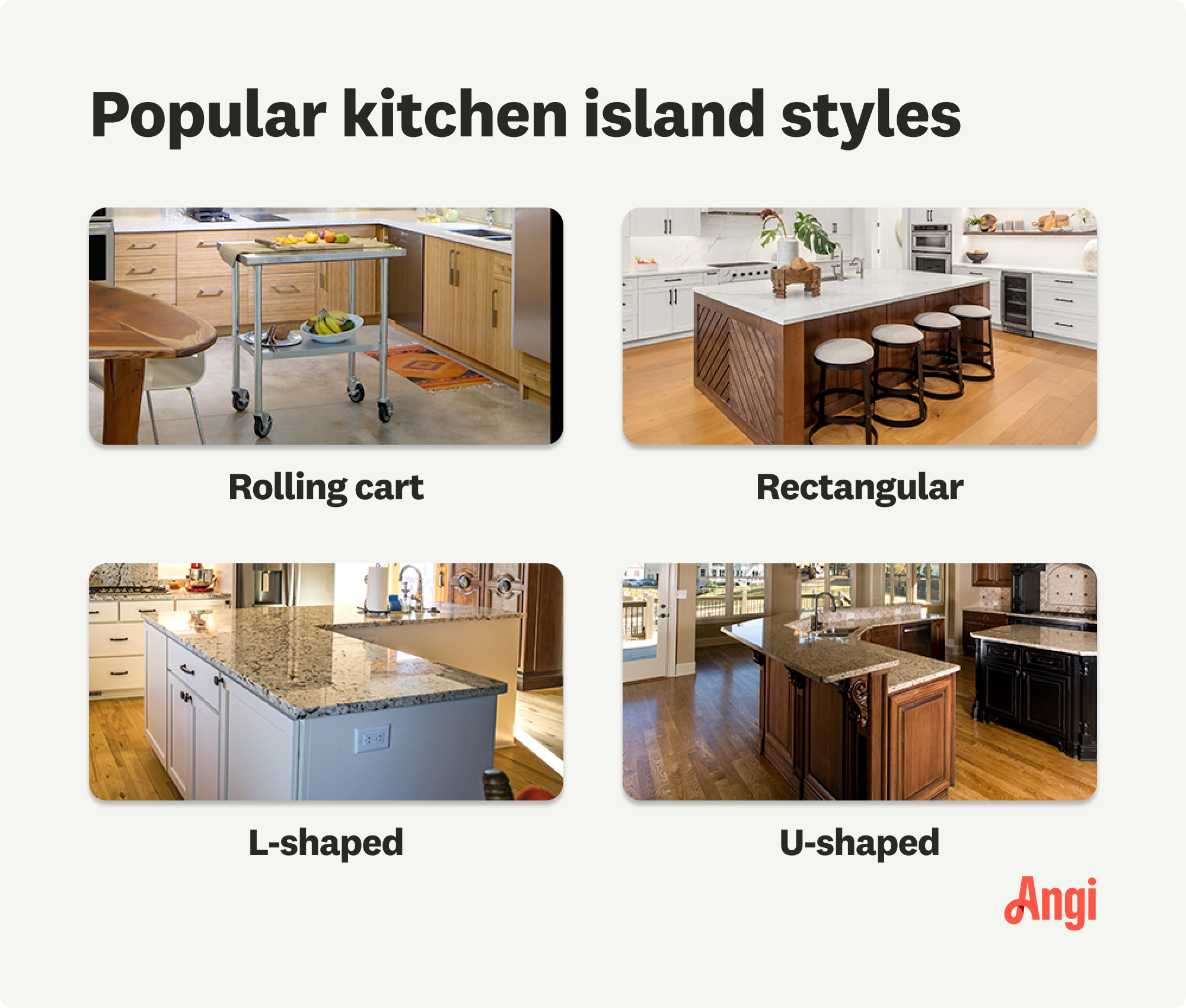
Image Source: media.angi.com
Cost Breakdown: Getting Started
Adding a kitchen island changes your space. It adds counter space. It also offers more storage. Sometimes, it adds seating. The total cost depends on many parts. Think about materials. Think about labor. Also, think about any new utilities needed.
Cost Factors at a Glance
| Factor | Low Cost | Mid Cost | High Cost |
|---|---|---|---|
| Island Type | Freestanding | Modular/Semi-Custom | Fully Custom |
| Size | Small (4 ft) | Medium (6-8 ft) | Large (>8 ft) |
| Materials | Laminate, Pine | Butcher Block, Quartz | Marble, High-End Wood |
| Features | Basic Storage | Sink, Outlets | Cooktop, Wine Fridge |
| Utility Needs | None | Electrical Only | Plumbing, Electrical |
| Labor | Basic carpentry | Carpentry, Electrician | All trades, GC |
The kitchen island labor cost is a big part of the bill. It covers workers. These workers build. They also install. And they connect your island. This cost changes with the job’s difficulty. Simple installs need less labor. Complex ones need more.
Factors Affecting Your Kitchen Island Cost
Many things make the price of your kitchen island go up or down. Knowing these helps you plan.
Type of Island
The kind of island you pick matters a lot for cost.
- Mobile or Freestanding Islands: These are the cheapest. They look like furniture. You can move them. They do not need to be fixed to the floor. They have no plumbing or power. You can buy one for $100 to $1,000.
- Semi-Custom or Modular Islands: These come in parts. You pick the parts. They fit together. They offer more choices than freestanding. They cost more. Think $1,500 to $7,000. They might need a small bit of install work.
- Custom Kitchen Island Price: This is for an island built just for you. It fits your space perfectly. You choose everything. This includes size, shape, and features. These islands are the most costly. They can range from $5,000 to over $20,000. This is because of special designs. It also involves more skilled labor.
- Built-in Kitchen Island Expense: This refers to islands fixed in place. They become part of your kitchen. Often, custom islands are built-in. This expense includes the island itself. It also covers installation. It adds costs for utilities. These islands give a seamless look. They are usually more costly than freestanding ones.
Size and Dimensions
A bigger island uses more materials. It also needs more time to build. This means higher costs.
- Small Islands (4-6 feet long): These are good for smaller kitchens. They cost less.
- Medium Islands (6-8 feet long): These are common. They offer good space.
- Large Islands (over 8 feet long): These fit big kitchens. They provide a lot of space. But they cost the most.
Materials Chosen
Your choice of materials greatly impacts the bill. This includes the base and the top.
- Kitchen Island Materials Expense: This covers wood for cabinets. It covers trim. It covers the countertop.
- Base Materials:
- Particleboard/MDF: Low cost, $50 to $100 per linear foot.
- Plywood/Stock Cabinets: Mid-range, $100 to $300 per linear foot.
- Solid Wood/Custom Cabinets: High cost, $300 to $800+ per linear foot.
- Countertop Materials: This is a big part of the cost.
- Laminate: Cheap, $20 to $60 per square foot.
- Butcher Block: Mid-range, $40 to $100 per square foot.
- Quartz: Popular, $60 to $150 per square foot.
- Granite: Common, $40 to $120 per square foot.
- Marble: High-end, $75 to $250+ per square foot.
- Stainless Steel: Modern, $70 to $200 per square foot.
- Base Materials:
Countertop Material Cost Comparison (Per Square Foot)
| Material | Low Price | High Price | Notes |
|---|---|---|---|
| Laminate | $20 | $60 | Budget-friendly, many looks |
| Butcher Block | $40 | $100 | Warm, needs upkeep |
| Granite | $40 | $120 | Durable, unique patterns |
| Quartz | $60 | $150 | Non-porous, many colors |
| Marble | $75 | $250+ | Luxurious, porous, needs sealing |
| Stainless Steel | $70 | $200 | Modern, industrial, shows smudges |
Features and Amenities
Adding features boosts the cost.
- Island with Sink Installation Cost: Adding a sink is complex. It needs plumbing lines. It needs a drain. It also needs a faucet. This adds $1,000 to $3,000 or more. This is beyond the sink itself.
- Electrical Wiring Kitchen Island: Do you want outlets? Or maybe a cooktop? Or a microwave? You need power. An electrician will run new wires. This costs $300 to $800 for basic outlets. It costs more for special appliances.
- Plumbing Kitchen Island Cost: This is needed for sinks, dishwashers, or wet bars. It means running water lines. It means adding drain pipes. This can be $500 to $2,000 or more. It depends on how far the lines must go. It also depends on how hard the job is.
- Appliances: If you put a cooktop, oven, or mini-fridge in the island, it costs more. This is for the appliance itself. Also, it costs for special wiring or venting.
- Seating/Bar Overhang: An overhang for stools needs extra support. It needs more countertop material. This adds to the cost.
- Storage Options: Simple open shelves are cheap. Drawers, pull-out bins, and specialty organizers cost more.
Location and Accessibility
Where your home is affects prices. Local labor rates change. If workers must travel far, it costs more. If your kitchen is hard to reach, it can add to labor time. This means higher costs. Also, if your home needs structural changes to support the island, that’s extra.
Geographic Location
The cost of living changes. So do labor rates. Cities usually have higher costs. Rural areas might be cheaper. Always get local quotes. This gives you the best idea.
Detailed Cost Components
Let’s look closely at each part of the cost.
Labor Costs
The kitchen island labor cost is a major part of your project. It includes many different skills.
- Professional Kitchen Island Installation Fees: You will likely pay several types of pros.
- General Contractor (GC): If your project is big, you might use a GC. They manage all the work. They hire other workers. They charge 10% to 20% of the total project cost.
- Cabinet Installers/Carpenters: They build or set the island base. They handle trim work. Their rates are $40 to $100 per hour.
- Electrician: Needed for outlets, lighting, or appliances. They run wires. They connect power. Their rates are $50 to $120 per hour.
- Plumber: Needed for sinks or dishwashers. They run water and drain lines. Their rates are $50 to $150 per hour.
- Countertop Installers: They cut and place your island top. Often, this cost is part of the countertop material price. But sometimes it’s separate. It can be $30 to $100 per square foot for installation only.
Typical Hourly Rates for Trades
| Trade | Hourly Rate (Avg.) | Key Tasks |
|---|---|---|
| General Contractor | 10-20% of project | Project management, scheduling |
| Carpenter/Cabinet Installer | $40 – $100 | Island base assembly, trim, leveling |
| Electrician | $50 – $120 | Wiring outlets, lighting, appliances |
| Plumber | $50 – $150 | Water lines, drain pipes, fixture install |
| Countertop Installer | $30 – $100 per sq ft | Cutting, sealing, setting countertop |
Material Costs
This covers all the physical items for your island.
- Cabinetry/Base (Kitchen Island Materials Expense): This includes the wood. It includes the cabinet boxes. It also includes the doors and drawers.
- Stock Cabinets: Pre-made units. They are cheaper. They come in standard sizes.
- Semi-Custom Cabinets: Some choice in size and finish. A bit more costly.
- Custom Cabinets: Built specifically for you. Most expensive. They fit perfectly.
- Countertop Cost for Kitchen Island: This is a big one. It varies a lot. The material chosen sets the price. Plus, the size. And any special cuts.
- Edge Treatments: Fancy edges cost more.
- Cutouts: Holes for sinks or cooktops add cost.
- Hardware: Knobs, pulls, and hinges add up. Simple ones are cheap. Designer ones are more.
Utility Connections
Adding utilities makes the island more useful. It also adds significant cost.
- Electrical Wiring Kitchen Island: This involves safety. It needs a licensed electrician. They pull new lines from your main panel. Or they extend existing circuits.
- Basic Outlets: For small appliances.
- Dedicated Circuits: For larger items like a cooktop or oven.
- Lighting: Pendant lights above the island.
- Plumbing Kitchen Island Cost: This is a complex job. It can be costly.
- Water Supply Lines: For the faucet.
- Drain Lines: To remove water.
- Ventilation: If a cooktop is in the island, you need venting. This can be complex. It might need a duct through the floor or ceiling. This adds to the cost.
Demolition and Prep
Sometimes, old things need to go. This costs money and time.
- Removing Existing Structures: If an old island is there, it needs removal.
- Flooring Work: You might need to patch or replace flooring. Especially where the island sits.
- Drywall Repair: Walls might need fixing after wiring or plumbing work.
Permits and Inspections
For most built-in islands, you need permits. Especially if you add plumbing or electrical.
- Permit Costs: These vary by city. They can be $50 to $500 or more.
- Inspections: Building officials check the work. They ensure it meets safety rules. This is part of the permit process. The average kitchen island addition cost often includes these fees. Ignoring permits can lead to big fines. It can also cause safety problems.
Average Cost Scenarios
Let’s look at what different budgets can get you. This gives you a clearer idea of the average kitchen island addition cost.
Basic Island (Cost: $2,000 – $6,000)
- Description: A simple, functional island. No added utilities. Maybe a few stock cabinets.
- Features:
- Standard stock cabinets or simple base.
- Laminate or basic butcher block countertop.
- No plumbing.
- No new electrical wiring.
- Basic storage, maybe an open shelf.
- Example: A 4-foot long island. It has two base cabinets. It has a laminate top. Labor for assembly and install is included.
Mid-Range Island (Cost: $6,000 – $12,000)
- Description: A more custom look. It includes some modern features. It uses better materials.
- Features:
- Semi-custom cabinets.
- Quartz or granite countertop.
- Includes electrical wiring kitchen island for outlets. Maybe task lighting.
- Could include a small prep sink. (Island with sink installation cost starts here.)
- Built-in trash or recycling bins.
- Example: A 6-foot long island. It has nice cabinets. It has a quartz top. It has two power outlets. It has a small prep sink. This budget covers the plumbing kitchen island cost and electrical work. This is where the custom kitchen island price starts to show.
High-End Island (Cost: $12,000 – $25,000+)
- Description: A fully customized, feature-rich island. It uses premium materials. It often serves many purposes.
- Features:
- Custom-designed solid wood cabinets.
- High-end countertop like marble or thick quartz.
- Full island with sink installation cost.
- Extensive electrical wiring kitchen island. This can be for a cooktop. It can be for an oven. Or a wine fridge.
- Advanced plumbing kitchen island cost. This is for a main sink or dishwasher.
- Special storage features. Examples are pull-out pantries or charging stations.
- Built-in seating area.
- Example: An 8-foot island. It has a waterfall marble top. It has a large sink. It has a built-in induction cooktop. It has a wine cooler. This involves complex plumbing and electrical work. All professional kitchen island installation fees are high here.
Saving Money on Your Kitchen Island Installation
You can cut costs without losing quality.
- Choose Simpler Materials: Laminate or butcher block are cheaper than stone. Stock cabinets cost less than custom ones.
- Limit Features: Skip the sink if you can. Or avoid adding a cooktop. Fewer utilities mean less labor. It also means fewer material costs.
- DIY What You Can: If you are handy, you can do some work yourself. You can assemble cabinets. You can paint. But leave plumbing and electrical to pros. This is for safety.
- Get Multiple Quotes: Talk to at least three contractors. Compare their bids. Do not just pick the cheapest. Look at their experience and reviews.
- Buy Materials Yourself: Sometimes, you can find deals on countertops or cabinets. Check local sales.
- Consider a Freestanding Island: If your needs are simple, a movable island is much cheaper. It costs less than a built-in one. The average kitchen island addition cost is much lower for these.
Choosing the Right Professional
Hiring the right people is key. This ensures a good job. It also ensures safety.
- Look for Licenses and Insurance: Make sure plumbers and electricians are licensed. All contractors should have insurance. This protects you.
- Check References: Ask for past client contacts. Talk to them. Ask about their experience.
- View Past Work: Ask to see photos of finished projects.
- Get Detailed Quotes: Every quote should list all costs. This includes materials. It includes labor. It includes permits. This avoids surprises. The professional kitchen island installation fees should be clear.
- Ask About Warranties: A good contractor stands behind their work.
Conclusion
The cost of installing a kitchen island changes widely. It depends on your choices. A simple, basic island might cost $2,000. A large, fully loaded island can cost over $20,000.
Always plan carefully. Set a budget. Think about what you truly need. Get quotes from many pros. This will help you get the kitchen island of your dreams. It will also help you stay within your budget.
Frequently Asked Questions (FAQ)
Can I install a kitchen island myself?
You can install a simple island. This means a basic, freestanding one. Or a modular unit. But if it needs plumbing or electrical work, hire pros. This is for safety. It is also to meet building codes.
How long does it take to install a kitchen island?
A simple island might take a day or two. A complex island takes longer. This could be 3 to 7 days. This includes prep work. It includes utility hookups. It also includes finishing touches.
Do I need a permit for a kitchen island?
Yes, usually you do. This is true if you add new plumbing. It is also true if you add new electrical wiring. Always check with your local building department. Permits ensure safety. They also ensure the work meets local rules.
What’s the best material for a kitchen island countertop?
The “best” depends on you.
* Quartz is durable. It needs little care. It comes in many styles.
* Granite is also durable. It offers natural beauty.
* Butcher block is warm. It is good for cutting. But it needs regular oiling.
* Laminate is budget-friendly. It is easy to clean.
Think about your budget. Think about how you use your kitchen. Think about your style.
How much space do I need for a kitchen island?
You need clear space around the island. Aim for at least 36 to 48 inches. This is for walkways. It is also for opening doors. This space makes your kitchen easy to use.