
Image Source: www.regattaexports.com
The Core of Kitchen Comfort: Countertop Heights Explained
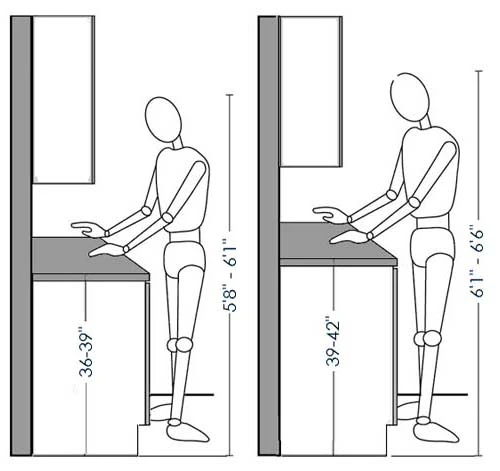
The standard kitchen counter height is typically 36 inches from the floor to the top of the countertop. This average kitchen countertop height works for most people. Yes, you can customize your kitchen counter height. Custom kitchen counter height options are widely available. They can fit your specific needs and comfort. Choosing the right counter height is important. It makes your kitchen feel good to use. It helps you work without strain.
The Foundation: Standard Kitchen Counter Height
Most kitchen counters sit at 36 inches tall. This is the common standard kitchen counter height. This height includes the base cabinet and the countertop. The kitchen base cabinet height standard is usually 34.5 inches tall. Then, a 1.5-inch thick countertop goes on top. This adds up to 36 inches. Why 36 inches? It is a good middle ground. It suits a wide range of people. It also allows for common appliance sizes to fit well.
A Closer Look at the 36-Inch Standard
This 36-inch height is popular for many reasons. For the average person, this height means less bending. It also means less reaching. This helps with many kitchen tasks. Things like chopping vegetables or washing dishes become easier.
The 36 inches covers a few parts. It includes the cabinet box. It includes the toe kick area at the bottom. And it includes the countertop itself. Kitchen builders and designers often stick to this number.
Most appliance makers build items to fit this size. Dishwashers slide under a 36-inch counter. Standard ranges also fit snugly. This makes kitchen planning simpler. It helps homes feel consistent.
Finding Your Perfect Fit: Kitchen Counter Height for Comfort
Counter height is more than just numbers. Your comfort is most important. The ideal kitchen workspace height lets you work without pain. It helps you avoid strain on your back or shoulders. This idea is called ergonomics. Ergonomics means designing things for your body. Your elbows should bend at a comfortable angle when you work.
Tips for Judging Your Ideal Kitchen Workspace Height
Here is a simple test to find your comfortable height. Stand at a counter. Your hands should be flat on the surface. Your elbows should form a roughly 90-degree angle. If this feels good, the height is likely right for you.
You can also try the “elbow rule.” Stand upright and relaxed. Bend your elbows to a 90-degree angle. Measure from the floor to your elbow. Then, subtract about 4 to 6 inches from that number. This measurement is often a good starting point for your ideal counter height.
Different kitchen tasks might feel better at different heights. For example, chopping food might be easier on a slightly higher counter. This gives you good leverage. Kneading dough might be better on a slightly lower counter. This lets you push down with more force.
Think about everyone using the kitchen. If a family has tall and short members, finding a middle ground is good. Or, you might look into custom options. This lets you have different heights in different areas.
Accessibility First: ADA Compliant Kitchen Counter Height
What is ADA? ADA stands for the Americans with Disabilities Act. This law sets rules for public spaces. These rules help make places easy for everyone to use. They also guide home design for people with disabilities.
An ADA compliant kitchen counter height usually means a section must be 34 inches tall. This helps people using wheelchairs. It allows them to reach the counter easily.
There must also be clear space underneath the counter. This lets a wheelchair roll under. The space under the counter needs to be 30 inches wide. It also needs to be 27 inches high. This clear space lets a wheelchair user approach the counter from the front.
Key Features of ADA Counters
The main purpose of ADA counters is to make kitchens useful for everyone. This includes people with mobility challenges. These rules are not just for public buildings. Many homeowners add ADA features to their homes. It makes homes more flexible. It also adds value. It helps if family members or guests have special needs.
Planning ahead can be very smart. An ADA section in your kitchen can be very helpful. It means your kitchen can serve you and your family for many years. It can also be a selling point later.
Beyond the Main Run: Kitchen Island and Bar Heights
Kitchen islands are often very flexible. The kitchen island counter height can vary a lot. It does not always have to be 36 inches like your main counters. Many islands have different levels. One part might be the standard 36 inches. Another part might be higher for seating.
The purpose of the island drives its height. If you want to use it for prep work, 36 inches is often best. If you want a casual eating spot, a higher bar stool height is good.
Common Island and Bar Height Dimensions
Let’s look at the common heights for islands and bars:
- Counter Height Island: This island is 36 inches tall. It matches your main kitchen counters. It works well for food prep. It is also good for casual seating. You use standard counter stools with this height.
- Bar Height Kitchen Counter Dimensions: This counter is usually 42 inches tall. This is 6 inches taller than standard counters. It is great for bar stools. It also helps hide kitchen mess from living areas. This is good for open floor plans.
- Table Height Island: This island is 30 inches tall. This is like a dining table. It works with regular dining chairs. It is good for family meals. It can also be a baking area.
Here is a quick look at these heights:
| Island/Bar Type | Height from Floor | Stool/Chair Type | Common Use |
|---|---|---|---|
| Counter Height Island | 36 inches | Standard Stool | Prep, casual dining |
| Bar Height Island | 42 inches | Bar Stool | Drinks, quick meals, social |
| Table Height Island | 30 inches | Dining Chair | Meals, baking, kids’ area |
Tailored Spaces: Custom Kitchen Counter Height Options
Why would you want to customize? Not everyone fits the 36-inch standard. Custom kitchen counter height options make kitchens truly work for you. They make your kitchen feel like it was made for your body.
If you are very tall, a 38 or 39-inch counter might stop back pain. This extra height means less bending. If you are very short, a 32 or 34-inch counter can make cooking easier. You will not have to reach up as much.
You might also want a specific task area. For example, a lowered section can be great for baking. Or, a higher one can be perfect for a specific appliance.
When to Choose Custom Heights
Consider custom heights in these situations:
- Unique needs: If standard heights cause discomfort for you or a family member. Your kitchen should be a comfortable place to work.
- Multi-generational homes: Different heights can help everyone. A lower counter for children or grandparents. A standard height for adults.
- Specialized hobbies: If you love to bake, a dedicated baking area needs a lower surface. This gives you better leverage for kneading or rolling dough.
- Resale value: Custom heights are personal. Thoughtful customization can be a plus. It shows attention to detail. But too many odd heights might limit future buyers. Think about how common your height choice is.
Designing for Relaxation: Countertop Height for Seated Areas
Many kitchens now have seated areas. These spots are great for breakfast. They are also good for quick chats. You can also use them for casual meals. Countertop height for seated areas is important. It needs to match the chair or stool you use.
These seated areas can be many things. They can be island extensions. They can be built-in banquettes. They can also be peninsulas coming off a wall.
Popular Heights for Seated Kitchen Areas
Here are the popular heights for kitchen seated areas:
- Standard Dining Height: This is 30 inches. This height works with regular dining chairs. It is comfortable for longer meals. You might find this on a separate table or a lowered island section.
- Counter Height: This is 36 inches. It matches your main kitchen counters. This height needs counter-height stools. These stools are usually 24 to 26 inches tall. This is a popular choice for informal eating at an island.
- Bar Height: This is 42 inches. This height needs bar stools. These stools are usually 28 to 30 inches tall. This is great for a casual drink or a quick snack. It often provides a good view over the main kitchen.
Here is a quick overview of seated area heights:
| Seated Area Type | Counter Height | Chair/Stool Height |
|---|---|---|
| Dining Table | 30 inches | 18 inches |
| Counter Seating | 36 inches | 24-26 inches |
| Bar Seating | 42 inches | 28-30 inches |
Factors That Shape Your Choice
Many things play a role in choosing your counter height.
- Your height: This is the biggest factor. Measure yourself! See what feels right.
- Tasks: What do you do most in the kitchen? Do you prep lots of meals? Do you bake often? Do you use it mainly for quick breakfasts?
- Family needs: Who else uses the kitchen? Are there kids who need to reach? Do elderly parents need easy access?
- Appliances: Standard appliances fit standard counters. If you choose custom heights, you might need special planning. Make sure your dishwasher or range will fit.
- Resale considerations: Will unique heights limit future buyers? Most people expect a 36-inch counter. Very unusual heights might make your home harder to sell later.
- Aesthetics: How will different heights look in your home? Especially in an open-plan home, different heights stand out more. Think about the overall look.
Practical Considerations for Different Heights
Each height has pros and cons.
- Lower counters: These are good for kids. They are great for kneading dough. They are easier for shorter people to use.
- Higher counters: These are better for tall people. They can hide messes from sightlines. This is a plus in open kitchens. They are good for quick stand-up meals.
Planning Your Kitchen Layout: Integrating Heights
Good kitchen design is all about flow. How will different heights work together? Think about how you move from one area to another.
Consider “zoning” your kitchen. Give different areas different jobs.
* Prep zone: Often standard 36-inch height. This is where you chop and mix.
* Cooking zone: Also often standard height. This area is around your range or cooktop.
* Baking zone: Maybe a slightly lower section. This gives you leverage for dough.
* Eating zone: Could be 30, 36, or 42 inches. This depends on your seating needs.
Work with a professional kitchen designer. They can help you plan. They know about flow and function. They can make sure your different heights work well together.
Design Tips for Mixed Heights
If you choose different heights, here are some tips:
- Seamless transitions: Can you make the different heights flow smoothly? This helps the kitchen look good. You want it to look intentional, not messy.
- Material consistency: Using the same countertop material helps unify mixed heights. This makes the different levels look like they belong together. It creates a cohesive look.
- Lighting: Make sure each work area has good light. Different heights might cast shadows differently. Plan for good task lighting.
- Stool storage: Where will stools go when not in use? Will they tuck under the counter? Plan for this space.
Installing Your Countertops: What to Know
Countertop installation is a big job. It is often best left to professionals. They ensure level surfaces and a proper fit. This is key for a good-looking and functional kitchen.
The material of your countertop matters. Some materials are heavier. Some need special tools. Some need specific handling during install.
Pros will also make a precise template of your cabinets. This ensures a perfect cut for your new countertop. This step is crucial.
Your base cabinets must be perfectly level. This makes sure your countertop sits flat. If cabinets are not level, your countertop will not be level. This can cause problems later.
A Note on Countertop Thickness
Countertop thickness adds to the final height. Standard thickness is usually 1.25 inches (3 cm) or 0.75 inches (2 cm). This thickness is part of the 36-inch calculation. For example, a 34.5-inch cabinet with a 1.5-inch counter makes 36 inches.
Thickness also affects the look. Thicker counters often look more substantial or classic. Thinner ones can look modern and sleek. This is more about style than function. But it does play a small role in your final height.
Frequently Asked Questions (FAQ)
Q1: What is the most common kitchen counter height?
A: The most common or standard kitchen counter height is 36 inches from the floor to the top of the counter.
Q2: Can I have different counter heights in my kitchen?
A: Yes, many kitchens use different heights. This is common for islands or special work areas. It is part of custom kitchen counter height options.
Q3: How do I know if 36 inches is right for me?
A: Stand at a 36-inch counter. Your elbows should bend comfortably when your hands are on the surface. If you feel strain, a different height might be better for you.
Q4: What is the ADA compliant kitchen counter height?
A: For accessibility, a section of an ADA compliant kitchen counter should be no more than 34 inches high. It also needs clear space underneath for a wheelchair.
Q5: What is the height difference between a counter-height island and a bar-height island?
A: A counter-height island is 36 inches tall. A bar-height island is 42 inches tall. This is a 6-inch difference.
Q6: Does the countertop material affect the height?
A: Yes, but indirectly. The thickness of the material contributes to the overall height. The base cabinets are usually set to account for common countertop thicknesses.
Q7: Is there a standard kitchen base cabinet height?
A: Yes, the kitchen base cabinet height standard is typically 34.5 inches. This allows for a 1.5-inch countertop to reach the 36-inch total height.
Q8: Are lower counters good for baking?
A: Yes, many people find a slightly lower countertop height (around 30-32 inches) better for tasks like kneading dough or rolling pastry. It gives you more leverage.
Q9: What is the ideal kitchen workspace height?
A: The ideal kitchen workspace height is one that lets you work without bending or reaching too much. It’s usually where your elbows are at a 90-degree angle when your hands are flat on the counter.
Q10: What is countertop height for seated areas?
A: For seated areas, heights vary. Dining table height is 30 inches. Counter height seating is 36 inches. Bar height seating is 42 inches. Each needs a specific stool or chair height.