
So, how much does it cost to install a kitchen faucet? The typical cost for professional kitchen faucet installation ranges from $150 to $350, but this can vary based on factors like the complexity of the job, your location, and the type of faucet you choose. If you’re wondering about the average cost to install a kitchen faucet, it generally falls within this range.
Replacing your kitchen faucet is a common home improvement project that can update the look and functionality of your kitchen. While it might seem like a simple task, there are several components to consider when budgeting for this upgrade, from the faucet itself to the plumbing cost for faucet services. This guide will break down all the expenses involved, helping you make an informed decision.
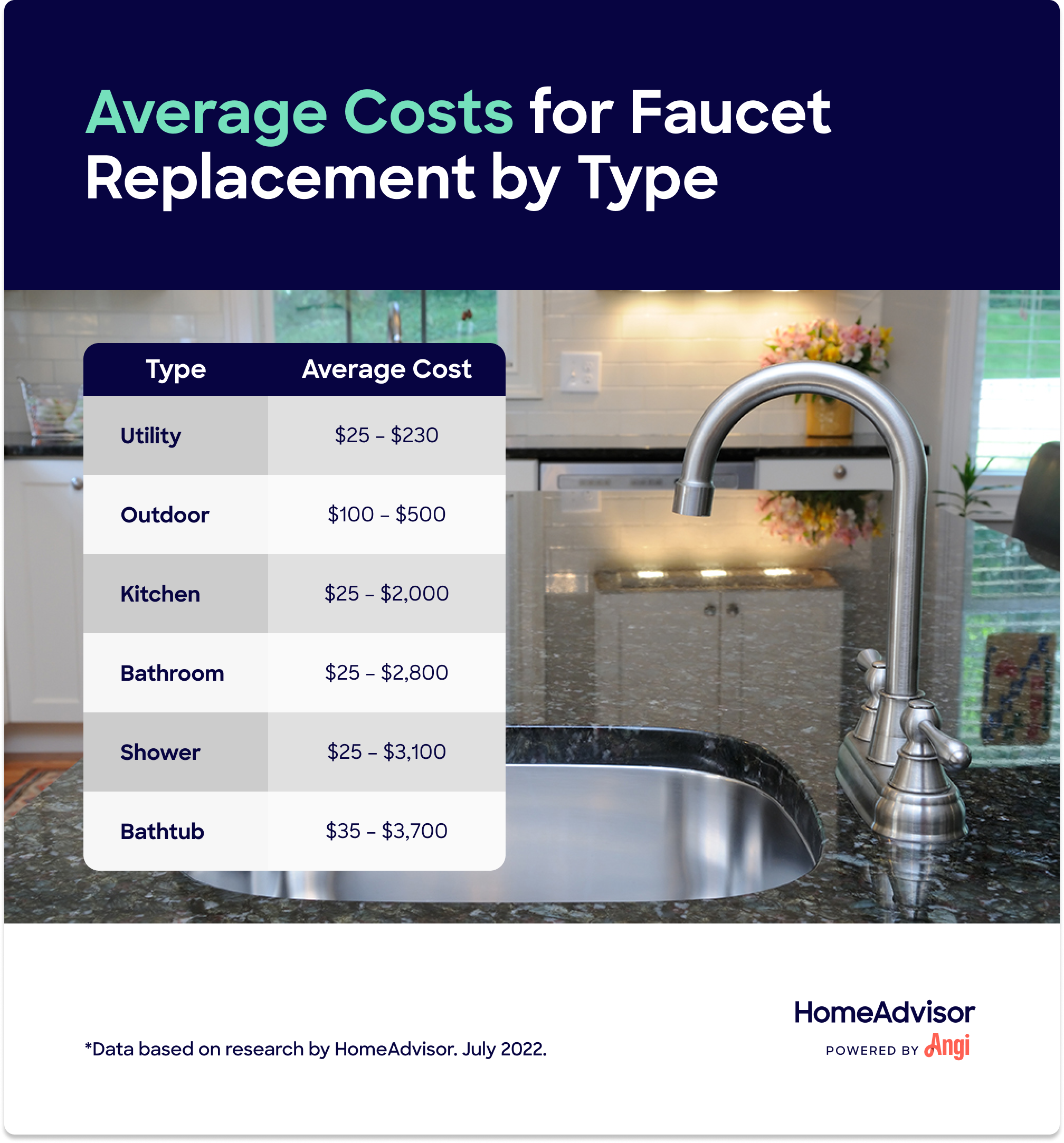
Image Source: images.ctfassets.net
Factors Influencing Faucet Installation Costs
Several elements contribute to the overall faucet installation price. It’s not just about the plumber’s time; the type of faucet, the existing plumbing, and potential unforeseen issues all play a role.
Cost of the Faucet Itself
The most obvious cost is the faucet. Kitchen faucets come in a vast array of styles, finishes, and features, leading to a wide price spectrum.
- Basic Models: You can find simple, functional faucets starting around $50. These are typically made of less durable materials or have fewer features.
- Mid-Range Faucets: Expect to spend between $100 and $300 for a good quality faucet with features like pull-down sprayers, ceramic disc valves, and a decent finish.
- High-End and Smart Faucets: Designer faucets, those with touchless technology, integrated water filters, or advanced finishes, can cost anywhere from $300 to over $1,000.
When budgeting, remember that a more expensive faucet often means better durability, a longer lifespan, and a more appealing aesthetic.
Plumbing Costs for Faucet Services
This is where the cost of plumber for faucet services comes into play. Plumbers charge for their expertise, time, and any materials they might need to supply.
Labor Charges for Kitchen Faucet Installation
The labor charges for kitchen faucet installation are a significant part of the total cost. Plumbers typically charge an hourly rate.
- Hourly Rates: Plumbers’ hourly rates can vary greatly by location, with urban areas generally having higher rates than rural ones. Rates can range from $75 to $150 per hour.
- Trip Charges/Minimum Fees: Many plumbers have a minimum service call fee, which might cover the first hour of work or a portion of it. This can range from $75 to $200.
- Complexity of Installation: A straightforward replacement of an old faucet with a new one of the same type will be quicker and less expensive than installing a completely different style of faucet or dealing with outdated or corroded plumbing.
Professional Kitchen Faucet Installation vs. DIY
Choosing between professional kitchen faucet installation and a DIY approach has a direct impact on your budget.
- Professional Installation: This ensures the job is done correctly and safely. It also saves you time and the potential frustration of encountering unexpected problems. The cost includes the plumber’s labor and often a warranty on their work.
- DIY Installation: The primary saving here is the labor cost. However, you need to factor in the cost of any tools you might need to purchase and the potential cost of mistakes if something goes wrong.
DIY Kitchen Faucet Installation Cost
If you opt for a DIY kitchen faucet installation cost, your primary expenses will be:
- The Faucet: As discussed, this can range from $50 to over $1,000.
- Plumber’s Putty or Sealant: Typically $5-$10.
- Supply Lines: If your new faucet doesn’t come with them or your old ones are worn, expect to pay $10-$30 for a pair.
- Tools: You might need adjustable wrenches, a basin wrench (essential for tight spaces), a bucket, towels, and possibly a putty knife. If you don’t own these, a basic toolset could cost $30-$100.
The main advantage of DIY is saving on labor, which can be hundreds of dollars. However, it requires time, patience, and some basic mechanical aptitude.
Understanding the Faucet Replacement Process
When you decide on a kitchen faucet replacement cost, it’s good to know what the process entails. This helps you understand why certain costs are involved.
Removing the Old Faucet
This step can sometimes be more time-consuming than installing the new one, especially if the old faucet is old and corroded.
- Shutting off Water: The first and most crucial step is to turn off the water supply valves under the sink.
- Disconnecting Supply Lines: The old faucet’s supply lines are disconnected from the valves.
- Unscrewing Mounting Hardware: This is often the trickiest part, as nuts and bolts holding the faucet in place can be rusted or difficult to access, especially with a basin wrench.
- Lifting Out the Old Faucet: Once disconnected and unscrewed, the old faucet can be lifted out from the top of the sink.
Installing the New Faucet
This involves reversing the removal process with the new fixture.
- Placing the New Faucet: The new faucet is positioned in the sink holes.
- Securing the Faucet: Mounting hardware is tightened from underneath the sink to hold the faucet in place.
- Connecting Supply Lines: New or existing supply lines are connected to the faucet inlets and the water shut-off valves.
- Testing for Leaks: After turning the water back on, all connections are checked for leaks.
Additional Costs to Consider
Beyond the basic faucet and labor, other expenses might arise, affecting your overall kitchen sink faucet replacement cost.
Replacing Supply Lines
It’s often recommended to replace the flexible water supply lines when installing a new faucet, especially if the old ones are several years old. This prevents leaks and potential water damage.
- Cost: Expect to pay $10-$30 per pair for standard braided stainless steel supply lines. High-pressure or specialized lines might cost more.
Replacing Shut-off Valves
If your existing shut-off valves are old, corroded, or difficult to turn, a plumber might recommend replacing them. This is a good preventative measure to ensure you can easily control water flow in the future.
- Cost: Replacing a shut-off valve can add $50-$150 to the total bill, depending on the type of valve and the difficulty of access.
Dealing with Sink Damage or Modifications
Occasionally, the sink itself might have damage around the faucet holes, or you might want to change the number of holes drilled in your sink to accommodate a new faucet style (e.g., moving from a 3-hole faucet to a single-hole faucet with an integrated sprayer).
- Sink Repair/Modification: This can range from $50-$200 or more, depending on the extent of the work. This might involve drilling new holes or patching old ones, which could require specialized tools or professional assistance.
Garbage Disposal Installation or Reconnection
If your kitchen faucet is connected to a garbage disposal unit, the plumber may need to disconnect and reconnect it. This can add to the time and cost.
- Cost: A simple reconnection might be included in the standard installation fee, but if the disposal needs to be rewired or a new connection made, it could add $50-$100.
Comparing Different Faucet Types and Their Installation Costs
The type of faucet you choose will also influence the faucet installation price.
Single-Handle Faucets
These are very common and generally easy to install. They combine hot and cold water controls into one lever.
- Installation Simplicity: Usually require only one hole in the sink or countertop.
- Cost Impact: Often among the more affordable options both for the faucet itself and for installation due to their straightforward nature.
Double-Handle Faucets
These have separate handles for hot and cold water. They typically require at least two holes in the sink.
- Installation Simplicity: Similar to single-handle faucets, but with an extra connection.
- Cost Impact: Installation costs are comparable to single-handle faucets.
Pull-Down and Pull-Out Faucets
These feature a spray head that pulls out from the spout, offering greater flexibility.
- Installation Simplicity: Require a larger opening or multiple holes. The hose mechanism can sometimes be a bit trickier to route.
- Cost Impact: The faucet itself might be more expensive, and installation can take slightly longer due to the hose and weight considerations.
Touchless or Sensor Faucets
These offer hands-free operation but require a power source (battery or AC adapter).
- Installation Simplicity: Installation involves connecting the water lines and the power source. Running power might add complexity if an outlet isn’t readily available nearby.
- Cost Impact: These faucets are pricier, and if electrical work is needed, it will significantly increase the overall plumbing cost for faucet installation.
Wall-Mounted Faucets
These are installed directly into the wall above the sink, offering a sleek, modern look.
- Installation Simplicity: This is typically the most complex type of installation, requiring specific rough-in plumbing within the wall. It’s almost always a job for a professional.
- Cost Impact: Both the faucet and the installation labor will be more expensive. Expect higher labor charges for kitchen faucet installation due to the specialized work involved.
When to Call a Professional Plumber
While some homeowners feel confident tackling a DIY kitchen faucet installation cost, there are instances where hiring a professional is highly recommended.
You’re Unsure About Your Plumbing Skills
If you lack confidence in your DIY abilities or have no prior experience with plumbing, it’s best to hire a professional to avoid costly mistakes.
The Existing Plumbing is Old or Corroded
If you discover old, brittle pipes, corroded shut-off valves, or any signs of significant wear and tear during the removal of the old faucet, it’s wise to have a professional assess and address these issues. They have the tools and expertise to handle such problems safely.
You’re Installing a New Type of Faucet
Switching to a wall-mounted faucet, a touchless faucet requiring electrical connections, or significantly altering the sink’s hole configuration often requires specialized knowledge and tools.
You Encounter Unexpected Problems
If you’re in the middle of a DIY installation and run into a problem you can’t solve, calling a plumber at that stage can sometimes be more expensive than hiring them from the start.
How Much Do Plumbers Charge to Install a Faucet? A Breakdown
To give you a clearer picture of how much do plumbers charge to install a faucet, let’s look at a typical cost breakdown.
Scenario: Replacing an existing single-handle faucet with a new mid-range model.
- Faucet Cost: $150
- Plumber’s Labor (1-2 hours @ $100/hour): $100 – $200
- Supply Lines: $20
- Plumber’s Putty/Sealant: $10
- Trip Charge/Minimum Fee: $100 (if applicable and not covered by labor)
Estimated Total Cost: $380 – $480
This is just an example. The average cost to install a kitchen faucet can fluctuate based on the factors mentioned earlier.
Getting Quotes for Professional Kitchen Faucet Installation
To get an accurate idea of the professional kitchen faucet installation cost in your area, it’s best to get quotes from several reputable plumbers.
What to Ask When Getting Quotes:
- Hourly Rate: What is your standard hourly rate for plumbing services?
- Minimum Service Fee: Do you have a minimum charge for a service call?
- Estimated Time: How long do you estimate this installation will take?
- Included Services: Does the price include removal of the old faucet, new supply lines, and cleanup?
- Warranty: Do you offer a warranty on your labor?
- Materials: What is the cost of materials like supply lines, plumber’s putty, etc.?
Factors Affecting Quote Variations:
- Location: Plumbers in high-cost-of-living areas will generally charge more.
- Company Size: Larger companies may have higher overhead and thus higher rates than smaller, independent plumbers.
- Emergency Services: If you need an emergency installation, expect to pay a premium.
DIY vs. Professional: Weighing the Decision
When deciding whether to tackle this yourself or hire a pro, consider the following:
DIY Pros:
- Cost Savings: You save significantly on labor costs.
- Satisfaction: The rewarding feeling of completing a home improvement project yourself.
- Flexibility: You can schedule the work at your convenience.
DIY Cons:
- Time Commitment: It can take longer than expected, especially if you’re new to it.
- Potential for Mistakes: Errors can lead to leaks, water damage, or the need for professional repair, costing more in the long run.
- Tool Costs: You might need to purchase specialized tools.
Professional Pros:
- Expertise and Efficiency: Professionals get the job done quickly and correctly.
- Warranty: Most plumbers offer a warranty on their work, giving you peace of mind.
- Problem Solving: They are equipped to handle unexpected issues that arise.
Professional Cons:
- Higher Cost: You pay for their expertise and time.
- Scheduling: You need to book an appointment and work around their availability.
Frequently Asked Questions (FAQs)
Here are some common questions related to kitchen faucet installation costs.
How long does it typically take to install a kitchen faucet?
A professional plumber can usually install a kitchen faucet in 1 to 2 hours. A DIY installation might take longer, depending on your experience and any unforeseen complications.
Can I reuse my old supply lines?
It’s generally not recommended to reuse old supply lines, especially if they are more than a few years old or show any signs of wear. Replacing them with new ones ($10-$30) is a small cost that can prevent significant problems.
What’s the most expensive part of installing a kitchen faucet?
The most expensive part is typically the combination of the faucet itself and the professional labor charges for installation.
Does the cost of a faucet include installation?
No, the price of a faucet typically only covers the fixture itself. Installation costs are separate, whether you hire a professional or factor in your time and potential tool purchases for a DIY job.
What if my new faucet has more or fewer holes than my old one?
If your new faucet requires a different number of holes than your sink has, you might need to drill new holes or use a cover plate (escutcheon). Drilling new holes in a sink or countertop usually requires specific tools and expertise and may incur additional costs if a professional is hired to do it.
How much does a plumber charge just to look at a faucet issue?
Plumbers often charge a service call fee or an hourly rate that covers their initial visit and diagnosis, which can range from $75 to $200 or more, regardless of whether they perform the repair.
Is it cheaper to install a faucet in a new kitchen versus replacing an old one?
Installing a faucet in a new kitchen is often simpler and potentially cheaper because the plumbing is new, and there are no old fixtures to remove. However, if you’re building a new kitchen, you’ll also have other renovation costs to consider.
Final Thoughts on Faucet Installation Costs
Deciding how much to install a kitchen faucet involves weighing the cost of the fixture against the cost of labor and any potential additional materials or repairs. While the kitchen faucet replacement cost can seem daunting, it’s an investment in your kitchen’s functionality and aesthetic. Whether you choose a professional for a seamless professional kitchen faucet installation or embark on a DIY adventure to manage your DIY kitchen faucet installation cost, being informed about all the potential expenses will help you budget effectively and achieve a beautifully updated kitchen.
Remember to always prioritize quality and safety. A well-installed faucet will provide years of reliable service, making the initial investment well worth it. Always get multiple quotes from plumbers to ensure you’re getting a fair price for the cost of plumber for faucet services.