
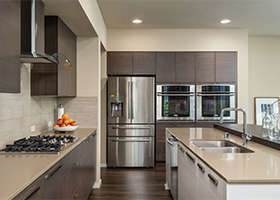
Image Source: www.lampertlumber.com
How Tall Should Kitchen Cabinets Be? Find Your Ideal Height!
What is the standard kitchen cabinet height? Most kitchens use a standard height for cabinets. Base cabinets, which sit on the floor, usually bring the countertop to 36 inches off the floor. Wall cabinets, which hang above the counter, often start 18 inches above the counter. Can I change these heights? Yes, you can change these heights. Your own height, special needs, and the style of your kitchen can all lead to different choices. Who decides these sizes? Cabinet makers and kitchen designers follow common rules to make cabinets fit most people. But these are just guides, not strict laws for every home.
Choosing the right height for your kitchen cabinets is very important. It affects how easy your kitchen is to use. It also changes how your kitchen looks. This guide will help you find the best heights for your home. We will look at standard sizes and how to pick heights just for you.
The Core of Kitchen Cabinet Heights: A General View
When you plan a kitchen, you will see many numbers for cabinet sizes. These numbers are based on what works for most people. Knowing these main sizes helps you start your plan.
Average Kitchen Cabinet Height: What’s Typical?
Most kitchens follow common size rules. These rules help make kitchens that are easy for many people to use. They also help appliance makers know what size things to build.
- Base Cabinets: These are the ones under your counter. Their top surface, with the countertop on, is usually 36 inches from the floor. The cabinet box itself is 34.5 inches tall. A small kick space is at the bottom.
- Wall Cabinets: These hang on the wall above your counters. They come in different heights, like 30, 36, or 42 inches. The space between the counter and the bottom of these cabinets is most often 18 inches.
- Tall Cabinets: These go from the floor almost to the ceiling. They are great for pantries or hiding an oven. Their heights often match the top of your wall cabinets, maybe 84, 90, or 96 inches tall.
Here is a quick look at common cabinet heights:
| Cabinet Type | Common Height (Cabinet Box) | Common Overall Height (with Counter) | Common Depth |
|---|---|---|---|
| Base Cabinets | 34.5 inches | 36 inches | 24 inches |
| Wall Cabinets | 30, 36, or 42 inches | N/A | 12 to 13 inches |
| Tall Cabinets | 84, 90, or 96 inches | N/A | 12, 18, or 24 inches |
These numbers are a starting point. They help make sure your fridge fits and your oven is at a good level. But remember, you can always change them to fit you better.
Getting the Right Fit: Base Cabinets
Base cabinets are the true workhorses of your kitchen. They hold your countertops. They also house your sinks, dishwashers, and cooktops. Their height is key for comfortable cooking.
Kitchen Base Cabinet Dimensions: The Foundation
The size of your base cabinets sets the stage for the rest of your kitchen.
- Height: The standard kitchen base cabinet height is 34.5 inches. When you add a countertop, which is usually 1.5 inches thick, the total height becomes 36 inches. This 36-inch height is called the counter height.
- Standard Kitchen Cabinet Depth: Most base cabinets have a depth of 24 inches. This means they stick out 24 inches from the wall. This depth works well for most appliances like dishwashers and ranges. It also gives you enough counter space for cooking. Sometimes, islands might have deeper cabinets, like 27 or 30 inches, for extra storage or a larger counter.
- Toe Kick: At the very bottom of a base cabinet, there is a small recessed area. This is called the toe kick or kick plate. It is usually 4.5 inches high and 3 inches deep. This space lets you stand closer to the counter without bumping your toes. This makes chopping and washing dishes much more comfortable.
Why 36 Inches? The Ergonomic Point
The 36-inch counter height is not random. It is based on what works best for most people. This height is often seen as the ergonomic kitchen cabinet height for common kitchen tasks.
- Comfortable Working: For someone around 5 feet 6 inches tall, a 36-inch counter lets them chop, stir, and wash without too much bending. It keeps their arms and shoulders in a natural position.
- Appliance Fit: Dishwashers, ranges, and most sinks are made to fit perfectly under a 36-inch high counter. This standard makes it easy to buy and install appliances.
- Consistency: Having all your counters at the same height creates a smooth and clean look in your kitchen. It also makes moving things from one counter to another easy.
However, if you are very tall or very short, 36 inches might not be your ideal height. We will talk about adjusting heights later.
Reaching for Storage: Wall Cabinets
Wall cabinets offer vital storage space above your counters. Their height and placement really affect how easy it is to grab things.
Standard Kitchen Wall Cabinet Height: Common Sizes
Wall cabinets come in a few standard heights to fit different kitchen designs and ceiling heights.
- 30-Inch Tall Cabinets: These are common in kitchens with 8-foot ceilings. When placed 18 inches above the counter, their tops sit 84 inches (7 feet) from the floor. This leaves 1 foot of space to the 8-foot ceiling. This space can be filled with crown molding or left open.
- 36-Inch Tall Cabinets: These are a good choice for 8-foot or 9-foot ceilings. With 8-foot ceilings, they leave 6 inches of space at the top. This is just enough for a simple crown molding. If you have 9-foot ceilings, these cabinets will leave more space above them.
- 42-Inch Tall Cabinets: These cabinets are often used with 9-foot ceilings. When placed 18 inches above the counter, their tops will reach 96 inches (8 feet) from the floor. This leaves 1 foot of space to a 9-foot ceiling. This extra height gives you more storage. It also makes your kitchen look taller and grander.
The standard depth for wall cabinets is 12 to 13 inches. This depth is good for storing plates, glasses, and food items without sticking out too much. It also keeps them from getting in your way when you work on the counter.
Optimal Upper Cabinet Height Above Counter: The Key Gap
The space between your countertop and the bottom of your wall cabinets is very important. This is called the “upper cabinet height above counter.”
-
18 Inches: The Most Common Gap: For most kitchens, the optimal upper cabinet height above counter is 18 inches. This measurement provides a good balance.
- Space for Appliances: It gives enough room for small appliances like coffee makers, blenders, and toasters. These items fit neatly under the cabinets.
- Visibility and Access: It allows good visibility of your countertop. You can see what you are doing. It also makes it easy to reach items on the first or second shelf of the wall cabinets for an average-height person.
- Backsplash Area: This 18-inch space is perfect for installing a standard backsplash. A backsplash protects your wall from splashes and adds beauty. Most backsplash tiles are designed for this height.
-
Adjusting the Gap:
- More Space (20+ inches): If you are very tall, you might want a bit more space. This means placing the wall cabinets higher. This also helps if you have very tall appliances.
- Less Space (15-17 inches): If you are shorter, you might prefer less space. This brings the bottom shelves of the wall cabinets closer to you. Be careful not to make it too tight for appliances. A gap of 15 inches is sometimes used, but it can make small appliance use tricky.
Kitchen Cabinet to Ceiling Clearance: To the Top or Not?
The space between the top of your wall cabinets and the ceiling needs thought. You have a few options for kitchen cabinet to ceiling clearance.
- Leaving a Gap (Open Space):
- Why: This is common in older homes or with 8-foot ceilings and 30-inch wall cabinets. It leaves a space, usually 12-24 inches, at the top. Some people like to use this space for decorations.
- Issues: This space can collect dust and grease. It might need regular cleaning.
- Using Crown Molding:
- Why: This is a very popular choice. Crown molding is a decorative trim added to the top of your cabinets. It fills the small gap (often 6-12 inches) between the cabinet top and the ceiling. It gives a finished, elegant look. It also prevents dust from gathering on top of the cabinets.
- Look: It makes your cabinets look more built-in and custom.
- Going All the Way to the Ceiling:
- Why: This option means your cabinets go directly to the ceiling. This is often done with 42-inch wall cabinets and 9-foot ceilings. Or, you can stack a smaller cabinet on top of a larger one. For example, a 30-inch cabinet with a 12-inch cabinet above it.
- Benefits: This gives you the most storage space. It also creates a seamless, very clean look. No dust gathers on top. It makes the kitchen feel taller.
- Considerations: It can cost more. Reaching the top shelves may require a step stool.
The choice here depends on your ceiling height, your budget, and the style you want for your kitchen.
Maximizing Storage: Tall Cabinets
Tall cabinets are like vertical storage units. They go from the floor almost to the ceiling. They are great for pantries, utility storage, or built-in ovens.
Tall Kitchen Pantry Cabinet Height: From Floor to Ceiling
Tall kitchen pantry cabinet height is very useful for adding a lot of storage.
- Standard Heights:
- 84 inches (7 feet): This height is common for 8-foot ceilings. They can leave 1 foot of space at the top, or be used with crown molding.
- 90 inches (7.5 feet): These are good for homes with 9-foot ceilings, leaving 1.5 feet of space above for decorative molding or a small gap.
- 96 inches (8 feet): These are designed to reach the top of an 8-foot ceiling, or nearly so, often used to create a built-in, floor-to-ceiling look. For 9-foot ceilings, they leave 1 foot of space.
-
Depths: Tall cabinets come in different depths:
- 12 inches: This depth matches wall cabinets. It is good for canned goods, spices, and smaller items. It does not take up much floor space.
- 18 inches: This depth offers more storage than 12 inches but is still slim. It can hold larger cereal boxes or small appliances.
- 24 inches: This depth matches base cabinets. It is ideal for a deep pantry, or for building in ovens or microwaves. It gives the most storage.
-
Uses for Tall Cabinets:
- Pantry: A large, tall cabinet for food storage.
- Utility: For brooms, mops, or cleaning supplies.
- Oven Tower: A cabinet designed to hold a built-in oven and sometimes a microwave at a comfortable height.
- Cabinet Installation Height Guidelines: For tall cabinets, the key guideline is simply to install them directly on the floor. Make sure they are level and secured to the wall studs for safety. They need strong support because they hold a lot of weight.
Choosing the right tall cabinet height means thinking about your ceiling height and how much storage you need.
Making Cabinets Work for You: Customization
While standard sizes work for many, your kitchen should fit you. This is where custom kitchen cabinet heights come in.
Custom Kitchen Cabinet Heights: Tailoring Your Space
Sometimes, standard cabinet heights just do not feel right. This is often true for people who are much taller or shorter than average.
- For Taller People: If you are very tall, say over 6 feet, a 36-inch counter might make you bend too much. This can cause back pain. You might want a counter height of 38 or even 39 inches. This means your base cabinets would be taller than 34.5 inches. Wall cabinets could also be placed higher than 18 inches above the counter. This way, you do not hit your head or feel cramped.
- For Shorter People: If you are shorter, say under 5 feet 2 inches, a 36-inch counter might be too high. You might find it hard to chop or knead dough comfortably. A counter height of 34 or 35 inches could be better for you. This would mean shorter base cabinets. Wall cabinets should be placed lower than 18 inches above the counter, maybe 15 or 16 inches. This makes it easier to reach items on the lower shelves.
- Multi-Height Areas: In some kitchens, you might have different counter heights for different tasks. For example, a lower counter (maybe 30 inches) for baking or a small breakfast bar. A higher counter (maybe 42 inches) for a bar area. This creates an ergonomic kitchen cabinet height for specific tasks.
- Special Needs: If someone in your home uses a wheelchair, specific ADA (Americans with Disabilities Act) guidelines exist. These include lower counters (often 34 inches maximum) and open space underneath sinks for access. Custom heights are essential here.
Going custom means working with a cabinet maker who can build cabinets to your exact needs. This costs more than buying standard cabinets. But the comfort and ease of use it offers can be well worth the price. It truly makes the kitchen your own.
Ergonomic Kitchen Cabinet Height: Comfort and Use
“Ergonomic” means designing things for comfort and ease of use. In a kitchen, ergonomic kitchen cabinet height is about making sure tasks are easy and comfortable for your body.
- Reducing Strain: The right height helps you avoid bending, reaching, or stretching too much. This saves your back, neck, and shoulders from pain.
- Task-Specific Zones: Think about what you do where.
- Prep Area: Where you chop and mix. This is where your main counter height needs to be just right for you.
- Cooking Area: Where your stove is. The height of the stove itself is often standard. But if you have a separate cooktop, its height is part of the counter.
- Washing Area: The sink. A comfortable sink height means less leaning over.
- Appliance Integration: Placing appliances at ergonomic heights is also key. For example, some people prefer their microwave built into a wall cabinet at chest level instead of over the range or on the counter. Wall ovens are often installed at a height that allows you to easily slide hot dishes in and out without bending low or reaching high. This is part of setting cabinet installation height guidelines for appliances.
When planning, stand in your kitchen space. Pretend to do tasks. Where do your hands naturally fall? Do you feel comfortable? These thoughts will guide you to your ideal ergonomic heights.
Putting it All Together: Installation Tips
Once you know your ideal cabinet heights, installing them correctly is the next step. Following good cabinet installation height guidelines makes sure your kitchen is sturdy and looks great.
Cabinet Installation Height Guidelines: Getting It Right
Proper installation is critical for the safety and function of your cabinets.
- Start with a Level Line: Before you hang any cabinets, draw a perfectly level line on the wall. This line should mark the top of your base cabinets (34.5 inches from the floor) or the bottom of your wall cabinets (18 inches above your planned counter height). Use a laser level or a long spirit level to ensure this line is perfectly straight.
- Find the Studs: Cabinets must be screwed into wall studs. Studs are the vertical wooden or metal frames behind your drywall. Use a stud finder to locate them. Mark their positions clearly. This is very important for holding the weight of wall cabinets, especially when they are full.
- Base Cabinets First (Usually): Most installers put base cabinets in first. They are leveled using shims if the floor is uneven. Once the base cabinets are firmly in place, they provide a strong anchor. Then, you can easily measure the 18-inch gap for the wall cabinets.
- Wall Cabinets Second: After the base cabinets, hang the wall cabinets. Use your level line as a guide. Attach them securely to the wall studs. Clamp cabinets together before screwing them. This makes sure they are aligned perfectly.
- Safety First: Always have a helper when lifting and installing cabinets, especially wall cabinets. They can be heavy. Use proper tools and techniques.
Following these steps ensures that your cabinets are at the correct heights, are level, and are safely secured for years of use.
Beyond Just Height: Other Factors to Weigh
While height is a major factor, other aspects also play a big role in your kitchen’s function and look.
Kitchen Cabinet Depth: More Than Just Height
We talked about depth earlier, but let’s look at it more. Standard kitchen cabinet depth is 24 inches for base cabinets and 12-13 inches for wall cabinets.
- Base Cabinet Depth (24 inches):
- Pros: Good for standard appliances. Provides ample counter space. Common and easy to find.
- Cons: Can feel deep for shorter people trying to reach the back of lower cabinets. Might make narrow kitchens feel smaller.
-
Wall Cabinet Depth (12-13 inches):
- Pros: Keeps items visible. Does not stick out too far over the counter, avoiding head bumps.
- Cons: Limits what you can store (no large platters or big mixing bowls).
-
Custom Depths:
- You can get shallower base cabinets (e.g., 18 inches) for small kitchens or laundry rooms.
- You can get deeper wall cabinets (e.g., 15-18 inches) for extra storage, but make sure they do not make your counter feel too cramped.
- Islands can have deeper base cabinets (e.g., 27 or 30 inches) on one side for more storage, or for a breakfast bar overhang.
Choosing the right depth balances storage needs with clear walkways and comfortable work areas.
Aesthetics and Design Flow
The height of your cabinets also greatly affects the way your kitchen looks.
- Proportion: Cabinets that go to the ceiling can make a kitchen feel grand and tall. Cabinets with a gap can feel more traditional or open.
- Balance: Make sure tall cabinets look balanced with your base and wall cabinets. An entire wall of tall cabinets might feel too heavy unless balanced by open shelving or windows on another wall.
- Consistent Lines: Keeping your wall cabinets at the same height creates clean lines. This often looks modern and sleek. Mixing cabinet heights can create a more dynamic, less formal look. This is common with custom kitchen cabinet heights where different zones are created. For example, a lower prep counter next to a standard sink area.
- Crown Molding and Light Rails: Crown molding adds a finished look to the top of wall cabinets. Light rails are small strips added to the bottom of wall cabinets to hide under-cabinet lighting. Both affect the perceived height and overall look.
Think about the overall picture. Your cabinets are a big part of your kitchen’s style. Their height plays a key role in that.
Bringing It All Together: Your Ideal Kitchen
Deciding how tall should kitchen cabinets be is more than just picking numbers. It is about creating a kitchen that fits your life perfectly.
- Think About You: Your height, how you move, and what tasks you do most often are the most important things.
- Look at Your Space: Ceiling height, window placement, and room size all guide your choices.
- Consider Your Needs: How much storage do you need? What appliances do you have?
- Know the Standards: Use standard sizes as a helpful starting point. They make planning easier.
- Do Not Be Afraid to Customize: If standards do not work, custom options can give you the perfect fit.
- Plan for Installation: Make sure you or your installer follow good cabinet installation height guidelines for a safe and level result.
A well-planned kitchen with the right cabinet heights will be a joy to use for many years. It will feel right for you and your family. Take your time, measure well, and choose wisely. Your ideal kitchen is within reach!
Frequently Asked Questions (FAQ)
1. Can wall cabinets be higher than 18 inches above the counter?
Yes, wall cabinets can be higher than 18 inches. Some people, especially tall individuals, prefer a 20-inch or even 22-inch gap. This gives more space below for extra-tall appliances. It also prevents head bumps. However, placing them too high can make the top shelves hard to reach.
2. What is the standard kick plate height?
The standard kick plate, or toe kick, height is 4.5 inches. This space allows your feet to naturally go under the cabinet. This lets you stand closer to the counter without leaning forward too much. This makes tasks more comfortable.
3. How much space should be between the top of wall cabinets and the ceiling?
The space depends on your ceiling height and cabinet choice.
* 8-foot ceilings: If you use 30-inch tall wall cabinets, you will have about 12 inches of space. With 36-inch cabinets, you will have about 6 inches.
* 9-foot ceilings: With 42-inch tall wall cabinets, you will have about 12 inches of space.
This space can be left open, filled with crown molding, or you can use cabinets that go all the way to the ceiling.
4. Are custom cabinets worth it for height adjustments?
Custom cabinets are often worth it if standard heights cause discomfort or make your kitchen hard to use. For very tall or very short people, or those with special needs, custom heights make a huge difference in daily comfort and kitchen use. While they cost more, the improved ergonomics and function can be a great investment.
5. Can I mix cabinet heights in my kitchen?
Yes, you can absolutely mix cabinet heights. This is a design choice that can add interest and function to your kitchen. For example, you might have a lower section for baking. You might also have taller sections for a breakfast bar. Or, you can vary wall cabinet heights. This can create a more unique and personalized look. Just make sure the overall design still feels balanced and flows well.