
Can you change kitchen countertops without tearing them out? Yes, you can! Many ways exist to give your kitchen a fresh look without a full replacement. What is countertop resurfacing? It means putting a new finish or material over your old counters. Can I paint kitchen counters? Absolutely, special paints and kits let you do this. Who can do DIY countertop overlays? Anyone with basic tools and a bit of patience can tackle these projects. This guide will show you how to give your kitchen counters a big refresh without a big renovation mess or cost.
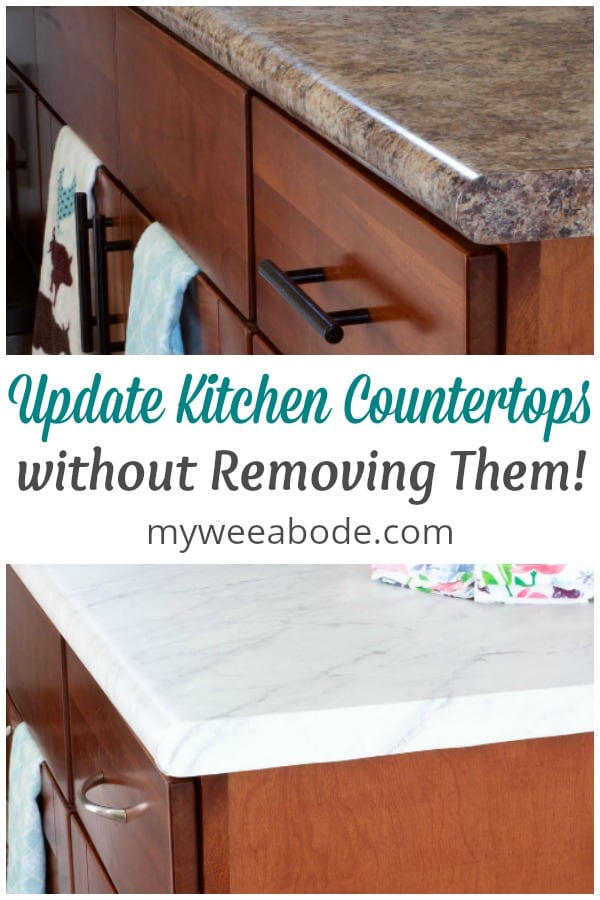
Image Source: myweeabode.com
Why Choose to Refresh Your Counters?
Changing kitchen countertops often costs a lot. It also takes much time. You might need to remove old counters, deal with plumbing, and install new ones. This can cause a lot of dust and noise. But what if your counters are still strong? What if you just do not like their look? Then, you can make them look new without taking them out. This saves you money and time. It also means less waste. It is a smart way to update your home.
Benefits of Refreshing Counters
- Saves Money: New counters can cost thousands. These methods are much cheaper.
- Less Mess: You do not rip out old materials. This means less dust and noise.
- Faster Project: Many updates finish in a weekend or two.
- Eco-Friendly: You reuse what you have. This means less waste goes to the landfill.
- Boosts Look: Your kitchen gets a fresh style. It can make your whole home feel new.
Getting Ready: Steps Before You Start
No matter which method you pick, good prep is key. It helps your new finish stick well. It also makes your update last longer. Do not skip these steps.
Clearing and Cleaning the Space
- Empty Counters: Take everything off your counters. Store small appliances and decorations away.
- Remove Items: Take off items from your walls. This includes switch plates and outlet covers.
- Clean Deeply: Use a strong cleaner. Wipe down all counter surfaces. Get rid of grease, dirt, and food bits. A degreaser works best.
- Rinse Well: Use a clean, wet cloth. Wipe away all cleaner. Let the counters dry fully.
- Remove Caulk: Use a utility knife or caulk remover. Take out old caulk around your sink and backsplash. This makes a smooth surface.
- Fix Flaws: Fill any chips or cracks. Use wood filler or a patching compound. Let it dry. Then sand it smooth.
Protecting Your Kitchen
- Cover Areas: Use painter’s tape and plastic sheets. Protect your cabinets, sink, and floor. Tape along the edges of your counters.
- Turn Off Water: If you work near the sink, turn off the water supply. This prevents spills.
- Ventilate Room: Open windows. Use fans. Many products have strong fumes. Good air flow keeps you safe. Wear a mask for some products.
- Wear Gear: Put on gloves and safety glasses. This protects your hands and eyes.
Method 1: Paint Kitchen Counters
This is a simple and budget friendly countertop update. You can paint kitchen counters to look like stone, concrete, or a solid color. Special kits make it easy. This method is great for laminate or tile counters. It is a quick way to refinish kitchen worktops.
Types of Paint for Counters
- Epoxy Paint: This paint is very strong. It resists water and stains. It comes in a kit with two parts. You mix them before you use them. This creates a hard, smooth surface.
- Acrylic Paint (with topcoat): Regular acrylics are not tough enough alone. You need a very strong sealer. Some kits use acrylics with a special clear topcoat. This gives a durable finish.
Steps to Paint Your Counters
h5 Prepping for Paint
- Sand Lightly: Use fine-grit sandpaper (like 180-220 grit). Lightly sand the entire counter surface. This helps the paint stick. Do not sand too hard. Just rough up the surface.
- Clean Dust: Wipe away all sanding dust. Use a damp cloth. Let it dry completely.
- Prime Surface: Use a good quality bonding primer. Apply one or two thin coats. This helps paint stick even better. Let the primer dry as the can says.
h5 Applying the Paint
- Mix Paint: If using an epoxy kit, mix the two parts very well. Follow the kit’s rules exactly.
- First Coat: Use a foam roller for smooth surfaces. Use a brush for edges. Apply a thin, even coat of paint.
- Add Texture (Optional): Some kits have flecks or chips. You sprinkle these on the wet paint. This gives a stone look.
- Dry Time: Let the first coat dry fully. This can take hours. Check the product label.
- Second Coat: Apply a second thin coat of paint. If using flecks, apply another coat of paint over them. This embeds them.
- Topcoat/Sealer: Once the paint is dry, apply a durable clear topcoat or sealer. This protects the paint from wear, water, and stains. Apply two to three thin coats.
Pros and Cons of Painted Counters
| Feature | Pros | Cons |
|---|---|---|
| Cost | Very low, kits are affordable | |
| Ease | DIY friendly, few tools needed | |
| Look | Many colors, can mimic stone | Can look less “real” than actual stone |
| Durability | Good with proper topcoat | Can chip or scratch over time with heavy use |
| Time Needed | 1-2 weekends | Long cure time for full hardness |
Method 2: Countertop Resurfacing with Epoxy Kits
Epoxy countertop kits offer a very durable way to refinish kitchen worktops. They create a thick, shiny surface. You can make it look like granite, marble, or quartz. This method is great for a big visual impact. It gives a high-end look without the high cost.
What Are Epoxy Kits?
Epoxy resin is a two-part liquid. You mix a resin and a hardener. When mixed, they create a chemical reaction. This makes a very hard, clear, and shiny plastic-like finish. You pour it over your old counters. You can add colors or flakes to make it look like stone. This is a popular DIY countertop overlay.
Steps for Epoxy Resurfacing
h5 Preparing the Surface
- Clean and Sand: Clean counters very well. Sand lightly with 180-220 grit paper. Wipe off all dust.
- Fill Gaps: Fill any deep scratches, chips, or seam gaps. Use epoxy filler or auto-body filler. Let it dry. Sand smooth.
- Tape Edges: Use painter’s tape on cabinet edges. Extend it down the cabinet sides. This catches drips.
- Level Counters: Use a level to check your counters. If they are not level, the epoxy will pool. Use shims if needed under cabinets. This is very important.
h5 Mixing and Pouring Epoxy
- Set Up Space: Cover your floor and surrounding areas. Epoxy can drip. Have all tools ready.
- Mix Parts: Read the kit instructions very carefully. Mix the resin and hardener for the exact time given. Mix slowly to avoid bubbles.
- Add Color (Optional): If you want color, add pigments or mica powder to the mixed epoxy. Mix well. If you want a marble look, pour lines of different colors onto the counter.
- Pour Epoxy: Pour the mixed epoxy onto the counter. Start in the middle. Let it flow to the edges.
- Spread Evenly: Use a notched trowel or foam roller. Spread the epoxy gently. Make sure it covers everything. It should be about 1/8 inch thick.
- Create Effects: For stone looks, use a brush or stick. Swirl colors. Use a spray bottle with denatured alcohol for cells (small circle patterns).
- Remove Bubbles: Use a propane torch or heat gun. Hold it 6-8 inches above the surface. Move it steadily across the epoxy. The heat pops bubbles. Do not hold it still too long. Do this a few times over 30 minutes.
h5 Curing and Finishing
- Cure Time: Let the epoxy cure. This takes at least 24 hours. Do not touch it. Do not put anything on it.
- Full Hardness: The epoxy will get fully hard over several days or weeks. Avoid heavy use during this time.
- Remove Tape: After 24 hours, carefully remove the painter’s tape. If epoxy cured onto the tape, score it with a razor blade first.
- Seal Edges: Re-caulk around the sink and backsplash with new silicone caulk.
Pros and Cons of Epoxy Countertops
| Feature | Pros | Cons |
|---|---|---|
| Cost | Cheaper than new stone counters | More than paint kits |
| Ease | DIY friendly, but needs care | Can be messy, exact mixing is key |
| Look | High gloss, mimics stone well | Can show scratches in high-use areas |
| Durability | Very hard, heat and water resistant | Can yellow over time (UV exposure) |
| Time Needed | 1-2 days for pour, days for full cure |
Method 3: Concrete Countertop Skim Coat
A concrete countertop skim coat gives your kitchen a modern, industrial feel. This method covers your old counters with thin layers of special concrete. It is a durable DIY countertop overlay. You can color it or leave it natural grey. It is a great budget friendly countertop update.
What is a Concrete Skim Coat?
It is a thin layer of concrete mixture applied over an existing surface. This mix is usually a polymer-modified concrete. This means it has special additives. These make it stick well and be flexible. You apply it in thin coats, like plaster.
Steps for Concrete Skim Coating
h5 Initial Prep
- Clean and Sand: Clean your counters very well. Sand with 60-80 grit sandpaper. This creates a good bond. Wipe away all dust.
- Reinforce Seams: For laminate counters, tape seams with mesh tape. This helps prevent cracks.
- Prime: Apply a concrete bonding primer. This helps the concrete stick. Let it dry fully.
h5 Applying Concrete Layers
- Mix Concrete: Mix the concrete skim coat powder with water. Follow the product instructions closely. It should be like thick pancake batter or peanut butter.
- First Coat: Use a steel trowel or putty knife. Spread a very thin layer (about 1/16 inch) of concrete over the counter. Press firmly. Cover the entire surface.
- Smooth Rough Spots: After 30-60 minutes, the concrete will firm up. Use a damp sponge to smooth out any rough spots.
- Dry Time: Let the first coat dry fully. This can take several hours, or overnight.
- Sand Lightly: Once dry, lightly sand with 120-150 grit sandpaper. Remove any bumps. Wipe away dust.
- Second and Third Coats: Apply a second coat, then a third. Each coat should be thin. Let each dry fully and sand lightly before the next. Build up the thickness slowly. Aim for 1/8 to 1/4 inch total thickness.
h5 Finishing the Concrete
- Final Sanding: After the last coat is dry, sand with finer grit paper (220-400 grit). Get it very smooth. Wipe away all dust.
- Seal the Concrete: This is the most important step for durability. Apply a high-quality concrete sealer. Use a roller or brush. Apply two to three thin coats. Let each coat dry fully before the next.
- Cure Time: Concrete needs time to fully harden. Avoid heavy use for a few days to a week.
Pros and Cons of Concrete Skim Coats
| Feature | Pros | Cons |
|---|---|---|
| Cost | Affordable, especially for the look | |
| Ease | DIY friendly, but needs practice | Takes patience to get smooth |
| Look | Modern, industrial, versatile | Can feel cold, requires good sealing |
| Durability | Very strong, heat resistant (with seal) | Can stain without proper sealing, may crack over time if not prepped well |
| Time Needed | 2-3 days for coats, more for cure |
Method 4: Granite Tile Over Existing Counters
Putting granite tile over existing counters is a good choice for durability. It gives a look of real stone without the high cost of a full granite slab. This is a more involved DIY countertop overlay option. It is a good way to refinish kitchen worktops.
Why Use Granite Tiles?
Granite tiles are smaller pieces of real granite. They are strong, heat-resistant, and beautiful. They come in many colors and patterns. Using tiles means less waste and easier handling than large slabs.
Steps for Tiling Over Counters
h5 Surface Prep
- Clean and Level: Clean counters very well. Ensure they are flat and level. Fill any deep holes or dips.
- Remove Edges: If your old counters have a raised edge, you might want to remove it. This helps tiles lay flat.
- Add Backer Board (Recommended): For best results, add a layer of cement backer board. This makes a stable base. Cut it to fit. Attach it with thin-set mortar and screws. Fill seams with mesh tape and thin-set. Let it dry. This step makes a much better surface for tiling.
h5 Laying the Tiles
- Layout Plan: Do a dry run. Lay out tiles on the counter without mortar. Plan your cuts. Start in the most visible area.
- Mix Thin-set: Mix thin-set mortar. It is a special glue for tiles. Follow the package directions. It should be like peanut butter.
- Apply Thin-set: Use a notched trowel. Spread a thin layer of mortar on the counter. Cover only a small area at a time.
- Place Tiles: Set the first tile. Press it down firmly. Use tile spacers to keep even gaps between tiles.
- Cut Tiles: Use a wet saw to cut tiles. This is needed for edges, around sinks, and corners.
- Keep Level: Use a level to check tiles as you go. Make sure they are flat. Tap them gently with a rubber mallet if needed.
- Edge Pieces: For the front edge, use bullnose tiles or create a build-up. You can stack two pieces of backer board at the front edge. This makes a thick edge for your tiles.
- Dry Time: Let the tiles set for at least 24 hours. Do not walk on or touch them.
h5 Grouting and Sealing
- Mix Grout: Mix grout according to directions. Choose a color that matches your tiles.
- Apply Grout: Use a rubber float. Spread grout over the tiles. Press it into all the gaps.
- Clean Tiles: After 15-30 minutes, use a damp sponge. Wipe excess grout from the tile faces. Rinse your sponge often.
- Cure Time: Let the grout dry. This takes 24-72 hours.
- Seal Grout: Once dry, apply a grout sealer. This protects against stains. Reapply every 6-12 months.
- Seal Granite: Apply a granite sealer to the tiles themselves. This makes them less likely to stain. Reapply every 1-2 years.
- Caulk: Re-caulk around the sink and backsplash.
Pros and Cons of Granite Tile Overlays
| Feature | Pros | Cons |
|---|---|---|
| Cost | Cheaper than full granite slabs | More than paint or film options |
| Ease | DIY friendly, but more skilled labor | Cutting tiles needs special tools (wet saw) |
| Look | Real granite, durable, high-end | Grout lines can collect dirt, needs sealing |
| Durability | Very high, heat and scratch resistant | Can crack if base is not stable |
| Time Needed | 2-3 weekends |
Method 5: Peel and Stick Countertop Film
This is the fastest and most budget friendly countertop update. Peel and stick countertop film lets you change your look in hours. It is very simple. This is a great temporary solution or for renters. It is a laminate countertop transformation.
What is Peel and Stick Film?
It is a thin, self-adhesive vinyl film. It comes in rolls. It has a sticky back, like a giant sticker. You can find it in many patterns. It can look like wood, marble, granite, or solid colors.
Steps for Peel and Stick Film
h5 Prepare the Surface
- Clean Thoroughly: Clean your counters very well. Use a strong degreaser. Any dirt or grease will show bumps under the film.
- Dry Fully: Counters must be bone dry.
- Smooth Surface: Fill any deep scratches or chips with spackle. Sand smooth. The film is thin, so flaws will show.
- Remove Obstacles: Take off sink fixtures if possible. This makes cutting easier.
h5 Apply the Film
- Measure and Cut: Measure your counter sections. Add extra inches on all sides. Cut the film slightly larger than needed.
- Peel Backing: Peel back only a small part of the paper backing (about 2-3 inches).
- Position Film: Line up the film on one edge of your counter. Make sure it is straight.
- Press and Smooth: Slowly peel off more backing while pressing the film down. Use a smoothing tool or credit card. Push from the center out. This removes air bubbles.
- Work Slowly: If you get a bubble, lift the film gently and re-smooth.
- Edges and Corners: For edges, wrap the film around. Use a heat gun or hairdryer on low heat. This makes the film more flexible. For corners, make small cuts to help it fold neatly.
- Trim Excess: Use a sharp utility knife to trim excess film. Cut along the edges of your counters and sink. A straight edge helps.
Pros and Cons of Peel and Stick Film
| Feature | Pros | Cons |
|---|---|---|
| Cost | Very low, cheapest option | |
| Ease | Easiest DIY, no special tools needed | Can be tricky to get bubble-free |
| Look | Wide range of patterns, quick change | Can look less real close up |
| Durability | Low, prone to scratches, heat can lift | Not heat resistant, can peel over time |
| Time Needed | Few hours to a day |
Method 6: Laminate Countertop Transformation with New Laminate
This is a more involved DIY countertop overlay, but it gives a very fresh and durable surface. You are essentially gluing new laminate sheets over your old ones. This is different from peel-and-stick film. It uses thicker, more rigid sheets of high-pressure laminate.
What is New Laminate Sheet Application?
You buy large sheets of decorative laminate. These are tough plastic materials. They are thin but very strong. You cut them to size and glue them onto your existing laminate or plywood counters. This offers a very clean, professional look.
Steps for Laminate Application
h5 Surface Preparation
- Clean and Sand: Clean old counters very well. Lightly sand them with 120-grit sandpaper. This helps the glue stick.
- Fill and Smooth: Fill any deep chips, cracks, or loose spots with wood filler. Sand smooth and level. The surface must be perfectly flat.
- Remove Sink/Fixtures: For best results, remove your sink and faucet. This allows for a seamless laminate application.
- Prepare Edges: If your old counter has a rounded edge, you may need to square it off. Or, you can apply a separate strip of laminate to the edge first.
h5 Cutting and Gluing Laminate
- Measure Carefully: Measure all surfaces: tops, front edges, and backsplashes. Add 1/2 inch extra to each side for trimming.
- Cut Laminate: Use a laminate trimmer, router with a laminate bit, or a fine-tooth saw blade. Make straight, precise cuts. Take your time.
- Apply Contact Cement: Use a roller or brush to apply contact cement to both the back of the laminate sheet and the top of the old counter. Apply thin, even coats. Let it dry until tacky (usually 15-30 minutes).
- Use Spacer Sticks: Place thin wood sticks (like stir sticks) every few inches across the counter. Lay the laminate sheet on top of these sticks. This stops it from sticking too soon.
- Position and Remove Sticks: Carefully line up the laminate sheet. Once it is perfectly placed, pull out the sticks one by one. Press the laminate down as you remove each stick.
- Press Firmly: Use a J-roller or a block of wood with a hammer. Press down hard on the entire surface. This ensures a strong bond. Work from the center out.
- Trim Edges: Use a laminate trimmer or router with a flush trim bit. Trim any excess laminate flush with the counter edges. A file can finish rough edges.
- Edge Banding: If you squared off your edges, apply thin strips of laminate to the front edges first. Then apply the top sheet.
- Reinstall Sink: Once done, reinstall your sink and caulk around it.
Pros and Cons of Laminate Overlays
| Feature | Pros | Cons |
|---|---|---|
| Cost | Much less than new stone, durable | More than paint or film |
| Ease | DIY friendly, but needs precision | Contact cement is very sticky, cuts need care |
| Look | Clean, smooth, many patterns/colors | Not as luxurious as real stone |
| Durability | Good resistance to impact, heat, stains | Can scratch, not cut-resistant |
| Time Needed | 1-2 days |
Choosing Your Best Countertop Update
With so many ways to refresh your kitchen counters, how do you pick? Think about your budget, how much time you have, and your DIY skills.
Factors to Weigh
- Budget:
- Lowest Cost: Peel and stick film, Paint kitchen counters.
- Mid-Range: Epoxy countertop kits, Concrete countertop skim coat.
- Higher End (still DIY): Granite tile over existing counters, New laminate sheets.
- Durability:
- Most Durable: Granite tile, Epoxy, Concrete skim coat.
- Medium: Painted counters (with good topcoat), New laminate sheets.
- Least Durable: Peel and stick film.
- Time Commitment:
- Quickest: Peel and stick film (hours).
- Weekend Projects: Paint, Epoxy, Concrete (light use after a day, full cure longer).
- Multi-Day/Weekend: Granite tile, New laminate sheets.
- DIY Skill Level:
- Beginner: Peel and stick, Paint.
- Intermediate: Epoxy, Concrete skim coat.
- Advanced: Granite tile, New laminate sheets (requires more tools and precision).
- Desired Look:
- Modern/Industrial: Concrete skim coat.
- High Gloss Stone Mimic: Epoxy countertop kits.
- Real Stone Feel: Granite tile over existing counters.
- Quick Change/Temporary: Peel and stick countertop film.
- Classic/Clean: Laminate countertop transformation, Paint kitchen counters.
Maintaining Your Refreshed Counters
No matter which method you choose, good care helps your counters last.
- Clean Regularly: Use mild soap and water. Harsh cleaners can damage the finish.
- Avoid Heat: Always use hot pads or trivets. High heat can damage paint, epoxy, concrete, and laminate.
- Use Cutting Boards: Never cut directly on your counters. This prevents scratches.
- Wipe Spills Fast: Acidic foods (like lemon juice) and strong dyes can stain.
- Re-seal as Needed: For concrete and granite tile, reapply sealer yearly or as recommended. This keeps them safe from stains and moisture.
FAQs About Changing Countertops Without Replacing
h3 Can I put a new surface over any type of old countertop?
Yes, most methods work on laminate, wood, and even old tile. For very damaged counters, you might need extra prep work. This includes filling large holes or making the surface smooth.
h3 How long does a refinished countertop last?
It depends on the method and how well you care for it.
* Peel and stick film: 1-5 years.
* Painted counters: 3-7 years.
* Epoxy/Concrete skim coat: 5-10+ years.
* Granite tile/New laminate: 10-20+ years.
Proper care makes them last longer.
h3 Will these methods increase the value of my home?
They can! A fresh, clean kitchen always helps. While not as big a boost as full new stone counters, a well-done refresh adds appeal. It shows the home is cared for.
h3 Can I use these methods on bathroom counters too?
Yes, many of these methods work well for bathroom vanities. The steps are often the same. Just ensure the area is well-vented.
h3 Are these DIY options safe?
Yes, if you follow safety rules. Wear gloves, eye protection, and a mask. Make sure your work area has fresh air. Read all product labels for safe use.
h3 What if I mess up a step? Can I fix it?
For paint and concrete, you can often sand down and reapply. For epoxy, it is harder but possible to sand and recoat. For peel and stick, you can peel it off and reapply. Always read product instructions. It is best to practice on a small test piece first if you are unsure.
Changing kitchen countertops without replacing them is a smart choice. It saves money, time, and effort. With the right method and careful work, you can give your kitchen a beautiful, new look. Choose the option that fits your style and skill, and enjoy your updated space!