
A bad smell from your kitchen drain is common. It often comes from food bits, grease, or grime. These things build up over time. They let tiny germs grow. These germs make the bad smell. Cleaning your drain stops this problem. This guide will show you how to clean a stinky kitchen drain properly. You can fix most bad drain smells yourself.
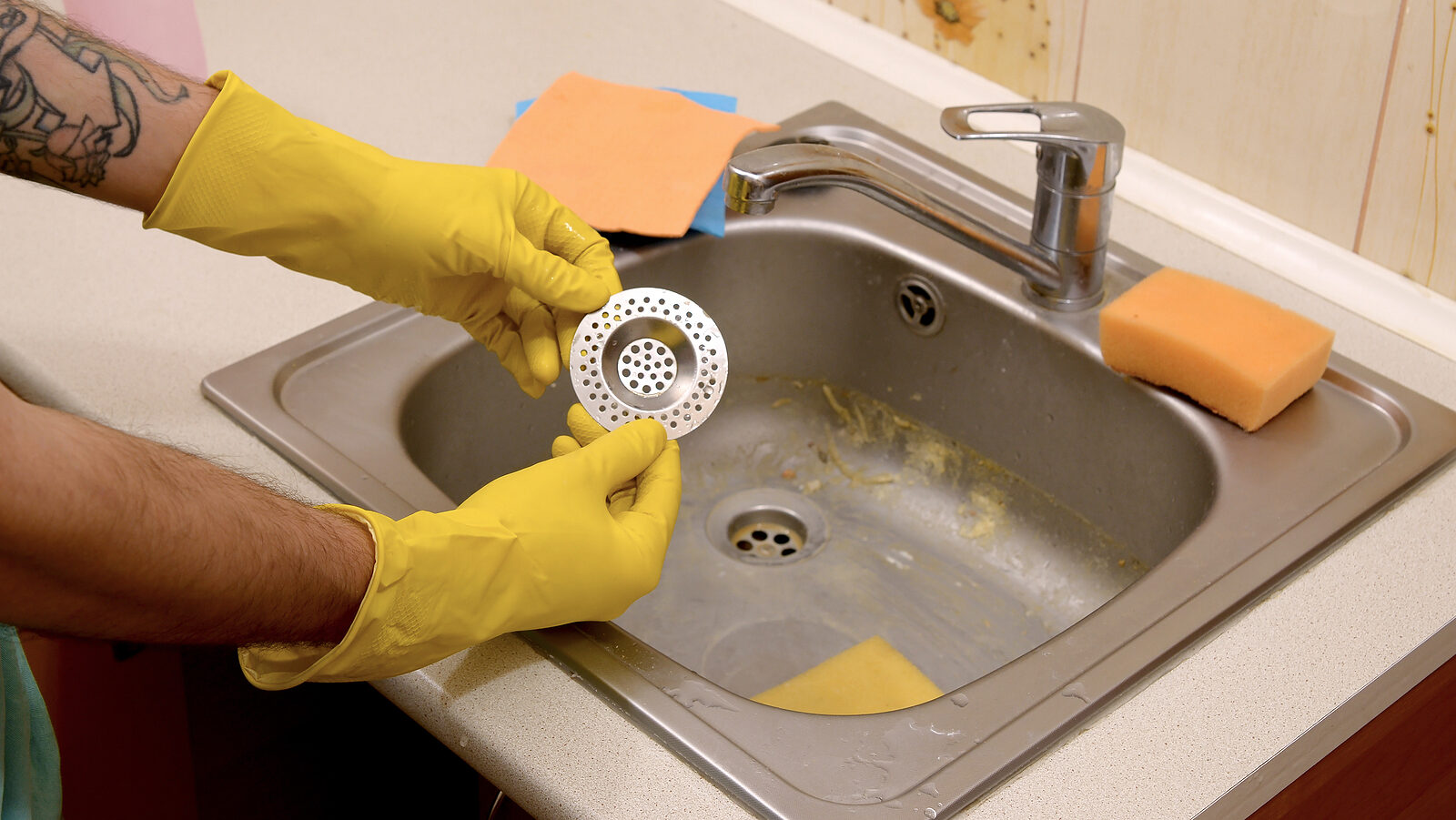
Image Source: blockbusters.co.uk
The Problem: Why Your Drain Smells Bad
Your kitchen drain can smell for many reasons. Most times, it is due to simple things. Tiny bits of food can get stuck. Grease goes down the drain. It cools and sticks to the pipes. These bits of food and grease gather. They create a perfect spot for germs to live. These germs cause the foul kitchen sink smell.
Grease Buildup: A Main Cause
Grease from cooking is a big cause. When hot grease goes into the drain, it flows easily. But as it cools, it gets thick. It sticks to the inside of your pipes. Over time, this grease builds up. It traps food bits. This grease buildup drain smell is very common. It gets worse with time.
Food Traps and Drain Bacteria Buildup
Small food bits go down your drain every day. Pasta, rice, coffee grounds, and vegetable scraps can get stuck. These bits rot. They feed germs. This creates drain bacteria buildup. These germs make very bad smells. The smell can fill your whole kitchen.
Garbage Disposal Issues
If you have a garbage disposal, it can also smell bad. Food bits can stay under the blades. They can get stuck on the splash guard. These bits rot. They create a strong, unpleasant smell. A garbage disposal smell fix is often needed. It is a common source of bad odors.
Dry P-Trap or Vent Pipe Problems
Sometimes, the smell is not from food. Your drain has a “P-trap.” This is a curved pipe. It holds water. This water stops sewer gas from coming into your home. If this water dries out, sewer gas can get in. This can happen if you do not use a sink for a long time. Also, your home’s vent pipes help air flow. If they are blocked, sewer gas can also enter. These are less common but can cause a very bad smell. Knowing the cause helps you pick the right drain odor remover.
Before You Start: Safety Steps
Cleaning a drain can be messy. It can also involve strong cleaners. Always put safety first.
- Wear Gloves: Use rubber gloves. They protect your hands from grime. They also protect you from cleaners.
- Protect Your Eyes: Wear safety glasses. This stops splashes from getting into your eyes.
- Open Windows: Make sure your kitchen has fresh air. Open windows or use a fan. This helps with strong smells. It also helps if you use chemical cleaners.
- Clear the Area: Move any dishes or food from around the sink. You want a clear work space.
What You Will Need
Most drain cleaning uses common items. You might have them already.
- Hot water (very hot, from your tap)
- Baking soda
- White vinegar
- Table salt
- Ice cubes
- Lemon or orange peels
- Dish soap
- A pot or kettle
- A drain plug or stopper
- A flashlight (for looking into the drain)
- A drain brush (optional, for pipes)
- A plumber’s snake or auger (for deep clogs)
- Bucket (for P-trap cleaning)
- Wrench (for P-trap)
- Enzyme drain cleaner (optional)
- Chemical drain cleaner (use with great care)
Easy Ways to Clean a Stinky Drain
You can try several methods to clean your drain. Start with the easiest ones. Move to harder ones if needed. Many foul kitchen sink smell remedies are simple.
Using Hot Water: A First Step
Hot water is a simple first step. It can help loosen some grease. It can wash away some small bits.
How to Use Hot Water
- Boil Water: Heat a large pot of water. Get it very hot.
- Pour Slowly: Pour the hot water slowly down the drain. Do not pour too fast. This helps the heat spread.
- Repeat: Do this a few times. Let the water sit for a minute between pours.
- Check: See if the smell is gone.
This method is good for minor smells. It might not fix a large grease buildup drain smell.
Baking Soda and Vinegar: A Natural Power Team
Baking soda and vinegar is a very popular method. It is natural. It is safe for most pipes. This mix creates fizzing bubbles. These bubbles help break up gunk. This is a great natural drain deodorizer. It often works as a clogged smelly sink solution.
How to Use Baking Soda Vinegar Drain Cleaner
- Boil Water: Start by pouring a pot of very hot water down the drain. This helps warm the pipes. It also helps loosen some gunk.
- Add Baking Soda: Pour one cup of baking soda into the drain. Try to get it all down the hole.
- Wait: Let the baking soda sit for 10-15 minutes. This lets it start to work on the drain bacteria buildup.
- Add Vinegar: Pour one cup of white vinegar down the drain. You will see fizzing. This is normal. It means the mix is working.
- Plug the Drain: Quickly put the drain stopper in place. This traps the fizzing action inside the pipe. Let it sit for 30 minutes to an hour. The longer, the better for tough smells.
- Flush Again: After waiting, pour another pot of very hot water down the drain. This flushes away the loosened grime.
- Check: Does the smell remain? You can repeat this process if needed.
This baking soda vinegar drain cleaner is very effective. It is safe to use regularly. Many people use it once a month to prevent drain pipe odor.
Salt and Ice: Best for Garbage Disposals
If your garbage disposal smells, salt and ice can help. The ice helps clear food from the blades. The salt helps scrub them clean. This is a common garbage disposal smell fix.
How to Clean Your Garbage Disposal
- Add Ice and Salt: Put two cups of ice cubes into the disposal. Add half a cup of rock salt or regular salt.
- Add Citrus Peels: Add some lemon, lime, or orange peels. These make a fresh smell.
- Run Water: Turn on cold water. Let it run into the disposal.
- Turn On Disposal: Turn on the garbage disposal. Let it run until all the ice and salt are gone. This might take a minute or two.
- Flush: Let the cold water run for another 30 seconds. This rinses everything away.
The ice scrapes the walls and blades. The salt helps scrub them clean. The citrus peels leave a fresh smell. This simple method can greatly reduce a garbage disposal smell fix problem.
Using Borax: Another Natural Choice
Borax is a natural mineral. It is a good cleaner. It can help cut through grease and grime. It also helps kill germs that cause smells.
How to Use Borax
- Pour Hot Water: First, pour a kettle of very hot water down the drain.
- Add Borax: Pour half a cup of Borax into the drain.
- Let it Sit: Let the Borax sit in the drain for at least 30 minutes. An hour is better.
- Flush: Flush the drain with more hot water.
Borax can be a good natural drain deodorizer for ongoing maintenance.
Enzyme Drain Cleaners: For Organic Waste
Enzyme drain cleaners are different. They do not use harsh chemicals. Instead, they use tiny living things called enzymes. These enzymes “eat” organic matter. This includes food, grease, and hair. They are very good at dealing with drain bacteria buildup. An enzyme drain cleaner for odors is a good choice for persistent smells. They are also safe for your pipes.
How to Use an Enzyme Cleaner
- Read Label: Always follow the directions on the bottle. Each brand might be a little different.
- Pour in Drain: Pour the correct amount into the drain.
- Let it Work: You usually let it sit overnight. Do not use the sink while it works.
- Flush: Flush with water in the morning.
These cleaners work slowly. They need time to break down the gunk. They are excellent for a clogged smelly sink solution that is organic. They are a good way to prevent drain pipe odor over time.
Manual Cleaning: When Things Get Tough
Sometimes, a clog is too big for simple cleaners. You might need to clean the drain by hand. This can be messy, but it works well.
Using a Drain Snake or Auger
A drain snake is a long, flexible tool. It can reach deep into pipes. It can break up clogs or pull them out.
- Get a Snake: You can buy a small hand-crank snake.
- Feed the Snake: Push the snake down the drain opening. Turn the crank as you push.
- Feel the Clog: You will feel it hit the clog. Keep turning and pushing. Try to break it up or hook it.
- Pull Out: Pull the snake out slowly. The clog might come with it.
- Flush: Run hot water to flush the drain.
Cleaning the P-Trap
The P-trap is the curved pipe under your sink. This is where most clogs happen. Cleaning it can fix many bad smells. This is a common part of foul kitchen sink smell remedies.
- Place a Bucket: Put a bucket under the P-trap. This will catch any water or gunk.
- Loosen Nuts: Use a wrench to loosen the nuts on both ends of the P-trap. These are called slip nuts.
- Remove P-Trap: Carefully remove the P-trap. Water will come out.
- Clean it Out: Use a brush or old cloth to clean the inside of the P-trap. Remove all the gunk.
- Check Pipes: Look into the pipes leading to and from the P-trap. Check for other clogs. You might use a small brush or snake here.
- Reattach: Put the P-trap back in place. Tighten the nuts by hand first. Then use the wrench lightly. Do not over-tighten.
- Test: Turn on the water slowly. Check for leaks.
This method often gives the best clogged smelly sink solution for severe problems.
Chemical Drain Cleaners: Use with Great Care
Chemical drain odor remover products are strong. They can fix bad clogs quickly. But they are harsh. They can harm your pipes. They can also be dangerous for you. Only use them as a last choice.
How to Use Chemical Cleaners
- Read Warnings: Read all safety warnings on the label. Wear heavy gloves and eye protection. Make sure the room has good air flow.
- Pour Slowly: Pour the cleaner slowly into the drain.
- Wait: Let it sit for the time listed on the bottle. Do not leave it longer.
- Flush: Flush with cold water.
- Never Mix: Never mix different chemical cleaners. Do not use them after other methods (like baking soda and vinegar). This can create dangerous fumes.
Chemical cleaners can be very strong. They are not a good choice for regular use. They are not a good natural drain deodorizer. They can harm old pipes.
Table: Comparing Drain Cleaning Methods
Here is a quick look at the main cleaning methods.
| Method | Pros | Cons | Best For |
|---|---|---|---|
| Hot Water Flush | Easy, safe, cheap | Only for minor smells | Light odors, general rinse |
| Baking Soda & Vinegar | Natural, safe, no chemicals | Needs time, not for very tough clogs | Moderate smells, regular maintenance |
| Salt & Ice (Disposal) | Cleans disposal blades, freshens | Only for garbage disposals | Disposal smells, light food residue |
| Borax | Natural, deodorizes, cleans | Needs time, not for heavy clogs | Mild odors, general cleaning |
| Enzyme Drain Cleaner | Safe for pipes, eats organic gunk | Works slowly, might cost more | Persistent organic smells, drain bacteria buildup |
| Manual (Snake/P-Trap) | Very effective for physical clogs | Messy, needs tools, more effort | Severe clogs, deeply stuck items |
| Chemical Drain Cleaner | Fast acting for tough clogs | Dangerous, harms pipes, harsh fumes | Last resort for very stubborn clogs |
Keep Your Drain Fresh: Long-Term Prevention
Cleaning a stinky drain is good. But stopping it from smelling again is better. Good habits can prevent drain pipe odor.
Regular Hot Water Flushing
Make it a habit to flush your drain daily. Pour a bit of very hot water down after washing dishes. This helps keep grease from sticking. It also moves small food bits along.
Use Drain Screens
Place a drain screen over your drain. This simple tool catches food bits. It stops them from going down the drain. Empty the screen into the trash often. This is a very easy way to prevent drain bacteria buildup.
Proper Grease Disposal
Never pour grease down the drain. Let hot grease cool and harden. Then, scrape it into the trash. For liquid oils, put them in a sealed container. Throw the container in the trash. This is the best way to avoid grease buildup drain smell.
Scrape Plates Before Washing
Scrape all food bits from plates into the trash. Do this before you wash dishes. Less food in the drain means less to rot. This helps prevent drain pipe odor.
Regular Baking Soda and Vinegar Treatment
Use the baking soda vinegar drain cleaner method once a month. This keeps your drain clean. It freshens it up. This acts as a natural drain deodorizer. It helps keep drain bacteria buildup low.
Run Your Garbage Disposal Often
If you have a disposal, run it often. Use cold water when you run it. Grind up a few citrus peels once a week. This keeps the disposal clean and fresh. It is a good ongoing garbage disposal smell fix.
Consider Monthly Enzyme Treatments
If you often get smells, use an enzyme drain cleaner for odors once a month. This can help keep organic matter from building up. It works to prevent drain pipe odor quietly.
Check P-Trap Water Level
If you go away for a long time, the water in your P-trap can dry out. Before you leave, pour some vegetable oil down the drain. A tablespoon is enough. The oil floats on top of the water. It slows down water loss. This can help stop sewer gas from entering your home.
When to Call a Pro Plumber
Most times, you can fix a stinky drain yourself. But some problems need a plumber.
- Persistent Bad Smell: You have tried many things. The smell still comes back. This might mean a deeper problem. It could be a serious drain bacteria buildup that is very deep.
- Slow Draining with Odor: The drain smells bad and is draining very slowly. This means a big clog.
- Multiple Drains Smelling: If more than one drain in your home smells bad, it could be a main sewer line issue.
- Sewer Gas Smell: A strong smell of rotten eggs is a sewer gas smell. This can be dangerous. It needs a plumber right away. It could mean a broken vent pipe or a dried main P-trap.
- Water Backing Up: If water backs up into sinks or tubs, call a plumber.
A plumber has special tools. They can find and fix deep problems. They can correctly diagnose issues like severe grease buildup drain smell or a fully blocked pipe.
Frequently Asked Questions (FAQ)
Here are common questions about smelly drains.
How often should I clean my kitchen drain?
You should clean your kitchen drain once a month. Use baking soda and vinegar for a basic clean. This helps prevent smells from starting.
Can I use bleach to clean a stinky drain?
No, do not use bleach in your drain. Bleach can harm pipes. It can also create dangerous fumes if mixed with other cleaners. It does not break down clogs well.
Is a natural drain deodorizer as good as a chemical one?
For smells from food and grease, yes. Natural options like baking soda and vinegar work very well. Enzyme cleaners are also very good. They are safer for your pipes and the environment. Chemical drain odor remover products are very strong. They should only be used for very tough clogs and with great care.
What if my garbage disposal still smells after cleaning it?
Check the splash guard. It is the rubber part in the drain opening. Food can stick to its underside. Clean it with a brush and soap. Also, ensure you run cold water for 30 seconds after using the disposal. This flushes out tiny bits.
Can a dry P-trap cause a smell?
Yes, it can. The P-trap holds water to block sewer gas. If the water dries up, sewer gas can enter your home. This gas smells like rotten eggs. Pour water down the drain if you have not used it in a while.
Will a clogged smelly sink solution always work for a bad odor?
Often, yes. Most odors come from clogs or buildup. If the smell remains after clearing a clog, the cause might be different. It could be a dry P-trap or a vent pipe issue. Then, you might need a plumber.
How can I prevent drain pipe odor in the future?
Use drain screens. Avoid pouring grease down the drain. Scrape plates well before washing. Run hot water after using the sink. Do a baking soda and vinegar clean once a month. These steps help a lot.
Cleaning a stinky kitchen drain does not have to be hard. With simple tools and a bit of effort, you can make your kitchen smell fresh again. Keeping up with prevention tips will save you trouble later.