
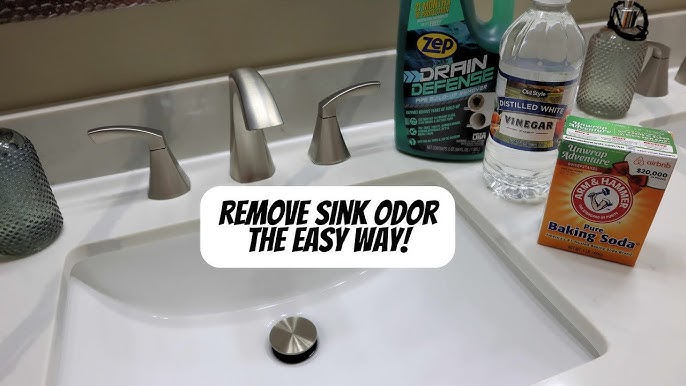
Image Source: i.ytimg.com
How To Remove Odor From Kitchen Sink Drain: Quick Guide
A foul kitchen sink smell can quickly ruin your home’s fresh feel. Can you easily remove odor from a kitchen sink drain? Yes, you can! This guide shows quick, easy ways to make your sink smell fresh again. Many bad smells come from food bits or bacteria in your drain. We will look at what causes these smells and how to get rid of them for good.
Pinpointing the Odor Source
Before you clean, you need to find out why your drain smells. A bad smell often comes from food or grime inside the pipes. Here are the main reasons your kitchen sink might stink.
Grasping the Causes
- Garbage Disposal Odor: This is a very common cause. Food bits stick to the blades and sides of your disposal. They rot there over time. This makes a strong, bad smell.
- Sink Drain Bacteria: Over time, a slimy film builds up in your drain pipes. This film has food bits, grease, and soap scum. Bacteria grow in this film. These bacteria create gases that smell bad. This is a common source of a foul kitchen sink smell.
- P-Trap Issues: Your sink has a pipe shaped like a “P” or “U” under it. This is called a P-trap. It holds water. This water stops sewer gases from coming into your home. If the water dries out, sewer gases can enter. This causes a very bad smell. Sometimes, things get stuck in the P-trap too.
- Vent Pipe Problems: Every home has vent pipes. They let air into the drain system. This helps water flow well. They also let sewer gases out through your roof. If a vent pipe gets blocked, sewer gases can get trapped. They might then come out through your drains. This is less common but can happen.
Knowing the cause helps you pick the right cleaning method. Most times, the smell comes from your garbage disposal or bacteria in the drain.
Easy DIY Fixes for Odor
You can fix most drain smells with simple things you have at home. These DIY drain odor removal steps are quick and safe. They do not use harsh chemicals.
The Power of Hot Water
- Boiling Water Drain Flush: This is the first and easiest step. Boil a big pot of water. Carefully pour it down your drain. Hot water can loosen grease and food bits. It also kills some bacteria. Do this once a week. It helps keep your drain clear and fresh. If you have PVC pipes, use very hot tap water instead of boiling water. Boiling water might harm older PVC pipes.
The Classic Combo: Baking Soda and Vinegar
This method is great for a natural drain deodorizer. It works well for general drain smells. It also helps with garbage disposal odor.
- Clear the Area: Remove any drain covers or stoppers.
- Add Baking Soda: Pour one cup of baking soda down the drain. Try to get as much as you can into the drain opening.
- Add Vinegar: Slowly pour one cup of white vinegar after the baking soda.
- Watch it Work: The mix will fizz and bubble. This foam helps break down grease and grime. It also kills sink drain bacteria. Let it sit for 15-30 minutes. Some people let it sit overnight for tough smells.
- Rinse Well: After the time is up, flush the drain with hot tap water for a few minutes. This washes away the loosened gunk.
This baking soda vinegar drain method is very effective. It is also safe for your pipes and the environment. Repeat this every few weeks. This keeps smells from coming back.
Freshness from Citrus and Ice
This method is perfect for garbage disposal odor.
- Lemon and Ice Disposal Cleaner: Grab a handful of ice cubes. Add a few lemon or orange peels.
- Turn it On: Turn on your cold water. Then turn on the garbage disposal.
- Grind Away: Feed the ice and peels into the disposal. The ice scrapes off stuck-on food. The citrus peels leave a fresh, clean smell. They also help clean the blades.
- Flush: Let the water run for a few more seconds after the grinding stops.
You can do this every few days. It keeps your disposal blades clean and fresh. It is a simple, pleasant way to fight smells.
Other Natural Helpers
- Salt: Coarse salt can also help clean a disposal. Pour half a cup of salt down the drain. Turn on the disposal with cold water. The salt acts like an abrasive. It scrubs away gunk.
- Citrus Peels Alone: Just grinding citrus peels in the disposal helps. They release oils that smell good. They also help clean the grinding chamber.
- Borax: For really tough smells, try borax. Pour half a cup of borax down the drain. Let it sit for an hour. Then flush with hot water. Borax is a natural cleaner and deodorizer.
Deep Cleaning Methods for Stubborn Smells
Sometimes, simple fixes are not enough. If the foul kitchen sink smell stays, you need to clean deeper. These methods might take more effort but work for tougher problems.
DIY Drain Odor Removal: Advanced Steps
If the baking soda and vinegar method does not fully work, you might have more buildup.
Table: DIY Deep Cleaning Ingredients
| Ingredient | Amount | Purpose | Instructions |
|---|---|---|---|
| Baking Soda | 1 cup | Deodorize, loosen grease | Pour down drain. |
| White Vinegar | 1 cup | Reacts with baking soda, cuts grease | Pour after baking soda. Let sit 30 min to overnight. |
| Boiling Water | 1-2 liters | Flushes, kills bacteria, melts grease | After other steps, pour slowly. (Use hot tap water for PVC pipes). |
| Coarse Salt | 1/2 cup | Abrasive for disposal, helps scour pipes | Use with ice in disposal or flush with hot water in regular drain. |
| Lemon/Orange Peels | Handful | Deodorize, clean disposal blades | Grind with ice in disposal. |
| Borax | 1/2 cup | Deodorizer, cleaner | Pour down drain, let sit 1 hour, flush with hot water. |
Enzyme Drain Cleaner for Smell
Enzyme cleaners are different from harsh chemical drain cleaners. They use natural enzymes and bacteria. These “good” bacteria eat away at the “bad” bacteria and organic matter. This includes grease, food, and soap scum. They break down the source of the smell.
- How They Work: The enzymes break down the organic gunk into smaller bits. Then, the good bacteria digest these bits. This removes the food source for the smelly bacteria. It is a slow but very effective process.
- When to Use: Use an enzyme drain cleaner for smell if natural methods are not enough. They are good for regular drain maintenance too.
- How to Use: Follow the product’s directions. Most often, you pour it down the drain at night. You let it work while you sleep. Do not use the sink after pouring. This gives the enzymes time to do their job. Repeat weekly or monthly as needed.
Advantages of Enzyme Cleaners:
* Safe for pipes.
* Safe for septic systems.
* Good for the environment.
* They actually remove the cause of the smell, not just cover it.
Disadvantages:
* Can take time to work.
* May need repeat treatments.
P-Trap Cleaning: When All Else Fails
If the smell is still there, the problem might be in your P-trap. The P-trap is the curved pipe under your sink. It can collect hair, grease, and other debris. This buildup can create a stubborn foul kitchen sink smell. Cleaning the P-trap is a bit more involved. But it is a definite DIY drain odor removal step.
What you need:
* A bucket or bowl (to catch water).
* A wrench or pliers.
* Old towels.
* Gloves.
* Pipe brush or wire hanger (optional, for cleaning inside).
Steps for P-trap cleaning:
- Prepare: Place the bucket directly under the P-trap. Lay old towels around it. This protects your cabinet from water spills.
- Loosen Nuts: Look at the P-trap. You will see large nuts connecting it to the sink tailpiece and the wall drain. Use your wrench or pliers to loosen these nuts. Turn them counter-clockwise. They might be tight.
- Remove P-Trap: Once the nuts are loose, carefully pull the P-trap down. Water will spill out into your bucket. This is normal.
- Clean the Trap: Look inside the P-trap. You will likely see nasty gunk. Use your gloved hands to pull out large bits of debris. You can also use a pipe brush or straightened wire hanger to scrub the inside. Rinse the P-trap thoroughly under hot running water. You can even use a little dish soap.
- Clean the Pipes: While the P-trap is off, look up into the tailpiece (the straight pipe coming from the sink). Look into the wall drain pipe too. Use a pipe brush or wire hanger to clean any visible gunk from these pipes as well.
- Reassemble: Put the P-trap back in place. Make sure the nuts are lined up correctly. Tighten them by hand first. Then use your wrench or pliers to snug them up. Do not overtighten. This can crack the plastic or strip the threads.
- Test for Leaks: Turn on your faucet. Let water run for a minute. Check carefully for any leaks around the nuts you tightened. If you see drips, tighten the nuts a little more.
- Final Flush: Once everything is tight, run hot water for a few minutes. This flushes out any last bits of debris.
Cleaning the P-trap can often solve very stubborn drain odors. It gets rid of the hidden source of the smell.
Preventing Future Drain Odors
The best way to deal with drain smells is to stop them before they start. Regular care keeps your sink fresh.
Smart Habits for a Fresh Drain
- Regular Flushing: Flush your drain with hot water often. After washing dishes, let the hot water run for 15-20 seconds. This helps move food particles along.
- Proper Disposal Use:
- Cold Water Always: Always run cold water when using your garbage disposal. Continue running it for 15-30 seconds after the grinding stops. Cold water helps keep grease solid. This allows the blades to grind it up better. It also flushes particles completely.
- Avoid Problem Foods: Do not put tough, stringy, or expanding foods down your disposal. This includes:
- Coffee grounds (they build up).
- Grease or oil (they harden and clog).
- Pasta, rice, potato peels (they expand).
- Eggshells (the membrane can stick).
- Large bones or fibrous veggies (celery, corn husks).
- Small Batches: Grind food scraps in small amounts. This prevents overloading the disposal.
- Regular Natural Treatments:
- Do a baking soda vinegar drain flush once a month. This keeps the pipes clean and free of sink drain bacteria.
- Use the lemon and ice disposal cleaner trick a few times a week. This keeps your disposal smelling fresh.
- Consider a monthly flush with a natural drain deodorizer like salt and hot water.
- Use a Drain Screen: Place a mesh screen over your drain opening. This catches food particles before they go down the drain. Empty the screen into the trash often. This is a simple, effective way to stop problems.
- Wipe Down the Sink: Clean your sink basin regularly. Bits of food and grime can collect around the drain opening itself. This can also cause smells.
- Don’t Forget the Overflow: If your sink has an overflow drain (a small hole near the top of the basin), clean it too. Use a small brush or cotton swab with some disinfectant. Gunk can build up there and smell.
By doing these simple things, you can greatly reduce the chance of getting a foul kitchen sink smell. Prevention is easier than cleaning.
When to Call a Professional Plumber
Most kitchen sink odors can be fixed with DIY methods. But sometimes, you need a pro. Knowing when to call for help saves you time and stress.
Signs You Need a Plumber
- Persistent Smells: You have tried all the cleaning methods. You have cleaned your P-trap. You have used enzyme cleaners. But the bad smell still comes back quickly or never goes away. This means the problem is deeper than you can reach.
- Recurring Clogs: If your sink drains slowly often, or clogs happen again and again. A smell often comes with a clog. This might mean a deep clog that your home remedies cannot clear.
- Multiple Drain Issues: If more than one drain in your home smells bad or drains slowly. This can point to a main sewer line issue. It could also be a major vent pipe problem.
- Sewage Smell: If the smell is a strong, distinct sewage smell, and you have checked your P-trap. This could mean a broken sewer pipe or a blocked vent stack. These need a plumber’s tools and knowledge.
- Strange Noises: Gurgling sounds from your drain or toilet might mean a vent issue or a deeper clog.
- Water Backups: Any water backing up into sinks, tubs, or toilets is a serious sign. Call a plumber right away.
A professional plumber has special tools. They have cameras to inspect pipes. They have strong augers to clear tough clogs. They can diagnose vent pipe issues. They can fix damaged pipes. They can solve problems that are beyond simple DIY. Do not wait too long to call. A small problem can become a big, costly one.
Frequently Asked Questions (FAQ)
Q1: Why does my kitchen sink drain smell like rotten eggs?
A1: A rotten egg smell often means hydrogen sulfide gas. This gas is made by sink drain bacteria breaking down food bits. These bacteria thrive in dark, wet places like your drain. It is often caused by a dirty garbage disposal or buildup in the drain pipes.
Q2: Can I use bleach to clean my smelly drain?
A2: It is best to avoid bleach. Bleach can harm your pipes over time, especially if you have older ones. It also does not break down clogs or organic matter. It just kills some bacteria. It can also create dangerous fumes if mixed with other cleaners, like ammonia or acids. Stick to safer, natural methods like baking soda vinegar drain flushes. Or use enzyme cleaners.
Q3: How often should I clean my garbage disposal?
A3: You should clean your garbage disposal regularly. A quick rinse with hot water and the lemon and ice disposal cleaner trick a few times a week is good. For a deeper clean using baking soda and vinegar, do it once a month. This prevents garbage disposal odor from forming.
Q4: Is it normal for my P-trap to dry out?
A4: The water in a P-trap can dry out if a sink is not used for a long time. For example, in a guest bathroom. If your kitchen sink P-trap dries out often, it might mean a problem. It could be a vent issue, or it is not holding water correctly. If it keeps happening, you might need a plumber to check your plumbing system.
Q5: Can I pour hot grease down the drain if I follow it with hot water?
A5: No, absolutely not. Never pour grease down any drain. Even if it is hot and liquid, it will cool down in your pipes. It will then harden. This builds up over time and causes severe clogs and foul kitchen sink smell. Pour grease into an old can or jar. Let it cool and harden. Then throw it in the trash.
Q6: What is the best natural drain deodorizer?
A6: The mix of baking soda and white vinegar is one of the best. It reacts to fizz and clean. It also neutralizes odors. Using lemon or orange peels in your garbage disposal also works very well as a natural drain deodorizer.
Q7: Are enzyme drain cleaners safe for septic tanks?
A7: Yes, most enzyme drain cleaner for smell products are safe for septic tanks. In fact, many are beneficial. They help break down organic waste in your septic system. Always check the product label to be sure. But generally, they are a good choice for homes with septic systems. They are much safer than harsh chemical drain cleaners, which can harm septic tank bacteria.