
What is the best way to clean a wood kitchen table? The best way to clean a wood kitchen table is with a gentle, slightly damp cloth and mild soap or a dedicated wood table cleaner. For tougher stains or general care, natural wood cleaner solutions can also be very effective.
Your kitchen table is likely the heart of your home, a place where meals are shared, homework is done, and memories are made. Keeping it clean and well-maintained is essential not only for its appearance but also for its longevity. This guide will walk you through the best methods for cleaning your wood kitchen table and providing proper care.
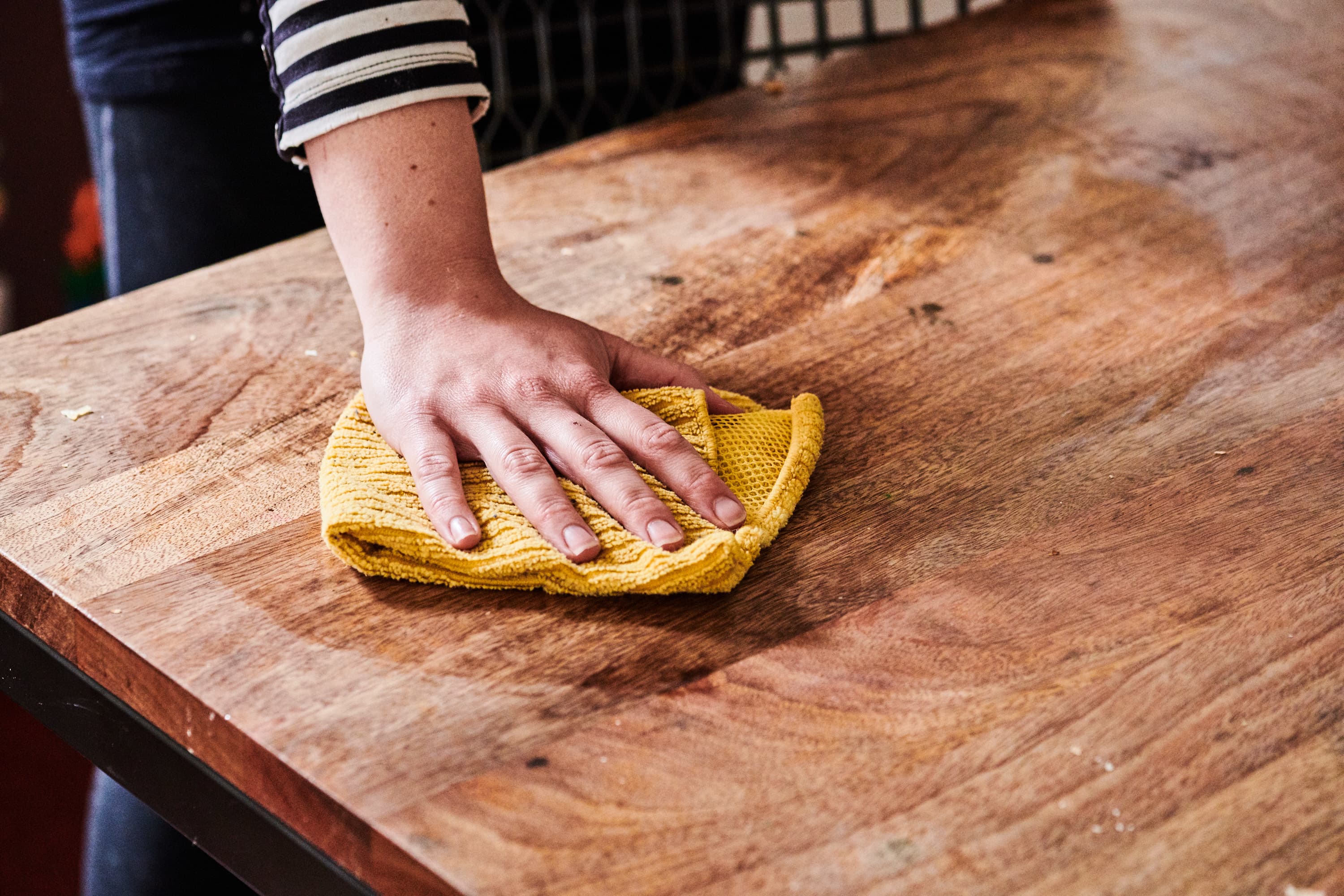
Image Source: cdn.apartmenttherapy.info
Daily Cleaning: Keeping Things Fresh
For everyday spills and crumbs, a simple cleaning routine is all that’s needed. This helps prevent food particles from drying and becoming harder to remove, and also stops grease and moisture from damaging the finish.
Quick Wipe-Down
- Materials: Soft, lint-free cloth (microfiber cloths are ideal), water.
- Method:
- Dampen a soft cloth with plain water. It should be damp, not wet.
- Gently wipe down the surface of your table.
- Use a dry cloth to immediately wipe the table dry. This is crucial to prevent water spots and potential damage to the wood, especially if it has a porous finish.
Mild Soap Solution
For slightly stickier messes or a more thorough clean, a mild soap solution is your best friend.
- Materials: Soft cloths, warm water, a small amount of mild dish soap (like Dawn or a plant-based option).
- Method:
- Mix a few drops of mild dish soap into a bowl of warm water.
- Dip one soft cloth into the soapy water and wring it out thoroughly. You want it just damp, not dripping.
- Wipe the table surface. Work in small sections.
- Immediately follow with a clean, damp cloth (rinsed in plain water) to remove any soap residue.
- Finish by drying the table completely with a dry, soft cloth.
Deep Cleaning: Tackling Grime and Build-Up
Sometimes, daily cleaning isn’t enough. Grease, food splatters, and general grime can build up over time, requiring a deeper approach. This is where a good wood table cleaner comes into play.
Using a Dedicated Wood Table Cleaner
There are many excellent commercial cleaners specifically designed for wood furniture. Choosing the best wood cleaner often depends on the type of finish your table has.
-
Types of Wood Finishes:
- Polyurethane/Varnish: These are durable and offer good protection. They are generally easier to clean.
- Lacquer: More delicate than polyurethane, it can be damaged by harsh chemicals.
- Oil Finish: These finishes penetrate the wood and are often matte. They require specialized cleaners and re-oiling.
- Wax Finish: Similar to oil, these are also delicate and require specific care.
-
How to Use Commercial Cleaners:
- Read the Label: Always follow the manufacturer’s instructions for the specific product.
- Test in an Inconspicuous Area: Before applying to the entire table, test the cleaner on a small, hidden spot to ensure it doesn’t damage or discolor the finish.
- Apply to Cloth, Not Table: Spray the cleaner onto a soft cloth, not directly onto the wood. This prevents over-saturation.
- Wipe Gently: Wipe the table surface with the damp cloth.
- Dry Thoroughly: Use a clean, dry cloth to buff the surface dry.
Natural Wood Cleaner Options
If you prefer to avoid chemicals or are looking for eco-friendly solutions, several natural wood cleaner options are effective and safe.
Vinegar and Water Solution
Vinegar is a natural disinfectant and degreaser.
- Materials: White vinegar, water, soft cloths.
-
Method:
- Mix equal parts white vinegar and water in a spray bottle or bowl.
- Dampen a soft cloth with the solution. Wring out excess liquid.
- Wipe down the table.
- Follow with a cloth dampened with plain water to rinse away vinegar residue.
- Dry thoroughly with a clean, dry cloth.
Caution: While effective, vinegar is acidic. It’s best to use this sparingly and always rinse thoroughly to avoid dulling the finish over time, especially on softer woods or those with delicate finishes.
Baking Soda Paste for Tougher Stains
Baking soda is a gentle abrasive that can help lift stubborn stains.
- Materials: Baking soda, water, soft cloth, dry cloth.
- Method:
- Mix baking soda with a small amount of water to create a paste.
- Apply the paste directly to the stain.
- Let it sit for a few minutes (no more than 5-10).
- Gently rub the paste into the stain with a soft cloth, using a circular motion.
- Wipe away the paste with a clean, damp cloth.
- Dry the area thoroughly with a dry cloth.
Lemon Oil or Olive Oil for Conditioning
For oil-finished tables or to add a bit of sheen, natural oils can be beneficial.
- Materials: Lemon oil furniture polish or extra virgin olive oil, soft cloths.
-
Method:
- Apply a small amount of lemon oil or olive oil to a soft cloth.
- Rub the oil into the wood in the direction of the grain.
- Let it sit for a few minutes to absorb.
- Buff off any excess oil with a clean, dry cloth.
Note: Olive oil can sometimes go rancid, so lemon oil polish or specialized wood oils are often preferred for longer-term use.
Removing Stains from Wood Table
Removing stains from wood table surfaces can be tricky, as the wrong method can damage the finish or the wood itself. Here’s how to tackle common stains:
Water Rings and White Marks
These are usually caused by moisture trapped in the finish.
-
Hair Dryer Method:
- Set a hairdryer to its lowest heat setting.
- Hold it several inches away from the stain.
- Move the hairdryer constantly over the affected area.
- The gentle heat can help evaporate the trapped moisture.
- As the ring disappears, gently buff the area with a soft cloth.
-
Toothpaste (Non-Gel, White Paste):
- Apply a small amount of white, non-gel toothpaste to a soft cloth.
- Gently rub the toothpaste onto the white ring in the direction of the wood grain.
- Wipe away the residue with a clean, damp cloth.
- Dry the area thoroughly and consider applying a bit of furniture polish or wax.
Dark Water Stains or Ink Stains
These indicate that moisture has penetrated deeper into the wood or the finish.
-
Oxalic Acid (Wood Bleach): For very stubborn dark stains that haven’t responded to other methods, oxalic acid (often sold as wood bleach) can be effective.
- Safety First: Wear gloves and eye protection. Work in a well-ventilated area.
- Follow the product’s instructions carefully. It typically involves dissolving the crystals in hot water and applying the solution to the stain.
- Allow it to work as directed, then neutralize and rinse according to instructions.
- Let the wood dry completely, then sand lightly and refinish if necessary.
Warning: This is a more aggressive treatment and can lighten the wood. Test it in an inconspicuous area first.
Grease and Oil Stains
- Cornstarch or Baking Soda:
- Sprinkle a generous amount of cornstarch or baking soda over the greasy spot.
- Let it sit for several hours or overnight to absorb the oil.
- Gently brush away the powder.
- Wipe the area with a slightly damp cloth and dry. Repeat if necessary.
Polishing and Protecting Your Wood Table
Regular polishing and protection are key to kitchen table care and preserving the beauty of your wood.
How to Polish Wood Furniture
Polishing adds a protective layer and restores shine.
- Materials: Furniture polish (paste wax or liquid polish), clean, soft cloths.
- Method:
- Clean First: Ensure the table is clean and dry before polishing.
- Apply Sparingly: Apply a small amount of polish to a clean cloth. Less is more; you can always add more.
- Buff in Circles: Rub the polish into the wood in a circular motion, working in small sections.
- Buff Off: Use a separate, clean, dry cloth to buff the surface until it shines. This removes any excess polish and brings out the luster.
- Frequency: Polish every 3-6 months, or as needed, depending on usage and the product used.
Protecting Your Wood Furniture
Preventative measures are always better than trying to fix damage.
- Use Coasters and Placemats: Protect the surface from heat, moisture, and scratches from dinnerware and glasses.
- Use Trivets: Always place hot dishes on trivets or heat-resistant mats.
- Avoid Direct Sunlight: Prolonged exposure to direct sunlight can fade and dry out wood finishes.
- Wipe Spills Immediately: Don’t let liquids sit on the surface.
- Consider a Table Pad: For high-traffic tables or for extra protection during messy activities, a custom-fit table pad can be a lifesaver.
Restoring an Older Wood Table
Over time, a wood table might lose its luster, develop deep scratches, or show significant wear. Restoring wood table surfaces can bring them back to life.
Minor Scratches
- Walnut or Pecan: Rubbing a walnut or pecan directly into a light scratch can help disguise it by depositing natural oils and color.
- Touch-Up Pens/Markers: For deeper scratches, furniture touch-up pens or markers that match your table’s color can be used. Apply carefully, wipe away excess, and let dry.
- Furniture Repair Wax/Crayons: These can be melted into scratches and then scraped smooth and polished.
Refinishing a Table
If the finish is severely damaged, or you want to change the color, a full refinish might be necessary. This is a more involved process.
- Steps for Refinishing:
- Stripping: Remove the old finish using a chemical stripper or by sanding.
- Sanding: Sand the wood smooth, starting with a coarser grit sandpaper and progressing to finer grits. Always sand in the direction of the grain.
- Cleaning: Wipe away all dust with a tack cloth or a damp cloth.
- Staining (Optional): Apply wood stain if desired, following product instructions.
- Sealing/Finishing: Apply multiple thin coats of a protective finish like polyurethane, lacquer, or oil, allowing each coat to dry and lightly sanding between coats for a smooth finish.
Maintenance Schedule: Keeping Your Table in Top Shape
A consistent maintenance plan ensures your table remains beautiful and functional for years.
| Frequency | Task | Notes |
|---|---|---|
| Daily | Wipe with a soft, dry cloth | Removes dust and light debris. |
| Weekly | Clean with a slightly damp cloth/mild soap | Tackle minor spills and build-up. Dry thoroughly. |
| Monthly | Deep clean if needed | Use a dedicated wood table cleaner or natural wood cleaner. |
| Quarterly | Polish or apply furniture wax | Adds protection and shine. |
| Semi-Annually | Inspect for damage, tighten hardware | Check for loose legs or other structural issues. |
| Annually | Consider oiling/waxing if applicable | Especially important for oil-finished tables. |
| As Needed | Address spills, scratches, or stains | Act quickly to prevent permanent damage. |
Cleaning Different Wood Types
While the general principles of cleaning wooden surfaces remain the same, some wood types might require slightly different approaches.
Hardwoods (Oak, Maple, Cherry)
These are generally more durable and can withstand more frequent cleaning. They are less prone to scratching and denting.
Softwoods (Pine, Fir)
These woods are softer and can scratch or dent more easily. Be extra gentle when cleaning and avoid abrasive materials. They also absorb liquids more readily, so prompt drying is crucial.
Frequently Asked Questions (FAQ)
Can I use all-purpose cleaners on my wood table?
It’s generally not recommended. All-purpose cleaners can contain harsh chemicals that may strip the finish, dull the wood, or leave behind residue that attracts dirt. Stick to products specifically designed for wood or gentle, natural alternatives.
How often should I polish my wood table?
Most manufacturers recommend polishing or waxing every 3-6 months. However, this can vary based on the amount of use your table gets and the type of finish it has. If the shine starts to dull, it’s a good time to reapply polish.
What if I don’t know my table’s finish?
If you’re unsure about your table’s finish, it’s best to err on the side of caution. Start with the mildest cleaning methods – a dry cloth, then a slightly damp cloth with plain water. If you need to use a cleaner, test any product on an inconspicuous area first. Avoid harsh chemicals and anything that might leave a residue. A good rule of thumb is to treat it as if it has a delicate finish.
Can I use a steam cleaner on my wood table?
No, steam cleaners should not be used on wood furniture. The heat and moisture from steam can penetrate the finish, causing damage like clouding, swelling, or lifting of veneer.
What’s the difference between cleaning and polishing?
Cleaning removes dirt, grime, and spills from the surface. Polishing adds a protective layer, enhances shine, and can help fill in very minor imperfections. You always clean before you polish.
My table has a white film. How do I remove it?
White films are typically caused by moisture or heat trapped in the finish. Try the hairdryer method described earlier, or a very fine steel wool (#0000) dipped in mineral oil, rubbed gently in the direction of the grain, followed by a clean cloth and then polishing.
By following these guidelines, you can ensure your wood kitchen table remains a beautiful and cherished part of your home for years to come. Proper cleaning and care are an investment in the longevity and appearance of your furniture.