
Is your kitchen corner cabinet organizer not spinning smoothly? Does your kitchen corner carousel sliding feel stiff or wobbly? These are common issues that can make your beloved Lazy Susan a nuisance rather than a convenient kitchen storage solution. This comprehensive guide will walk you through diagnosing and fixing a variety of Lazy Susan problems, from a loose Lazy Susan bearing to a sagging Lazy Susan fix. We’ll cover everything you need to know to get your cabinet turntable maintenance back on track and enjoy hassle-free access to your stored items.
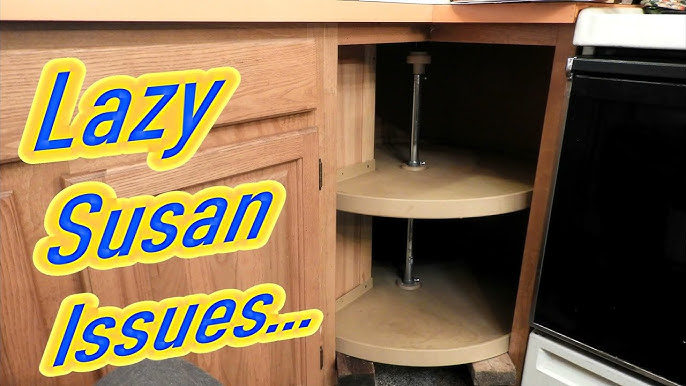
Image Source: i.ytimg.com
Diagnosing Lazy Susan Problems: What’s Going Wrong?
Before you can fix your Lazy Susan, you need to pinpoint the issue. Common culprits include:
- Loose or Damaged Bearings: The heart of a Lazy Susan is its bearing system. If these are loose, dirty, or damaged, the unit won’t spin freely. This can manifest as a “loose Lazy Susan bearing” causing wobbling or grinding.
- Misalignment: The shelves might not be level, leading to uneven weight distribution and difficulty in rotation. This is often seen as a “sagging Lazy Susan fix” scenario.
- Obstructions: Something might be caught in the mechanism, preventing smooth movement. This can include small items, debris, or even the cabinet doors themselves.
- Worn-out Hardware: Over time, the screws, bolts, or other kitchen storage hardware holding the Lazy Susan together can loosen or wear down.
- Improper Installation: If the Lazy Susan wasn’t installed correctly in the first place, it can lead to ongoing operational issues.
Fixing a Loose Lazy Susan Bearing: Restoring Smoothness
A loose Lazy Susan bearing is a frequent offender when it comes to jerky or stuck movement. This is a relatively straightforward fix that can significantly improve your cabinet turntable maintenance.
Tools You’ll Need:
- Screwdriver set (Phillips head and flathead)
- Pliers
- Lubricant (e.g., silicone spray, white lithium grease)
- Rags or paper towels
- Possibly a new bearing set if the current one is damaged
Steps to Tighten and Lubricate:
- Empty the Lazy Susan: Remove all items from the shelves. This will make it easier to access the mechanism and prevent items from falling during the repair.
- Access the Bearing: Most Lazy Susans have a central pole or a base that allows access to the bearing system. You might need to unscrew a cap or a decorative cover at the base or top of the unit.
- Inspect the Bearing: Look for any obvious damage, such as cracked or missing ball bearings. Check if the housing for the bearings is loose or warped.
- Tighten Screws: If you see screws holding the bearing assembly in place, use a screwdriver to gently tighten them. Be careful not to overtighten, as this can strip the screws or damage the plastic housing.
- Clean the Bearing: Use a rag or paper towel to wipe away any dust, debris, or old grease. If the bearing is particularly grimy, you might need to use a small brush.
- Lubricate: Apply a small amount of lubricant to the ball bearings and the tracks they run in. A silicone spray or white lithium grease is ideal. Rotate the Lazy Susan a few times to distribute the lubricant evenly.
- Reassemble: Once you’re satisfied with the tightness and lubrication, reassemble any covers or caps you removed.
This “Lazy Susan adjustment” should immediately improve its rotation.
Addressing a Sagging Lazy Susan Fix: Leveling the Shelves
A sagging Lazy Susan can be a sign of weight overload or a worn-out central support. This can make it difficult to turn and potentially damage the cabinet or its contents.
Common Causes for Sagging:
- Overloading: Placing too much weight on the shelves can cause them to bend.
- Worn Support Pole: The central pole might be bent or weakened.
- Loose Shelf Brackets: The brackets that attach the shelves to the central pole could be loose.
Steps to Correct Sagging:
- Empty the Shelves: As always, start by removing all items to reduce the load.
- Check Shelf Brackets: Examine the points where the shelves attach to the central pole. Tighten any loose screws or bolts. If the brackets themselves appear bent or damaged, you might need to replace them.
- Inspect the Support Pole: If the central pole is bent, you may be able to straighten it gently with pliers, but this is often a temporary fix. If it’s significantly damaged, replacement might be necessary.
- Distribute Weight: When reloading, try to distribute heavier items more evenly across the shelves and closer to the center to minimize stress.
- Consider Reinforcements: For heavily used or frequently overloaded Lazy Susans, you might consider adding small metal brackets or supports to the underside of the shelves for added rigidity.
Addressing a “sagging Lazy Susan fix” often involves a combination of tightening existing hardware and managing the weight it carries.
Fixing a Wobbly Lazy Susan: Stabilizing the Unit
A wobbly Lazy Susan can be unnerving and is often linked to issues with the bearing or the overall stability of the unit.
Causes of Wobbling:
- Loose Bearing Assembly: As mentioned earlier, loose screws in the bearing can cause wobbling.
- Uneven Floor/Cabinet: The cabinet itself might not be level, causing the Lazy Susan to tilt.
- Damaged Base or Top: The part of the Lazy Susan that connects to the cabinet might be damaged.
- Worn Out Components: Older Lazy Susans may have components that have simply worn down.
Steps to Stabilize:
- Check the Bearing: Revisit the steps for fixing a loose Lazy Susan bearing. Ensure all screws are snug.
- Level the Cabinet: Place a spirit level on the cabinet floor. If it’s not level, you can place shims (small pieces of wood or cardboard) under the cabinet legs or base to correct the tilt.
- Secure the Mounting: Many Lazy Susans are mounted to the cabinet floor or shelf. Check that the screws or bolts holding the Lazy Susan’s base to the cabinet are tight. If the mounting holes are stripped, you might need to use larger screws or anchor them with wood filler.
- Inspect for Damage: Carefully examine the entire Lazy Susan for any cracks or damage to the plastic or metal components.
Dealing with a “wobbly Lazy Susan” often means ensuring all connection points are secure and the unit is sitting on a stable, level surface.
Cabinet Carousel Sliding Issues: When Movement is Stiff
Sometimes, the problem isn’t a wobble, but a stiff, resistant “cabinet carousel sliding” motion. This usually points to a lack of lubrication or an obstruction.
Steps for Smoother Sliding:
- Clean Thoroughly: Remove everything from the Lazy Susan. Get down and inspect the tracks or the area where the rotating mechanism moves. Use a damp cloth to wipe away any dust, food particles, or grime.
- Lubricate Generously: Apply a good quality lubricant to the bearing surfaces. For metal-on-metal contact, white lithium grease is excellent. For plastic-on-plastic, a silicone spray works well. Ensure you get the lubricant into the ball bearing races if accessible.
- Work it In: Rotate the Lazy Susan back and forth multiple times. This helps the lubricant spread evenly and work its way into all the moving parts.
- Check for Obstructions: Look for anything that might be physically blocking the rotation. This could be a rogue spice jar, a dropped utensil, or even the cabinet door not opening wide enough. Ensure the Lazy Susan has clearance all around it.
- Consider Cleaning the Cabinet Interior: Sometimes, sticky residue or spills within the cabinet can hinder the Lazy Susan’s movement. Clean the cabinet floor and walls as well.
Kitchen Corner Carousel Repair: Replacing Damaged Parts
If cleaning and lubrication don’t solve the problem, it’s time to consider if parts of your Lazy Susan need replacing.
When to Replace Parts:
- Cracked or Broken Bearings: If the ball bearings are visibly damaged, the entire bearing assembly will likely need to be replaced.
- Bent or Warped Shelves: Severely bent shelves cannot be easily fixed and can compromise the structural integrity of the Lazy Susan.
- Damaged Central Pole: A bent or snapped central pole will need replacement.
- Worn-out Hardware: If screws are stripped beyond repair or mounting brackets are broken, replacement is the best option.
How to Replace Parts:
- Identify the Brand and Model: If possible, find the brand name of your Lazy Susan. This will help you source compatible replacement parts.
- Measure and Photograph: If you can’t identify the brand, carefully measure the dimensions of the part you need to replace (e.g., diameter of the bearing, length of the pole). Take clear photos of the damaged part and how it attaches.
- Purchase Replacement Parts: You can often find replacement Lazy Susan hardware, bearings, and even complete units at home improvement stores, specialty kitchen supply stores, or online retailers.
- Disassemble Carefully: Follow the reverse of the assembly process to remove the damaged part. Keep track of all screws and small components.
- Install New Parts: Fit the new part into place and secure it with the appropriate hardware. Ensure everything is aligned correctly before tightening.
This type of “kitchen corner carousel repair” often involves a bit more effort but can breathe new life into your cabinet.
Maintaining Your Lazy Susan for Longevity: Proactive Cabinet Turntable Maintenance
The best way to avoid major repairs is through regular “cabinet turntable maintenance.” This will keep your kitchen corner organizer running smoothly for years to come.
Regular Maintenance Tips:
- Regular Cleaning: Wipe down the shelves and the rotating mechanism at least once a month to prevent grime buildup.
- Periodic Lubrication: Apply a light lubricant to the bearings every 6-12 months, depending on usage.
- Weight Management: Avoid overloading the Lazy Susan. Distribute weight evenly and consider what items are best stored there.
- Check for Loose Hardware: Periodically (every few months), give the shelves and bearing assembly a quick check to ensure screws and bolts are still tight.
- Address Minor Issues Promptly: If you notice a slight wobble or stiffness, don’t wait for it to become a major problem. Address it with cleaning, lubrication, or tightening.
Implementing these proactive “cabinet turntable maintenance” steps will prevent most common issues and ensure your kitchen storage solutions remain functional.
Advanced Troubleshooting: When Things Still Don’t Work
If you’ve tried the above steps and your Lazy Susan is still giving you trouble, consider these more advanced scenarios:
Problem: The entire Lazy Susan unit is loose from its mounting.
Solution: This is often due to stripped screw holes in the cabinet.
- Wood Filler: Remove the Lazy Susan. Fill the stripped screw holes with wood filler or dowels and wood glue. Let it dry completely. Redrill pilot holes and re-mount the Lazy Susan.
- Larger Screws: If the existing holes are too damaged, try using slightly larger screws. Be sure they are the correct length to avoid puncturing the cabinet.
Problem: The central pole of the Lazy Susan appears bent.
Solution: This is a common issue with older or overloaded units.
- Replacement Pole: The best solution is often to replace the central pole. If you can’t find an exact match, you might be able to adapt a similar-sized metal pipe or wooden dowel, ensuring it’s strong enough to support the weight.
- Reinforcement (Temporary): As a temporary fix, you could try to brace the bent pole with metal brackets, but this is not ideal for long-term stability.
Problem: The Lazy Susan is consistently noisy, even after lubrication.
Solution: This could indicate worn-out bearing races or significant damage.
- Bearing Replacement: It’s likely time to replace the entire bearing assembly. These are often sold as separate kits and are relatively inexpensive.
- Full Unit Replacement: If the Lazy Susan is old, made of low-quality materials, or if multiple parts are damaged, it might be more cost-effective to replace the entire unit.
Replacing an Old Lazy Susan: When it’s Time for an Upgrade
Sometimes, the best “kitchen storage solutions” involve replacing an old, problematic Lazy Susan with a new, more efficient one.
Signs it’s Time to Replace:
- Widespread Damage: Multiple parts are broken or worn out.
- Constant Problems: You’ve tried multiple fixes, and it still doesn’t work well.
- Outdated Design: The Lazy Susan is inefficient or doesn’t suit your current storage needs.
- Low-Quality Materials: The unit is made of cheap plastic that is prone to breaking.
Choosing a New Lazy Susan:
- Material: Opt for sturdy materials like heavy-duty plastic or metal.
- Bearing Type: Look for smooth-gliding ball bearings or roller bearings.
- Size and Capacity: Measure your cabinet space carefully and choose a Lazy Susan that fits and can hold the weight of your items.
- Ease of Installation: Some models are easier to install than others.
- Features: Consider features like non-slip surfaces, multiple tiers, or easy-to-clean materials.
Replacing your Lazy Susan is a good opportunity to enhance your “kitchen corner storage solutions” and improve overall kitchen functionality.
Frequently Asked Questions (FAQ)
Q1: How often should I lubricate my Lazy Susan?
A1: It’s generally recommended to lubricate your Lazy Susan every 6 to 12 months, or more often if you notice it becoming stiff or noisy.
Q2: Can I use WD-40 on my Lazy Susan?
A2: While WD-40 can help loosen sticky parts, it’s not the best long-term lubricant for bearings. Silicone spray or white lithium grease are better choices for smooth and lasting rotation. WD-40 can also attract dust over time.
Q3: My Lazy Susan is squeaking. What should I do?
A3: A squeak usually indicates a need for lubrication. Clean the bearing surfaces and apply a silicone spray or white lithium grease. If the squeak persists, check for loose screws or damaged bearing components.
Q4: How do I know if I need to replace the entire Lazy Susan or just a part?
A4: If only a minor component like a screw or a single bearing seems damaged, replacing that part is usually sufficient. However, if the shelves are warped, the central pole is bent, or multiple parts are broken, it’s often more practical and cost-effective to replace the entire Lazy Susan unit.
Q5: My Lazy Susan seems overloaded. What are the best practices for weight distribution?
A5: Distribute weight evenly across the shelves, placing heavier items closer to the center. Avoid stacking items too high, and be mindful of the manufacturer’s weight capacity recommendations if available.
By following these detailed steps and maintenance tips, you can effectively fix and maintain your kitchen Lazy Susan, ensuring it remains a valuable and functional part of your kitchen storage system. Happy organizing!