
Can you put out a kitchen fire with water? No, you should never use water on a grease fire. Water can make a grease fire much worse by spreading the burning oil. What is the best way to put out a kitchen fire? The best way depends on the type of fire, but generally, it involves smothering the flames or using the correct extinguishing agent.
Kitchen fires can be terrifying, but knowing how to react calmly and effectively can make all the difference. This guide will walk you through the essential steps for dealing with various kitchen fire emergencies, emphasizing kitchen fire safety and how to prevent them from starting in the first place. We’ll cover everything from small pan fires to more serious oven fires, including crucial information on fire extinguisher use and the power of simple household items like baking soda fire and salt fire. We’ll also discuss the critical role of a fire blanket and smoke inhalation prevention.
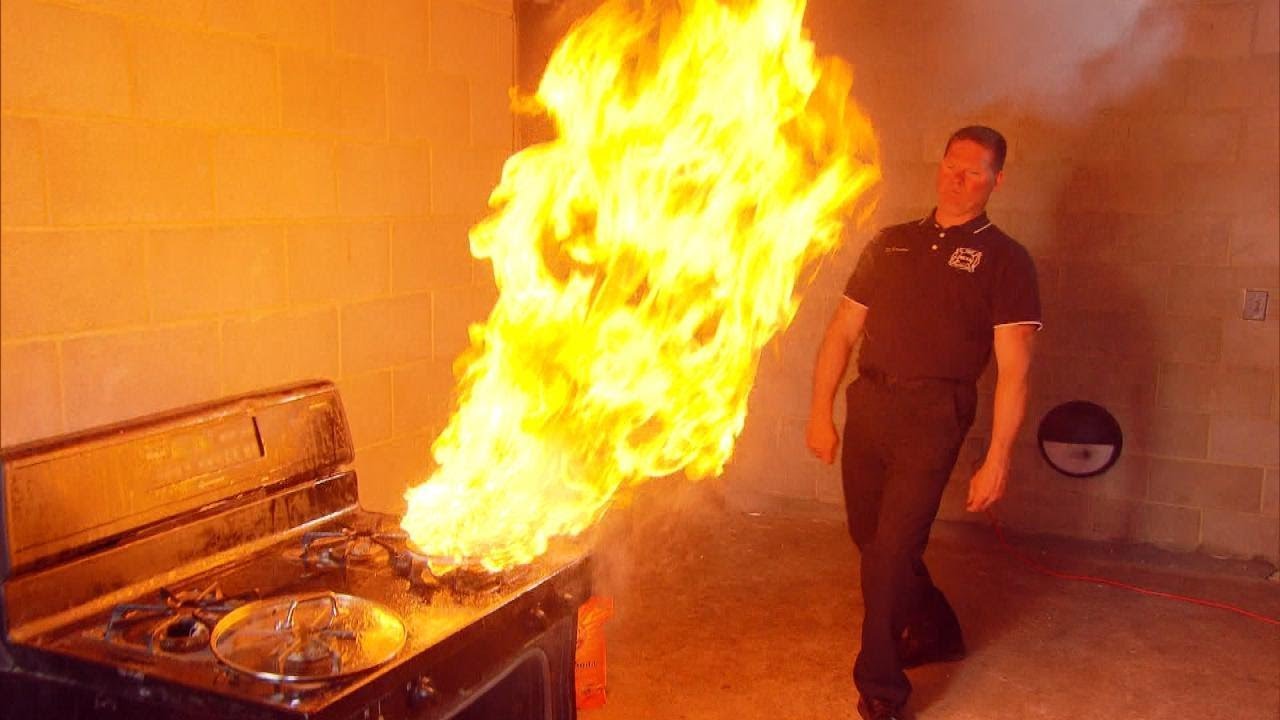
Image Source: i.ytimg.com
Preventing Kitchen Fires: Your First Line of Defense
Before we dive into putting fires out, let’s talk about stopping them before they start. A proactive approach to kitchen fire safety is your most powerful tool. Many kitchen fires begin with unattended cooking, faulty appliances, or flammable materials too close to heat sources.
Common Causes of Kitchen Fires
- Unattended Cooking: This is the leading cause of kitchen fires. If you leave the stove or oven unattended, even for a short time, a small problem can quickly escalate.
- Flammable Items Near Heat: Placing dish towels, oven mitts, paper towels, or curtains too close to the stovetop or oven is a common mistake.
- Grease Buildup: Accumulated grease in the oven, on the stovetop, or in exhaust fans can easily ignite.
- Electrical Malfunctions: Faulty wiring, damaged cords, or using appliances with exposed wires can spark fires.
- Microwave Fires: Using metal in the microwave, overheating food, or malfunctioning appliances can lead to fires.
- Oven Fires: Spills, grease buildup, or self-cleaning cycles gone wrong can cause fires within the oven.
- Toaster Fires: Crumbs left in the toaster can ignite, leading to a small fire.
Simple Steps for Prevention
- Stay in the Kitchen: Never leave cooking food unattended, especially when frying, grilling, or broiling.
- Keep Flammables Away: Maintain a clear space around the stove and oven. Keep towels, curtains, paper products, and anything that can burn at a safe distance.
- Clean Regularly: Clean stovetops, ovens, and exhaust fans regularly to remove grease and food debris.
- Check Cords: Inspect appliance cords for damage and ensure they are not frayed.
- Use Appliances Correctly: Read and follow the manufacturer’s instructions for all kitchen appliances, especially microwaves and toasters.
- Be Mindful of Clothing: Wear short, close-fitting sleeves when cooking. Loose clothing can easily catch fire.
Putting Out a Kitchen Fire: Step-by-Step
When a fire does break out, staying calm is key. Knowing the right steps for different types of fires will help you react effectively.
Scenario 1: The Grease Fire (Pan Fire)
This is one of the most common and dangerous types of kitchen fires. A grease fire occurs when cooking oil or fat gets too hot and ignites.
What to Do Immediately:
- Don’t Panic: Take a deep breath. Your reaction is critical.
- Turn Off the Heat Source: If it’s safe to do so, immediately turn off the burner or appliance causing the fire. Do NOT try to move the burning pan.
- Smother the Flames: This is the primary goal for a grease fire. You need to cut off the oxygen supply.
Methods for Smothering a Grease Fire:
- Use a Lid or Baking Sheet: Carefully slide a metal lid or a baking sheet over the pan. This will smothering a fire by starving it of oxygen. Leave the lid on until the pan has cooled completely. Never use a glass lid, as it can shatter.
- Use Baking Soda or Salt: For small fires, a large amount of baking soda or salt can help. These substances release carbon dioxide when heated, which helps to smothering a fire. Baking soda fire control is effective for small flames. Salt fire control works similarly. Do NOT use flour, sugar, or baking powder, as these can make the fire worse.
- Use a Fire Blanket: A fire blanket is designed to smother flames. If you have one readily accessible, carefully spread it over the burning pan. Ensure it’s made of fire-resistant material.
- Use a Class K Fire Extinguisher: This is the most effective tool for grease fire emergencies. Class K extinguishers are specifically designed for cooking oils and fats.
What NOT to Do with a Grease Fire:
- NEVER Use Water: This cannot be stressed enough. Pouring water on a grease fire will cause an explosive reaction, spreading the burning grease and intensifying the flames.
- Do Not Move the Pan: Attempting to move a burning pan can spill the burning grease, spreading the fire to other surfaces or yourself.
- Do Not Use Flour, Sugar, or Baking Powder: These can combust and make the fire worse.
- Do Not Use a Wet Towel: A wet towel can release steam, which can spread the fire, and the towel itself can catch fire.
Scenario 2: The Oven Fire
Oven fires can be caused by grease splatters, food debris, or a malfunctioning appliance.
What to Do If You See Flames in the Oven:
- Keep the Oven Door Closed: This is the most important step. Closing the door cuts off the oxygen supply, which can help smothering a fire.
- Turn Off the Oven: Immediately switch off the oven’s heat source. If it’s an electric oven, turn off the power at the breaker box if you can do so safely.
- Wait and Observe: Let the oven door remain closed. The fire may go out on its own as the oxygen depletes.
- If Flames Persist or Grow: If the flames do not go out or appear to be spreading, evacuate the area immediately and call the fire department.
- If You Have a Fire Extinguisher: If the fire is small and contained within the oven, and you have a suitable fire extinguisher (Class ABC or Class K), you may attempt to use it after turning off the oven and ensuring the door is closed. Aim the extinguisher at the base of the flames.
After the Fire:
- Once the fire is out and the oven has cooled, inspect for any damage.
- Do not use the oven again until it has been thoroughly inspected and deemed safe by a qualified professional.
Scenario 3: Electrical Appliance Fires (e.g., Toaster, Microwave)
Fires involving electrical appliances often start due to faulty wiring or improper use.
What to Do:
- Unplug the Appliance: If safe, immediately unplug the appliance from the wall socket. If you cannot reach the plug safely, cut the power to that outlet at the breaker box.
- Do NOT Use Water: Water conducts electricity and can cause electrocution or spread the fire.
- Smother the Flames: If the fire is small and contained within the appliance (like a toaster), you can try to smothering a fire by covering it with a metal lid or a fire blanket.
- Use a Fire Extinguisher: For electrical fires, use a Class C or ABC fire extinguisher. Aim at the base of the flames.
- Evacuate and Call 911: If the fire is spreading or you cannot safely extinguish it, leave the area immediately and call the fire department.
Scenario 4: General Kitchen Fires (e.g., Trash Can Fire, Paper Towel Fire)
These fires are typically not grease-related and might involve flammable materials.
What to Do:
- Assess the Situation: Determine the size and type of fire.
- Use Water (with Caution): For fires not involving grease or electricity, water can be used to douse the flames. However, be cautious not to splash water onto any nearby grease.
- Use a Fire Blanket: A fire blanket can be effective for smothering smaller fires.
- Use a Fire Extinguisher: A Class A (for ordinary combustibles) or ABC fire extinguisher is suitable for these types of fires. Aim at the base of the flames.
- Evacuate and Call 911: If the fire is growing or you feel unsafe, evacuate and call emergency services.
Fire Extinguisher Use: A Vital Skill
Having a fire extinguisher in your kitchen is a critical component of kitchen fire safety. Knowing how to use it properly can save lives and property.
Types of Fire Extinguishers and Their Uses
| Extinguisher Type | Suitable for Fires Involving | How it Works | Important Notes |
|---|---|---|---|
| Class A | Ordinary combustibles (wood, paper, cloth) | Cools the burning material with water or foam. | DO NOT use on grease or electrical fires. |
| Class B | Flammable liquids (grease, oil, gasoline) | Smothers the fire by forming a barrier. | Often used in combination with Class A (e.g., ABC). |
| Class C | Electrical equipment (appliances, wiring) | Interrupts the chemical action of the fire. | Crucial for electrical fires. |
| Class D | Combustible metals (magnesium, titanium) | Specific dry powder to smother metal fires. | Rarely found in residential kitchens. |
| Class K | Cooking oils and fats (kitchen fires, grease fires) | Creates a foam blanket that cools and smothers. | The most effective extinguisher for kitchen grease fires. |
| ABC | Combines Class A, B, and C | Versatile; smothers, cools, and interrupts. | A good all-purpose extinguisher for home use, including the kitchen. |
The PASS Method for Fire Extinguisher Use
Always remember the PASS acronym for effective fire extinguisher use:
- P – Pull: Pull the pin. This breaks the tamper seal and allows you to discharge the extinguisher.
- A – Aim: Aim the nozzle at the base of the fire. You want to hit the fuel source, not the flames.
- S – Squeeze: Squeeze the handle slowly and evenly to discharge the extinguishing agent.
- S – Sweep: Sweep the nozzle from side to side, covering the base of the fire with the extinguishing agent.
Important Considerations for Fire Extinguisher Use:
- Read the Instructions: Familiarize yourself with your specific fire extinguisher’s instructions before an emergency.
- Stand a Safe Distance: Most extinguishers are effective from 6-10 feet away.
- Know When to Evacuate: If the fire is too large, spreading rapidly, or you can’t see clearly due to smoke, evacuate immediately and call the fire department. Your safety is paramount.
- Recharge or Replace: After any use, even a short burst, the extinguisher must be recharged or replaced.
The Power of a Fire Blanket
A fire blanket is a simple yet incredibly effective tool for smothering a fire. It’s made of fire-resistant material and is designed to quickly put out flames by cutting off their oxygen supply.
How to Use a Fire Blanket:
- Pull the Tabs: Locate and pull the release tabs to deploy the blanket.
- Cover the Flames: Carefully and swiftly spread the blanket over the entire burning area, ensuring it completely covers the flames.
- Smother: Press the blanket firmly against the fire to smothering a fire.
- Leave it in Place: Leave the blanket in place until the object has cooled down completely to prevent re-ignition.
- Do Not Reuse: Once used, a fire blanket should be replaced.
Where to Keep a Fire Blanket:
- Keep one in an easily accessible location in your kitchen, near an exit.
- Ensure everyone in the household knows where it is and how to use it.
Smoke Inhalation Prevention: Protecting Yourself
Smoke is one of the biggest dangers in a house fire. It can incapacitate you quickly and is often more deadly than the flames themselves. Smoke inhalation prevention is a critical part of staying safe.
Key Strategies for Smoke Inhalation Prevention:
- Stay Low: Smoke rises. If you encounter smoke, crawl on your hands and knees to find cleaner air near the floor.
- Cover Your Mouth and Nose: Use a damp cloth or T-shirt to cover your mouth and nose. This can help filter out some of the smoke particles.
- Have Working Smoke Detectors: Install smoke detectors on every level of your home and inside and outside sleeping areas. Test them monthly and change batteries at least once a year.
- Plan and Practice Your Escape Route: Have a fire escape plan for your home. Practice it with your family so everyone knows how to get out safely and quickly.
- Know Your Exits: Ensure all windows and doors can be opened easily. If a window is your only escape route, make sure it opens and is not blocked.
- Don’t Re-enter a Burning Building: Once you are outside, stay outside. Never go back into a burning building for any reason. Let the firefighters handle the rescue.
- Feel Doors for Heat: Before opening any door, feel it with the back of your hand. If it’s hot, do not open it; find another way out.
Specific Fire Scenarios: A Quick Reference Table
To make the information easy to digest, here’s a table summarizing actions for common kitchen fires:
| Fire Type | What to Do Immediately | What NOT to Do |
|---|---|---|
| Grease Fire (Pan Fire) | Turn off heat source. Smother with a lid, baking sheet, fire blanket, baking soda fire / salt fire, or Class K extinguisher. | Never use water, flour, sugar, baking powder, or wet towels. Do not move the burning pan. |
| Oven Fire | Keep oven door closed. Turn off oven. Wait. If fire persists, evacuate and call 911 or use appropriate extinguisher if safe. | Do not open the oven door if flames are visible. |
| Electrical Appliance | Unplug appliance or cut power at breaker. Smother with fire blanket or use Class C/ABC extinguisher. | Never use water. Do not touch the appliance until power is confirmed off. |
| Other (Trash, Paper) | Use water (if no grease/electricity involved), fire blanket, or Class A/ABC extinguisher. | Avoid using water on grease or electrical fires. |
Frequently Asked Questions (FAQ)
Q1: What if I don’t have a fire extinguisher?
If you don’t have a fire extinguisher, focus on smothering a fire using a lid, baking sheet, fire blanket, or large amounts of baking soda fire or salt fire. If the fire grows, evacuate immediately and call the fire department.
Q2: Can I use baking soda on a grease fire?
Yes, for small grease fire incidents, a generous amount of baking soda fire control can help smothering a fire by releasing carbon dioxide. Salt fire control works similarly. However, baking soda is only effective on small fires.
Q3: What should I do if my clothes catch fire?
Remember “Stop, Drop, and Roll.” Stop moving, drop to the ground, and roll over and over to extinguish the flames. Cover your face with your hands while rolling.
Q4: How often should I check my smoke detectors?
Test your smoke detectors monthly and change the batteries at least once a year.
Q5: Is it safe to use water on a fire if it’s not a grease fire?
For fires involving ordinary combustibles like wood, paper, or cloth, water can be effective. However, always be certain there is no grease or electricity involved. If in doubt, use a fire blanket or an appropriate fire extinguisher.
Q6: What is the best fire extinguisher for a kitchen?
A Class K fire extinguisher is specifically designed for kitchen grease fires. However, a multi-purpose ABC extinguisher is also a good choice for home use as it covers most common fire types.
By equipping yourself with this knowledge and maintaining vigilance, you can significantly enhance your kitchen fire safety and be prepared to act confidently in the event of a fire. Remember, prevention is always the best strategy, but knowing how to respond effectively is crucial for protecting yourself and your loved ones.